Chía Extension
2026-06-17
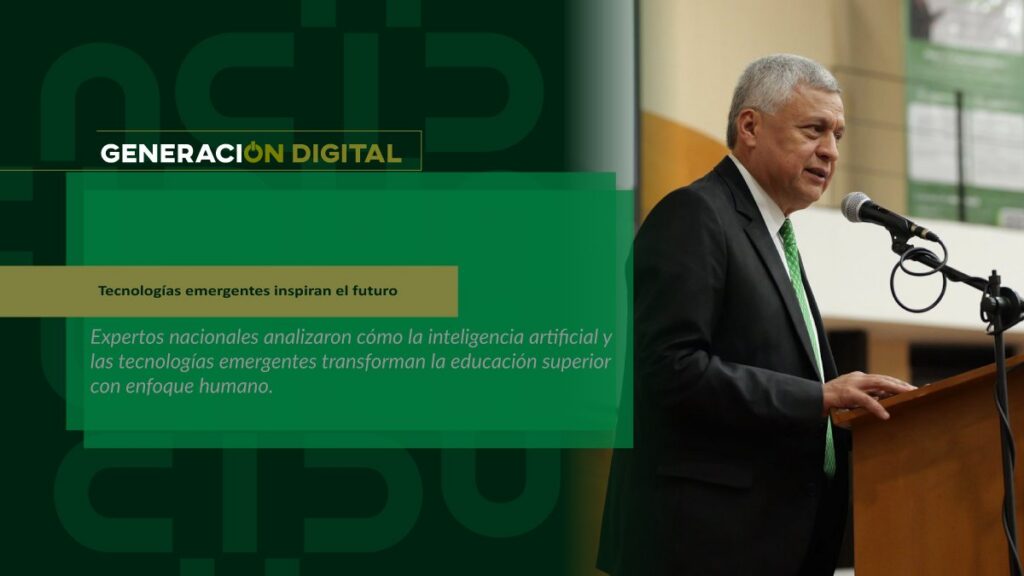
Emerging technologies inspire the future
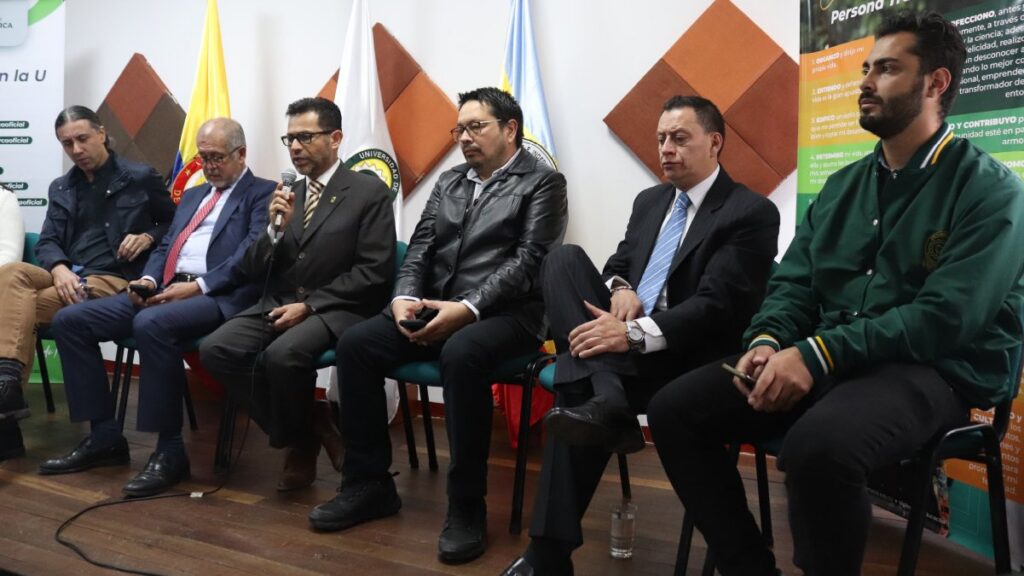
National experts analyzed how artificial intelligence and emerging technologies are transforming higher education with a human focus.



I am your virtual assistant, here to help you quickly and easily.
▲ Back to Top
By: Alejandro García Suárez – Advisory Office of Communications
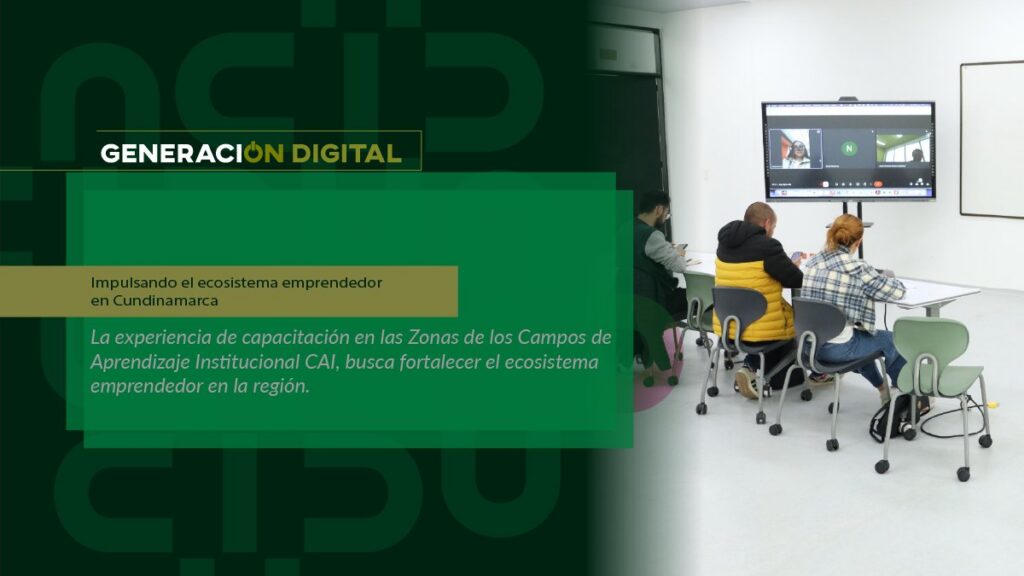
The Chía extension is advancing with diverse strategies to support rural entrepreneurs in the Sabana Centro region. Through various research projects, the needs of these entrepreneurs are being identified and addressed in areas such as soft skills and technical knowledge. Luz Alejandra Riveros Sáchica, Knowledge and Learning Manager of the Public Accounting program, commented that the first project focused on the costs of tourism entrepreneurs in Chía. Data from 318 businesses was collected, which will result in a book and a cost booklet, valuable tools for this important economic sector.
Furthermore, the findings of this project have been shared with the Autonomous University of Baja California in Mexico, thanks to an enriching cultural and academic exchange.
Riveros Sáchica also highlighted a microfinance project carried out in Soacha, Facatativá, and Zipaquirá, where data from 410 businesses were collected. From this study, a podcast was created aimed at sharing strategies to promote sustainability and the circular economy among rural entrepreneurs.
A third project explored entrepreneurship dynamics in Tabio and Tenjo, achieving positive results with 80 rural ventures. Workshops on financial education and accounting were conducted, benefiting 30 entrepreneurs, and articles about this enriching experience were published.
Riveros Sáchica also announced the formulation of a new project, to be developed in 2025, titled “Translocal Strategies for Financial Inclusion and Soft Skills Development in Rural Women Entrepreneurs of Cogua, Cajicá, and Fusagasugá.” This project will focus on rural women entrepreneurs, a group that faces cultural and social challenges in the business environment.
Luz Deisy Flores Espinal, Knowledge and Learning Manager for Business Administration in Chía, highlighted the barriers faced by rural women. “The research left us with major challenges and lessons. Many of them lack access to technological resources and information on e-commerce, which limited the research,” she explained. However, the fieldwork, supported by student research incubators, made it possible to identify several rural entrepreneurs with whom individual contact was established.
Flores Espinal underscored the leading role of the University as the only public higher education institution in the department. “We are proposing physical spaces such as entrepreneurial fairs and suggesting that city halls accompany these initiatives with training activities,” he added, emphasizing the importance of formulating business plans to support rural female entrepreneurs.
These efforts, aligned with the Transmodern Digital Educational Model (MEDIT), underscore the University's commitment to territorial economic development. “We not only generate knowledge, but practical tools that change lives,” concluded the researcher.
This study seeks to empower women in the world of entrepreneurship, providing tools to overcome cultural and social barriers.
The institution confirms its commitment to community development, and these projects are a clear demonstration of its effort to empower rural entrepreneurs in the region.
Listen to our Podcast:
News
News
News
News