Institutional high-quality accreditation link stiky-sticky

▲ Back to Top

About the OSHMS

Manage risks and hazards through the determination and implementation of controls to prevent accidents and occupational diseases, strengthening the culture of self-care through promotion and prevention strategies and the mediation of consultation and participation mechanisms.

Start with the personnel and contractor selection process, continue with OSHMS training regarding consultation and participation mechanisms, regulations, promotion and prevention campaigns, roles and responsibilities, obligations, and duties that allow the performance of work without accidents and illnesses, and end with the management results presented to senior management.


This is how the OSHMS is progressing

Tip 1

How to work with a laptop.

The laptop has several advantages, they are easy to use and carry, but they do not promote proper ergonomics for using them.

Deepen

Tip 2

Trade a slip for a I take care of myself

In the day-to-day work routine, it is easy to get carried away by habits and pending tasks, sometimes neglecting our posture and physical health. From the Occupational Health and Safety Office (OHS), we want to remind you that taking care of yourself takes only a few minutes.

Deepen

Tip 3

Proper use of the footrest

Footrests are designed to improve workers' comfort and reduce feelings of fatigue, as well as to help them maintain proper posture and prevent back problems in the future.

Deepen

Tip 4

Order and Cleanliness Inspections

A safe and efficient workplace is not the result of chance; it is built day by day through observation and care for our common areas and workstations.

Deepen

Tip 5

Emergency Numbers

In case of an emergency, please call the following numbers!

Deepen

Tip 6

Neat and tidy workstations

A tidy workspace improves productivity, reduces stress, minimizes distractions, and prevents accidents. For this reason, Occupational Health recommends paying attention to ergonomics, avoiding personal items or glass objects on the desk, and keeping only the supplies you’re currently using on the desk.

Deepen

Tip 7

Brigade members

It is an organization of people properly motivated, trained, and prepared to respond to an emergency situation; their purpose is to prevent and control emergency situations that could cause injuries to people, damage to property, or impact on the environment.

Deepen

Tip 8

Psychosocial Risk

According to GTC 45, psychosocial risks are working conditions that harm an employee’s health and performance. These factors include issues with hiring or pay, poor communication, monotony, mental overload, and a lack of recognition. Long workdays and the absence of active breaks also have a negative impact.

Deepen

Tip 9

Workplace stress brochure

The Office of Occupational Safety and Health encourages people to take care of their mental health by combating work-related stress. This problem arises from an excessive workload, too much responsibility, a lack of time, or poor relationships in the workplace.

Deepen

Tip 10

Healthy Lifestyle Habits

The Occupational Safety and Health Office at the Fusagasugá headquarters promotes healthy habits for daily well-being. It recommends incorporating physical activity by walking or using the stairs, doing short breathing exercises, drinking two liters of water a day, and bringing natural foods—such as fruit—to work.

Deepen

Tip 11

Hazards and risks to which the administrative area is exposed.

The Fusagasugá campus identifies five main hazards for the university community: biological (viruses and bacteria), biomechanical (poor posture), psychosocial (worker conditions), safety (public factors), and natural phenomena (earthquakes or floods).

Deepen

Tip 12

Your back health is in your hands

The Office of Occupational Safety and Health explains how to take care of your back during the workday: maintaining proper posture, changing positions, and taking active breaks are small steps that can help prevent back pain and spinal injuries.

Deepen

Tip 13

Being healthy is entirely up to you

Occupational Safety and Health invites you to get started today. Everyday choices regarding diet, physical activity, and rest are what build a healthier life both on and off campus.

Deepen

Tip 14

Protect Your Hands

Safety gloves partially or fully cover the hand and prevent burns, cuts, fractures, and abrasions. Learn about the available types—latex, rubber, polyester, split cowhide, welding, and dielectric—and the risk that each one mitigates.

Deepen

Tip 15

Self-Care Guidelines

The COPASST Committee shares four guidelines for employees: perform active breaks, report your health conditions and unsafe conditions to the OSH Office, and remember that COPASST is here to support your needs.

Deepen

Tip 16

Let's Work Together to Prevent Snake Bites

Given the presence of wasps, bees, and snakes at the Fusagasugá campus and the Academic Sports Center, the Occupational Safety and Health Office offers the following recommendations: do not disturb the swarms and report them; remain calm; avoid sudden movements; and always check your workstation.

Deepen

Tip 17

Protect Your Hands

SST Contigo invites you to learn about the types of safety gloves you should wear based on your daily activities.

Deepen

Tip 18

What is a safety helmet?

According to the ILO, head injuries account for between 3 % and 6 % of all workplace injuries. Learn what a safety helmet is, what it protects against—blows, falling objects, and electrical contact—and how to use it properly.

Deepen

Tip 19

Postural hygiene

It is the set of rules that help maintain the correct position of the body, in stillness or in motion, to protect the spine. Learn what affects it, what repetitive movements are, and four recommendations to reduce the risk.

Deepen

Tip 20

Chemical storage

Chemical substances must be stored in their original containers, in safe places, and considering their incompatibility and environmental conditions. Consult the risk severity criteria and the labeling and record-keeping recommendations.

Deepen

Tip 21

Lifestyles

Healthy lifestyles are the daily behaviors that keep the body and mind in balance. Learn which aspects affect the quality of life—sedentary lifestyle, stress, unbalanced diet, insomnia—and which strengthen it.

Deepen

Tip 22

Health Tips

Five recommendations from the Office of Occupational Safety and Health: exercise for 150 minutes a week, eat well, don't smoke, take care of your oral, vision, and hearing health, and foster a peaceful work environment with your coworkers.

Deepen

Tip 23

Environmental Observation Card

The ESG-SST-r038 form is used to report unsafe acts and conditions at the University. Learn the difference between the two, with examples, and download the form here to fill out your report.

Deepen

Tip 24

Attitude Toward Change

Change as a skill provides versatility and the ability to modify one’s own behavior to achieve a goal. Identify what limits you—fear, stress, comfort, and thought patterns—and what drives you: acceptance, attitude, resilience, and flexibility.

Deepen

Tip 25

Emotional psychoeducation

Emotions are information and responses to internal and external changes, and they have an impact on the environment. Learn how they are characterized, how they are managed through self-knowledge and self-esteem, and how to redirect yourself by recognizing your patterns.

Deepen

Tip 26

Substance Use Prevention

Addiction is a chronic disease characterized by a pathological pursuit of reward or relief. Learn about psychoactive substances, patterns of dependent use, emotional dependence, and self-care as a process of change.

Deepen

Tip 27

Identify the symptoms associated with dengue fever

Dengue is a viral disease transmitted by the bite of the Aedes aegypti mosquito, and its most common symptom is a high fever. Be aware of the warning signs: severe abdominal pain, persistent vomiting, dizziness, bleeding, and headache.

Deepen

Tip 28

Importance of using personal protective equipment

PPE protects workers from injuries, accidents, and occupational illnesses; its use is mandatory according to regulations and reduces risks such as impacts, burns, or chemical exposure. Use the appropriate equipment for your task and verify that it is in good condition.

Deepen

Tip 29

Report hazards and unsafe practices in your workplace

The Occupational Safety and Health Office is introducing a card to knowledge managers and administrative staff for reporting unsafe conditions and behaviors. Together, we can prevent workplace accidents!

Deepen

Tip 30

See procedure AJUP08

AJUP08, the procedure for identifying, updating, and monitoring compliance with legal requirements at UCundinamarca, has been updated. Section 5 of this procedure verifies legal compliance with the Integrated Management Systems: QMS, EMS, OHS, and ISMS.

Deepen

Tip 31

Neuroleadership

Discipline that integrates the skills of the leader role with mental processes, attention, and memory. Learn what it seeks, what qualities a good leader has —a communicative attitude, leadership styles, negotiation skills— and what they must do with their team.

Deepen

Tip 32

Learn about the 9S methodology

Classify, organize, clean, well-being, discipline, consistency, commitment, coordination, and standardization: nine Japanese principles to improve your workflow and the care of your workstation. Check out the 9S guide here.

Deepen

Tip 33

Effective time management

Time management is about allocating your time to complete tasks productively and efficiently. Identify the signs of poor time management—long workdays, perfectionism, lack of a daily plan—and the tools to correct them: timeboxing, the Pomodoro Technique, or the Pareto Principle.

Deepen

Tip 34

Read Article 22 of Resolution 773 of 2021

For the chemical products handled in offices—liquid soap, antibacterial gel, and alcohol—Article 22 defines the worker's obligations within the Globally Harmonized System: participate in training sessions, know the safety data sheets, and verify the labeling before using them.

Deepen

Tip 35

Healthy lifestyles

Five actions that promote healthy lifestyles: sleep well and restore your strength, eat healthily, exercise mentally and physically, say no to alcohol or substance use, and schedule your time so that stress does not consume you.

Deepen

Tip 36

Accident statistics and lesson learned

We invite you to prevent the risks generated by workplace accidents and to validate the recommendations as lessons learned. Check the workplace accident comparison. 2022 – 2023 y 2023 – 2024.

Deepen

Tip 37

Neurodynamic exercises

Neurodynamics is a technique of passive mobilization, stretching, and gliding of the nerves that releases potential entrapments, relaxes the muscles, and reduces pain. Practice the exercises for the ulnar, median, and radial nerves for a minimum of 15 seconds each.

Deepen

Tip 38

Personal Protective Equipment (PPE)

Not all PPE is suitable for everything: choosing them according to the materials and tools you work with is key. Learn about the risks of not using them, the most common mistakes when choosing them, and consult the ESG-SST-M002 Manual and the ESG-SST-G002 Matrix.

Deepen

Tip 39

Healthy Lifestyle Habits

Seven habits that contribute to physical, mental, and emotional well-being: a balanced diet, physical activity, good sleeping habits, avoiding tobacco and alcohol, planning your time, preventive checkups, and keeping your environment clean and tidy.

Deepen

Tip 40

Postural hygiene

Maintaining the same posture for prolonged periods causes back and neck discomfort that can lead to musculoskeletal disorders. Learn to sit correctly at work and take five-minute active breaks every hour.

Deepen

Tip 41

Thermos washing

Your thermos can become a breeding ground for bacteria if you don't give it the care it needs. Learn how often to wash it depending on the type of drink and tips to keep it spotless: hand washing, bottle brush, and occasional disinfection.

Deepen

Tip 42

Workplace stress management

Learn about the most common causes of work-related stress—excessive responsibility, heavy workload, poor time management, problematic relationships—and how to prevent it with a balanced diet, physical activity, a healthy psychosocial environment, rest, and time management.

Deepen

Tip 43

Preventive measures

Exercises and guidelines to mitigate muscle overload caused by bad postures: postural hygiene when sweeping, vacuuming, cleaning windows, and wringing, and the seven steps for proper load handling.

Deepen

Tip 44

Emergency numbers – Fusagasugá Campus

In case of emergency, contact the following numbers! San Rafael Hospital, Belén Clinic, ambulances, Emserfusa, Red Cross, Civil Defense, Fire Department, Alcanos, Enel Codensa, and the National Police of the Fusagasugá branch.

Deepen

Tip 45

What can cause job stress

Excessive responsibility, workload, monotony, an inadequate space, poor time management, and problematic human relations cause work-related stress. Prevent it with a balanced diet, physical activity, good interpersonal relationships, rest with active breaks, and time organization.

Deepen

Diagnosis of health conditions

Regulations

Check here the rules, policies, and regulations that govern the academic and administrative work of the University of Cundinamarca, ensuring clear, coherent, and high-quality processes.

Decree-Law 1295 of 1994
Decree 1072 of 2015
Resolution 0312 of 2019
Strategic Plan 2016-2026
Presidential Master Plan of the University of Cundinamarca.
Resolution 073 of October 27, 2020 - Occupational Health and Safety Policy.
Download
Resolution 187 By which the road safety policy of the University of Cundinamarca is created and adopted.
Download
Resolution 079, which modifies Resolution 204 of November 26, 2012, and establishes the labor coexistence and conciliation committee of the University of Cundinamarca.
Download
Resolution 006, by means of which the policy of no alcohol, tobacco, drugs, and other psychoactive substances of the University of Cundinamarca is established and adopted.
Download
Guide for the prevention and management of COVID-19
Download
Contractor and Supplier Manual
Download
Certificates
Download
ISO 45001:2018
Download

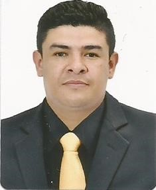
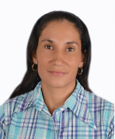
Meet the team

Behind every institutional achievement is a passionate team that, with its knowledge and dedication, drives the growth and transformation of the University of Cundinamarca.
Olga

Olga Lucia Perilla Salamanca

HSE Coordinator
Luis Fernando Cantor

Luis Fernando Cantor

Epidemiologist
Katerine Sanchez

Vilma Katherine Sánchez

ARL Advisor
Juan Abdon Gonzalez

Juan Abdon Gonzalez

University Professional I OSH - Fusagasugá
Soranlli Rincon

Soranlli Rincon

Occupational Health Administrator - Fusagasugá
Jose Maria Rodriguez

Jose Maria Rodriguez

Occupational Health Administrator - Fusagasugá
Queen Dora

Dora Reina Mora

Occupational Health and Safety Professional - Fusagasugá
Jenny Crow

Jenny Paola Cuervo

Occupational Health and Safety Management System Manager - Facatativá
Giovanny amado

Giovanny Enrique Amado

Occupational Health Professional - Chía and Zipaquirá
Eliana Parra

Eliana Patricia Parra

Occupational Health and Safety Professional - Ubaté - El Tibar Agroenvironmental Unit
Diana Zabala

Diana Isabel Zabala

Environmental Professional - Girardot
Jenny Rodriguez

Jenny Adriana Rodriguez

Occupational Health Professional in Occupational Health - Soacha

Additional information

The Occupational Health and Safety Management System is located within the Digital Operating Model in the Strategic Macro-process of Integrated Management Systems, where all system documents can be found:


  • Correlation with quality objectives
  • Alignment with environmental objectives
  • Alignment with occupational health and safety objectives
  • System objectives
  • System scope
  • Process operation policy
  • System documents
  • Emergency plans - technical datasheets for the Fusagasugá headquarters, regional sections, extensions, and agro-environmental units
  • Hazard Identification and Risk Control Matrices for the Fusagasugá headquarters, regional sections, extensions, and agro-environmental units.

Documents

Communication Flow Matrix
See more
SWOT Analysis (Context) and Risk Matrix
See more
Stakeholder Matrix
See more
Occupational Health and Safety Indicators
See more
Master Document List
See more

SGSST

SGSST

SGSST

SGSST