News
2026-09-24
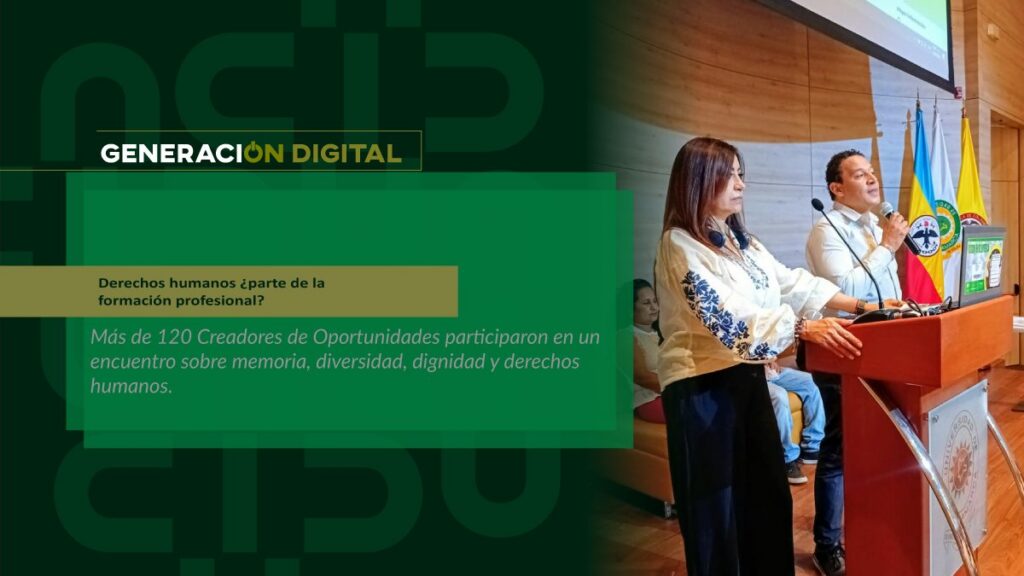
Human rights: part of professional training?
By: Alejandro García Suárez – Advisory Office of Communications



I am your virtual assistant, here to help you quickly and easily.
▲ Back to Top
By: Alejandro García Suárez – Advisory Office of Communications
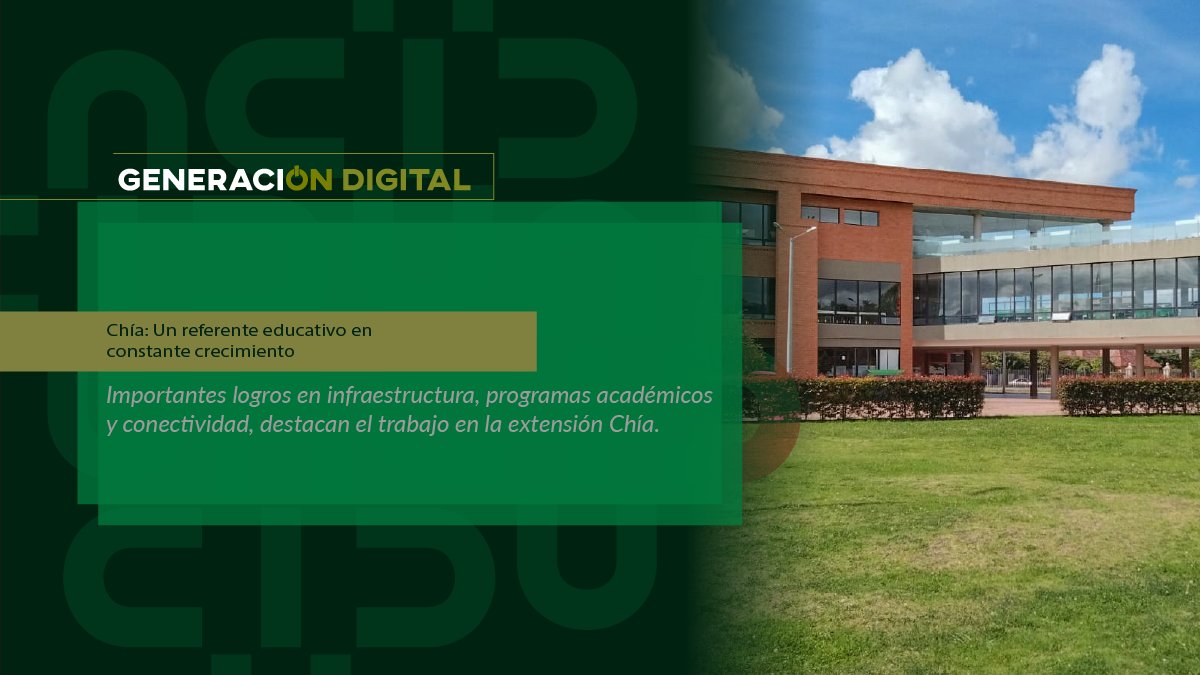
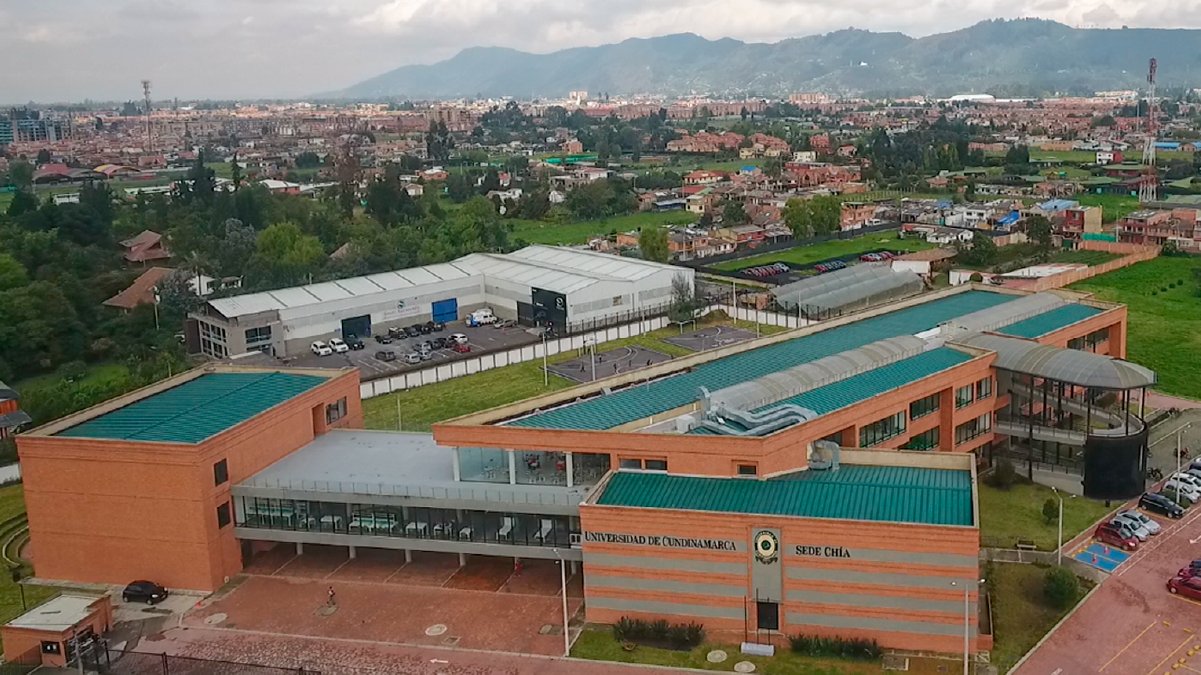
In an interview with the UCundinamarca News Agency, Dr. Carlos Augusto Trujillo Padilla, Administrative Director of the Chía Extension, highlighted the significant achievements and dynamism that have characterized the administration during 2024. With a record budget exceeding 2.5 billion pesos and an execution rate close to 921,330,000 pesos, the extension has demonstrated its commitment to educational excellence. The inauguration of the Mechatronics program adds to the existing academic offerings, allowing more than 1,700 students to access a quality education in areas fundamental to regional development.
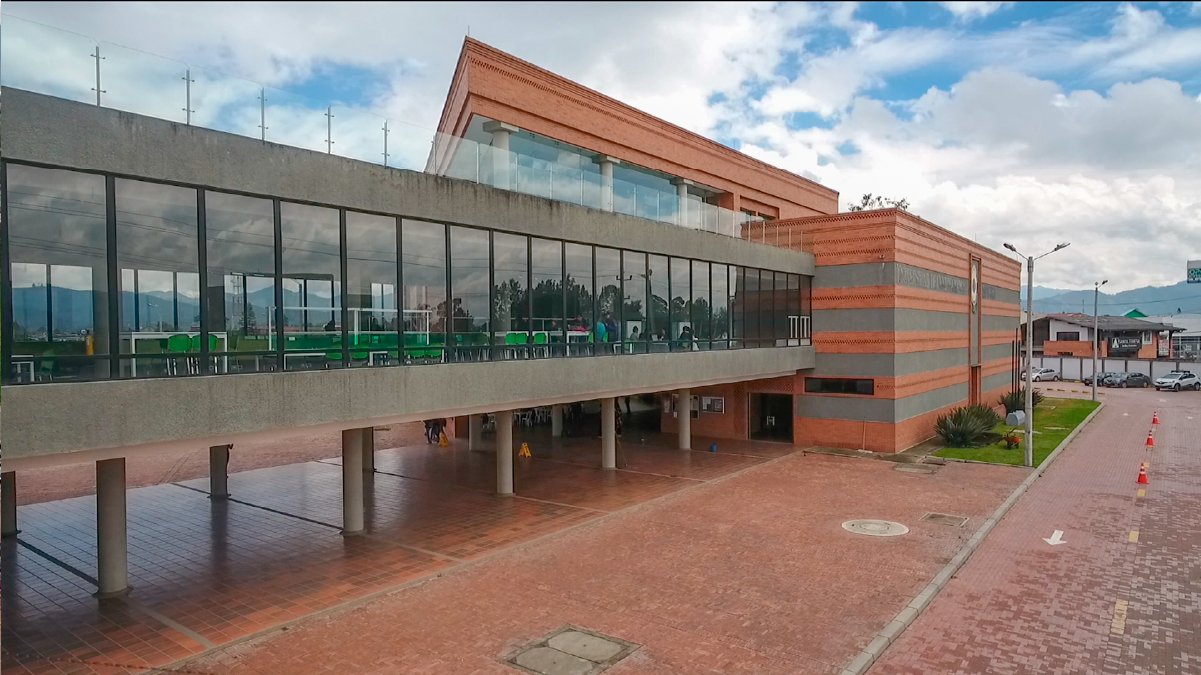
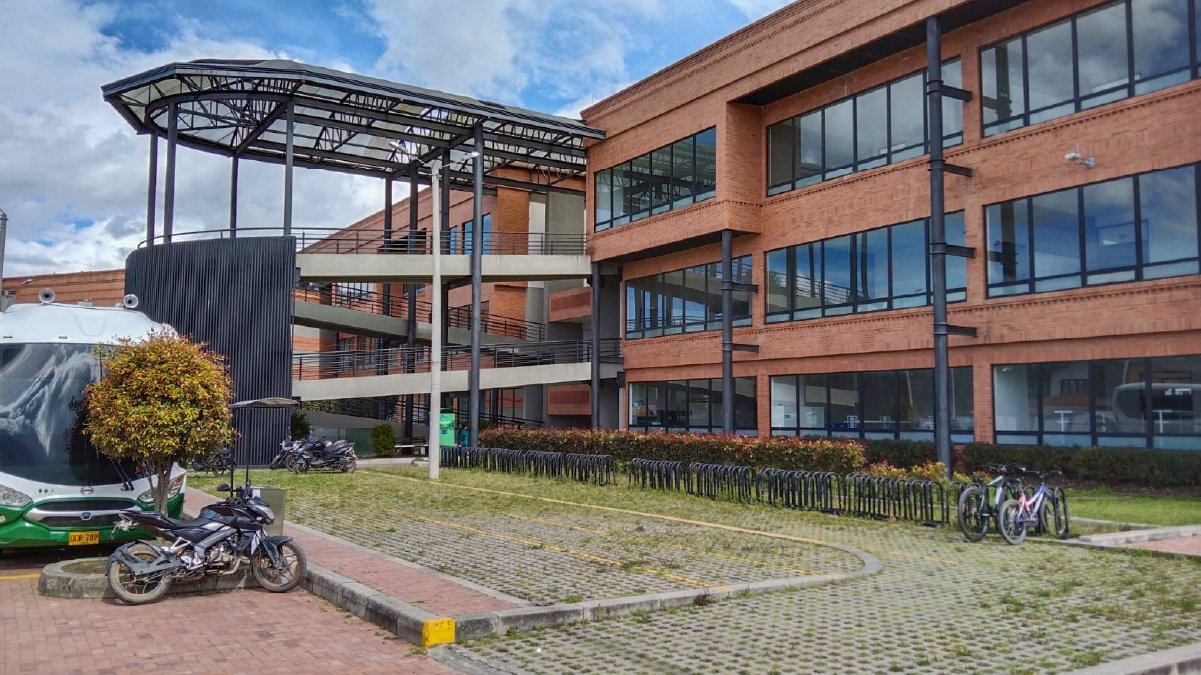
In addition to financial achievements, Trujillo Padilla highlighted the technological strengthening and infrastructure improvements, including the renovation of spaces for learning and entrepreneurship. The creation of the CAI Zones has provided collaborative environments where students and administrators can innovate and co-create. With a focus on comprehensive education and community engagement, the Chía Extension is positioning itself as a strategic partner in higher education, seeking not only to train competent professionals but also to contribute to the sustainable development of the region.
UCundinamarca News Agency (ANUC): What is the overall assessment of the management during the 2024 period?
Carlos Augusto Trujillo Padilla (CATP): This year has been very busy, and when preparing the assessment, it is essential to adopt a numerical perspective. In this regard, the Chía Extension has faced a significant challenge in executing a robust budget, marking a milestone in our history. This year, we had an effective budget exceeding 2.5 billion pesos, achieving an execution rate of approximately 92.1% of that amount. Although we encountered some minor setbacks, the efficient management of applications and invitations allowed for effective financial management within the budgetary framework.
However, the results go beyond the numbers. It is crucial to highlight the collaboration between the administrative management and the academic programs. This year, we launched a new academic offering at the Chía Extension: the Mechatronics program. With this addition, we now have five programs available to the Sabana Centro community, including Public Accounting, Business Administration, Industrial Engineering, Systems Engineering, and, of course, Mechatronics Engineering. To date, we have enrolled more than 1,700 students in these programs. We also celebrated moving graduation ceremonies, where degrees were awarded to more than 300 new professionals.
ANUC: What do you consider to be the main academic achievements obtained in 2024?
CATP: One of our most significant achievements has been obtaining accreditation for the Mechatronics Engineering program, as well as the successful performance of the Systems Engineering and Business Administration programs, which received a visit from academic peers from the Ministry of Education. Also noteworthy is the collaboration achieved through research grants, which have enabled our Knowledge and Learning Managers to develop projects in Science, Technology, and Innovation (STI), benefiting the community and addressing real-world problems in the region.
ANUC: From an administrative perspective, what significant progress or achievements were made during the year 2024?
CATP: It is essential that the community is aware of our achievements. One of the most significant has been our technological upgrade. This year, we finalized a new contract to improve our technological solutions, increasing our bandwidth from 130 Mbps to over 400 Mbps. This ensures that the entire university community has an excellent connection on campus to carry out their administrative and academic processes.
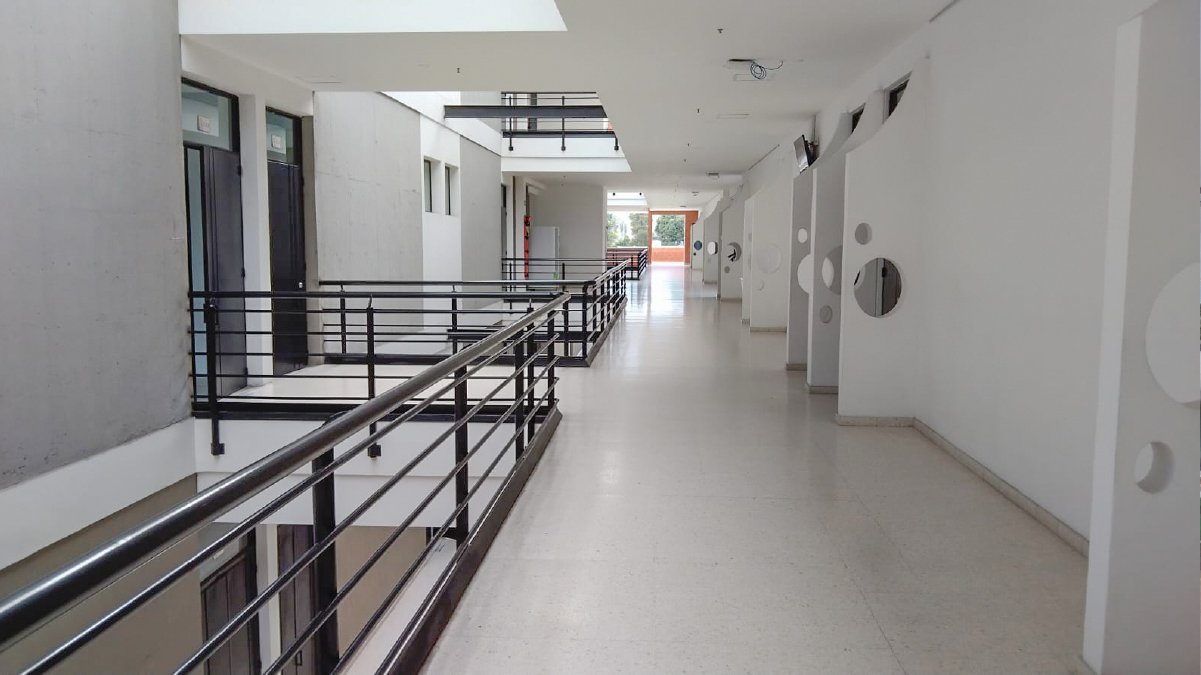
Another important milestone has been the maintenance of the infrastructure. We have made improvements to the roofs of the buildings and auditoriums, as well as to the Teacher Training School (EFAD), where specialized technology spaces have been created for knowledge managers. In addition, we inaugurated the CAI Zones (Institutional Learning Fields), which offer co-creative spaces for students and managers to develop activities based on dynamic thinking and innovation.
Promoting entrepreneurship has also been one of our priorities. We have renovated the sports and cultural facilities, taking advantage of the university weeks organized by the Faculty of Administrative, Economic, and Accounting Sciences, as well as Engineering Week, to enrich the experience of the university community. In addition, we have made improvements to the faculty lounge, creating seven new rooms for advising and monitoring students—accessible spaces that facilitate academic support.
I must also mention a crucial achievement: the strengthening of the Academic Support Unit. We have increased our laboratory equipment, making it easier for students to borrow computers and tablets. In the area of training, the Knowledge Management Center (CGCA) has been revamped, incorporating six booths for individual activities and other resources to support the dissemination of student work.
ANUC: In addition to what has been mentioned, what other relevant aspects marked this period?
CATP: There are several important aspects to highlight. In collaboration with the Communications team, we have boosted the visibility and positioning of our Extension program, creating a repository of stories that engages the entire community: students, faculty, and administrative staff. This keeps us informed about the achievements and challenges we face.
We are working towards high-quality accreditation for our Extension programs, which is essential for our Business Administration and Systems Engineering programs. This accreditation will be key to meeting the challenges we face by 2025. Furthermore, we have established agreements with the municipalities of nearby towns, allowing us to offer continuing education activities, workshops, and training that benefit the communities.
Our presence and participation in the municipalities of Sabana Centro is constant, striving to be the best ally of public universities and local administrations, especially in a year with significant challenges. Finally, in our student profile, we observed that the 30% group comes from Chía, the 20% group from Cajicá, and the 27% group from Bogotá, with the remaining students coming from surrounding municipalities, highlighting our influence in the region.
Listen to our Podcast:
News
News
News
News