Fusagasugá Branch
2026-09-24
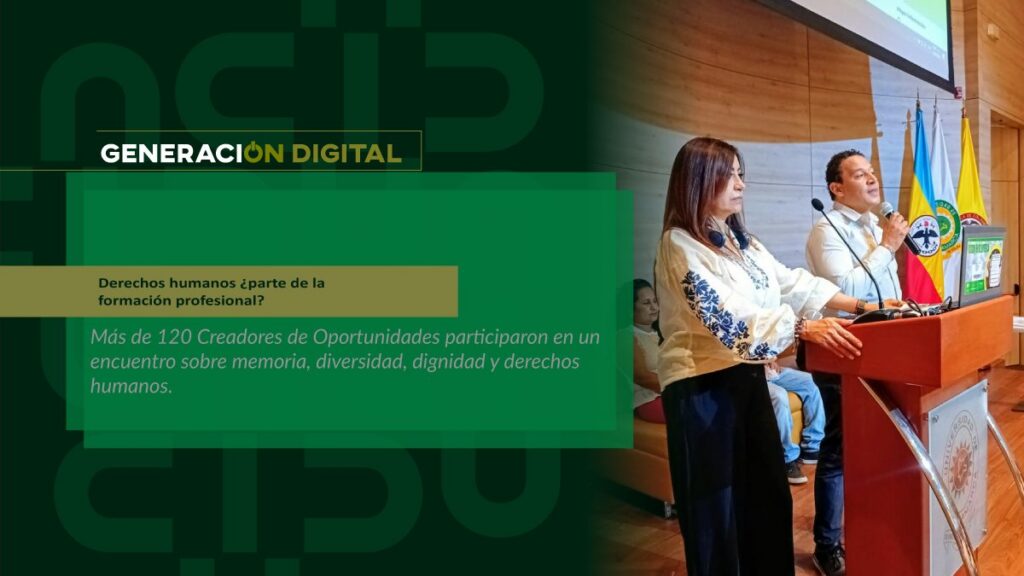
Human rights: part of professional training?
By: Alejandro García Suárez – Advisory Office of Communications


I am your virtual assistant, here to help you quickly and easily.
▲ Back to Top
By: Alejandro García Suárez – Advisory Office of Communications
Within the framework of cooperation and academic exchange activities, the Faculty of Agricultural Sciences and the Animal Science Program at the Fusagasugá campus received, from September 14 to 18, 13 students of Agronomic Engineering specializing in Animal Science from the Autonomous University of Chapingo, Mexico.
During the visit, the students toured different academic and productive settings in the region, where they participated in practical experiences related to animal production, species identification, food processing, and knowledge exchange with Knowledge and Learning Managers and Opportunity Creators.
The initiative arose from a request for collaboration presented by the teacher Luis Antonio Saavedra Jiménez, from the Autonomous University of Chapingo, and had the organization and support of the Knowledge and Learning Managers of the Zootechnics Program, Fusagasugá headquarters, Karen Montoya Andrade and Guillermo Caicedo.
From the Animal Science program, an agenda was designed focusing on practical learning, the recognition of animal production systems, and the strengthening of academic ties between both institutions.
Direct learning with different species
According to Karen Montoya Andrade, one of the most significant experiences was the visitors' approach to different species and production systems. Among the activities, a day of contact with bees stood out, which aroused special interest among the Mexican students, who stated that they had not previously had a direct experience with this species.
Guillermo Caicedo explained that the students participated in a hands-on workshop on the anatomical and ultrasound examination of cattle, accompanied by information on the characteristics and advantages of different breeds of zootechnical interest. “This experience generated great interest among the visitors, who emphasized the importance of learning, in a practical way, about the productive and reproductive characteristics of cattle breeds,” he noted.
The agenda also included a dairy product transformation practice, led by Luis Miguel Acosta, Knowledge and Learning Manager of the Animal Science Program. During this session, the students made condensed milk and farmer's cheese, strengthening their knowledge about the processing and use of raw materials of animal origin.
Luis Miguel highlighted that this type of meeting allows for the comparison of experiences, the sharing of knowledge, and the enrichment of learning processes through international academic cooperation.
Knowledge that transcends borders
Luis Antonio Saavedra Jiménez, professor of Agronomic Engineering and specialist in Animal Science at the Autonomous University of Chapingo, highlighted the similarities between the training processes of both institutions, especially in matters related to biosecurity and the transformation of livestock products.
For Gustavo Cruz Valeriano, a student at the Mexican institution, the visit represented an enriching experience that allowed him to strengthen and complement the knowledge acquired during his professional training.
The tour concluded with a discussion between students from the Autonomous University of Chapingo and the Animal Science Program at the Fusagasugá campus. This space allowed for the sharing of experiences, knowledge, and perspectives on academic training and professional practice in the agricultural sector of Colombia and Mexico.
Beyond the practical exercises, this experience strengthened internationalization processes, academic cooperation, and knowledge transfer. It also allowed students to gain exposure to real-world scenarios involving food production, research, processing, and animal welfare.
In this way, UCundinamarca continues to promote educational experiences that connect knowledge with the territory and that, from the Transmodern Digital Educational Model, MEDIT, contribute to the training of professionals capable of learning, transforming and generating opportunities for the development of the agricultural sector.
News
News
News
News