Chía Extension
2026-06-17
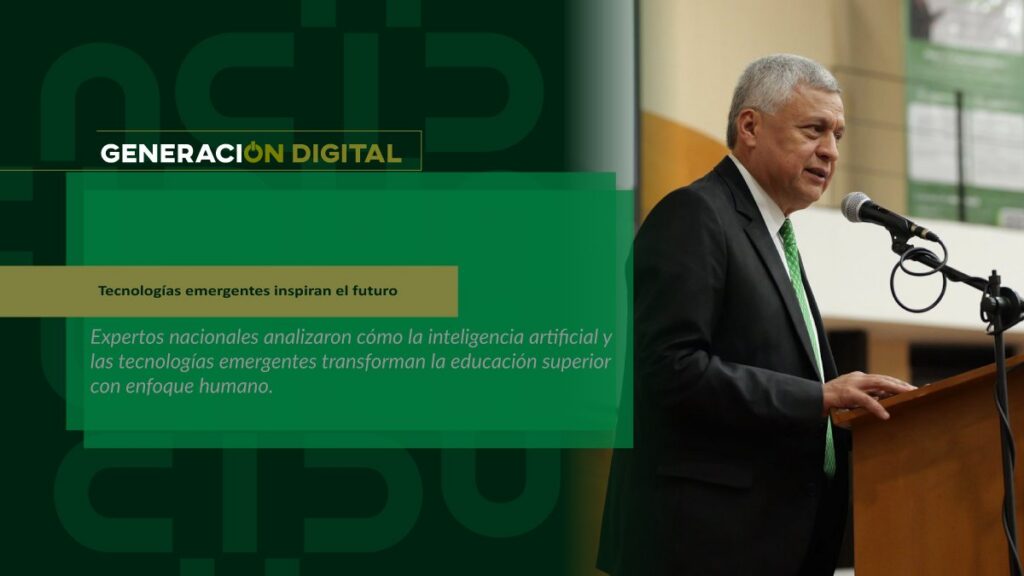
Emerging technologies inspire the future
National experts analyzed how artificial intelligence and emerging technologies are transforming higher education with a human focus.



I am your virtual assistant, here to help you quickly and easily.
▲ Back to Top
By: Alejandro García Suárez – Advisory Office of Communications
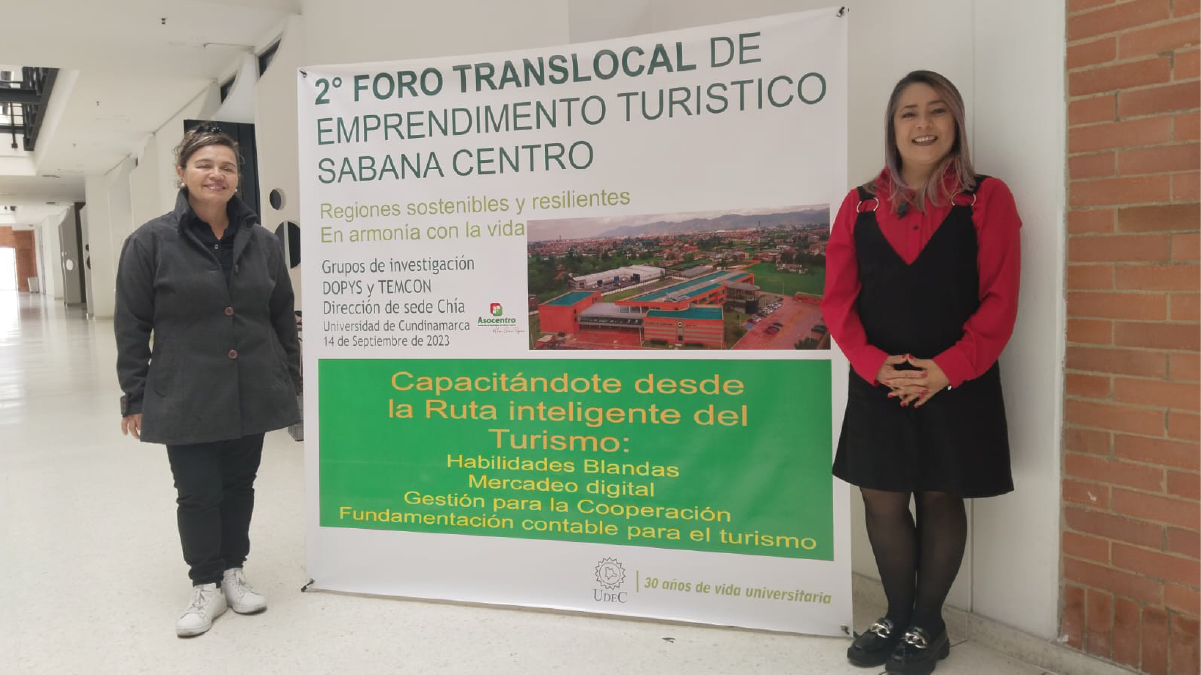
Through the Business Administration program in Chía, the Institution is promoting important research to strengthen rural tourism entrepreneurship in the region. Since 2022, we have led study and support processes that seek to transform local tourism management.
Currently, two projects stand out: “Capacity Building for Management Based on Tourism Vocation in Sabana Centro and Sumapaz” (2024) and “Bases for the Construction of a Regional Plan to Promote Rural Tourism Entrepreneurship” (2025). These initiatives have made it possible to identify the needs and opportunities of more than 128 tourism operators in both provinces.
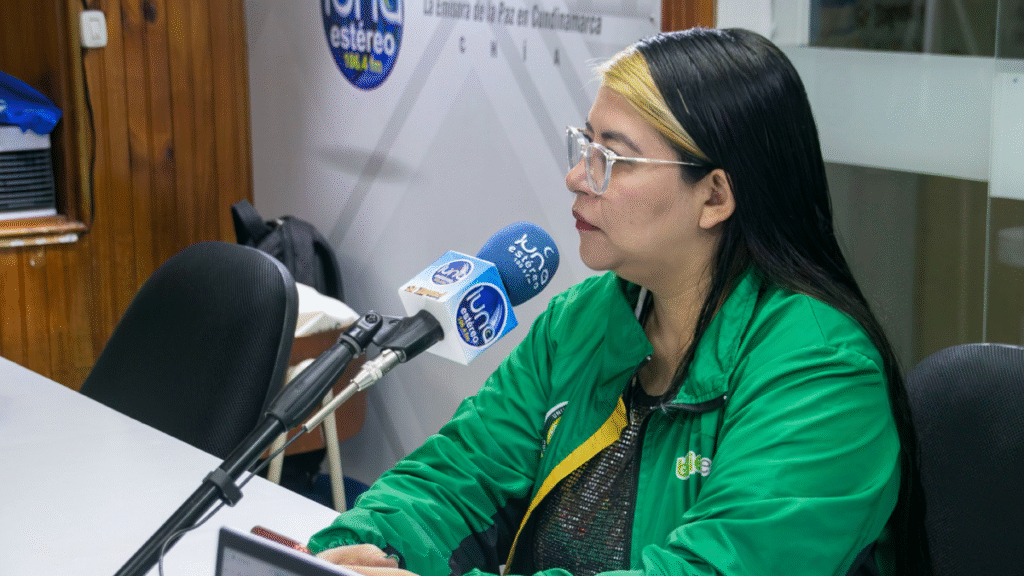
Luz Deicy Flórez Espinal, Knowledge and Learning Manager, noted that challenges still persist, such as resistance to using technologies for tourism marketing and the low formulation of projects to access promotional resources. In addition, she highlighted the importance of improving the managerial and technological skills of entrepreneurs.
An important finding was the disconnection between tour operators and the accounting management of their businesses, affecting decision-making and access to strategic alliances. This gap limits the growth and sustainability of local tourism ventures.
In response, the Virtual Classroom “Smart Tourism Route” was designed, where more than 150 SMEs were invited to a training process. Of these, 20 successfully completed the accompaniment, strengthening their management and innovation capabilities.
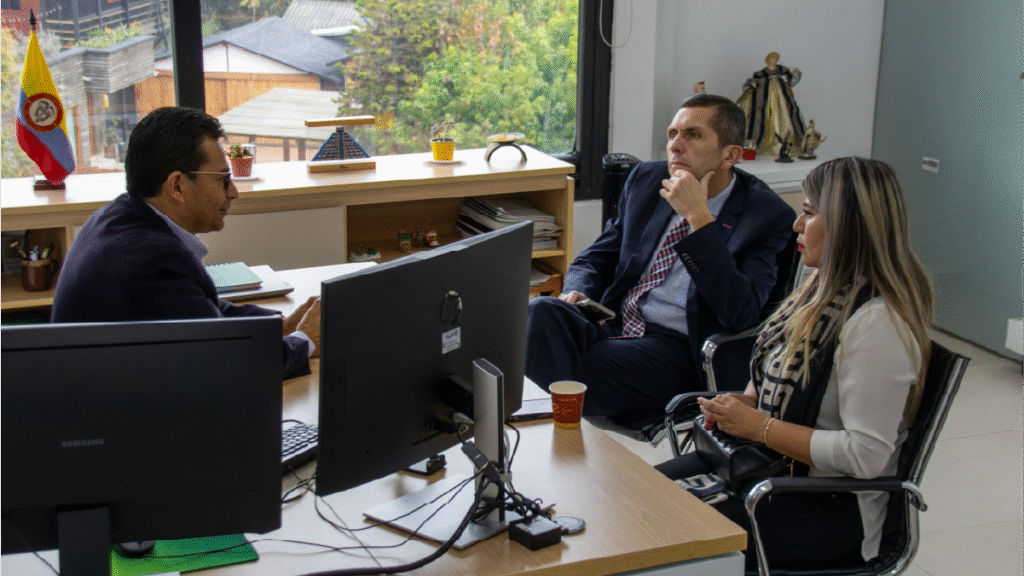
Jairo Melo Castellón, Tourism Coordinator in Silvania, and Adriana Quevedo, professional from the Secretariat of Economic Development and Tourism of Zipaquirá, highlighted the positive impact of these mentorings in their municipalities, emphasizing the support of UCundinamarca in strengthening the tourism value chain.
Luis Alexander Ayala Martínez, a Business Administration student in Chía and a member of the GORIN research incubator, shared how student participation has enriched the projects through the integration of Artificial Intelligence tools and tourism service studies in municipalities such as Cota, Cundinamarca.
The University is also advancing a technical assistance program that will expand the scope of these actions to new rural entrepreneurs in collaboration with local mayor's offices, starting in Zipaquirá during May and June of 2025.
The results of these investigations have been published in six articles in national and international journals, demonstrating the academic and practical impact of the initiative in strengthening rural tourism in Cundinamarca.
With these efforts, the University of Cundinamarca reaffirms its commitment to applied research, social innovation, and the sustainable development of the country's rural regions.
Listen to our Podcast:
News
News
News
News