Ubaté Sectional
2026-07-28
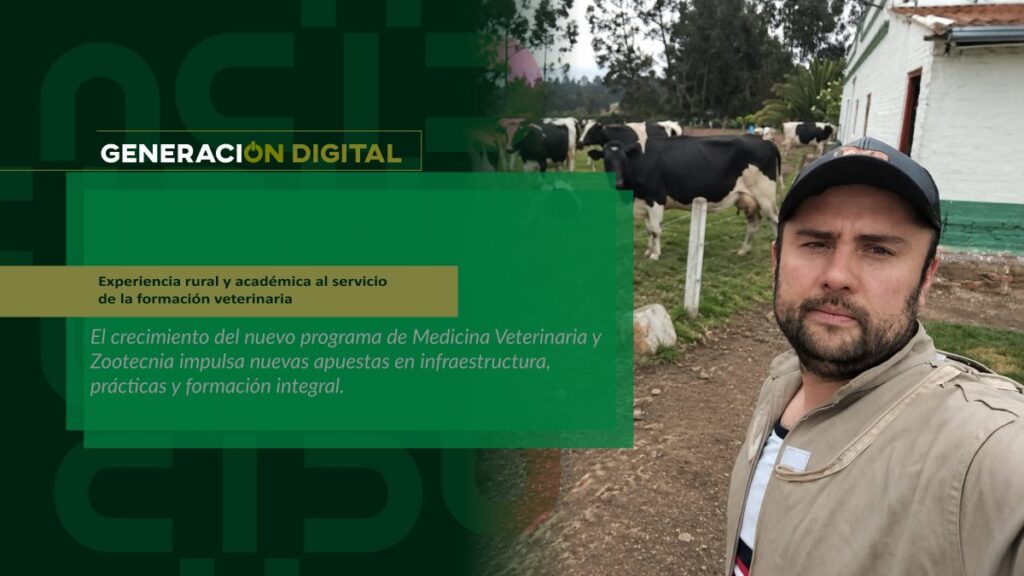
Rural and academic experience at the service of veterinary training
The growth of the new Veterinary Medicine and Animal Science program drives new investments in infrastructure, practices, and comprehensive training.


I am your virtual assistant, here to help you quickly and easily.
▲ Back to Top
By: Carolina Rojas – Advisory Office of Communications
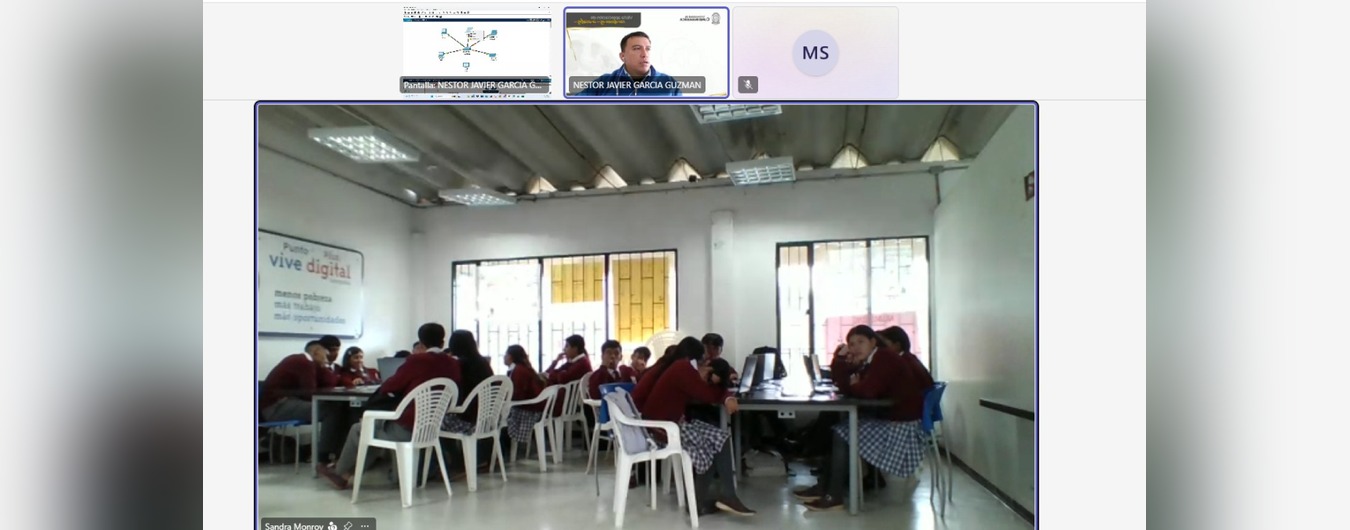
Digital transformation in the classrooms of the Ubaté province is already a reality. Through the Transmodern Digital Community project, the University of Cundinamarca, via the Systems and Computer Engineering program at the Ubaté branch, has been leading educational innovation processes aimed at closing the technological gap in educational institutions in the region.
The initiative was born as a response to the infrastructure limitations and lack of access to innovative pedagogical resources faced by many rural educational communities. Furthermore, it emerges as an evolution of the spaces for dialogue and joint work that academia has built with the region to address real needs through education and technology.
The project is strengthened under the Transmodern Digital Educational Model (MEDIT), an institutional commitment that understands education as a collaborative, human, and transformative process. From this perspective, Creators of Opportunities and Managers of Knowledge and Learning become active agents of social change, bringing technological tools and applied knowledge to communities.
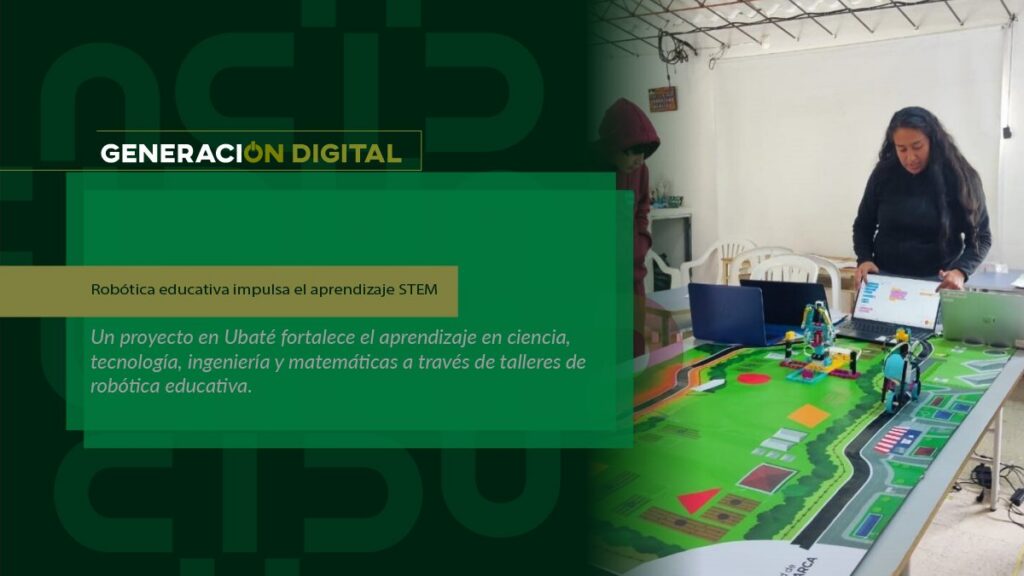
Among the main strategies implemented, educational robotics workshops with a STEM approach, artificial intelligence, programming, and data analytics stand out, developed through the Learning Field Methodology (LFM), which enables practical and meaningful experiences for students and teachers.
One of the most prominent components has been the Cisco ITN (Introduction to Networks) course, where participants strengthen technical skills through Packet Tracer labs, facing real-world technological troubleshooting scenarios.
The results of the project already show positive impacts that go beyond the classroom. In addition to strengthening digital and technological competencies, the initiative has promoted soft skills such as critical thinking, genuine communication, and collaborative work. Likewise, progress is being made on the creation of a digital booklet that will make it possible to systematize and replicate these experiences in other educational communities.
However, the process has also faced significant challenges. Connectivity and infrastructure difficulties in rural areas, along with resistance to change in some teaching models, have been part of the journey. In response, the project has adapted its content through hybrid modalities and self-managed resources, ensuring accessible and relevant technological education for each context.
Beyond technical training, the project establishes itself as a bridge between the University of Cundinamarca and the educational communities of the region, strengthening mutual trust and demonstrating that higher education gains meaning when it transforms the realities of its region.
Moving forward, the commitment is to continue expanding the impact of this network of transmodern digital communities. Among the projections is positioning the "Vive la U con TIC" event as a regional benchmark for educational innovation and expanding the offering of certified continuing education for students and teachers throughout the province.
News
News
News
News