News
2026-09-24
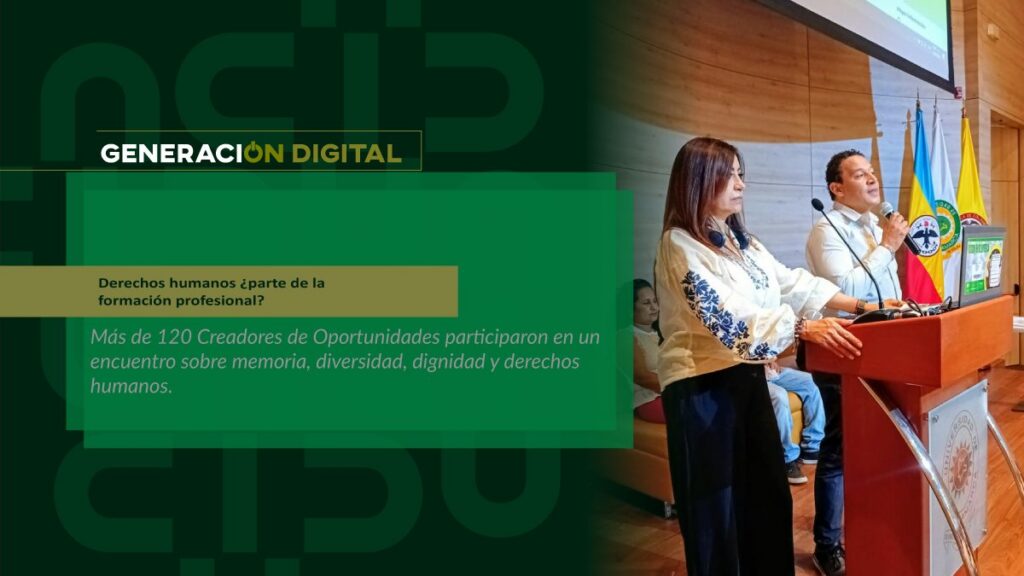
Human rights: part of professional training?
By: Alejandro García Suárez – Advisory Office of Communications



I am your virtual assistant, here to help you quickly and easily.
▲ Back to Top
By: Carolina Rojas – Communications Advisory Office
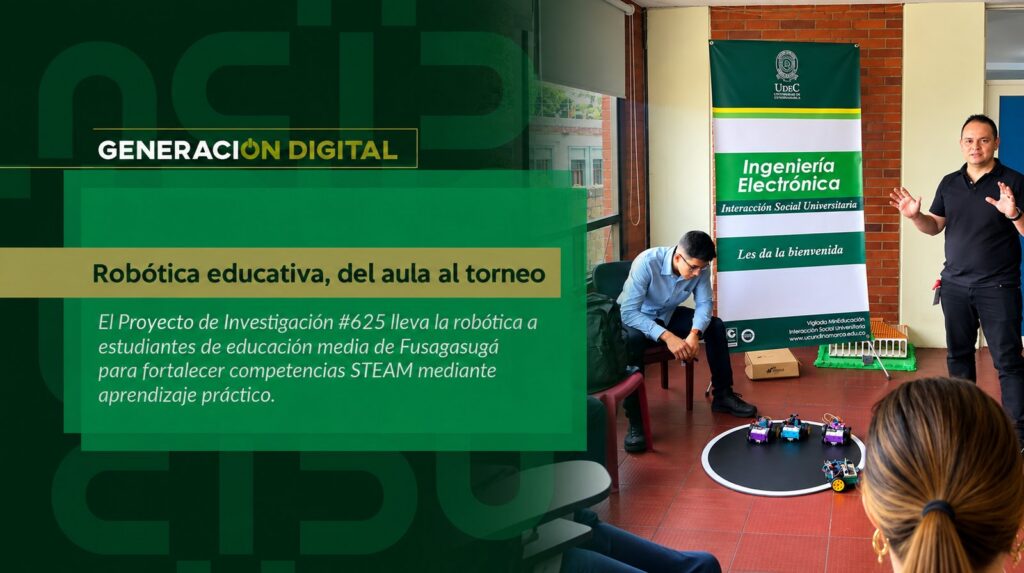
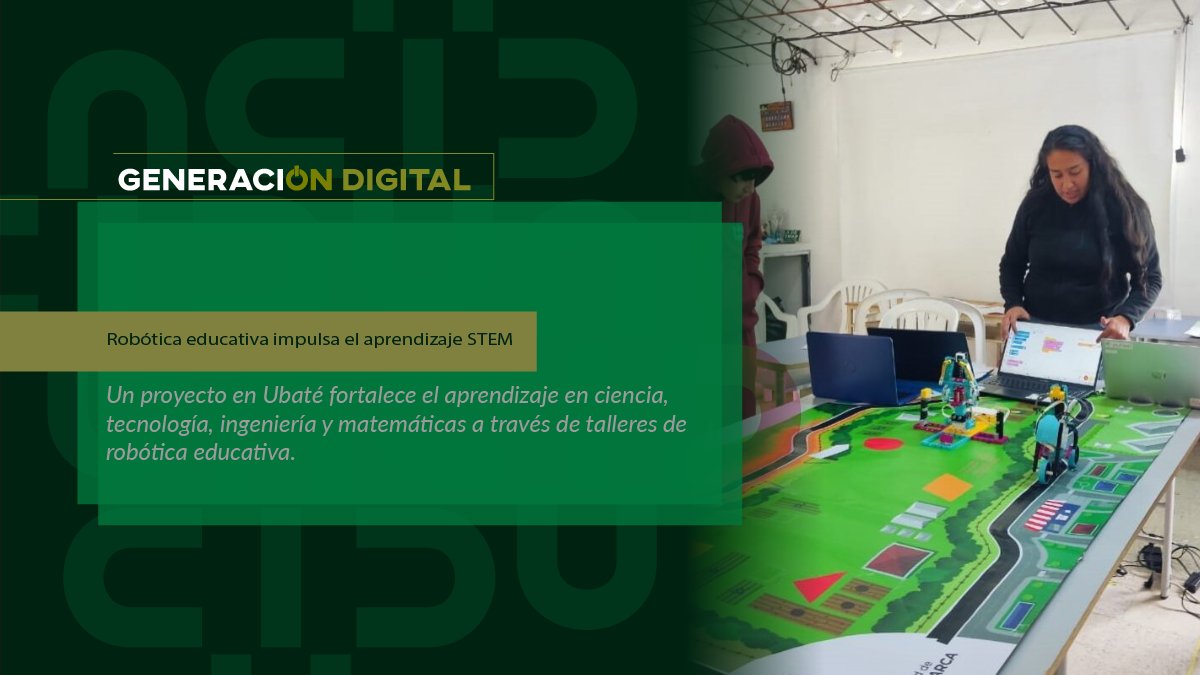
In the province of Ubaté, the project “Educational Robotics: an experience in knowledge management” is progressing, developed by students of the 5th and 6th semester of the Systems and Computing Engineering program of the University of Cundinamarca, Ubaté branch, linked to the CREINNG Research Seedbed.
The participating students are Karen Dayana Ortiz Murcia, Laura Valencia de Armas, Óscar Julián Duque García, Eiddy Estefanía Páez Rincón, Luis Estiben Dávila Niño, and William David Suárez Briceño. The initiative is led by Knowledge and Learning Manager and researcher Mónica Lorena Torres Forigua, with the support of managers and co-investigators María Fernanda Neita Salamanca, from the Systems and Computer Engineering program, and Aldemar González Rodríguez, from the Animal Science program.
The project originated from the results of a diagnostic test administered to 350 high school and first-semester university students in the province of Ubaté. This study revealed a low perception of the use of educational robotics and a weak connection between STEM fields (Science, Technology, Engineering, and Mathematics).
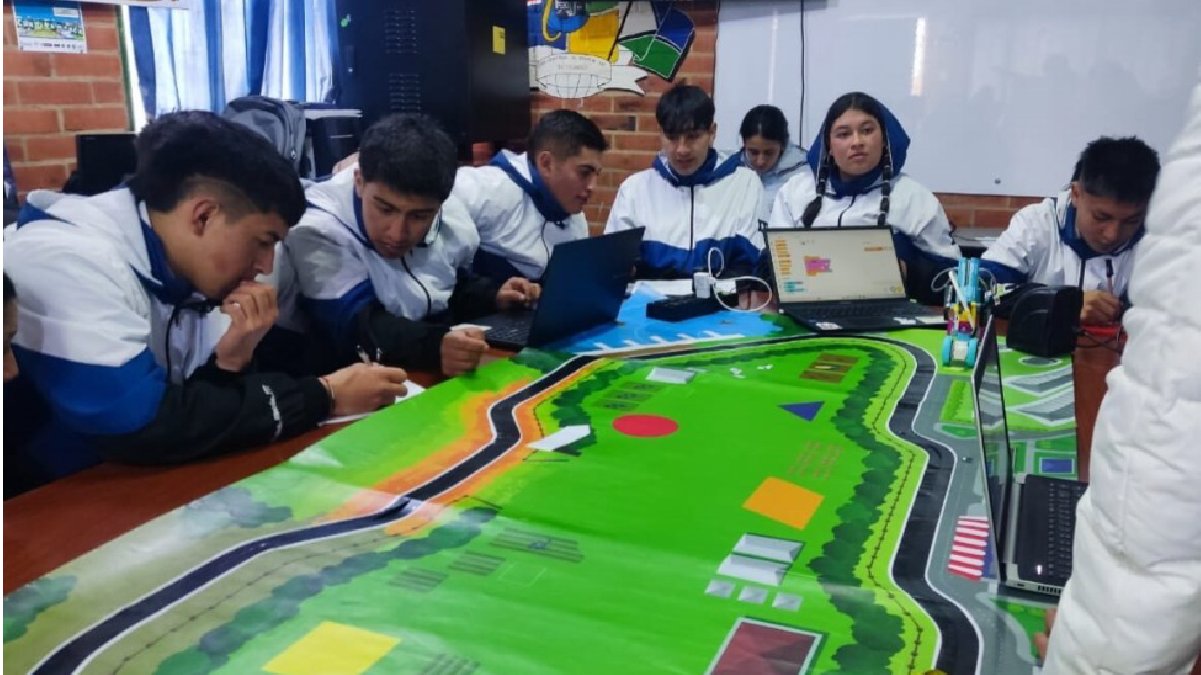
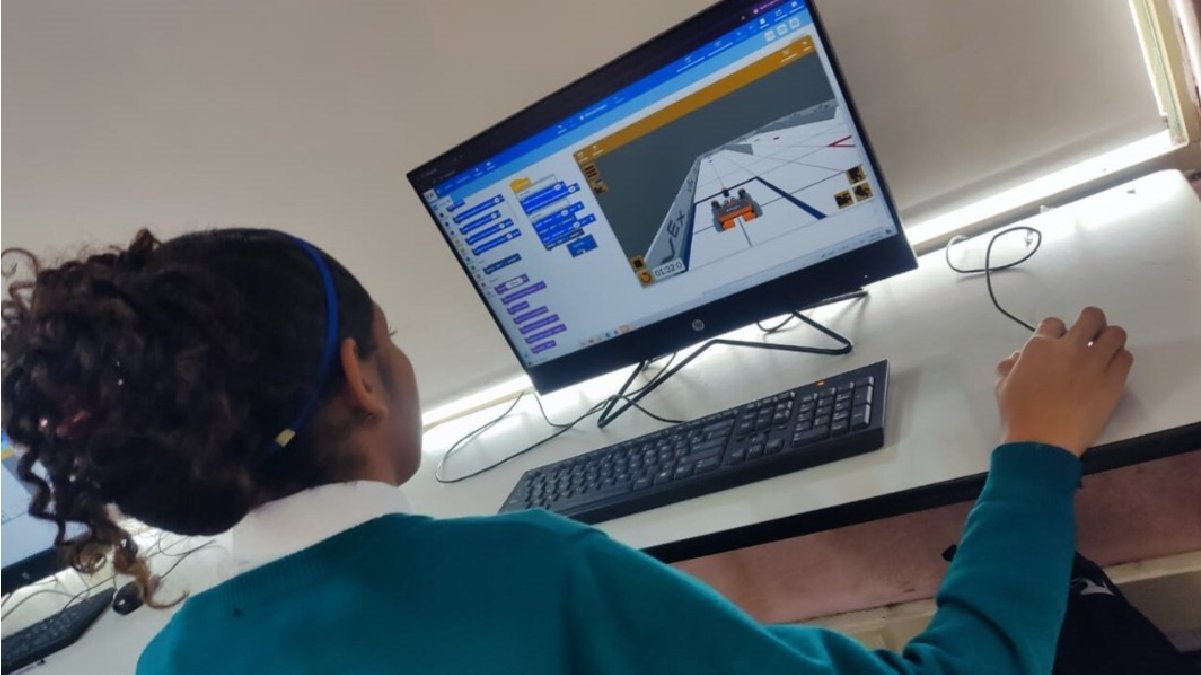
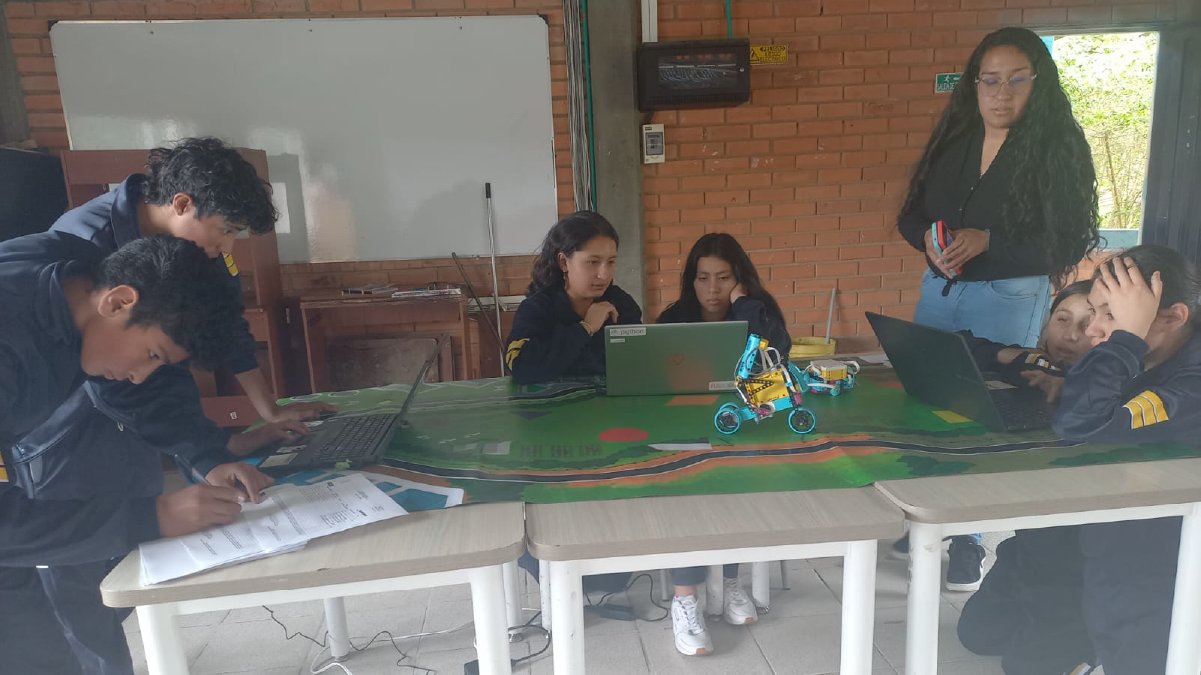
The proposal aims to strengthen STEM learning through educational robotics, using technological resources such as LEGO Spike Prime, Arduino, and VEXcode. These tools are integrated into hands-on workshops that foster critical thinking, collaborative work, and problem-solving.
Currently, the project is in the workshop implementation phase at ten rural and urban educational institutions in the province, benefiting ninth, tenth, and eleventh grade students, as well as first-year university students. Furthermore, the impact extends to Knowledge and Learning Managers and university administrators by promoting curriculum integration processes.
The innovative nature of this initiative lies in its integration of STEM methodologies with educational robotics in rural and urban contexts, where access to these types of experiences is not usually available. The project is based on the Transmodern Digital Educational Model (MEDIT), which promotes a flexible, critical, and creative education, centered on the student and mediated by digital technologies.
In this way, the proposal combines pedagogical mediation, technological experimentation, active teaching, educational innovation and knowledge transfer, configuring a formative process that overcomes the barriers of the traditional classroom and projects an inclusive and transformative education in the region.
News
News
News
News