News
2026-09-24
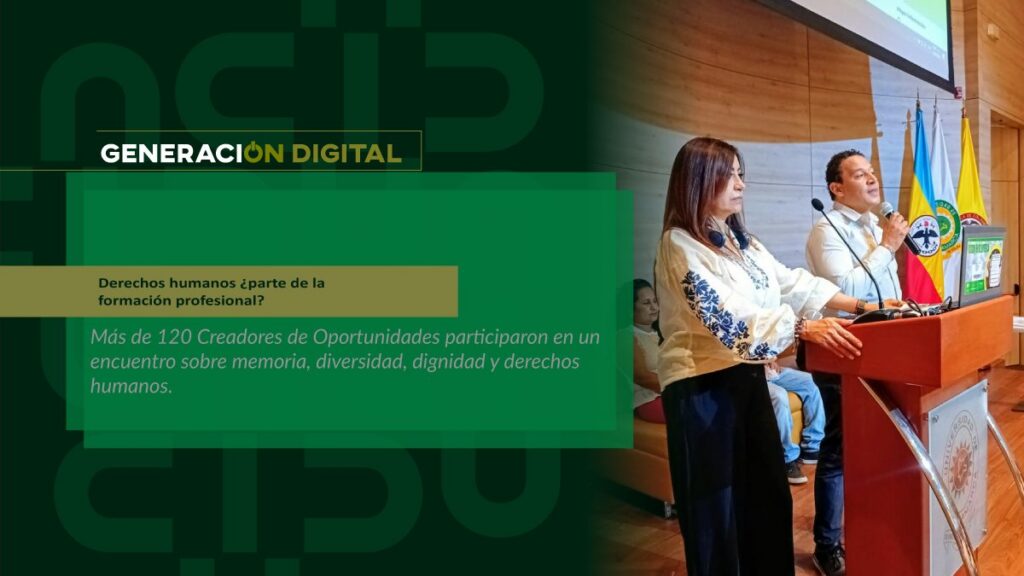
Human rights: part of professional training?
By: Alejandro García Suárez – Advisory Office of Communications



I am your virtual assistant, here to help you quickly and easily.
▲ Back to Top
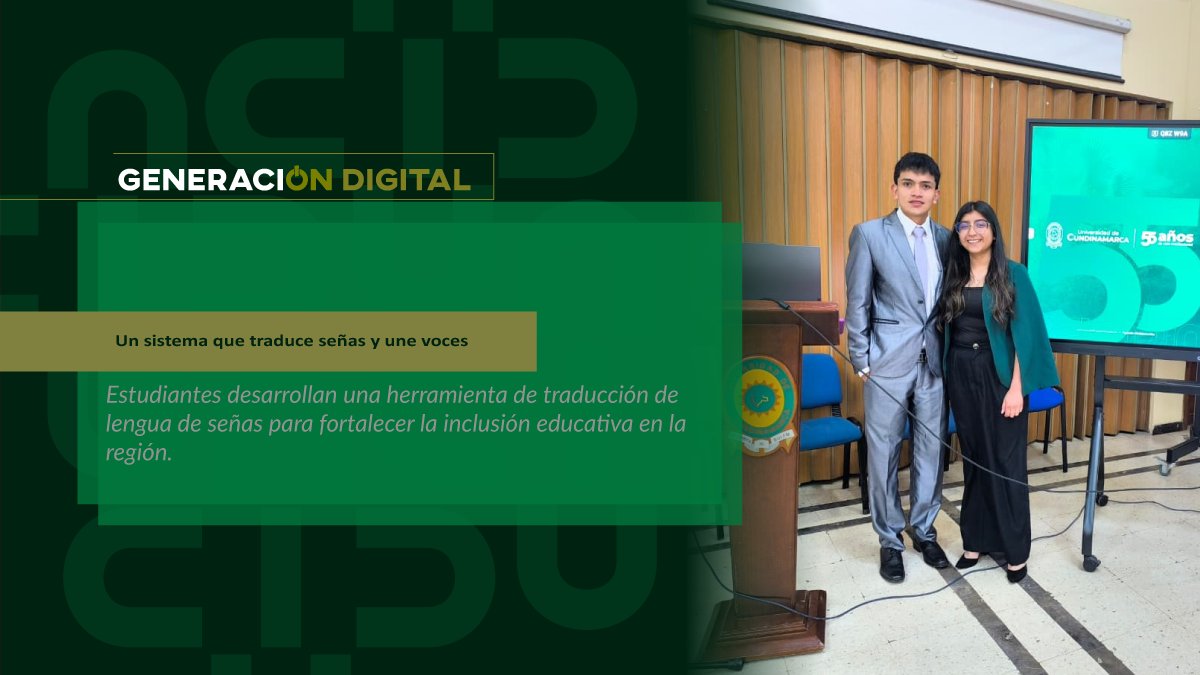
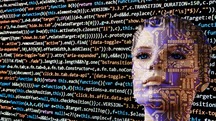
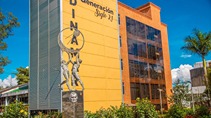
A technology project created by students in the Systems and Computer Engineering program at the Ubaté campus seeks to transform how educational institutions support the hearing-impaired population. It is called the “Sign Language Translation System as a Tool for Inclusive Education,” a proposal that integrates computer vision and artificial intelligence techniques to improve communication between deaf and hearing people.
Students Sergio David Nieto Murcia and Tania Lorena Niño Pulga explain that the initiative arose from identifying the lack of inclusive technological and social resources in institutions within the municipality. During their studies, they emphasized the importance of proposing solutions to real needs, and upon recognizing the barriers faced by the deaf community, they decided to develop a tool that promotes a more equitable, accessible, and diverse education. This thesis project is supervised by the Knowledge and Learning Manager, engineer Rafael Ortega Ortega, and is an initiative of the Faculty of Engineering.
The system consists of a web application capable of recognizing, translating, and generating sign language in real time, responding to regional or personal variations through gesture customization. Its design includes three main modules: a registration module, where users can capture and store their own gestures; a conversation module, which translates text and audio into the recorded gesture videos; and a recognition module, which interprets signs made in front of the camera and converts them into text or audio. With this structure, the application facilitates interaction between deaf students, teachers, and hearing peers.
The project is currently in its production launch phase, having completed the design, development, integration, and acceptance testing stages. The tool is already operational in a functional environment and is ready for evaluation in educational institutions, with the aim of validating its use in real-world scenarios and planning for wider adoption.
The initiative is aimed at students with hearing impairments at the primary, secondary, and higher education levels, as well as teachers, institutions, and families who require tools to strengthen communication. Its reach will allow it to support educational centers that do not have permanent interpreters, expanding opportunities for inclusion and participation in the classroom.
According to its creators, the system's innovative nature lies in its ability to adapt to local contexts, its ease of use, and the incorporation of emerging technologies with a social focus. Furthermore, it represents progress in educational equity by offering an accessible, scalable solution designed to meet the real needs of people with hearing disabilities in Ubaté and the surrounding region.
News
News
News
News