Ubaté Sectional
2026-07-28
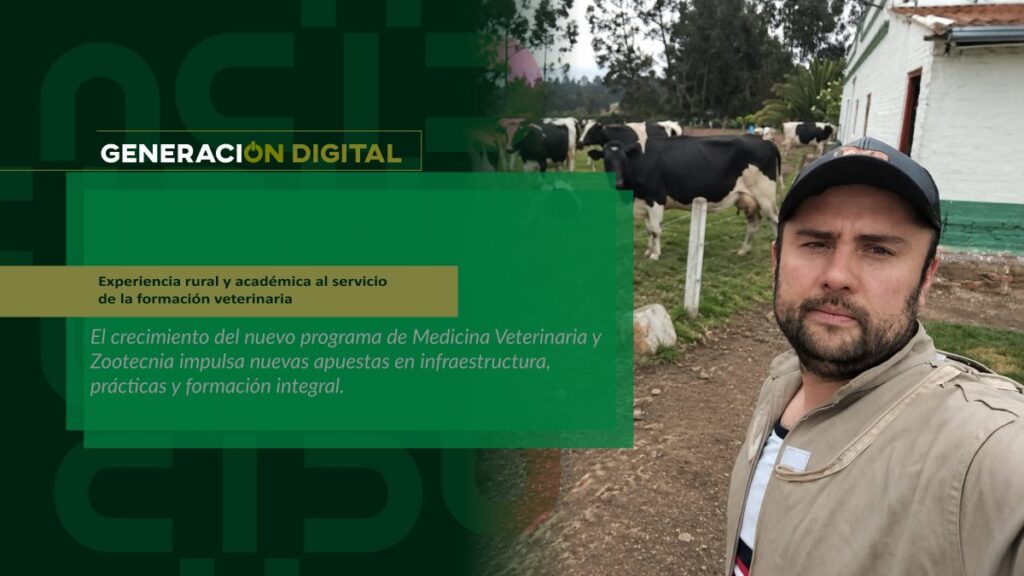
Rural and academic experience at the service of veterinary training
The growth of the new Veterinary Medicine and Animal Science program drives new investments in infrastructure, practices, and comprehensive training.



I am your virtual assistant, here to help you quickly and easily.
▲ Back to Top
By Carolina Rojas Cendales
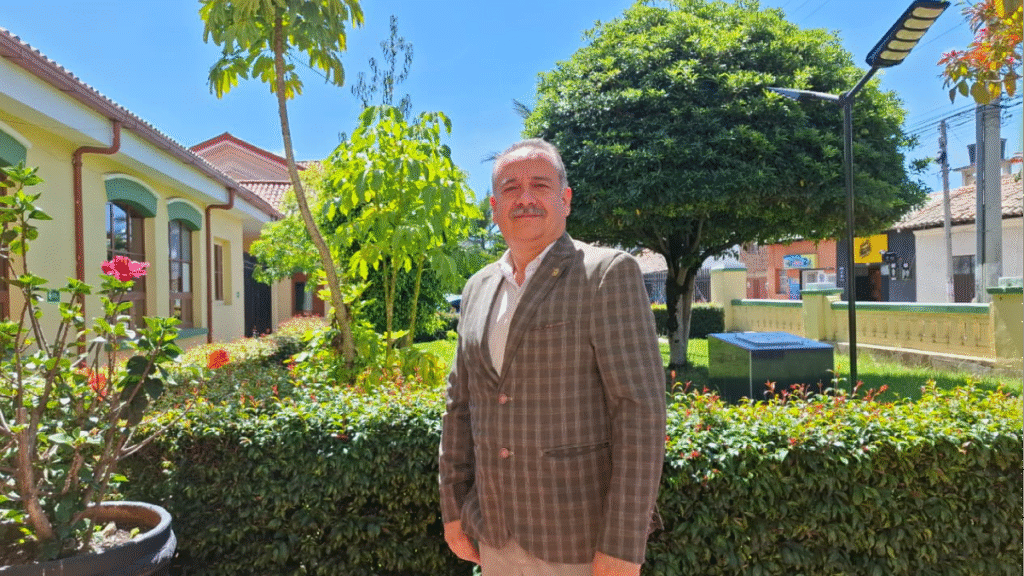
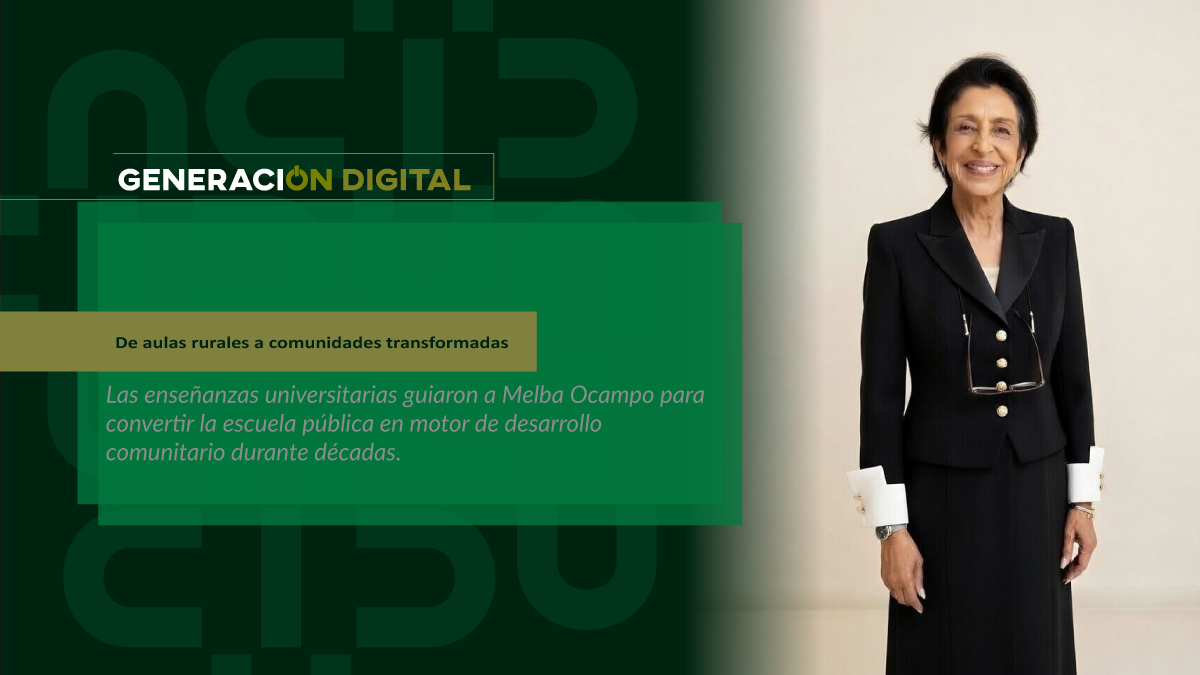
Graduated from the University of Cundinamarca, Ubaté branch, Melba Ocampo Cortés is a living example of how public higher education can transcend classrooms and transform entire communities. A 1982 graduate of a program that no longer exists—a Bachelor's Degree in Education with a specialty in Mathematics and Physics—her professional career spans 44 years as an alumna and more than four decades of teaching service in Cundinamarca, with a tangible impact on the province and, especially, in the municipality of Capellanía.
From the beginning of his career, Ocampo viewed education as a tool for social leadership. “The University shaped me as a leader, as a person capable of managing and directing, but above all it gave me the sensitivity to understand education as an engine of transformation,” he recalls. The education received in the university classrooms of Ubaté would guide every decision of his professional life.
After a brief stint at an urban school in the municipality of Fúquene, Melba Ocampo arrived in Capellanía, where she found an institution operating in precarious conditions. That reality deeply challenged her: “I wondered if those kids deserved to study in a rural house.” The concern turned into action. First as a teacher and, since 2001, as the principal of the Capellanía Commercial Technical Institute, where she led an educational project built hand in hand with the community.
The challenge was no small one. The institution then had just over 200 students, 11 teachers, and minimal infrastructure. Through management, vision, and collective work, the school grew to exceed 1,100 students, welcoming youth from different municipalities in the Ubaté province. That growth was, above all, an act of community trust: demonstrating that rural public education could offer quality equal to or greater than private education.
One of the milestones of his tenure was the implementation of quality systems. For more than seven years, the institution advanced in a process that culminated in the quality certification granted by ICONTEC, an unprecedented achievement in the province. “We understood that to talk about quality someone had to certify that it was real,” he states.
This was coupled with the coordination with the National Learning Service (SENA), which allowed students to graduate with a dual degree as high school graduates and technicians in areas such as accounting, administration, and human resources. “High school should not just be a mandatory bridge to university. Education must prepare for life,” Ocampo notes, highlighting the impact of this training on the employability and well-being of the graduates.
Today, with a life spanning over six decades and after concluding her tenure as rector, Melba Ocampo dedicates herself to community projects, her family, and continuing to promote spaces for human growth. Her vocation remains intact. To young people, she leaves a clear message: dream, ground those dreams, and educate yourselves with a human sense. “Let work not be a torture, but an emotion with daily goals.”.
The story of Melba Ocampo Cortés confirms that university teachings, when lived with social commitment, can become a legacy. A legacy that, from the University of Cundinamarca, continues to transform territories and lives.
News
News
News
News