Ubaté Sectional
2026-07-28
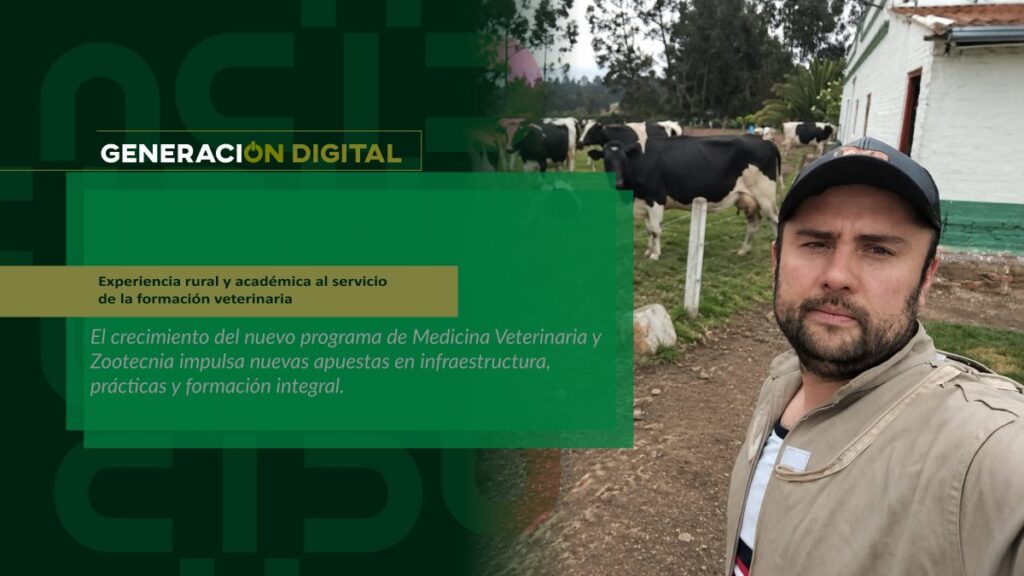
Rural and academic experience at the service of veterinary training
The growth of the new Veterinary Medicine and Animal Science program drives new investments in infrastructure, practices, and comprehensive training.


I am your virtual assistant, here to help you quickly and easily.
▲ Back to Top
By: Alejandro García Suárez – Advisory Office of Communications
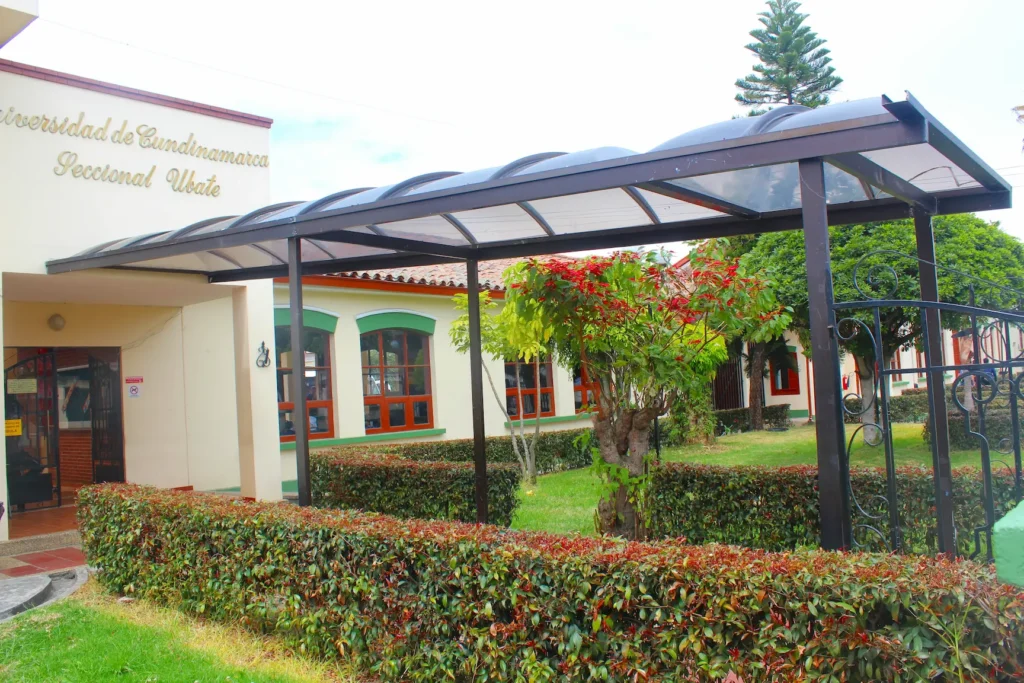
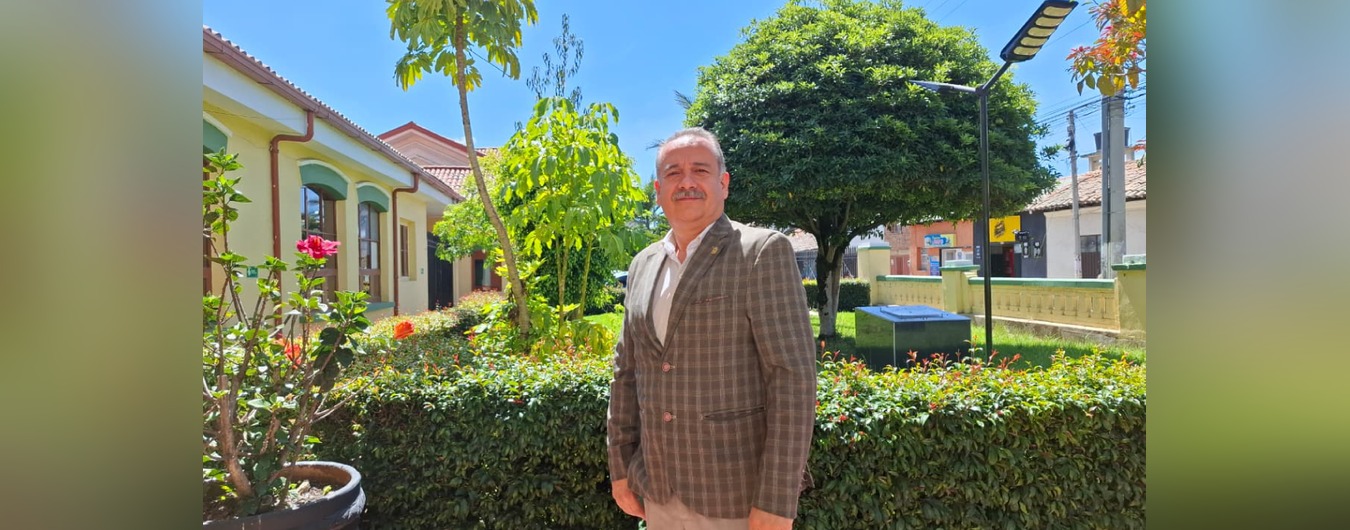
The institution continues to strengthen its presence and institutional quality in the Ubaté Valley region. In a dialogue with the UCundinamarca News Agency, Dr. Luis Guillermo Montaño Gallo, Administrative Director of the Ubaté Sectional, presented the management report for 2025, highlighted the main achievements, and shared the challenges and projections for the year 2026.
UCundinamarca News Agency (ANUC):Doctor, what is the overall balance of the administrative management in the Ubaté Sectional during 2025?
Luis Guillermo Montaño Gallo (LGMG): The balance is very positive. Throughout 2025, we developed an articulated management in academics, research, and social outreach, focused on strengthening scientific, technological, ethical, and entrepreneurial competencies. All of this took place under the principles of the Transmodern Digital Educational Model (MEDIT), promoting active learning, the use of data for decision-making, and a real connection with the regional environment.
One of the standout achievements was the organization of the Ubaté Province Mathematics Olympiad, aimed at improving the performance of 9th and 11th-grade students on the Saber tests through data-driven education practices and learning analytics, directly impacting secondary education in the region.
The Think, Lead & Start Bootcamp also stood out as a high-impact scenario that strengthened leadership, entrepreneurship, and innovation. The experience featured the participation of 92 attendees, including students, managers, and entrepreneurs, consolidating the university-business bond and positioning the Business Administration program within the regional entrepreneurial ecosystem.
Another milestone was the UCundinamarca 9.0 University Week, which was consolidated as an academic, cultural, and innovation space. With an agenda aligned with MEDIT, conferences, forums, and workshops on entrepreneurship, sustainability, technology, and critical thinking were held, achieving an approximate participation of 1,699 attendees.
Likewise, the Accounting Thought Forum strengthened critical reflection on accounting as a science, integrating national and international perspectives and addressing the impact of technology and artificial intelligence on the profession, with 124 participants in a virtual modality.
ANUC:What other relevant achievements marked the year in the academic and administrative fields?
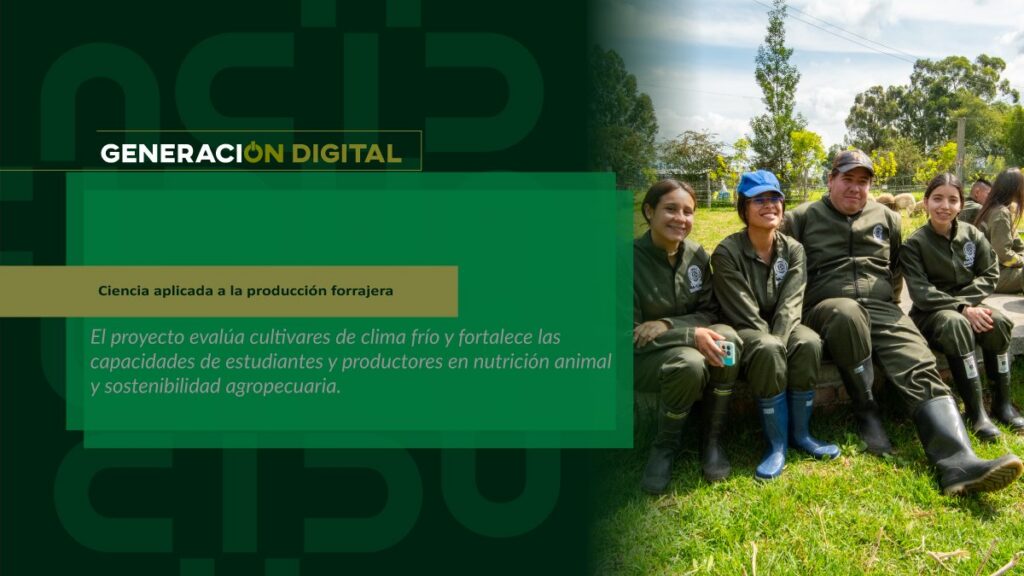
LGMG At the El Tíbar Agro-Environmental Unit, the Animal Science program is leading a high-impact project to evaluate the adaptation and nutritional quality of 15 forage crops in a cold climate, bridging academia and the productive sector, and strengthening applied research with the active participation of students.
We also made progress in technological innovation with a prototype that uses ultraviolet light to disinfect raw milk starting from milking, reducing the microbial load without affecting its properties. This development is key for the country's main dairy basin.
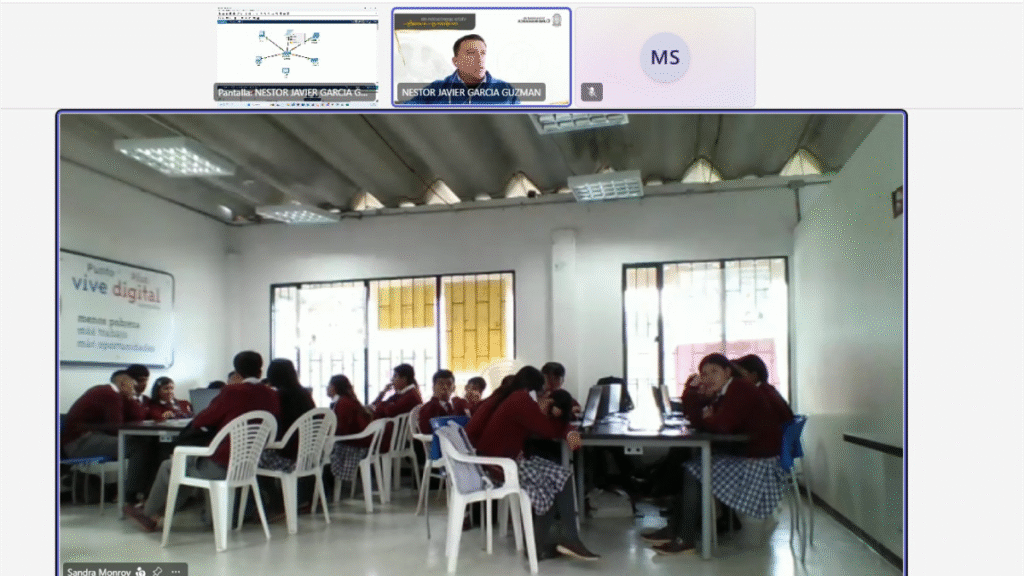
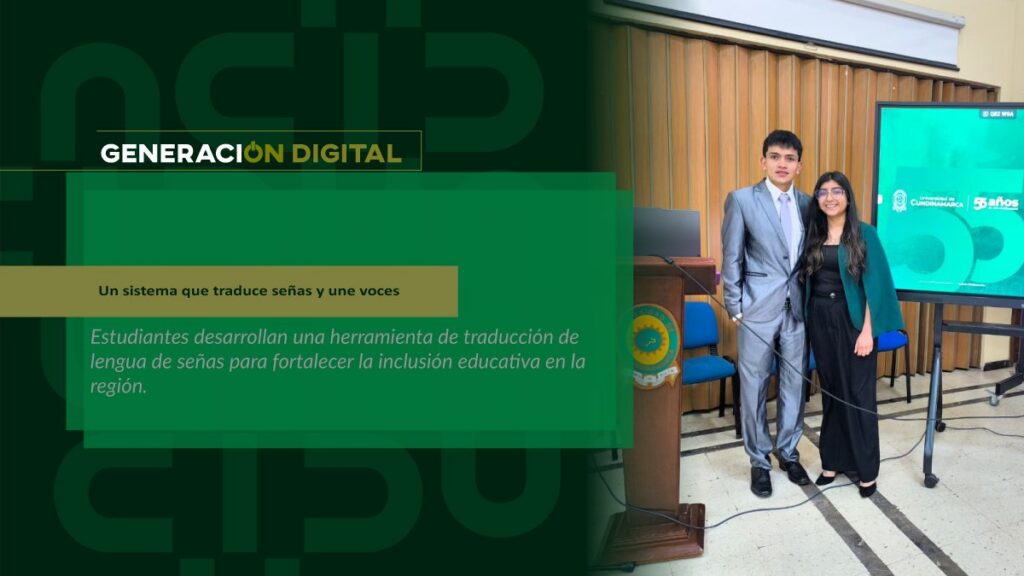
In the technological field, Systems Engineering students are developing a digital connectivity network for MSME innovation, linked to an international Colombia–Mexico macroproject that seeks to improve business productivity through digital platforms.
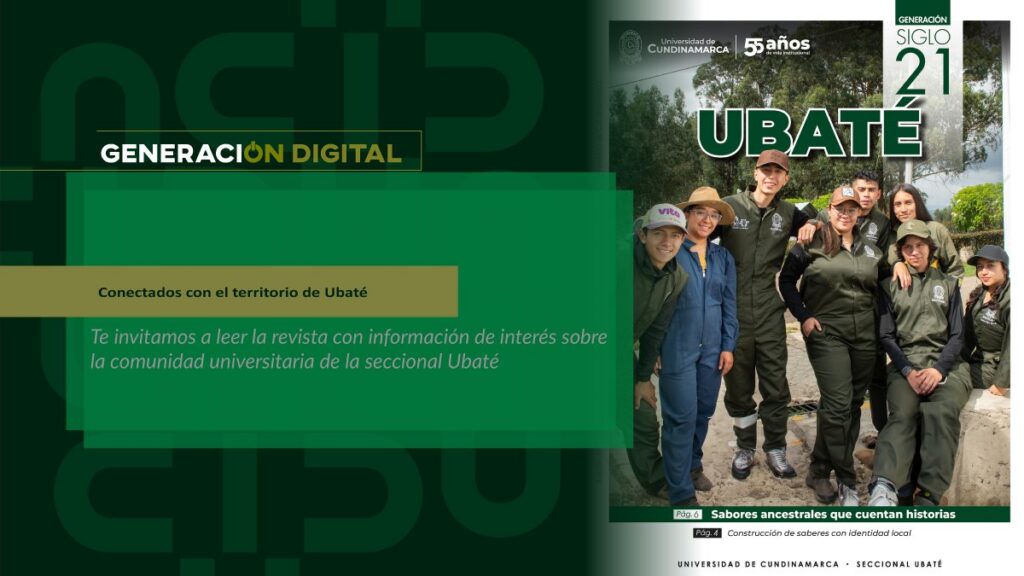
A relevant cultural achievement was the publication of the book “Chronicles of Ancestral Gastronomy of the Province of Ubaté,” which rescues traditional culinary knowledge. The work records 50 copies sold and 70 downloads in countries such as Colombia, Brazil, the United States, Bolivia, and Singapore, demonstrating its international reach.
ANUC:Thinking about 2026, what administrative strategies are projected?
LGMG The strategies will focus on well-being, retention, and sustainability. We will strengthen environmental culture with university gardens, tree planting, composting, recycling, and sustainable mobility, in addition to social outreach actions with surrounding educational institutions.
Prior to closure, the Ubaté Branch projects for 2026 an administration focused on strengthening academic and administrative quality, with an emphasis on curriculum updating, the progressive modernization of technological spaces, and the integration of emerging technologies into academic programs, especially in Public Accounting. Likewise, certified training for Knowledge and Learning Managers, the improvement of faculty workspaces, and the reinforcement of academic monitoring will be promoted as strategies to guarantee educational excellence and respond to the demands of the regional environment and the labor market.
Through these actions, the Ubaté Sectional reaffirms its commitment to quality educational management centered on the territory, sustainability, and innovation. The 2025 assessment and projections for 2026 reflect an institution that advances coherently with the principles of the Transmodern Digital Educational Model (MEDIT), consolidating itself as a fundamental actor in the formation of critical citizens, creators of opportunities, and professionals capable of transforming their regional environment and contributing to the social, economic, and environmental development of the country.
News
News
News
News