Ubaté Sectional
2026-07-28
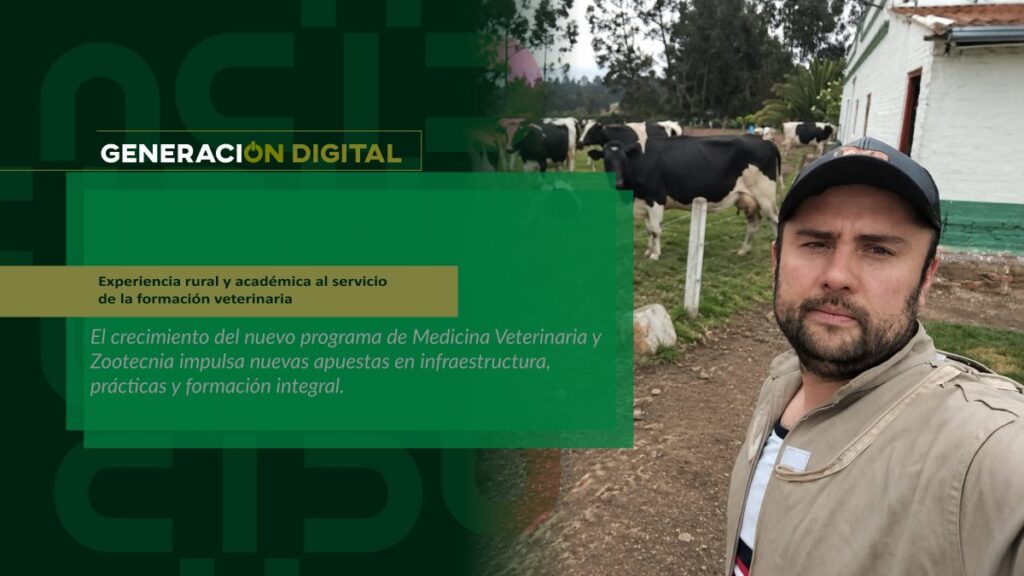
Rural and academic experience at the service of veterinary training
The growth of the new Veterinary Medicine and Animal Science program drives new investments in infrastructure, practices, and comprehensive training.


I am your virtual assistant, here to help you quickly and easily.
▲ Back to Top
By Carolina Rojas Cendales – Communications Advisory Office
Cundinamarca University is making progress in strengthening the dairy sector of the Ubaté Province with the project “Social Innovation and Translocal Strategies for Strengthening Organizational and Technological Capacities in Ubaté Dairy Production,” approved in the 8th UCundinamarca 21st Century Internal Call.
The initiative arose after three years of fieldwork by the ADCUN and GIZU research groups with producer associations in municipalities such as Carmen de Carupa, Fúquene, Susa, Cucunubá, and Ubaté. The diagnosis showed low adoption of sustainable technologies and organizational weaknesses that affect the efficiency and competitiveness of small and medium-sized producers.
In view of this scenario, the project set out to diagnose existing capacities, promote training and co-creation processes with local stakeholders, and design social innovation and translocality strategies that respond to the real needs of the sector.
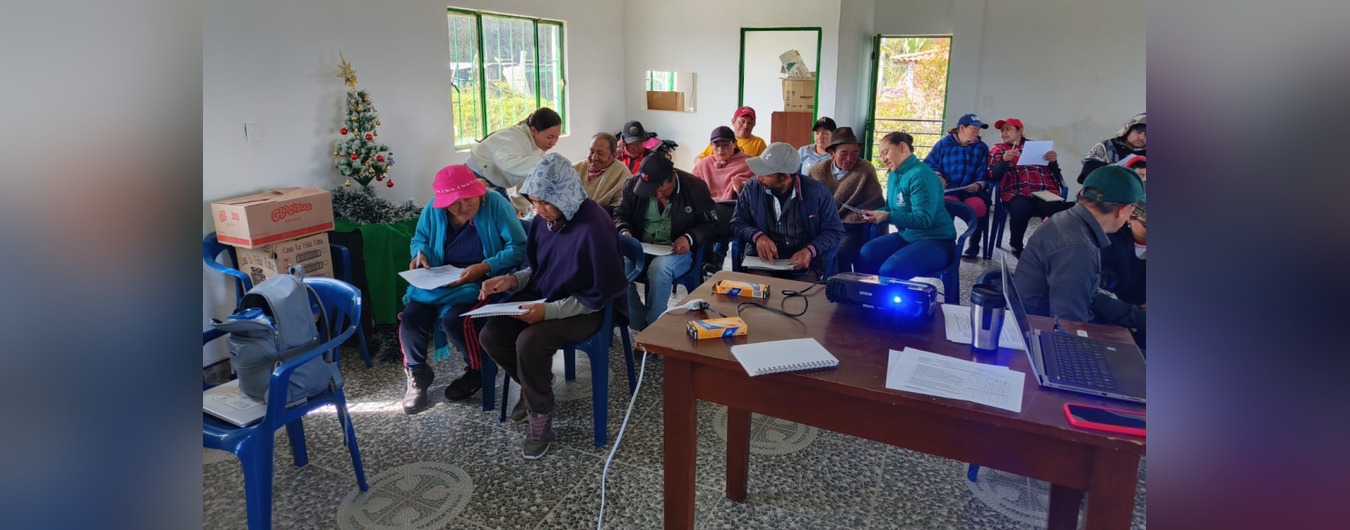
The University-territory relationship was strengthened through the application of the Learning Field Methodology (MCA), integrating planning, technological interaction, participation, and collaborative work with producers, municipal governments such as that of Guachetá, and the ASOPROGANUCOTT collection center, located in Susa. Through in-person and virtual workshops, comprehensive diagnoses, identification of common problems, and the joint formulation of strategies were developed.
Among the impacts, the strengthening of organizational and technological capacities, the adoption of more efficient and inclusive productive practices, and the promotion of data use for decision-making stand out through spaces such as the workshop “Improving income from data in the livestock enterprise.” Likewise, strategies related to lactation control, forage management, reproductive control, cost management, and paddock identification were co-created.
The project is led by Knowledge and Learning Managers Sandra Milena Melo Perdomo and Andrés Fernando Pava Vargas, from the ADCUN group (Faculty of Administrative, Economic, and Accounting Sciences), and Gustavo Velásquez Ramírez, from the GIZU group (Faculty of Agricultural Sciences), all from the Ubaté regional branch.
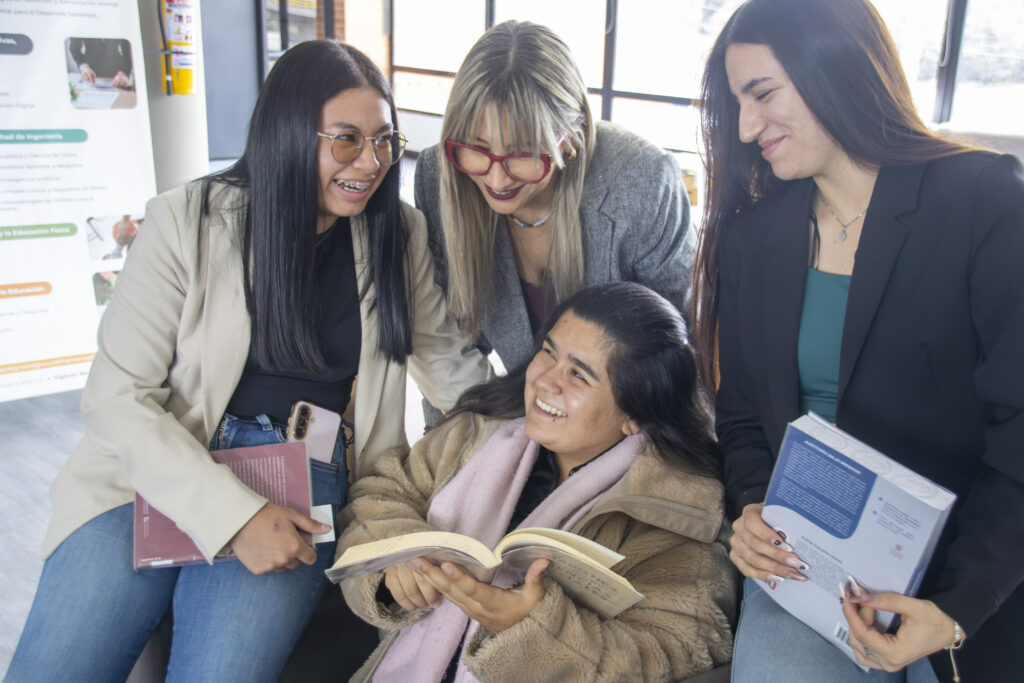
Students from the Business Administration program, affiliated with the ADCUN Estudios Research Incubator, participated in the process. Four of them completed their undergraduate thesis option as research assistants, supporting information collection and systematization, workshops, and academic production. The project resulted in two completed and defended thesis works, an approved preliminary project, and articles submitted to scientific journals.
Among the main challenges identified were the lack of comprehensive prior diagnoses, limited access to updated technical information, and the coordination of agendas with multiple local stakeholders. As a projection, it is proposed to provide institutional continuity to the process, strengthen inter-institutional networks, monitor the impact of the strategies, and coordinate actions with public policies that recognize the importance of the dairy sector in regional development.
The initiative is part of the Transmodern Digital Educational Model (MEDIT), by promoting the integration of academic and local knowledge, the social appropriation of knowledge, and the use of technologies for applied research with a social and territorial focus.
News
News
News
News