Ubaté Sectional
2026-07-28
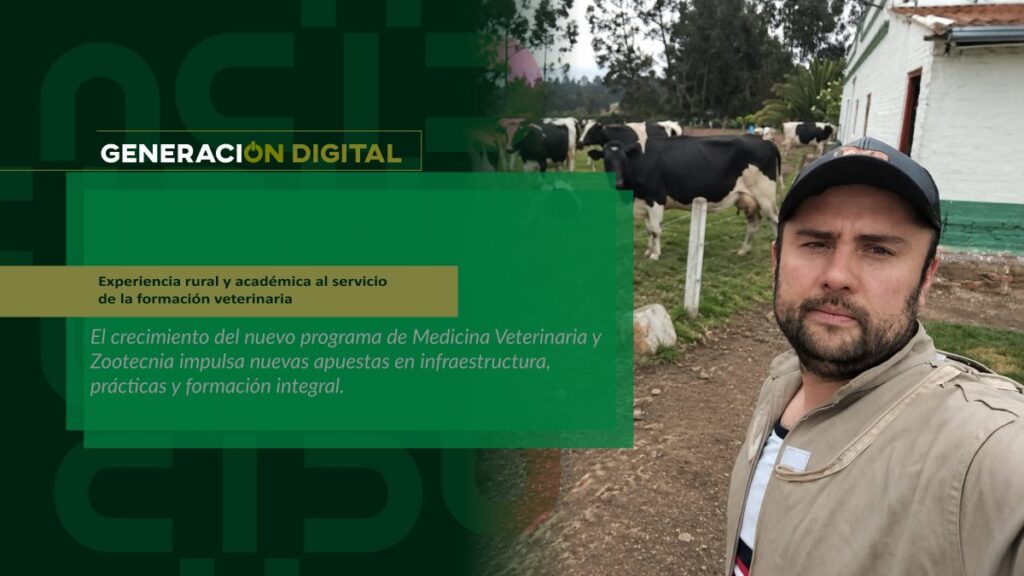
Rural and academic experience at the service of veterinary training
The growth of the new Veterinary Medicine and Animal Science program drives new investments in infrastructure, practices, and comprehensive training.


I am your virtual assistant, here to help you quickly and easily.
▲ Back to Top
By: Carolina Rojas Cendales - Advisory Office of Communications
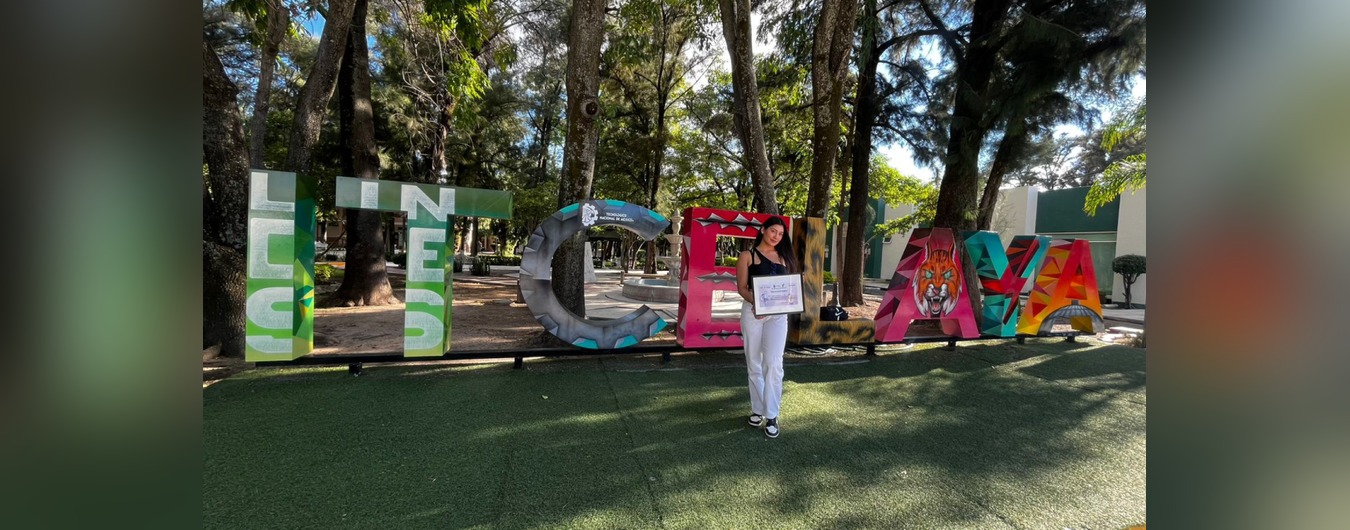
The student Laura Vanessa Santana, from the eighth semester of the Systems and Computer Engineering program at the Ubaté Sectional, represented the University of Cundinamarca in Mexico through Dialoguing with the World, where she obtained academic recognition and strengthened her international projection.
Laura decided to apply with the purpose of growing both professionally and personally. “I was looking to strengthen my soft skills, broaden my worldview, and build strategic connections that would contribute to my educational process,” she stated.
The selection process, as he explained, was clear and organized. He highlighted the university's ongoing support at every stage, which allowed the experience to unfold with confidence. Although the assignment of the destination generated anticipation, he assured that he always had institutional backing.
Representing the Ubaté branch and the University of Cundinamarca in an international scenario meant taking on a greater responsibility for her. “It is demonstrating the human and professional quality with which we are trained,” she noted. Every competition and congress became an opportunity to showcase the academic level of the university in front of other contexts.
His academic exchange took place at the Tecnological National of Mexico, Roque campus, located in Celaya. There, he took courses such as Application of Artificial Intelligence, focused on process automation.
During his stay, he joined the LEAKOVA team in the Latin American Rally, where he won first place in the innovation category. He also participated in the Industry 5.0 Congress and the Nvidia AI+ Immersion Expo.
At the Agronomy Congress, he presented the paper on the AGROSCAN project, developed alongside peers, professors, and the National Institute for Forestry, Agricultural, and Livestock Research (INIFAP). Likewise, at the ICT Conference, he won third place in innovation with this initiative.
From his perspective, the main difference between the two institutions lies in the methodology. While at the Tecnológico Nacional de México he found a more traditional and technical approach, aligned with industry, he noted that the Universidad de Cundinamarca directs its education under the Transmodern Digital Educational Model (MEDiT), with an integral component that strengthens critical thinking, social responsibility, and the transformation of the environment.
The international experience, he assured, transformed his professional vision. “I understood that there is strong global competition, but also a wide field of opportunities for those who are willing to innovate and step out of their comfort zone,” he expressed.
Among the main challenges, he mentioned adapting to a new academic and cultural environment, as well as working under pressure in high-level competitions. He overcame them by maintaining an open attitude toward learning and trusting in his training.
Finally, he recommended the program to other students. “It is an unforgettable and transformative experience. Not only does it strengthen your professional profile, but it broadens your worldview and shows that limits often only exist in our minds,” he concluded
News
News
News
News