News
2026-09-24
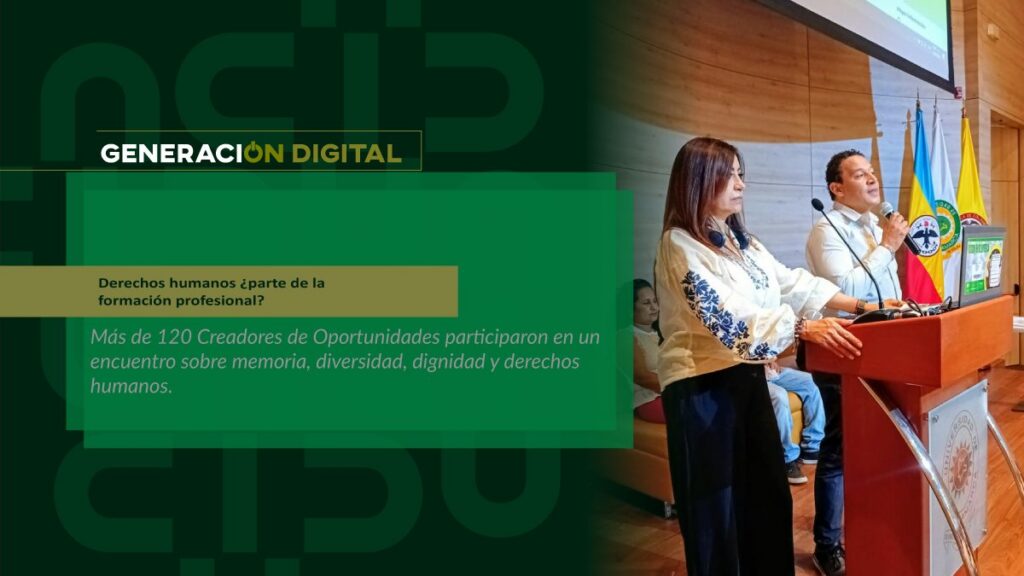
Human rights: part of professional training?
By: Alejandro García Suárez – Advisory Office of Communications


I am your virtual assistant, here to help you quickly and easily.
▲ Back to Top
By: Carolina Rojas
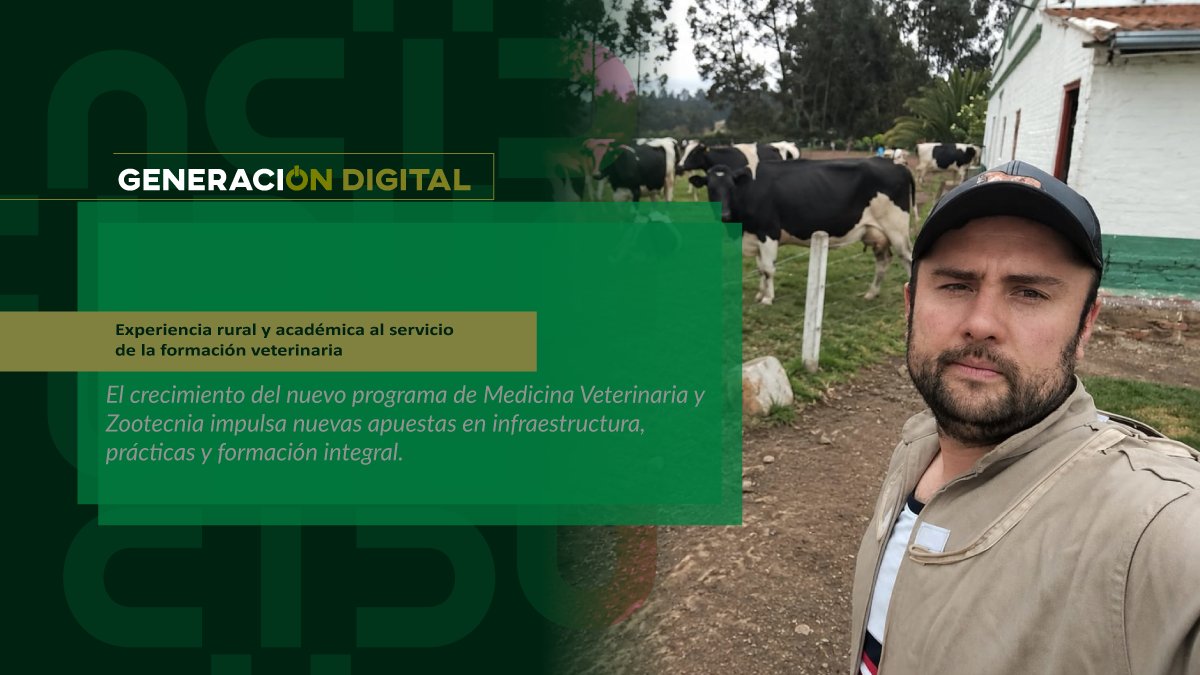
The University of Cundinamarca, Ubaté campus, is strengthening its commitment to training professionals in the agricultural sector with the arrival of Wilson Eric Vermaas Quintana as coordinator of the Veterinary Medicine and Animal Science program. His experience working with rural communities, organizations in the productive sector, and academic training processes marks the beginning of a new stage for a program that continues to grow and consolidate its position in the region.
A veterinarian specializing in animal husbandry, with expertise in Agricultural Business Management and currently pursuing a master's degree in Rural Development, Vermaas has dedicated much of his professional career to projects focused on strengthening the agricultural sector and working with associations. Since 2023, he has also worked in education, an experience he says has been one of the most rewarding aspects of his professional life.
“The most rewarding thing is seeing the students working in the sector, recognizing that they were trained with responsibility and commitment. Knowing that they are now qualified professionals is a great source of satisfaction,” he says. For him, coordinating the program represents an opportunity to contribute to the training of the next generation of professionals who will hold the future of rural Colombia in their hands. His goal is to guide students through a comprehensive academic process that allows them to understand the importance of their work in both rural and urban areas.
One of the main challenges identified by the new coordinator is strengthening the infrastructure and practical training spaces. The program's sustained growth demonstrates young people's interest in this discipline. While it began with approximately 40 students, it will welcome 81 new members next semester, after registering more than 460 applicants.
Given this situation, Vermaas plans to expand the installed capacity and continue improving learning conditions. Among the planned actions are the strengthening of laboratories, simulators, classrooms, and practice environments to offer an educational experience that meets the current needs of the profession.
Another key area of focus will be the consolidation of strategic alliances with companies and institutions in the productive sector. These alliances will expand opportunities for students to gain practical experience, strengthen their skills, and gain ongoing exposure to the dynamics of the workplace.
The program's vision also includes a close relationship with rural communities. Through extension projects and collaborative work with producers and organizations, it hopes to promote initiatives related to food security, animal welfare, strengthening production systems, and providing technical support to different sectors in the region.
“The important thing is that both students and faculty generate a social impact. We want to develop projects that benefit communities and contribute to the sustainable development of the region,” Vermaas emphasizes. For the coordinator, the growth of the agricultural sector requires professionals committed to the countryside and aware of their role in society. Therefore, he considers it essential that students understand the opportunities this field of knowledge offers and approach their training with responsibility and a commitment to service.
Finally, she sent a message to those who dream of studying Veterinary Medicine and Animal Science, as well as to those already enrolled in the program. “Believe in the field. There will always be opportunities to contribute through knowledge and work. The important thing is to train with commitment, passion for the profession, and an awareness of the responsibility involved in contributing to the well-being of animals, communities, and the development of our country.”.
With a vision focused on growth, innovation, and social commitment, Wilson Eric Vermaas Quintana begins his tenure with the challenge of consolidating an academic program that seeks to become a benchmark for the training of professionals serving the rural and agricultural development of the region.
News
News
News
News