Girardot Branch
2026-09-22
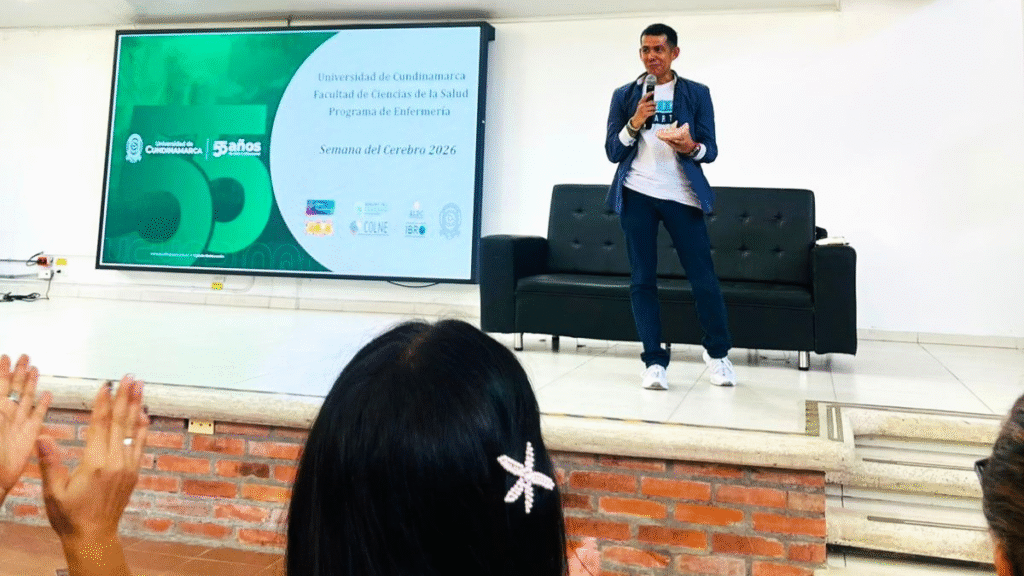
Nursing analyzed from a neuroscience perspective
The Nursing Program exchanges knowledge in the country about hypnosis, perception, body and well-being.


I am your virtual assistant, here to help you quickly and easily.
▲ Back to Top
By: Alejandro García Suárez – Advisory Office of Communications
The University of Cundinamarca continues to strengthen its presence and institutional quality in the Alto Magdalena region. In a dialogue with the UCundinamarca News Agency, Dr. Miguel Ángel Ávila Díaz, Administrative Director of the Girardot Section, presented the 2025 management report, highlighted the main achievements attained, and shared the challenges and projections that will shape the course of the section in 2026.
UCundinamarca News Agency (ANUC): Dr. Miguel Ángel, what is the overall assessment of the administrative management in the Girardot Section during the year 2025?
Miguel Ángel Ávila Díaz (MAAD): The balance is very positive. During the 2025 period, we managed to consolidate important investment and operational projects that generated significant progress for the branch campus. I highlight the improvement of climate comfort in academic spaces and, especially, the Home Automation project, an initiative that transforms university environments through intelligent automation and operational sustainability. This project, led by the Administrative Directorate in coordination with the Environmental Management System, optimizes energy use and strengthens the well-being of the university community, in consistency with the principles of the Transmodern Digital Educational Model, MEDIT.
ANUC: What other relevant achievements marked the year 2025 in the administrative and academic fields?
MAAD: In addition to technological advancements, it is important to highlight the strengthening of control and security systems, such as the smart gate access project, whose implementation is projected for 2026. In the academic sphere, the visit of peers from the Ministry of National Education to the Environmental Engineering program was a fundamental milestone, as well as the self-assessment and accreditation process, which culminated in very favorable results and a positive evaluation by the various sectors of the university community.
ANUC: During the year 2025, what were the most significant challenges and how were they addressed by the administration?
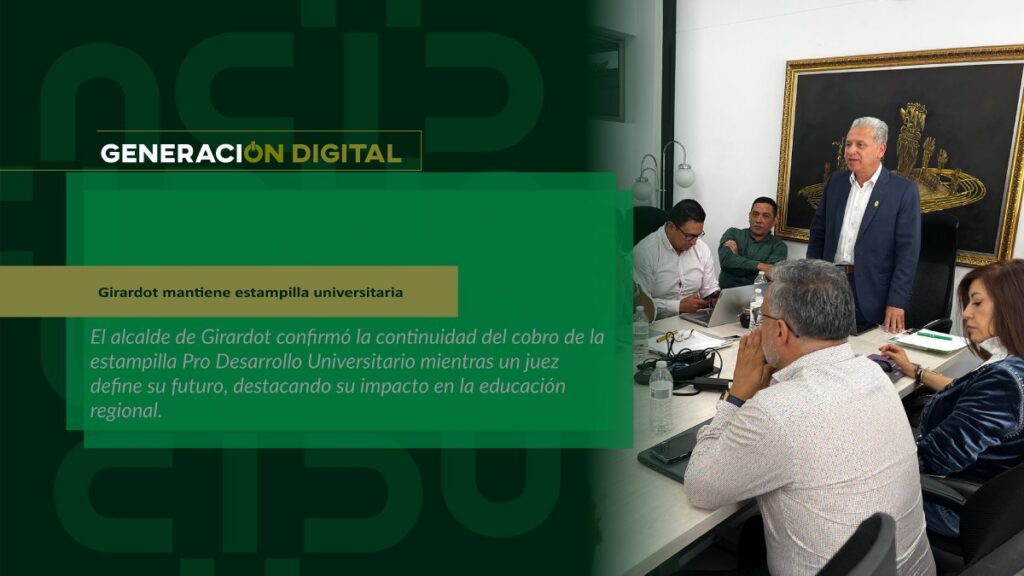
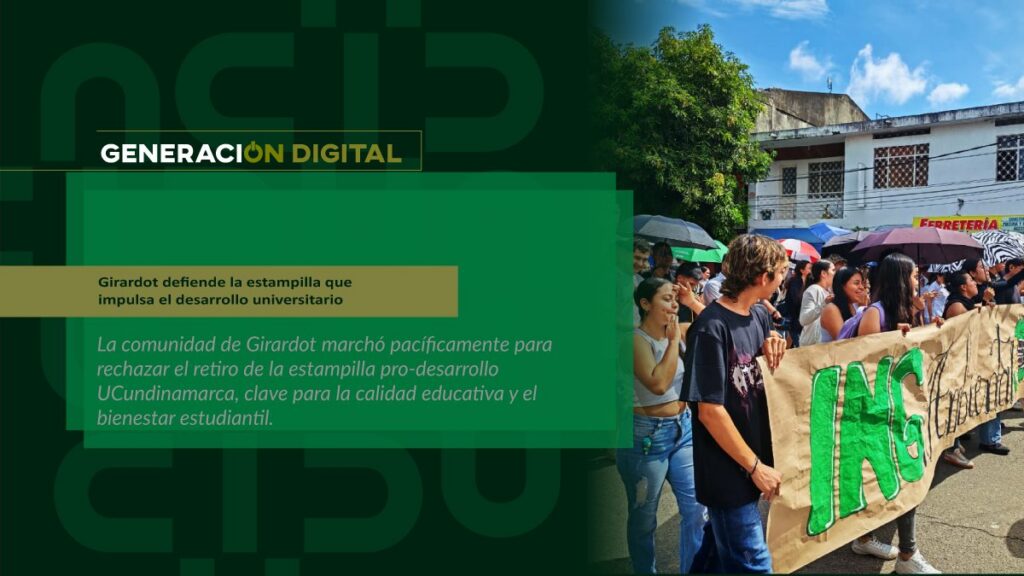
MAAD: Challenges are constant and are part of the daily institutional life. However, one of the greatest lessons learned was the coordinated work with the entire educational community. I highlight the branch's participation in strategic processes for the region, such as agreements for the transition to higher education, the construction of the Ten-Year Education Plan of the municipality of Girardot, and the dialogue surrounding the pro-university tax stamp. These scenarios represented significant challenges, but also opportunities for institutional strengthening that were successfully managed thanks to inter-institutional work.
ANUC: Looking ahead to 2026, what administrative strategies are planned to optimize processes and respond to the needs of the university community?
MAAD: Looking toward 2026, and within the framework of the university campus accreditation challenge, we have defined six main strategies. One of them is the modernization and digitalization of administrative processes through the use of data dashboards that facilitate the management of information associated with accreditation factors. We will also advance in strengthening institutional planning and results-based management, aligned with the Strategic Plan of the University of Cundinamarca, which will include a specific chapter for the Girardot Section with a ten-year vision.
ANUC: What other strategic lines will be key for the year 2026?
MAAD: Another key commitment is the improvement of internal and external communication channels, articulating the work of admissions and communications to achieve a closer and more effective relationship with the community. Likewise, we will drive the optimization of human talent, promoting staff qualification in analytics and data science, without neglecting service quality and institutional performance. Added to this is the focus on university well-being and retention, strengthening socioeconomic programs that guarantee the continuity and graduation of our students.
Finally, the Administrative Director highlighted the strengthening of interinstitutional articulation as a transversal axis for 2026, through work with national, departmental, and municipal entities. “These efforts allow us to develop impactful projects, generate knowledge, and provide real solutions to the region, reaffirming the University of Cundinamarca as a translocal, transmodern institution committed to social transformation,” he concluded.
Listen to our Podcast:
News
News
News
News