News
2026-09-24
Human rights: part of professional training?
By: Alejandro García Suárez – Advisory Office of Communications



I am your virtual assistant, here to help you quickly and easily.
▲ Back to Top
By: Alejandro García Suárez – Advisory Office of Communications
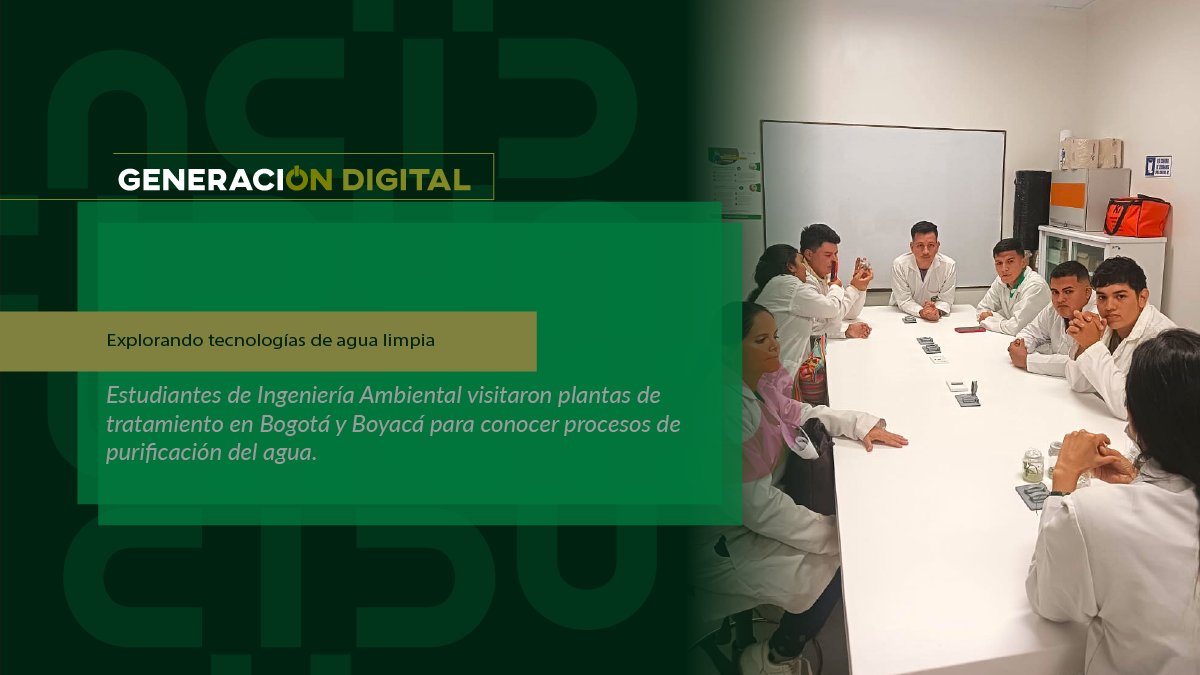
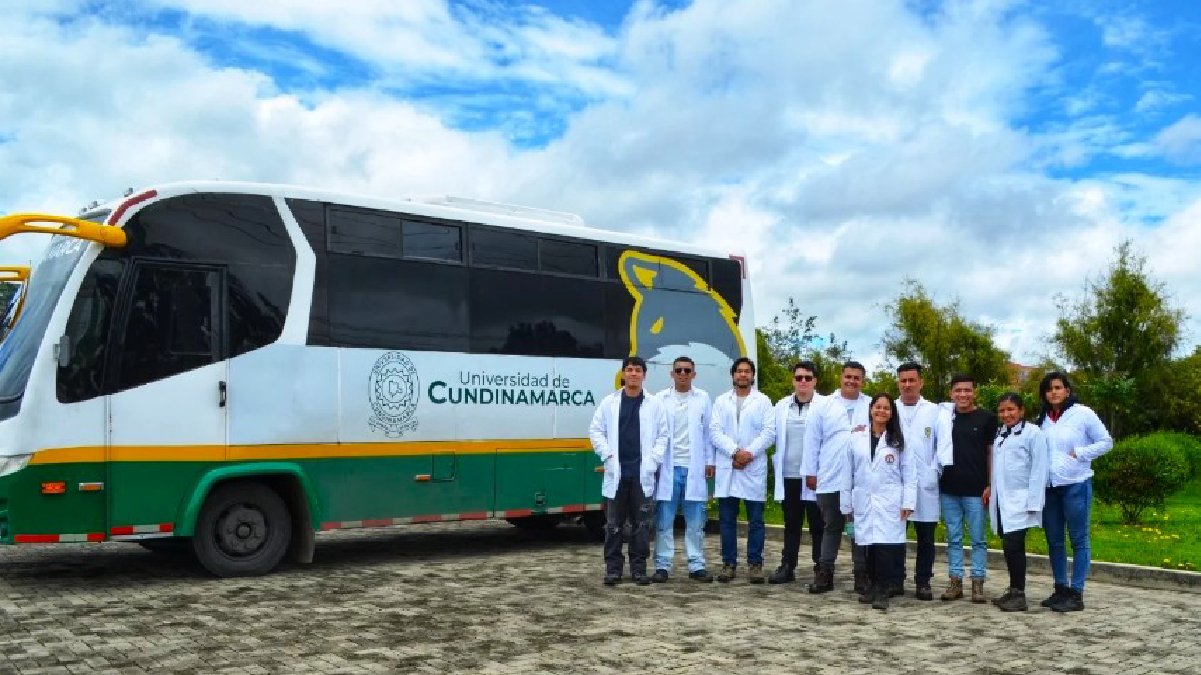
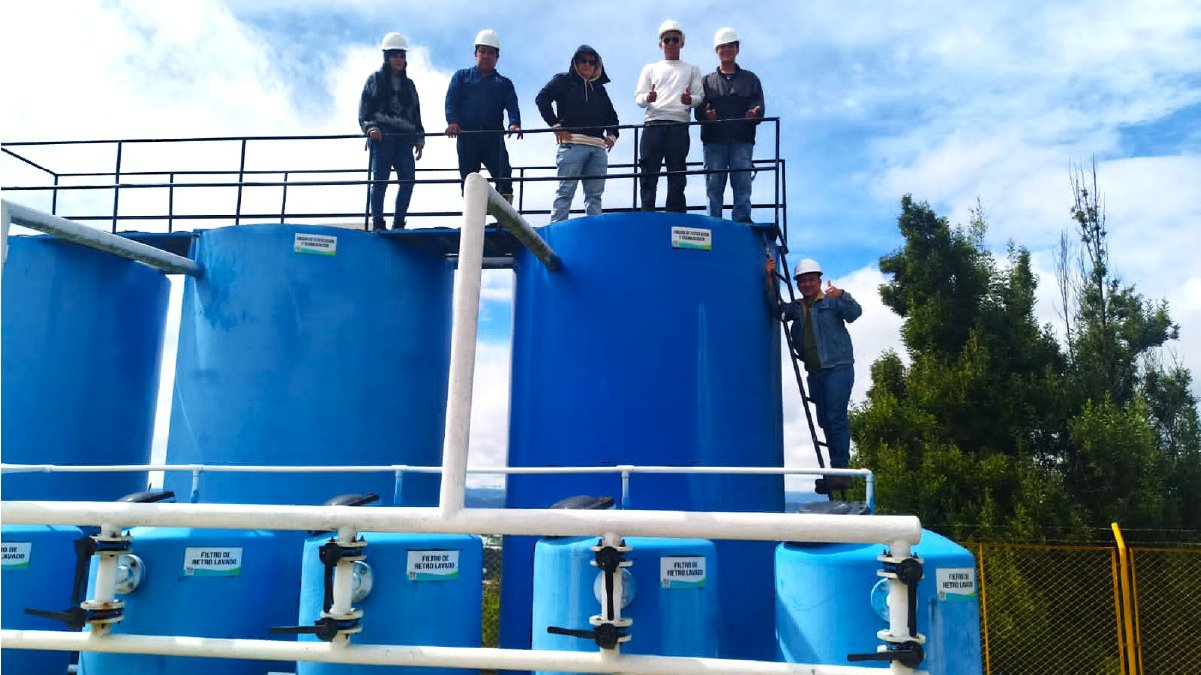
Fifth-semester Environmental Engineering students from the University of Cundinamarca, Girardot branch, carried out an academic practice that led them to learn about the most advanced technologies for the treatment of drinking water and wastewater in institutions in Bogotá and Boyacá.
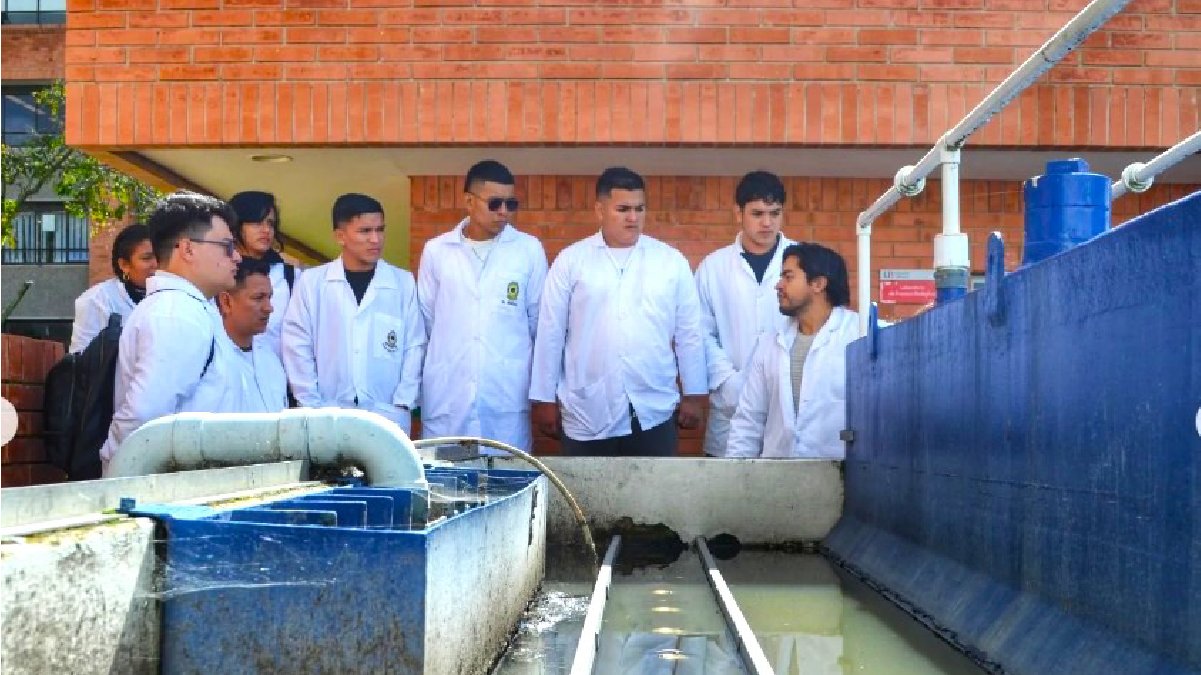
During their visit to the University of Applied and Environmental Sciences (UDCA) in Bogotá, the students toured a treatment plant that combines physical-chemical and biological processes with removal efficiencies between 851 and 951 T/T. In Sotaquirá, Boyacá, they observed the complete water purification process, from intake to disinfection, ensuring that the water reaches the population safely.
For her part, Diana Marcela Camacho Gómez, Knowledge and Learning Manager for the Environmental Engineering program at the Girardot campus, explained that this experience allows students to observe, identify, and understand the environmental processes they study in the classroom. “Academic internships are meaningful learning opportunities that strengthen the skills necessary for problem-solving in their future profession,” Camacho Gómez noted.
At the University of Boyacá, researchers discovered artificial wetlands using plants such as Cyperus papyrus and Typha angustifolia, achieving removal efficiencies between 641 and 901 times per third (TP3T) in wastewater treatment. The Pedagogical and Technological University of Colombia (UPTC) presented projects on the detection of antibiotic resistance genes and emerging contaminants in water.
Comprehensive training based on experience
Alejandro Cardona Meneses, estudiante de quinto semestre del programa de Ingeniería Ambiental, destacó el valor de esta salida pedagógica como una experiencia transformadora para su formación profesional: “Pudimos ver de cerca cómo funcionan los procesos biológicos para eliminar contaminantes del agua y cómo estos sistemas utilizan microorganismos para degradar materia orgánica y otras sustancias. También conocimos proyectos de investigación sobre contaminantes emergentes como fármacos y productos de cuidado personal, que muchas veces no son eliminados por completo con los tratamientos convencionales.
Son temas que en clase a veces no se abordan tan a fondo, y este acercamiento nos abrió mucho la mente. Esta experiencia nos permite conectar la teoría con la realidad, entender los retos ambientales actuales y pensar en soluciones desde la ingeniería. Agradezco a la Universidad de Cundinamarca por brindarnos estos espacios que fortalecen nuestra visión profesional y nos motivan a seguir investigando.”
Finally, Camacho Gómez highlighted the students' commitment during the day: “Their active participation in these visits demonstrates their interest in learning and their ability to analyze and propose real solutions, which enriches their education and contributes to sustainability from the classroom to the community,” the teacher concluded.
This training experience strengthens the professional profile of future environmental engineers, who will be able to apply this knowledge in the sustainable management of water resources in different urban and rural contexts.
Listen to our Podcast:
News
News
News
News