News
2026-09-24
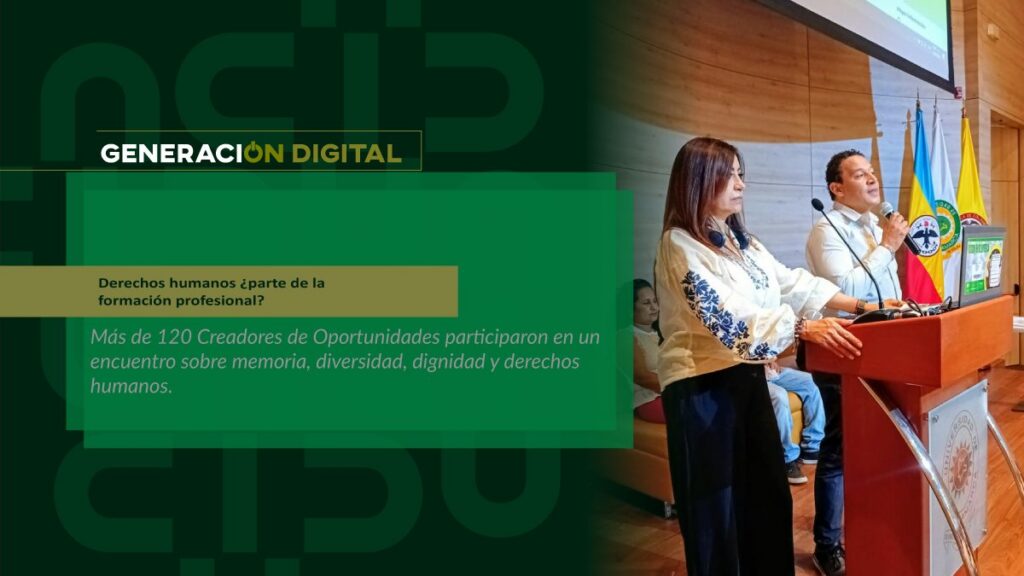
Human rights: part of professional training?
By: Alejandro García Suárez – Advisory Office of Communications



I am your virtual assistant, here to help you quickly and easily.
▲ Back to Top

By: Alejandro García Suárez – Advisory Office of Communications
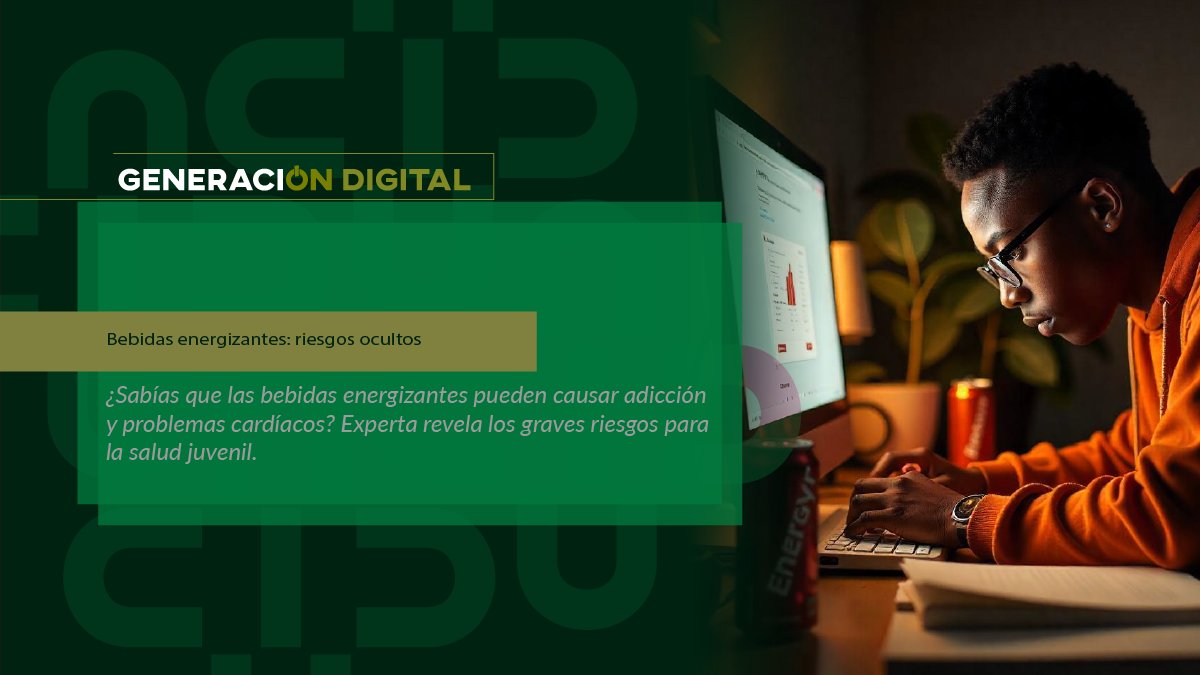
Energy drinks have become popular among young people, but few are aware of the health risks they pose. Lady Carolina Díaz Jurado, Knowledge and Learning Manager for the Girardot branch of the Nursing program, explains the hidden dangers of these products.
“These drinks are synthetic products designed to temporarily increase energy and alertness, but they contain large amounts of sugar, high doses of caffeine, and other stimulants such as taurine and guarana,” explains Díaz Jurado.
The difference with conventional soft drinks is that the latter have fewer stimulants and do not affect the nervous system. They should also not be confused with sports drinks, which are designed to rehydrate and replenish electrolytes after exercise.
Why are they so attractive to young people?
According to the expert, there are several reasons:
Danger of addiction
“Energy drinks can be addictive due to components like caffeine and taurine,” warns Díaz Jurado. They contain very high doses of caffeine, sometimes more than a cup of coffee.
Young people may experience withdrawal symptoms when they stop using drugs, such as headaches, irritability, extreme fatigue, and difficulty concentrating. This creates a cycle of dependence that leads them to use them again.
Serious health effects
Excessive consumption can cause multiple problems such as increased blood pressure and heart rate, sleep disorders and insomnia, anxiety, irritability and nervousness, risk of serious heart problems and in extreme cases, severe cardiac events or seizures.
“Caffeine blocks adenosine, a substance that promotes sleep, making it difficult to fall asleep and resulting in light or interrupted rest,” the specialist points out.
This sleep disruption affects the academic performance and mental health of young people, creating a vicious cycle where they seek more stimulants to stay awake.
A call to conscience
The Knowledge and Learning Management System is calling on parents, educators, and young people to raise awareness about these risks. It is essential that families discuss healthy alternatives for maintaining energy, such as a balanced diet, regular exercise, and adequate rest.
Energy drinks are not the solution to fatigue or lack of concentration. Their consumption can create more problems than they solve.
Listen to our Podcast:
News
News
News
News