News
2026-09-24
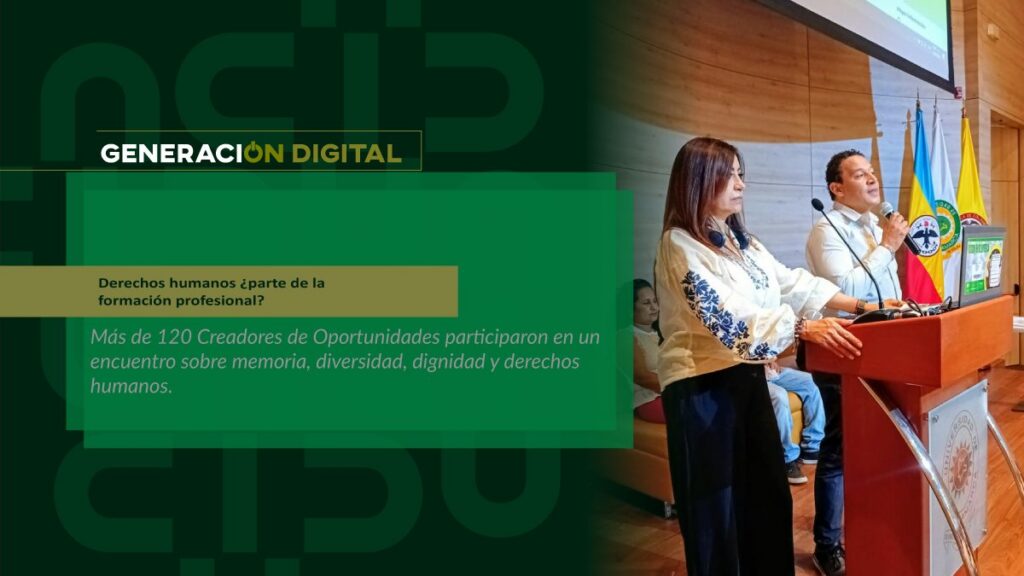
Human rights: part of professional training?
By: Alejandro García Suárez – Advisory Office of Communications


I am your virtual assistant, here to help you quickly and easily.
▲ Back to Top
By: Alejandro García Suárez – Advisory Office of Communications
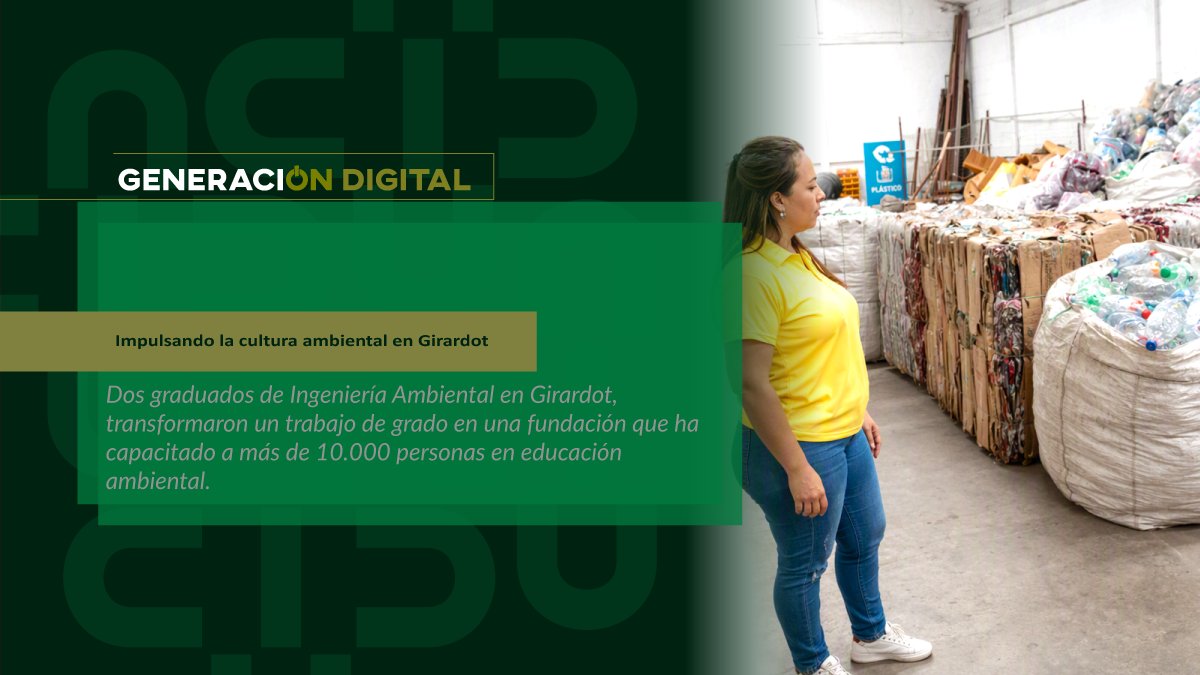
What began as a graduation project at the University of Cundinamarca has now become an organization that promotes environmental education, the circular economy, and sustainable development in Girardot and other municipalities in the Upper Magdalena Province. This is the Construyendo Planeta Colombia Foundation, created by Jennifer Pabón and Anderson Gaitán, graduates of the Environmental Engineering program at the Girardot campus, class of 2016.
The initiative began ten years ago from academic research that revealed one of the main challenges in waste management was not only its final disposal, but also the need to strengthen environmental education and awareness to generate lasting behavioral changes in the community. “Our thesis allowed us to understand that real change begins when people transform the way they relate to waste. That's why we decided to focus our efforts on environmental education as a tool to build more conscious and responsible communities,” explain Jennifer Pabón and Anderson Gaitán.
Ecoplastic, a company dedicated to waste management, was initially founded with this purpose in mind. Later, the project evolved into a public utility company specializing in waste management activities and, years later, gave rise to the Fundación Construyendo Planeta Colombia (Building Planet Colombia Foundation), maintaining its mission to promote the circular economy through training and citizen participation.
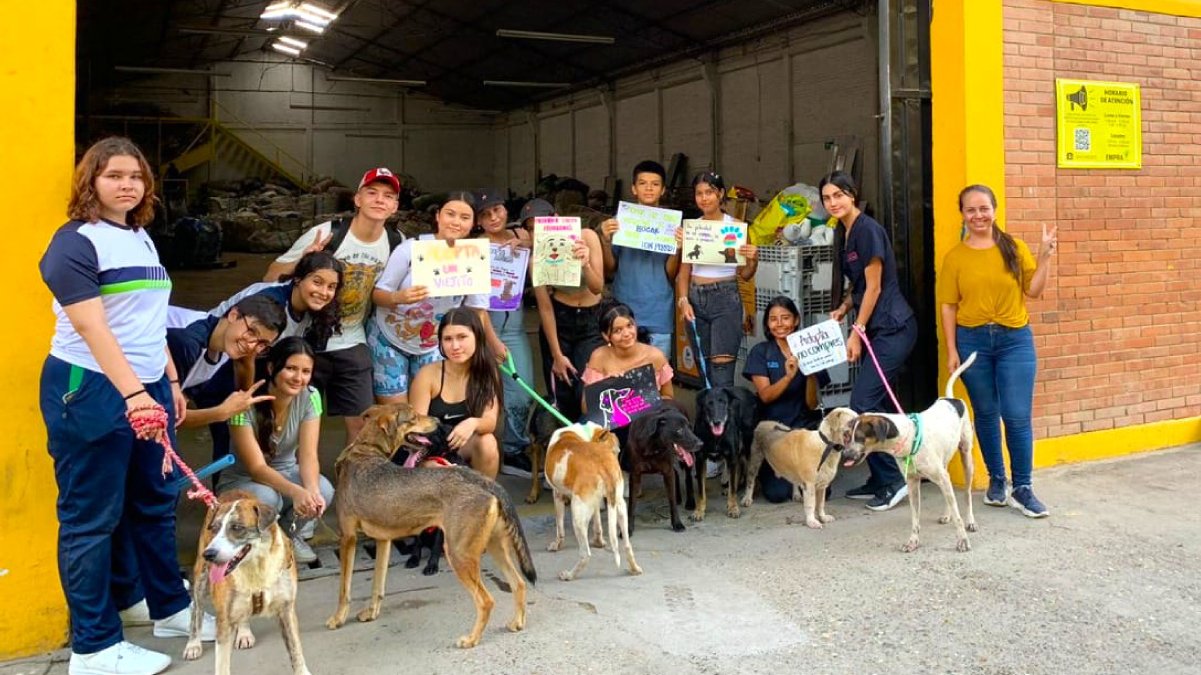
During this decade, the Foundation has developed campaigns on proper waste management, circular economy, animal welfare and efficient water use, benefiting more than 10,000 people, including students, teachers, families, businesses and the community at large.
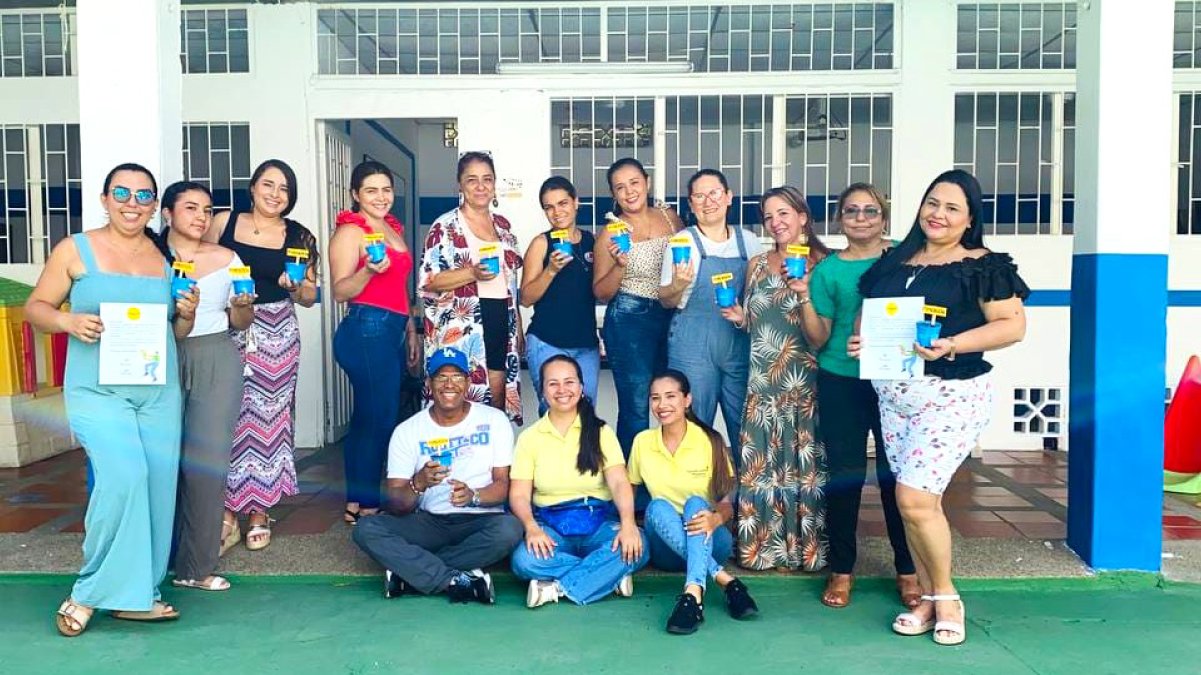
One of their most impactful programs is Recycling Day, a strategy implemented for the past five years in public and private educational institutions. Every week, students and their families bring recyclable materials such as paper, cardboard, plastic, glass, and metals, strengthening environmental habits at home. “More than just collecting recyclable materials, we aim to develop citizens committed to environmental stewardship. Seeing thousands of students incorporate recycling into their daily lives is one of our greatest achievements,” the graduates emphasized.
Thanks to this initiative, more than 30 tons of usable waste have been recovered, demonstrating that environmental education can generate sustainable changes in communities.
The Foundation's work has been supported by various departments of the Girardot Mayor's Office, educational institutions, and partner organizations. For the past four years, the multinational company Darnel has supported several of its campaigns, an alliance that enabled the development of a pioneering project in Colombia in 2025: painting the country's first school using paint made from recycled polystyrene foam, demonstrating the potential of innovation applied to the circular economy.
Another strategy that has strengthened the organization's social impact is the Swap Meet, where people exchange gently used clothing, shoes, and toys for recyclable materials. Thanks to this initiative, nearly three tons of usable waste have been recovered and exchanged for more than 5,000 articles of clothing, as well as hundreds of shoes and toys that now have a second life.
As a complement to this work, the Foundation created a second-hand goods store, a space that promotes the reuse of furniture, decorative objects and household items, demonstrating that extending the useful life of products also contributes to caring for the environment.
The impact of this work has been recognized with the Green Business Seal, awarded by the Regional Autonomous Corporation of Cundinamarca (CAR), in addition to the representation of the ecological sector before the Territorial Planning Council of Cundinamarca and a special recognition from the Municipal Council of Girardot, received in 2025 for its contribution to environmental education and sustainable development.
For Jennifer Pabón and Anderson Gaitán, these achievements represent the result of an ongoing commitment to society. “We will continue working with the conviction that environmental education is the most powerful tool to transform communities, strengthen the circular economy, and build a more sustainable future for the next generations,” they conclude.
Stories like those of these graduates reflect the purpose of the Transmodern Digital Educational Model (MEDIT), which promotes the training of professionals capable of turning knowledge into solutions for the territories, through innovation, entrepreneurship and social commitment; its graduates continue to generate opportunities that positively impact the environment and improve the quality of life of the communities.
News
News
News
News