A transcendent mission, one of the goals of the PD
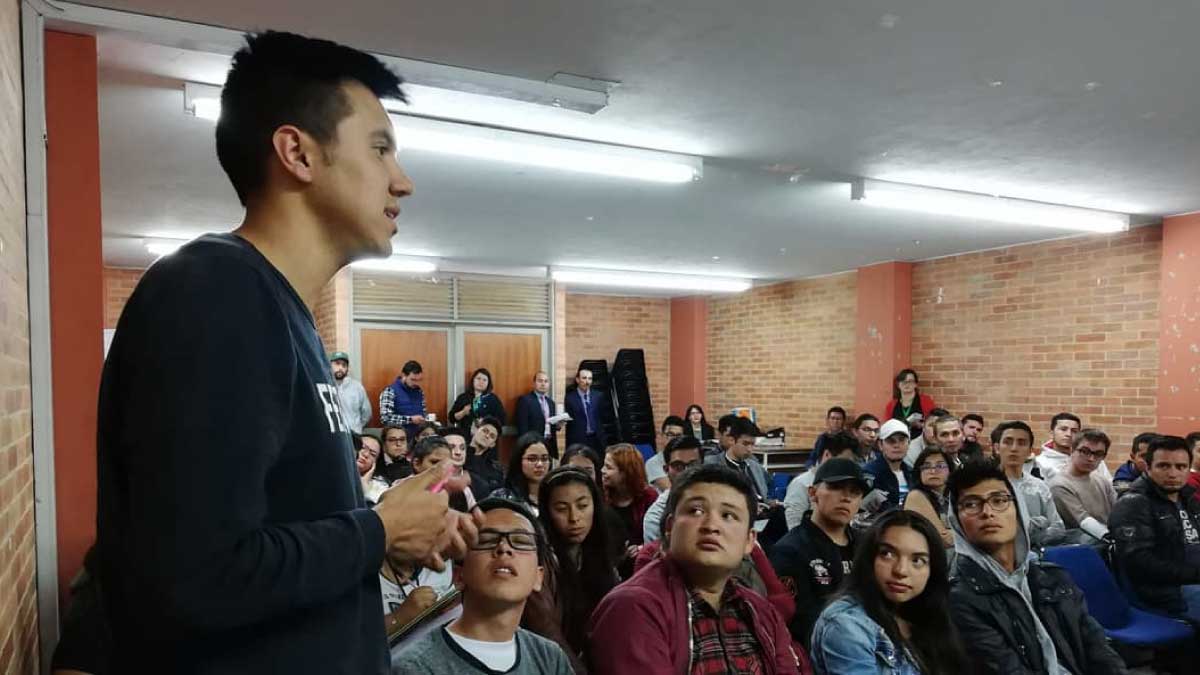
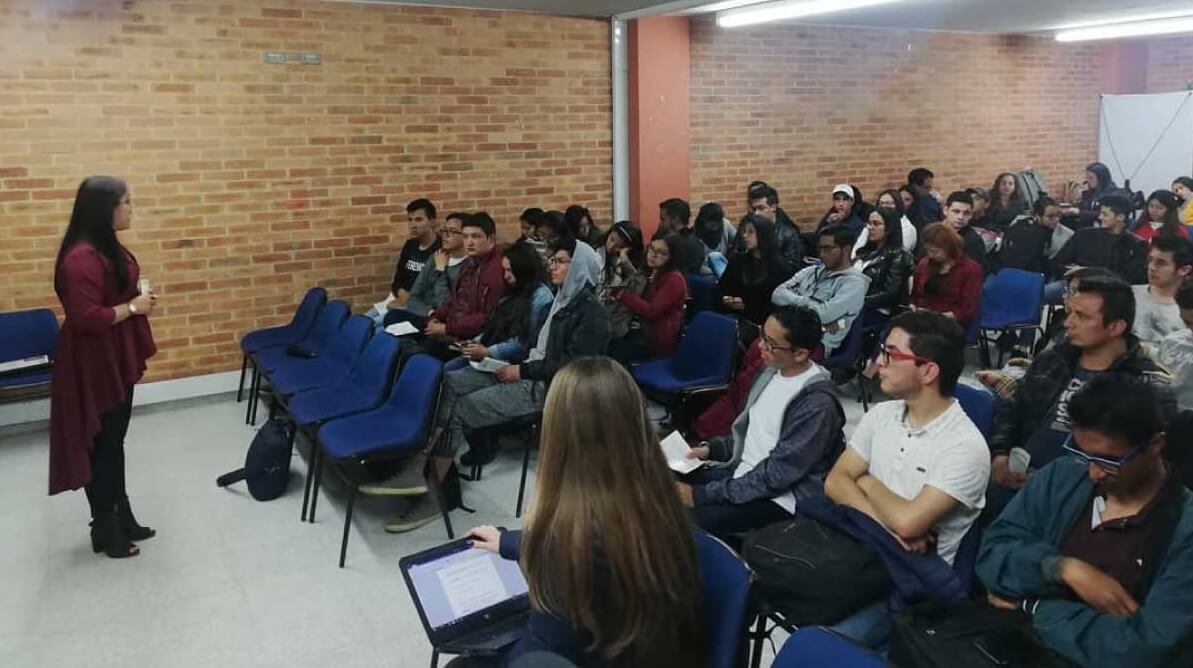
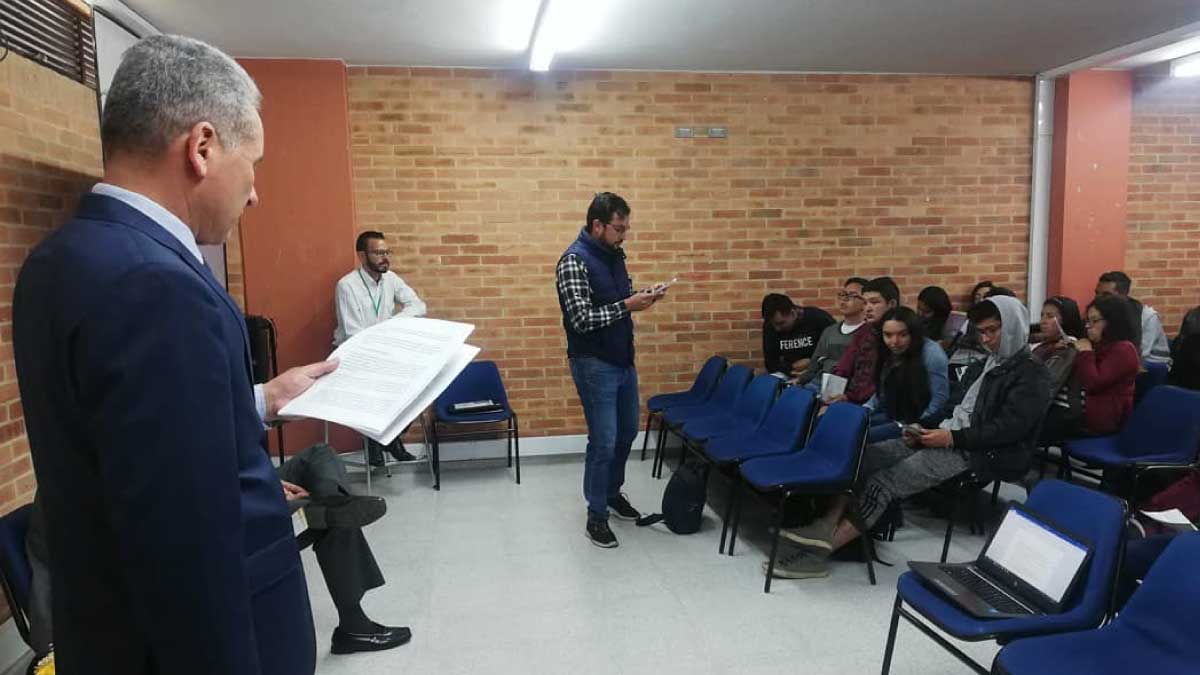
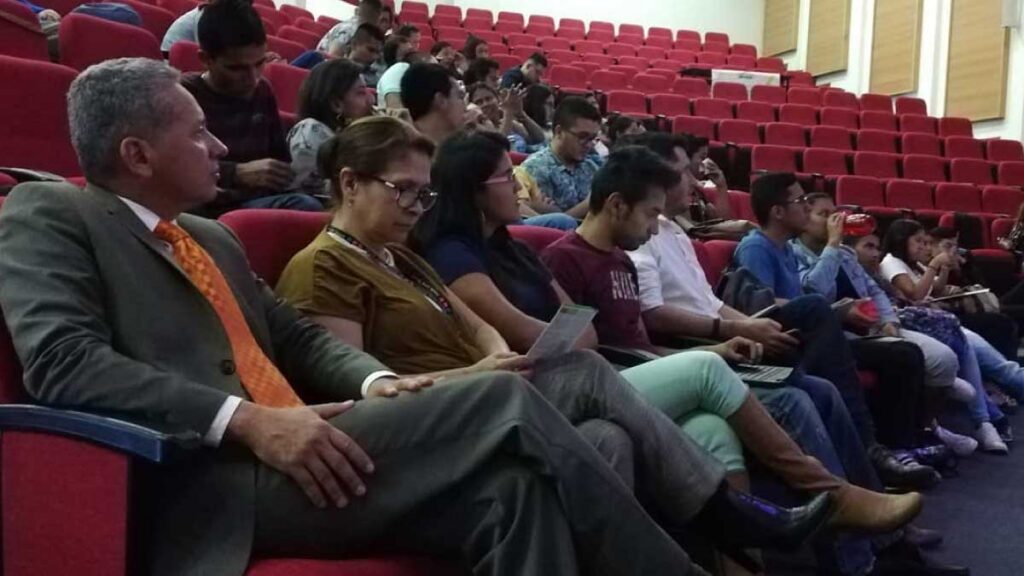
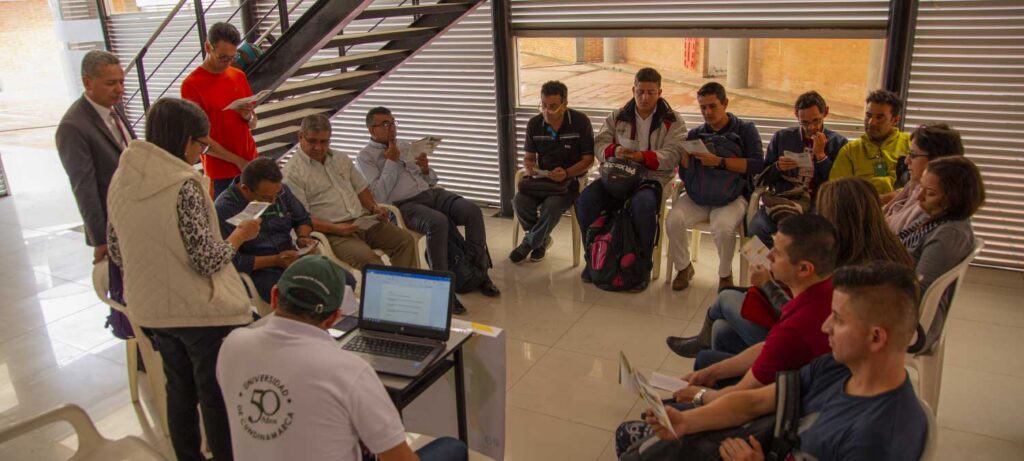
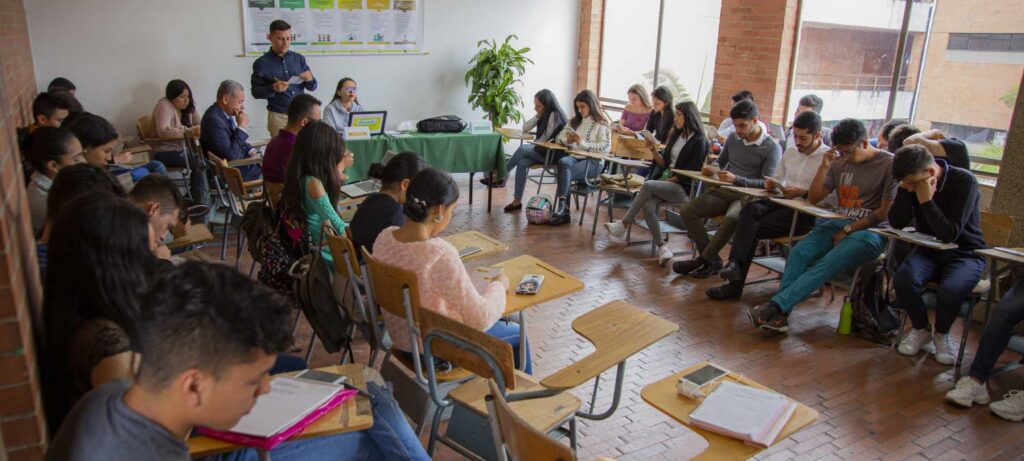
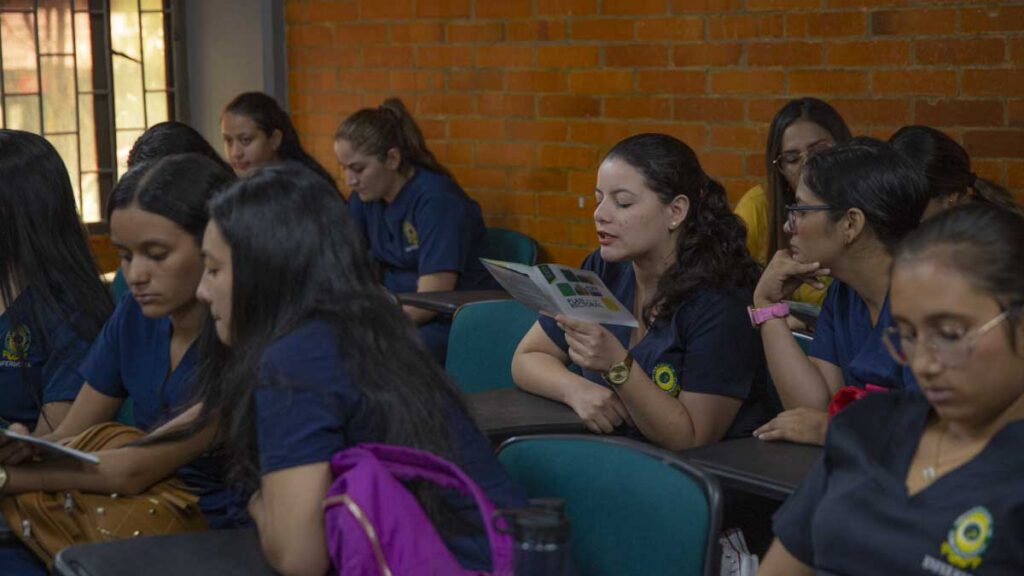
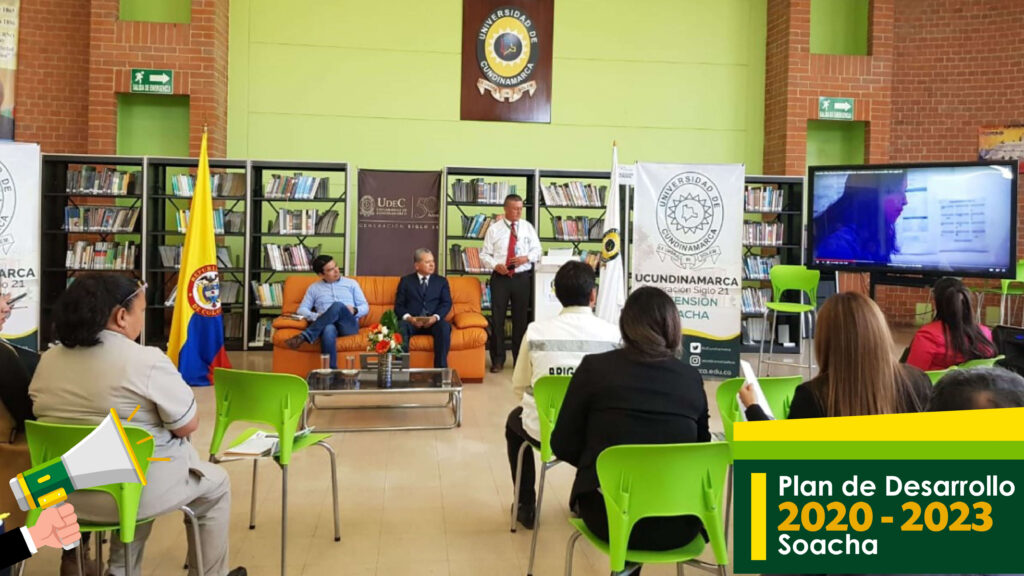
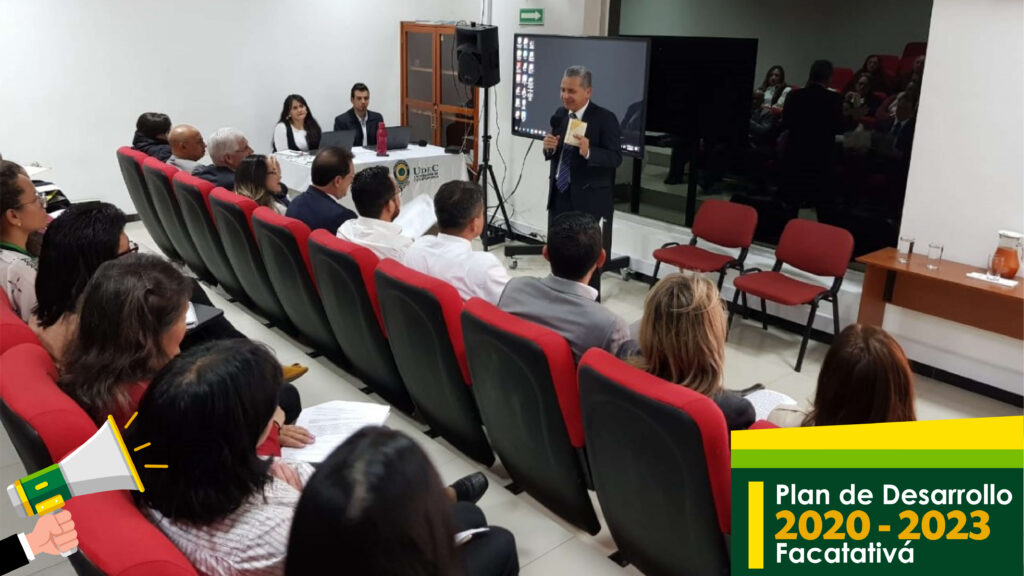
On March 2, the participation day for the construction of the Development Plan was carried out with the attendance of 350 students from the Environmental Engineering and Agronomic Engineering programs, and 70 from Systems Engineering, who expressed strategic proposals to transcend in the training, learning, research and social interaction of the university.
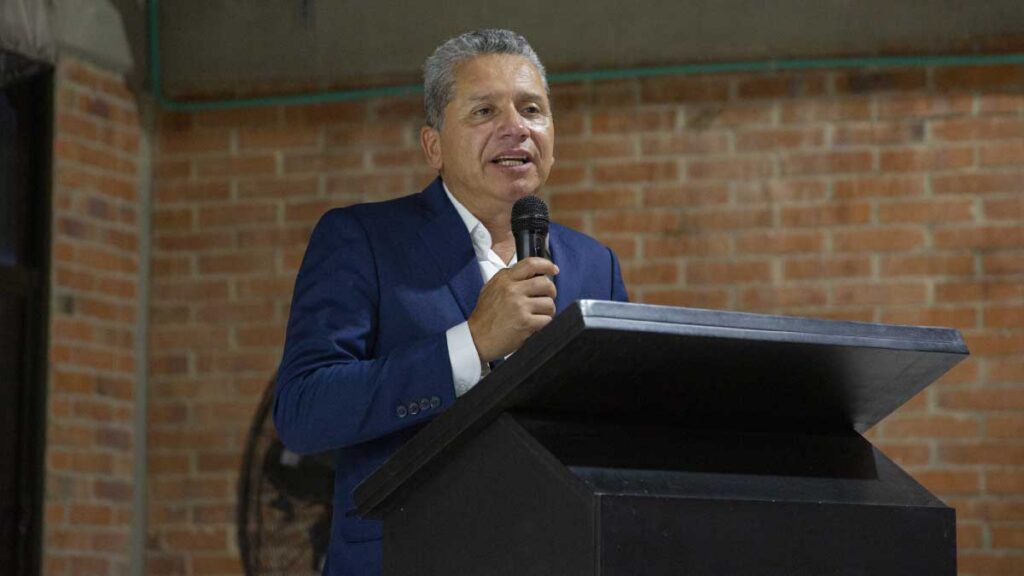
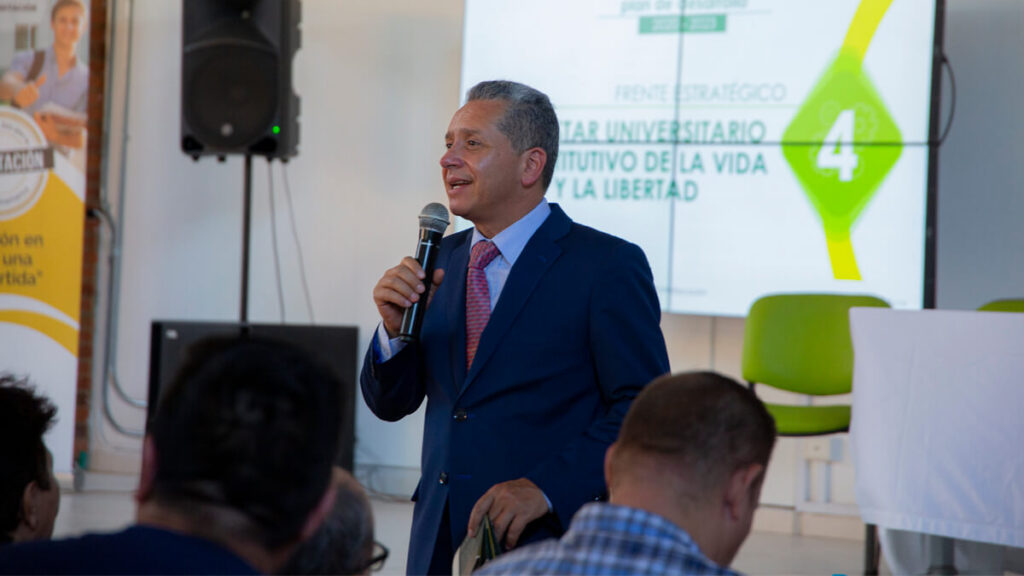
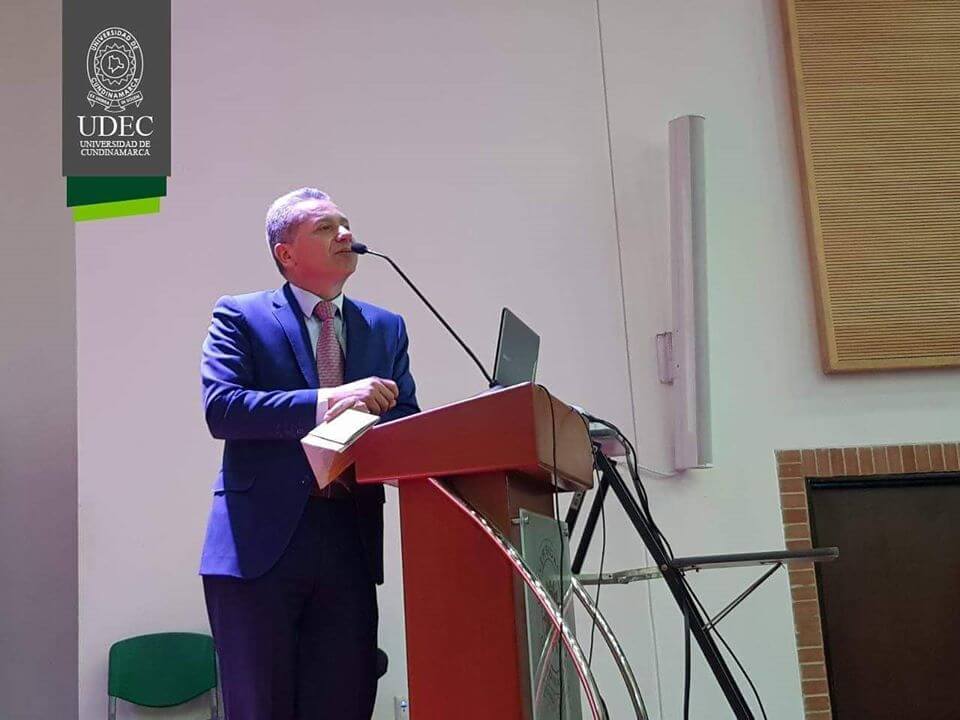
“The second front of the Rector's Plan is called: transcendent mission, which is very fitting, since the proposal seeks to transcend and overcome the old paradigm of university forged during modernity, especially in the case of teaching, extension and research, which should be oriented towards solving problems of daily existence, with a real impact on communities and regions, but, above all, with the objective of changing the environment from civility and the common good,”, Rosemberg Del Carpio, a research professor and leader of the UCundinamarca Publishing House, explained during the event.
Contributions from Environmental Engineering and Agricultural Engineering students:
-Generate environmental projects for the appropriation of the culture and concept of a green university and the development of a sustainable campus.
-Manage and coordinate with the Mayor's Office of Facatativá the creation of the Pro-development stamp project for the University of Cundinamarca.
-To exchange environmental and agricultural knowledge at an inter-institutional level.
-To coordinate projects with the Girardot branch on environmental matters.
-Manage the internationalization of the curriculum.
-Equip laboratories, as well as the supplies for practical exercises.
-Promote academic outings.
-Create platforms to discuss different topics.
-Promote the university's agro-environmental project as a center for regional development
-Conduct training or courses on agriculture to improve environmental practices.
-Generate learning strategies focused on entrepreneurship and innovation.
-Create disciplinary diversity in research groups.
-Evaluate for the Facatativá Extension to become a Branch.
-Strengthen the research faculty to ensure the continuity of projects throughout the year.
-Improve the dissemination of research seedbeds.
-Teach the importance of research from the first semester.
-Generate projects in accordance with the needs of the region to transform and transcend.
-Carry out the curricular redefinition to be in line with the new current global dynamics of knowledge.
-Create the extension auditorium.
-Linking inter-semester projects.
-Guide the student in relation to the advanced semester.
-Strengthen infrastructure such as the library, laboratories, classrooms, and computer rooms.
-Create postgraduate programs in environmental topics.
-To create spaces for interaction between Environmental Engineering and Agronomic Engineering to promote transdisciplinarity and social work.
-Study the possibility of acquiring bicycles in agreement with a transport company for the movement of students to the El Vergel Agro-environmental Studies Center.
-To publicize cultural, academic and research activities on the Extension website.
-To further publicize the Dialoguing with the world project.
-Promote the reading of books in foreign languages that are mandatory.
-Strengthen the thematic focus of English, from the first semester to the last.
-Expand multilingualism to other languages such as Portuguese, Mandarin, and French.
-Acquire more computers and more software licenses.
-Generate support for University stakeholders, such as knowledgeable farmers, to advise the community at large.
-Modernize the technological infrastructure in the Extension.
– Increase the bibliographic material and consider updating the existing one.
– To publicize the use of the University repository, the management of the virtual library and the platform.
– Hire support staff (virtual classrooms, laboratories, agro-environmental unit) before the start of academic activities and end their contracts after academic closures so as not to interrupt the processes during the semester, thus giving continuity to academic and research activities and projects.
– Manage our own financial resources to provide better and faster solutions to different procedures such as transportation for academic outings, laboratory supplies, tools and equipment for the agro-environmental unit.
– Evaluate whether the resources allocated are proportional to the academic demand of the Extension.
-Teacher evaluation processes fail in the sense that teachers do not improve their performance in the classroom
-The teacher's profile should be aligned with the approach of the academic program to which they belong
– Focus the electives on the career, expanding the number of places.
-Involve external people (businessmen) in training and learning processes such as forums, short courses, talks, diplomas.
-Conduct more reforestation days, as well as environmental training campaigns such as recycling, water management and others.
-Increase the use of clean technologies.
-To educate students about the final disposal of waste and how it should be recycled.
-Strengthen the platform to avoid congestion at the beginning of the semester.
-Reduce the cost and time of grade certificates and other requests.
-Decentralize academic and administrative functions of the Fusagasugá Campus.
-Reduce the time required to create the institutional email.
-Encourage student leaders to participate in field projects.
-Acquire a bus and several bicycles for Facatativá to facilitate transport from the University to El Vergel.
-Proposal to make the products and harvests of the Agro-environmental Unit productive and generate entrepreneurship.
-Conduct a business fair to find interns and trainees.
-Having an office for interns and trainees.
-Purchase of a tractor to improve productivity in the Agro-environmental Unit.
Contributions from Systems Engineering students
– Generate strategies to socialize copyright.
-Continue to continuously improve the platform with regard to course registration.
– Improve the implementation of the virtual classroom since teachers do not use it.
– To make students aware of the mechanisms for participation, such as the PQR (Petitions, Complaints, Claims, and Requests).
-Explain how to use the platform, such as requesting certificates, not only during the induction but throughout the semester.
-To publicize the different degree options.
-Encourage internships and social work.
-Update the teacher on topics relevant to global engineering.
-Strengthen software, computer rooms, and other academic spaces.
-Support cultural, artistic and sporting activities from University Welfare.
-To publicize the tuition payment plan.
-Strengthen mental health in the educational community, more campaigns.
-Train teachers in pedagogy for learning.
-Consider a postgraduate degree in business and areas of technological innovation.