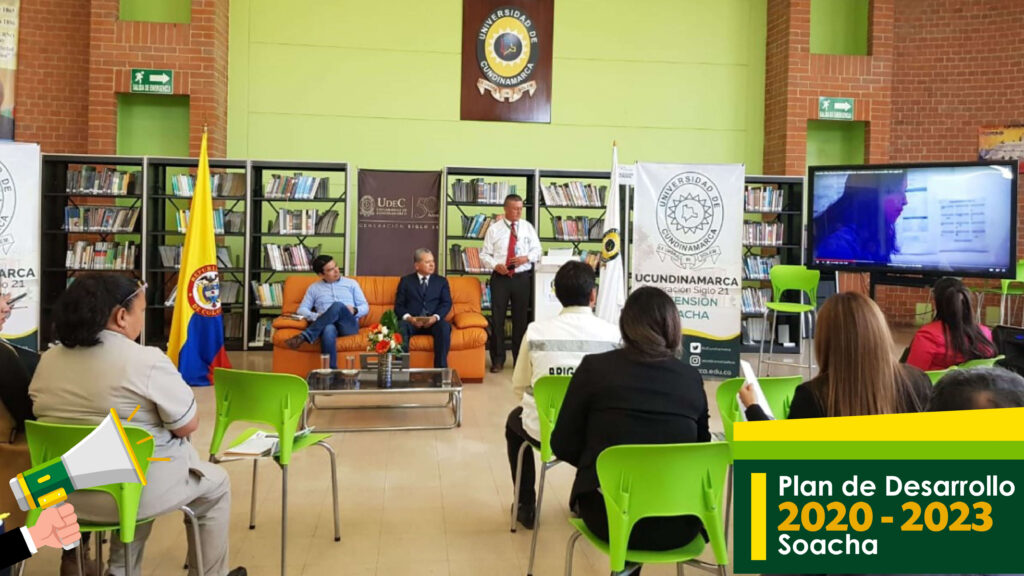
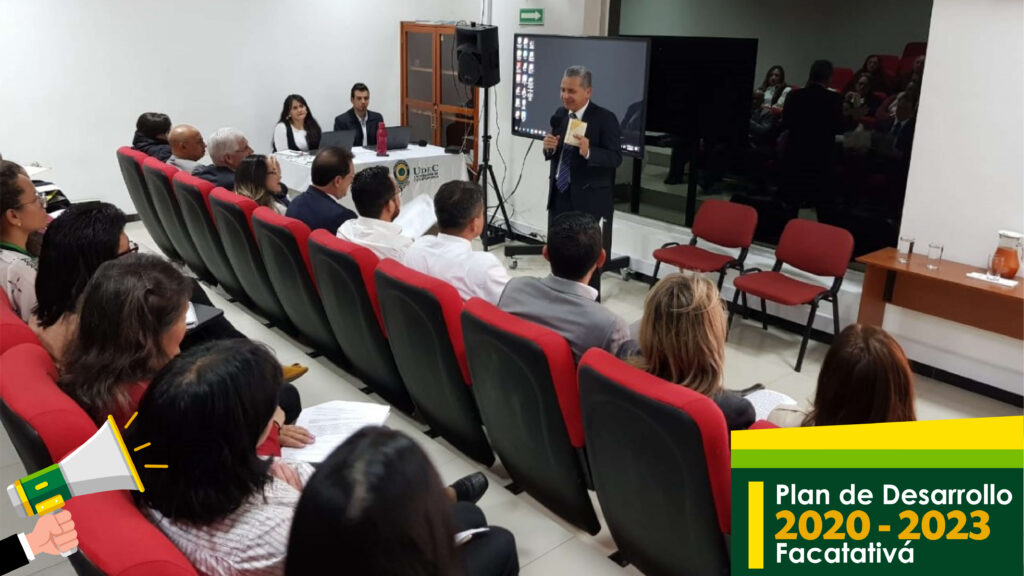
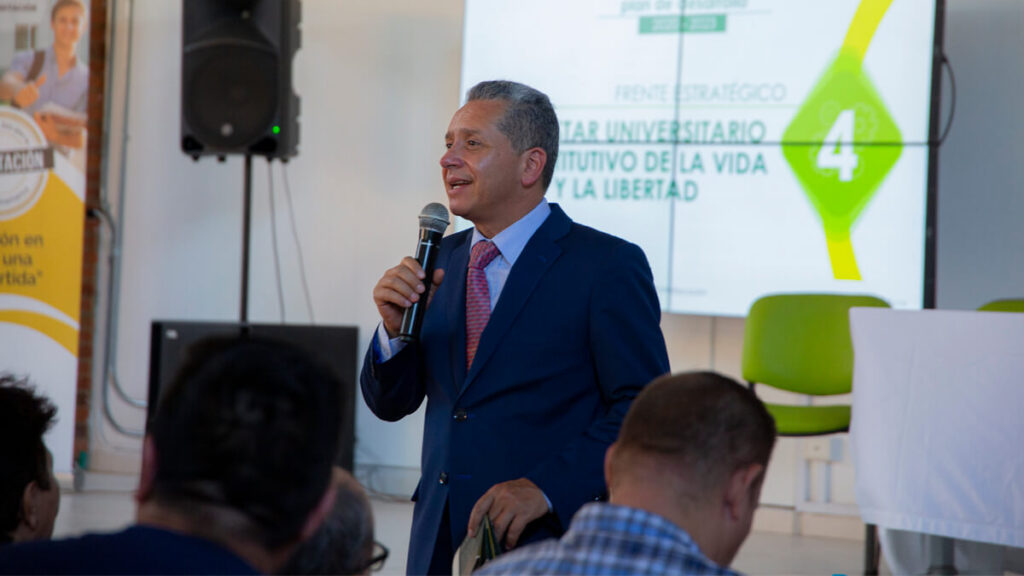
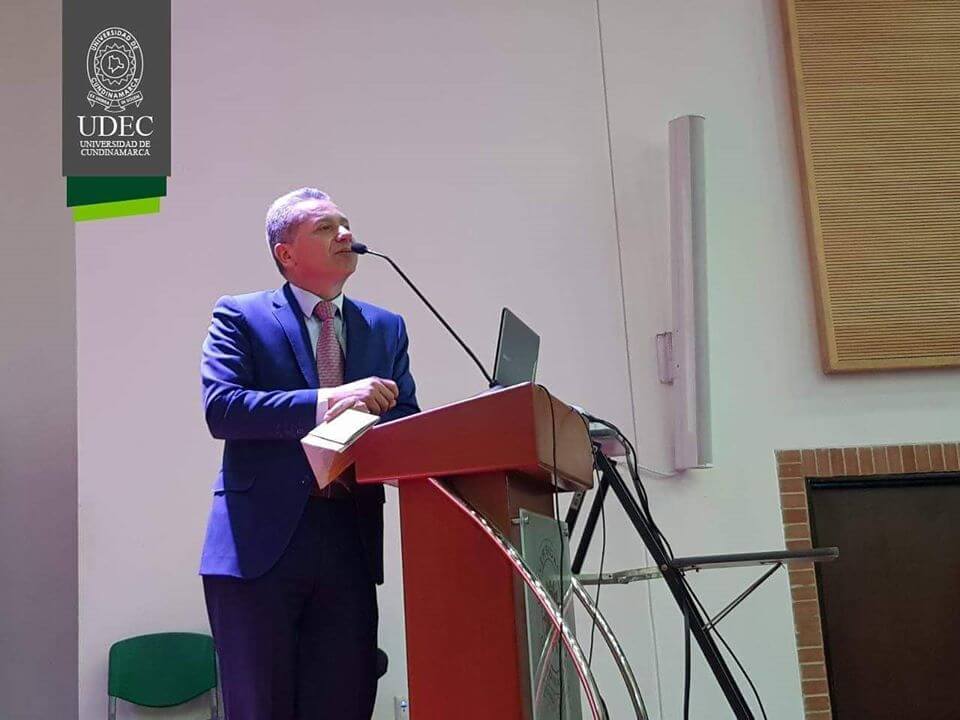
Dialogical scenario for the construction of the PD
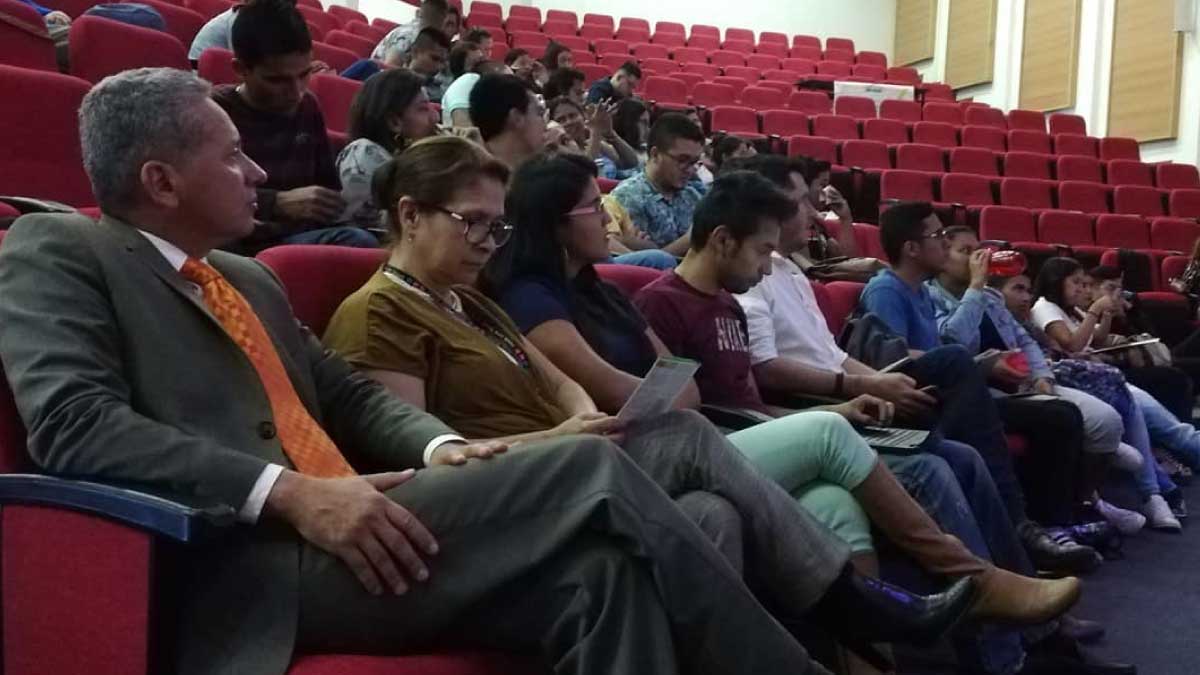
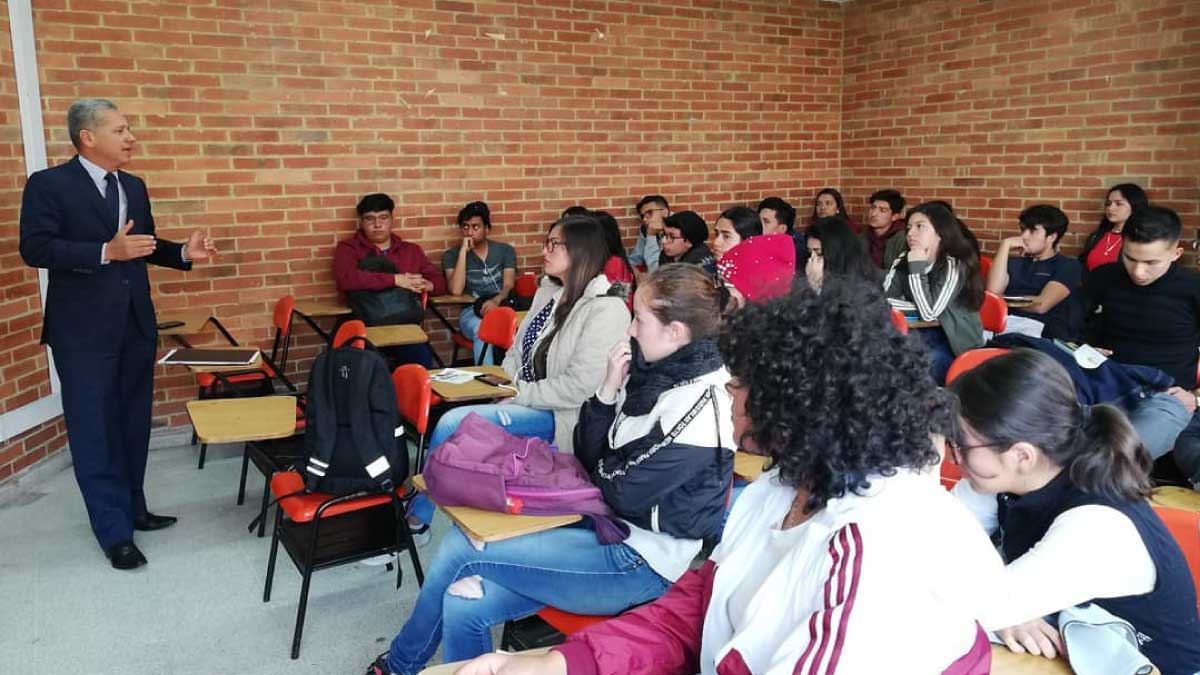
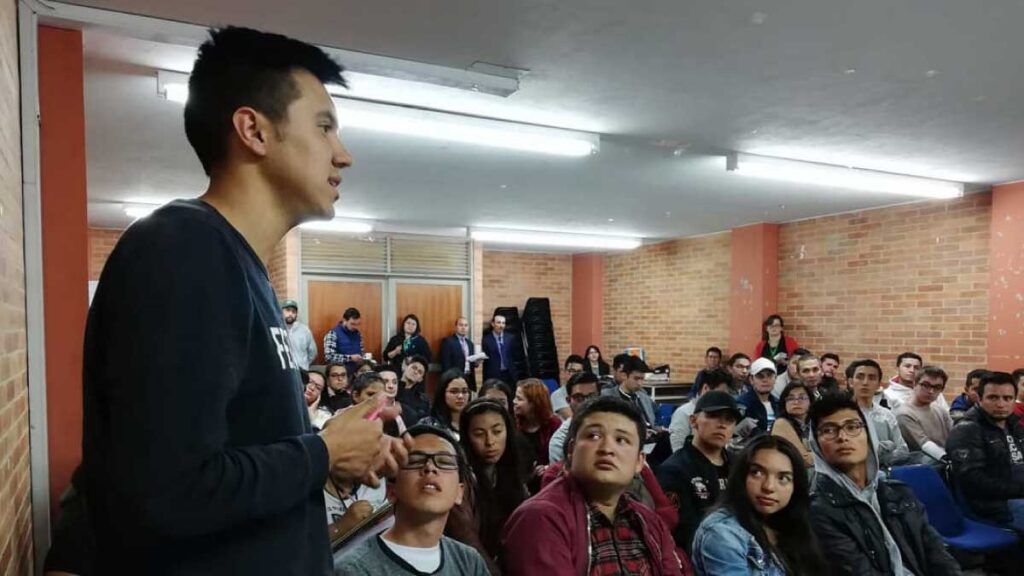
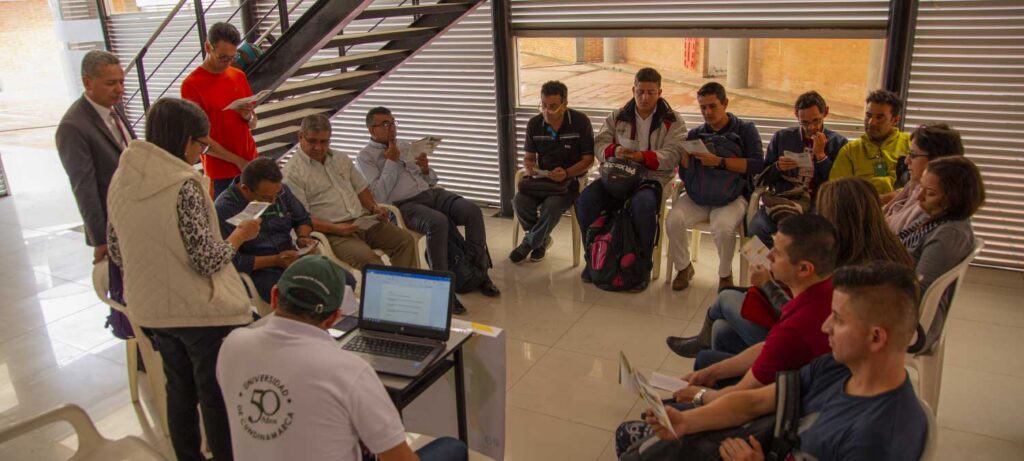
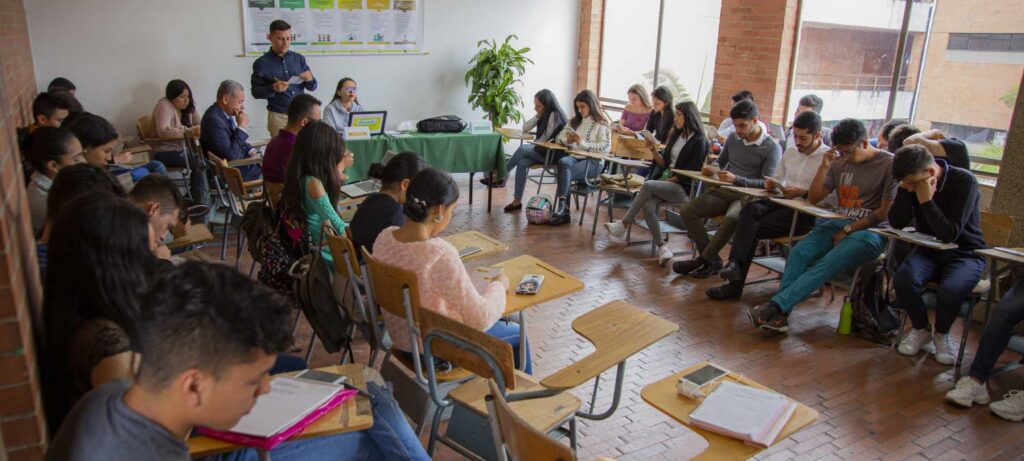
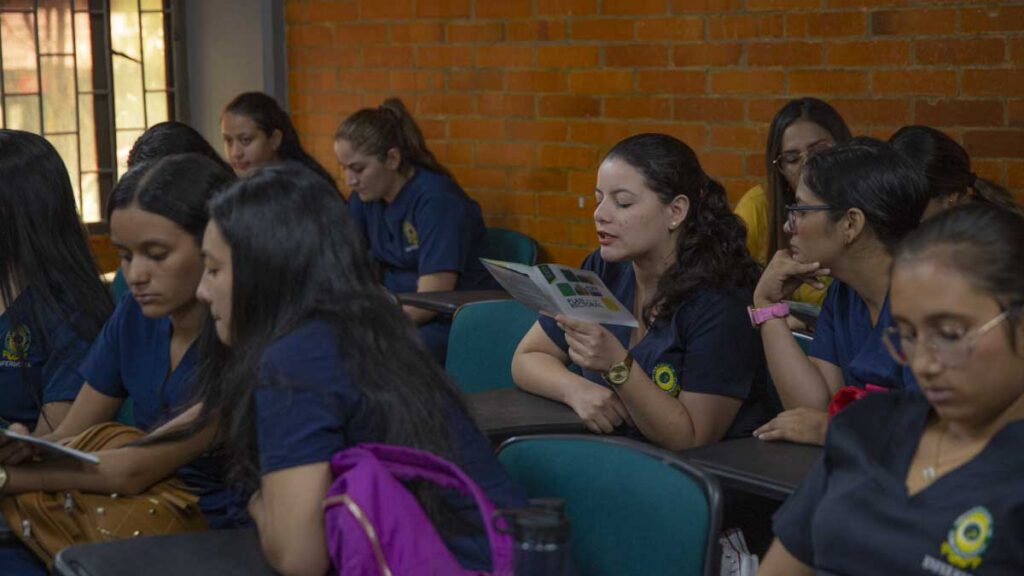
On February 28, in the Emilio Sierra Baquero auditorium, 442 students belonging to the academic programs of Agronomic Engineering, Zootechnics, Cartography Technology, and 42 students from the degrees in Mathematics and Social Sciences participated in the working groups for the construction of the Development Plan, a space in which they proposed to strengthen the teaching staff to achieve the quality conditions required by the Ministry of National Education, since the institution currently has only 30 career professors, distributed in the seven faculties.
In relation to the thematic table Multidimensional Field of Learning (CMA), the students proposed implementing actions to strengthen the School of Teacher Training and Learning, such as guiding theoretical and practical strategies of the content in accordance with the global dynamics in the different areas of knowledge, updating the curricula, improving teacher evaluation, application of MEDIT, among other contributions.
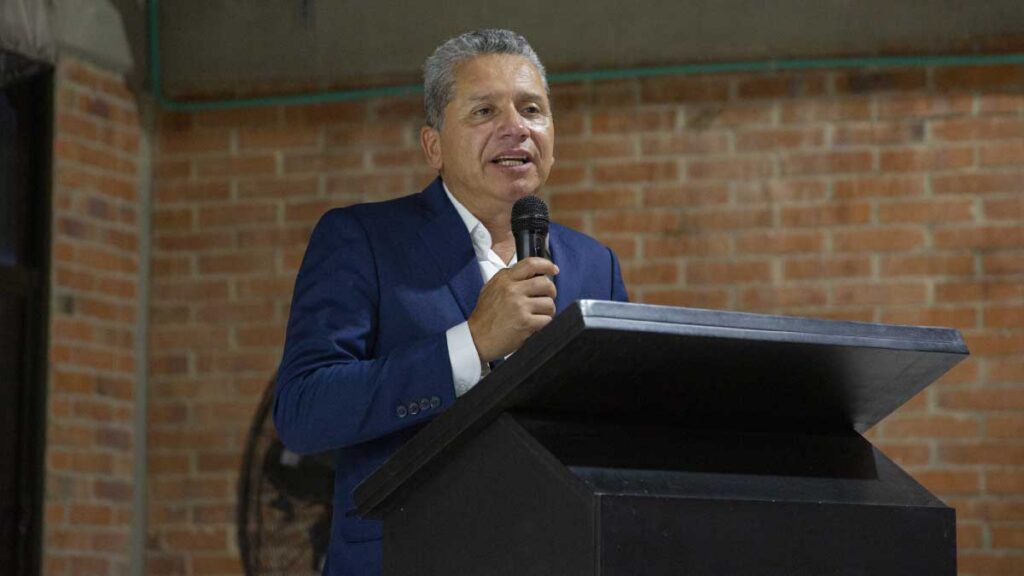
“I appreciate your participation and valuable contributions. This is an opportunity to join forces and envision the university we want to build. It is time to transform our institution, and the first step is to materialize the MEDIT project, because the educational model from 20 years ago has run its course. We must also commit to a paperless, digital university that engages with nature. Likewise, we must make the constitutional mandate of quality education a reality and stop being among the 16 unaccredited higher education institutions. The university centers on each one of us; we are all educators, from the doorman and the cleaning staff to the students, professors, and even the highest-ranking administrators. We must all contribute to the talents that our institution possesses today,” stated Adriano Muñoz Barrera during the event.
It is worth noting that, with the new distribution of resources, the University of Cundinamarca will receive additional resources for $1´129.246.933, These funds represent 1.091% of the total resources transferred by the Ministry of National Education (MEN) to public universities. Historically, the institution only received 0.661% of these transfers. Previously, the university ranked 29th out of 31 public universities; it now ranks 28th.
“We will use these resources to carry out the call for teachers, equivalent to 7 positions, since that is our priority,” the rector added.
Notable contributions from students of the Faculty of Agricultural Sciences:
-Improve teacher recruitment to ensure the continuity of research projects, research groups, and community outreach activities.
.- Increase the level of teachers with postgraduate studies, at least with a master's and doctorate degree.
-Expand the fields of learning to take advantage of the training process.
-Generate strategies to improve performance on the Saber Pro tests.
-Include the English language in the curriculum from the first to the tenth semester.
– Generate and strengthen new research groups and initiatives that positively impact the region and evaluate those research groups that are inactive.
-Carry out rural extension with a transdisciplinary approach.
-Reactivate the equestrian club with the support of the dean's office.
-To opt for a green university campus with more plantings.
-Promote regional meetings of the agricultural sector to create networks and joint projects.
-Greater dissemination of the cultural and sporting activities of University Welfare, as well as its flexibility in the schedules to participate.
-To publicize the use and spaces of the CAD.
-Develop an effective application for the allocation of academic spaces.
-Balancing the support hours allocated for socioeconomic programs with the academic workload of students.
-Create alliances with transport companies to benefit students who live outside of Fusagasugá and in rural areas.
-Linking the region with academic practices.
-Strengthen research with resources.
-Supply the supplies for the physics and chemistry laboratory practices.
-Strengthen the student mobility program to generate more student trips abroad.
-Linking the research graduate to the faculty's projects and programs.
Proposals from students of the Faculty of Education:
-Review the selection, allocation and equity criteria for university socioeconomic welfare programs.
-Support in degree projects.
-Inclusion of the rural community, giving priority to rural students.
-Include cross-curricular and disciplinary electives.
-Generate projects to solve real-life problems.
-Include sign language elective.
-Establish agreements with the municipalities in the area for support in intermunicipal transport.
-Strengthen the Orlando Fals Borda Center.
-Develop projects and campaigns for environmental culture.
-Implement and monitor green walls.
-Strengthen customer service between the administrative staff and the student.
-Implement the chip card or turnstiles.
-Include field trips in the thematic units.
-Strengthen English levels with flexible schedules, and be able to validate a second language learned such as Portuguese or French.
-Strengthen native languages.
-Continue with a degree in Mathematics, or consider a similar career.
-Continue to develop academic, research and mission strategies to maintain social science accreditation.
-Strengthen research and develop regional networks on social and cultural studies for the resolution of local problems.