Zipaquirá Extension
2026-03-20
Artistic circulation strengthens culture in the Sabana
The institution promotes artistic circulation in Zipaquirá with music, knowledge, and a digital repository that preserves the cultural memory of the territory.



I am your virtual assistant, here to help you quickly and easily.
▲ Back to Top
By: Carolina Rojas – Advisory Office of Communications
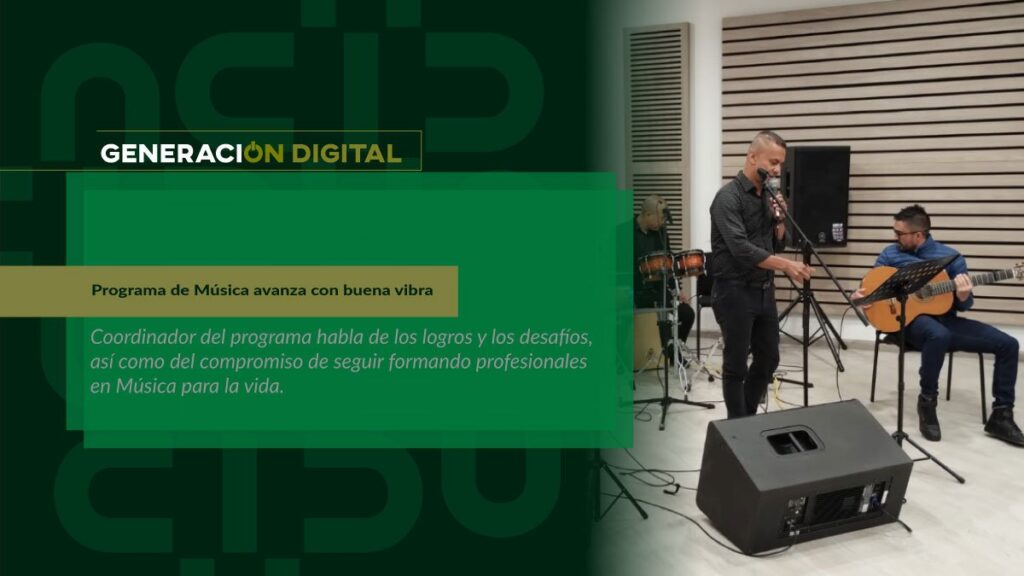
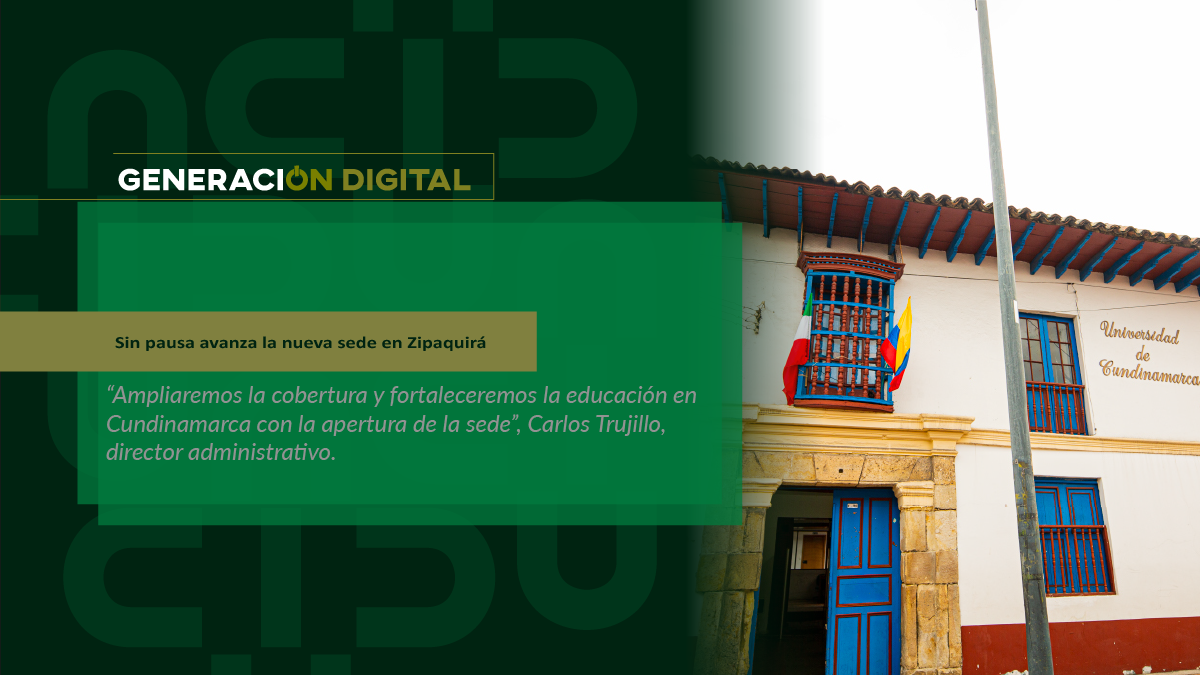
The News Agency of the University of Cundinamarca interviewed the administrative director, Dr. Carlos Augusto Trujillo, who spoke to us about the challenges of the Music program and the opening of the new campus in the municipality of Zipaquirá.
UCundinamarca News Agency (ANUC) How is the construction of the new Zipaquirá campus progressing?
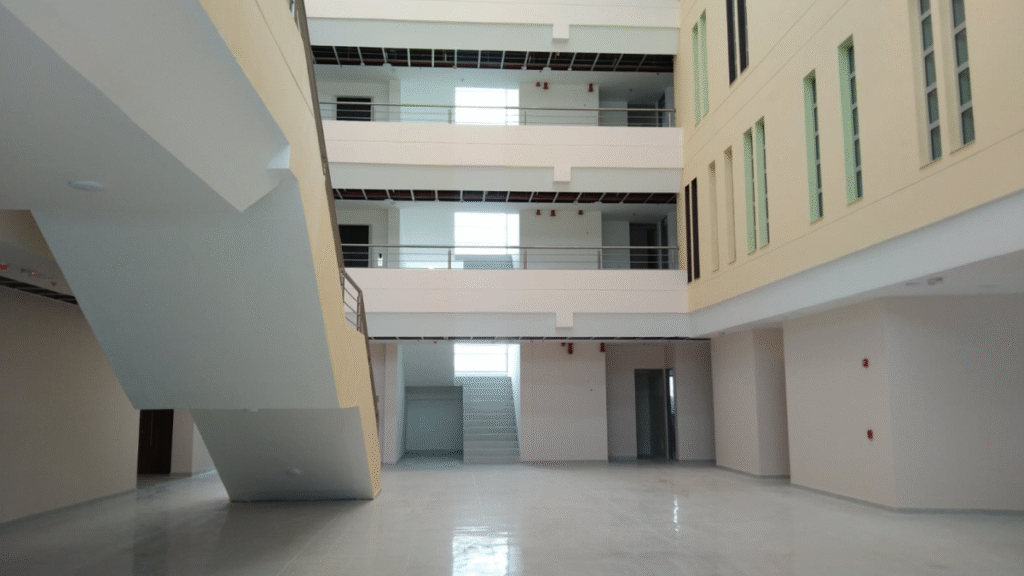
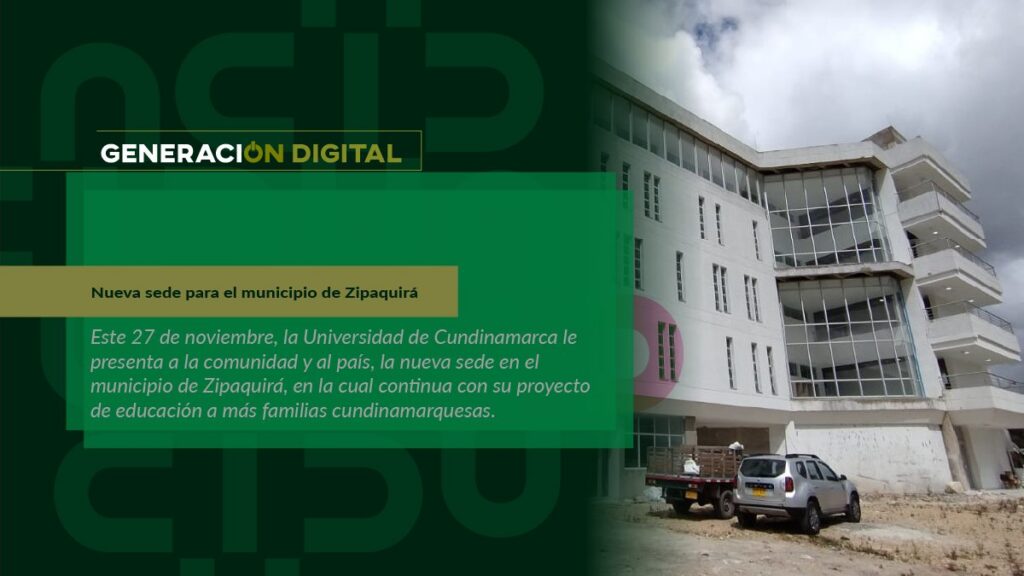
Carlos Augusto Trujillo: We have been making positive progress. The completion of the building is in its third phase. This opening will guarantee access to higher education for more people from Cundinamarca. We have focused heavily on infrastructure and the High-Quality Accreditation process.
We hope to open the new headquarters in the last quarter of 2024.
ANUC: How has the implementation of the Transmodern Digital Educational Model (MEDIT) been during the first semester at the Zipaquirá extension?
Carlos Augusto Trujillo: Work has been underway on a program that is accredited in High Quality and on developing a pathway to certify the Zipaquirá extension in High Quality. Likewise, we are strengthening MEDIT through the pillars that structure the educational model.
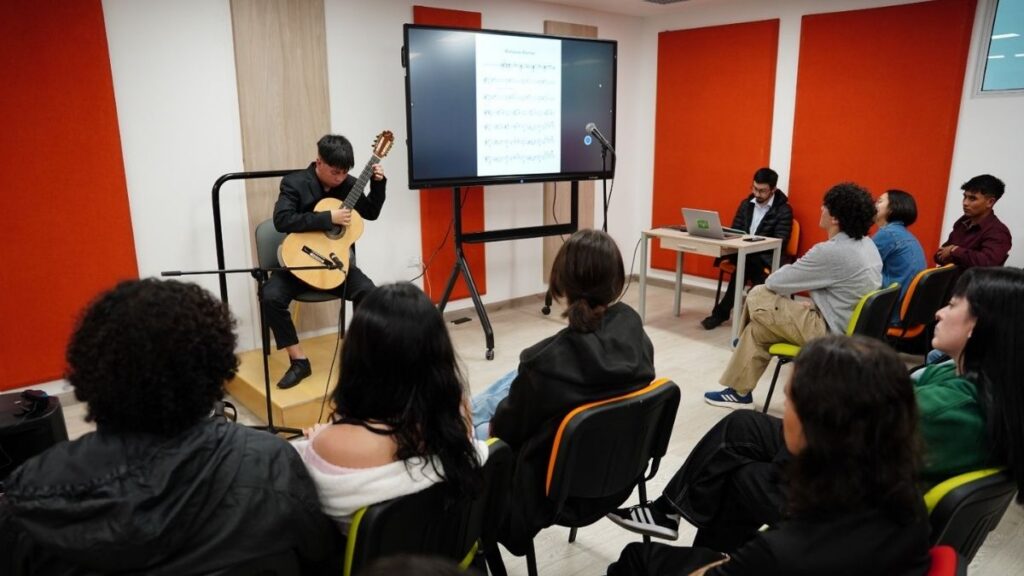
It is worth highlighting that the disciplinary learning fields are accompanied by academic field trips and the training process of the Music program. We have strengthened the institutional learning field through the implementation and bridging of gaps for our future professionals with the appropriation of 21st-century citizenship, the training in a second language, and educational spaces for the development of entrepreneurship skills.
We have integrated the MEDIT with our Cultural Learning Field, Music with Heart, through visits to historical sites in the municipality of Zipaquirá.
ANUC What were the results for the first semester?
Carlos Augusto Trujillo: In the Zipaquirá district, we implemented budget line 43% for operating and investment expenses. We have achieved positive results, as these operations have enabled us to develop the Training Plan for our future musicians.
We carried out more than six academic outings backed by the budget, and developed activities and participation in University Fairs, positioning the university as the best ally for access to public higher education in the department. We created partnerships with the Municipal Mayor's Office to help close the gap between secondary education and access to higher education.
ANUC: What are the challenges for the second semester of the academic year?
Carlos Augusto Trujillo: We have major challenges. The main one is the completion of our first building where we will develop the Music program. It is a challenge for us that we hope to have fully enabled in the last quarter of the year, with all the necessary elements for the education of our students.
The academic offering is something we have been working on; we want to have visits from the Ministry of Education in order to offer the Psychology and Bachelor's in Languages programs. We want to start drafting a document for the International Business program.
We hope to have the endorsement of the Superior Council to continue advancing in the strengthening of the academic offerings in the municipality and the region.
We want to be the best partner for the construction and execution of development plans in higher education, strengthening early childhood training schools in order to turn them into nurseries for our future Music program students.
News
News
News
News