Artistic circulation strengthens culture in the Sabana
The institution promotes artistic circulation in Zipaquirá with music, knowledge, and a digital repository that preserves the cultural memory of the territory.
By: Alejandro García Suárez – Advisory Office of Communications
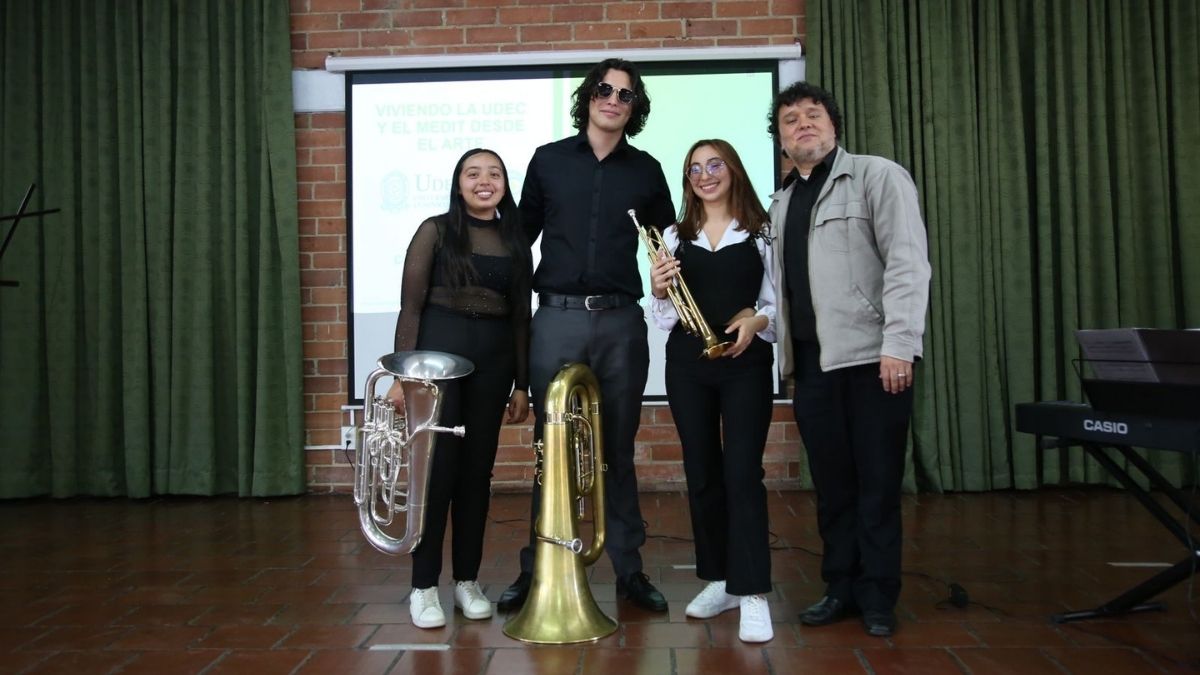
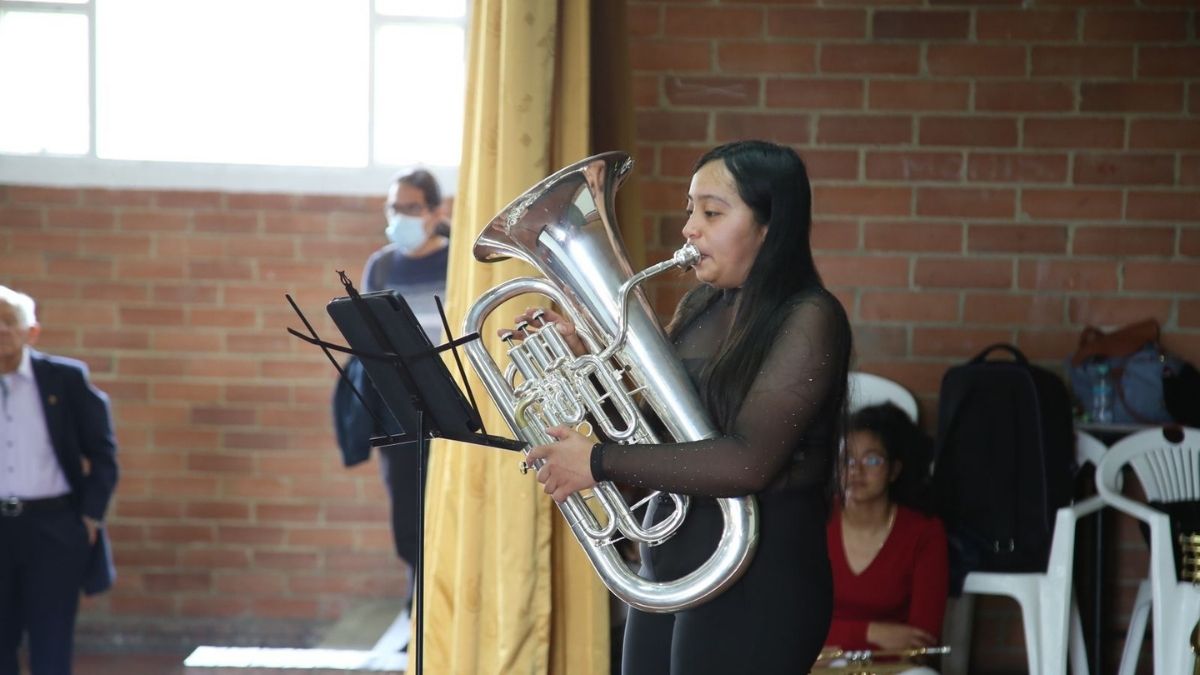
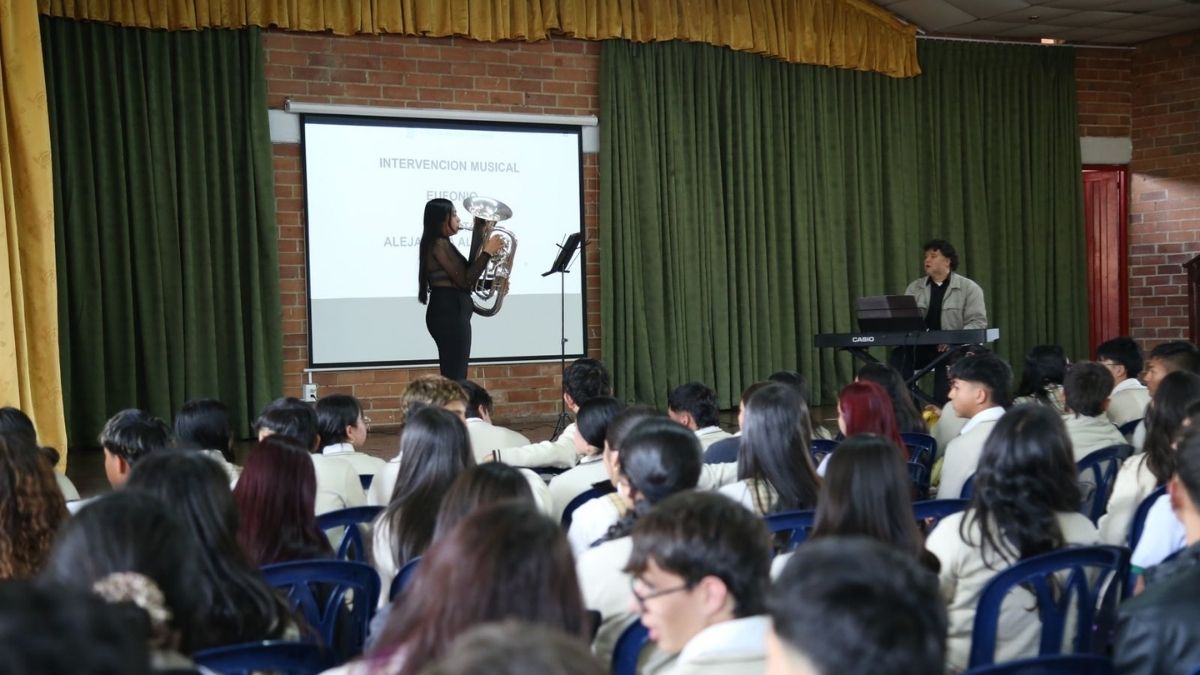
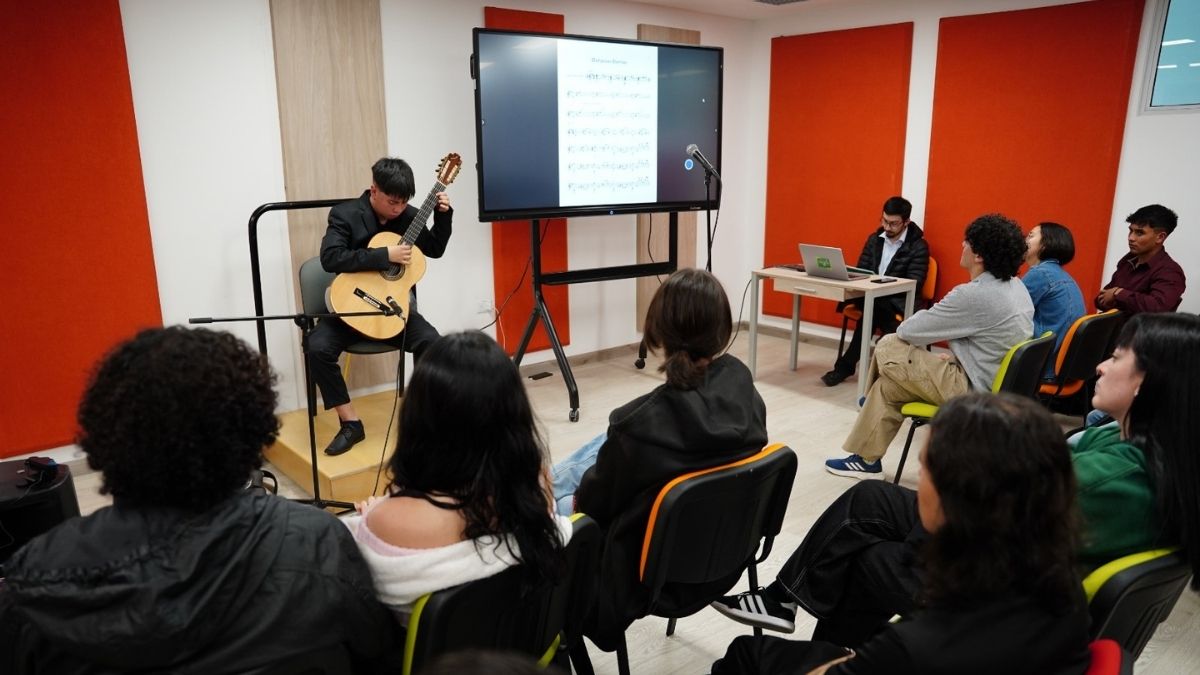
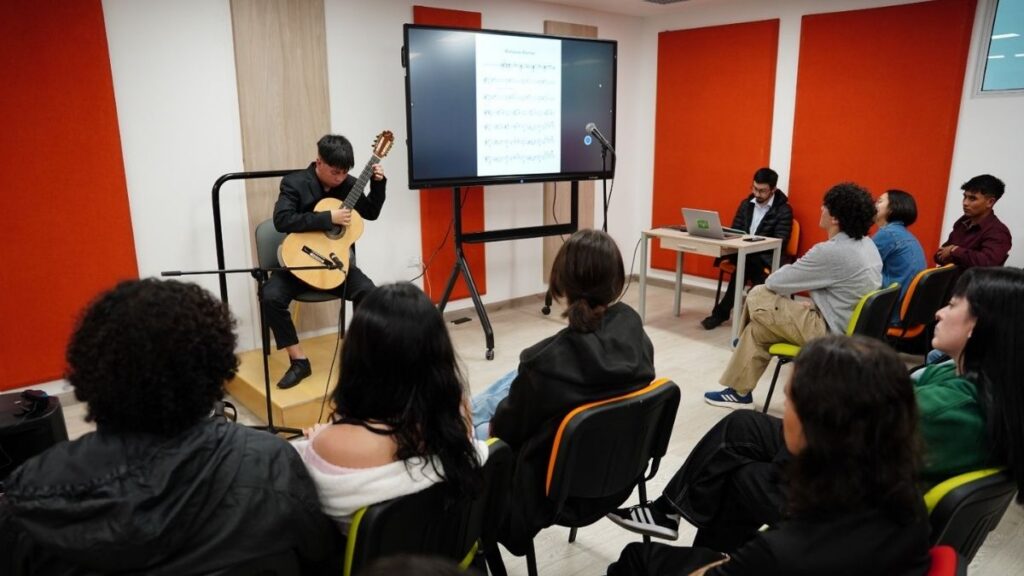
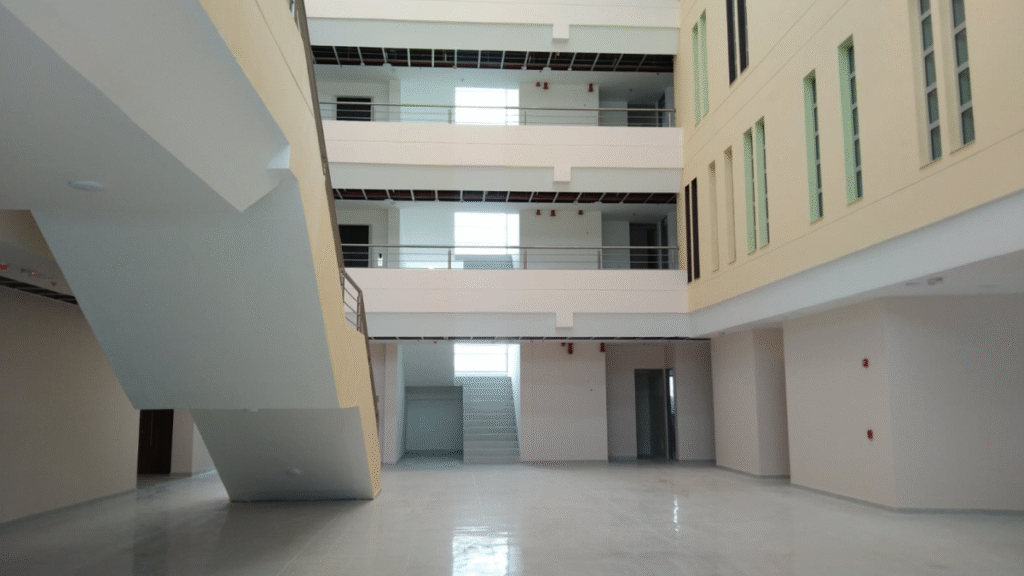
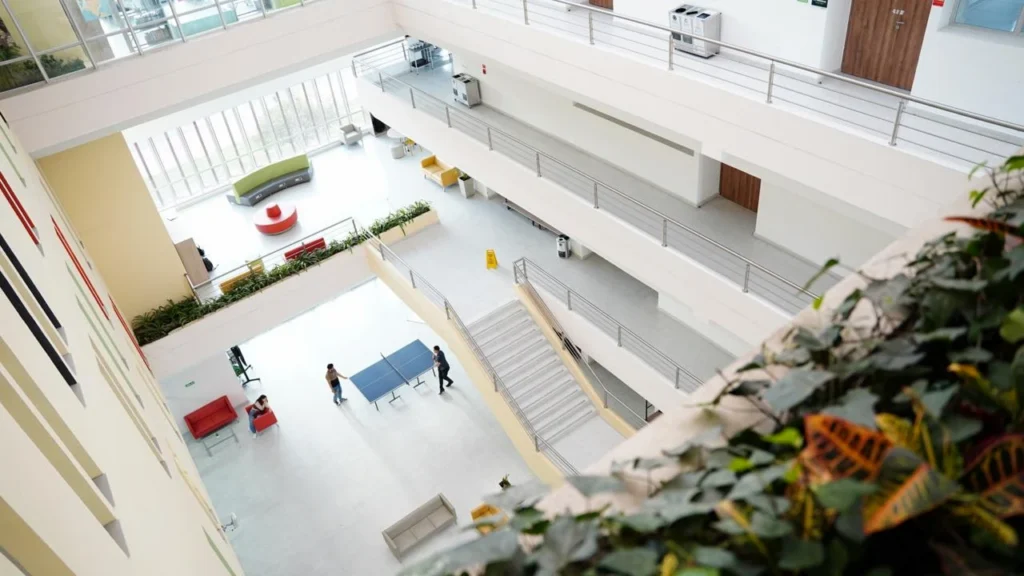
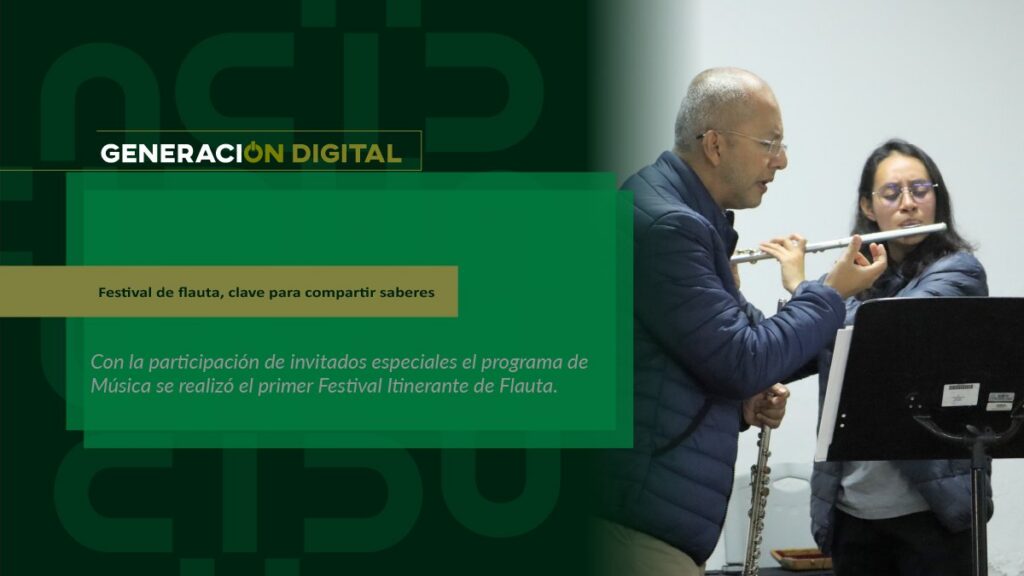
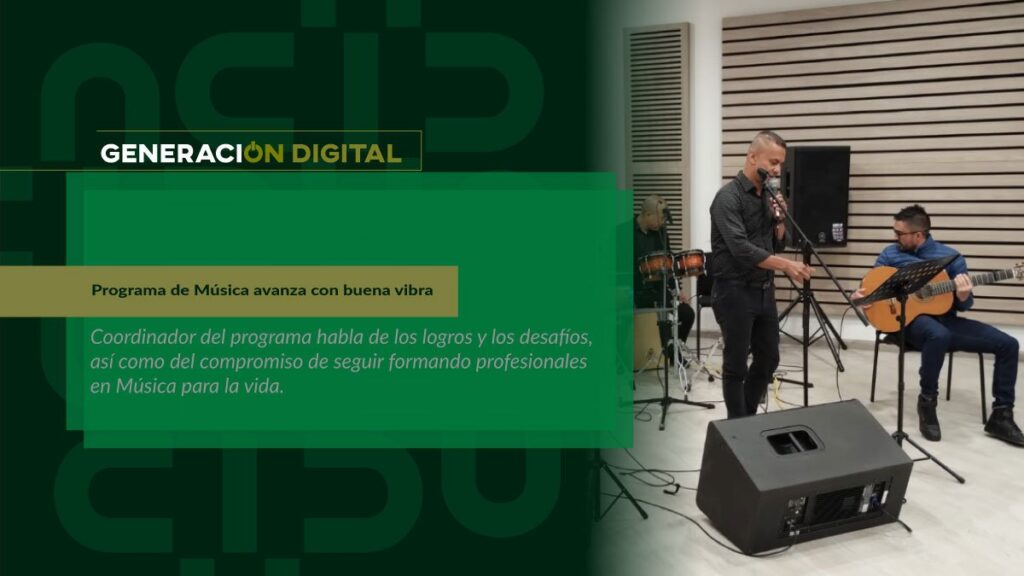
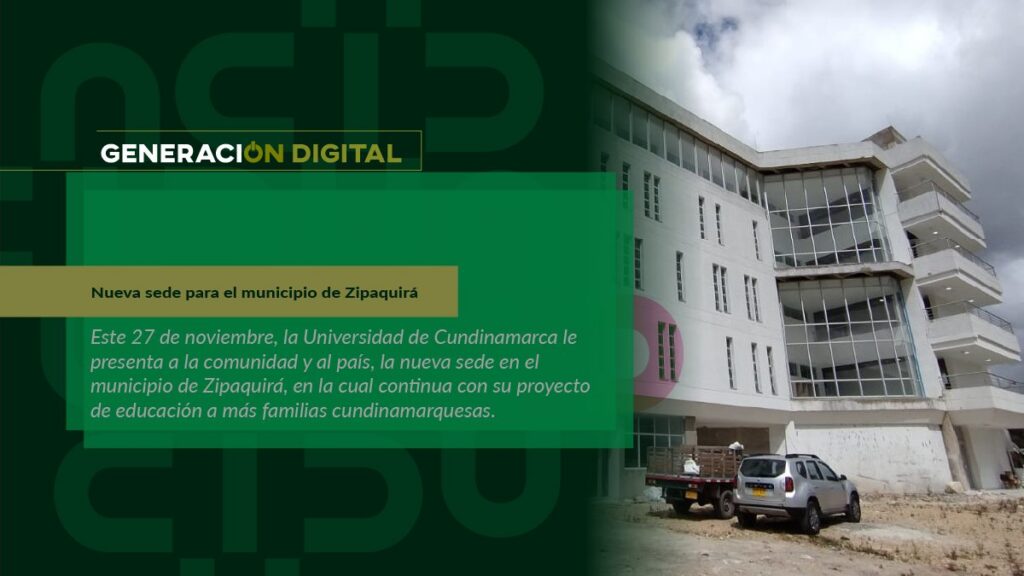
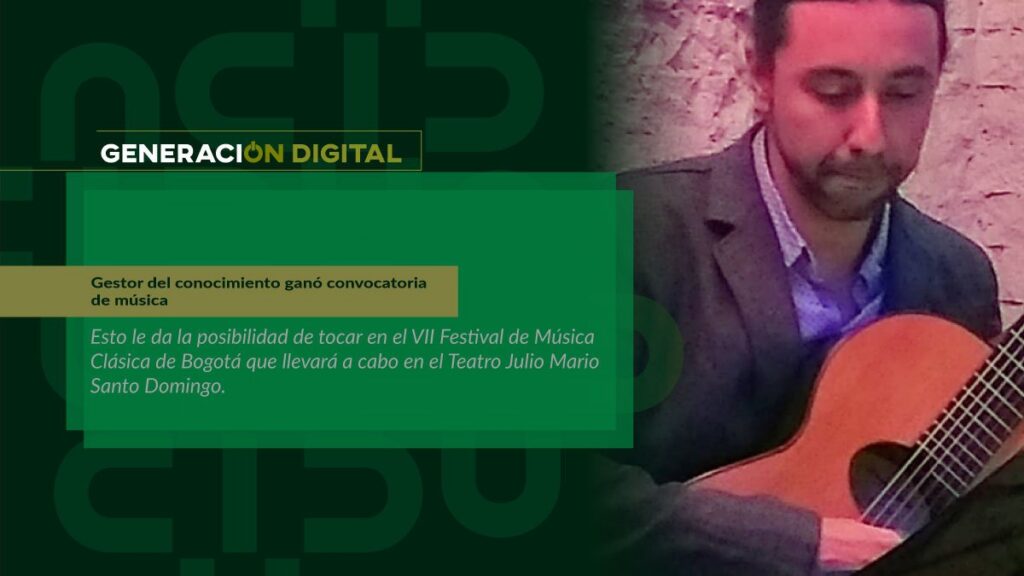
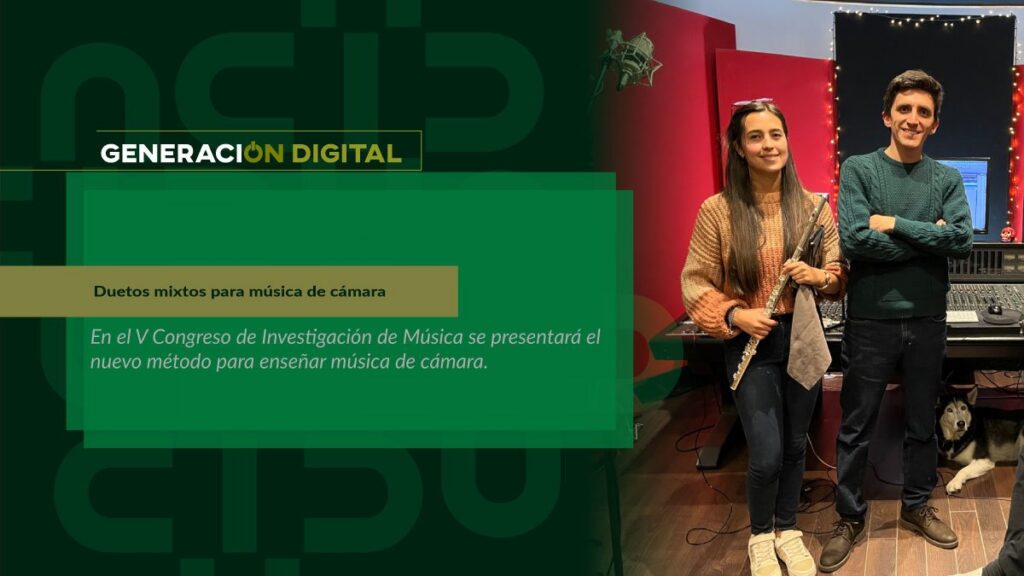
As part of a University Social Interaction (ISU) project, progresses the Fourth Season of Artistic Circulation of the Music Program, an initiative developed at the Zipaquirá campus that seeks to strengthen the bond between academia and the region.
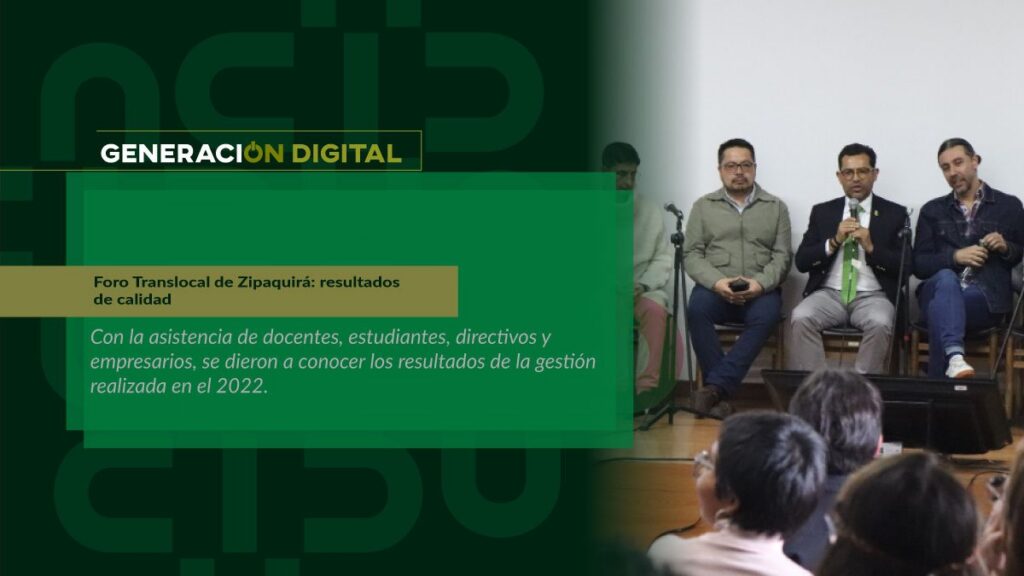
According to Ivonne Martitza Ibarra Pinilla, Knowledge and Learning Manager and coordinator of the cross-curricular Humanities area, this project promotes the circulation of artistic, pedagogical, and investigative knowledge, generating spaces for encounter among Knowledge and Learning Managers, Opportunity Creators, graduates, and cultural actors from the Sabana Centro region of Cundinamarca.
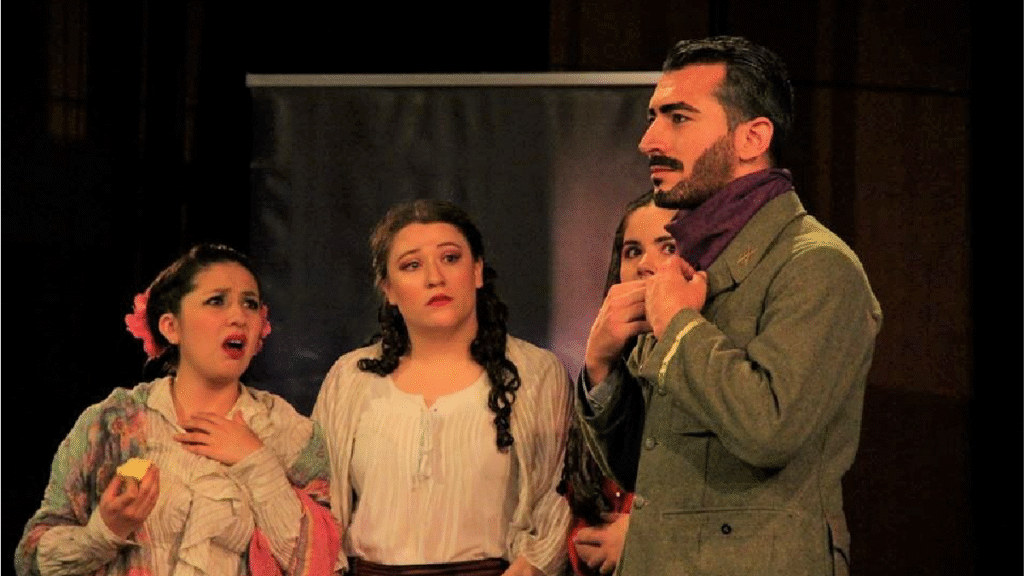
During its initial phase, advanced in February, planning, socialization, call for submissions, and curation of proposals processes were carried out. As a result, eight initiatives participated, of which five were selected for execution during the first semester of 2026. These proposals will be developed through presentations, artistic creation workshops, and interactive concerts, with the purpose of promoting the social management of musical knowledge, rescuing sound traditions, and strengthening the regional cultural fabric.
As part of the technological interaction and knowledge digitalization component, the project also consolidated the creation of the digital repository on Spotify entitled “Podcast UCundinamarca Radio: Sounds of the Sabana”, a space aimed at preserving and disseminating the sonic memory of artistic, research, and pedagogical experiences related to the traditional music of Cundinamarca.
The first episode, entitled “Sidewalk Memories”, presents a conversation between Maestro Samir Elías Aldana Sayin, César Augusto Sanabria Chaves, and Maestro Andrés Felipe Cely Triana, musician, requinto performer, composer, and professor at the Music Program, who shares his experiences and reflections on the traditional music of the department.
With this strategy, the University projects knowledge toward translocal environments, allowing students, graduates, researchers, and the general community to access this content from anywhere, strengthening cultural memory, digital citizenship, and the appropriation of regional musical heritage.