With its goals achieved, historic investment, and strategic projections that strengthen its regional impact, the Facatativá Extension closed out 2025.
By: Alejandro García Suárez – Advisory Office for Communications.
The institution continues to consolidate its commitment to educational quality and territorial development. In a dialogue with the UCundinamarca News Agency, Dr. William Andrés Castañeda Celeita, Administrative Director of the Facatativá Extension, presented the balance of the 2025 institutional management, highlighting financial results, infrastructure improvements, strategic alliances, and the challenges that will set the course for the branch in 2026.
UCundinamarca News Agency (ANUC): What is the general assessment of the administrative management in the Facatativá Extension during the year 2025?
William Andrés Castañeda Celeita (WACC): The overall assessment is highly positive. All actions outlined in the Annual Management Plan—which is aligned with the Institutional Development Plan—were 100% completed %, with quarterly monitoring based on clear management indicators.
In terms of fiscal matters, we achieved a budget execution rate of 89.22 %, exceeded the revenue target for continuing education by 148 %, and surpassed the hiring target by 200 %, allowing us to close out the year with peace of mind and administrative accountability.
A significant achievement was the increase in revenue from the Cundinamarca University Stamp, which rose from 16 million pesos a few years ago to 322 million pesos—a 166 % increase. These funds are invested in infrastructure, science, technology, campus well-being, and support for student retention, thanks to coordinated efforts with the municipal governments of Facatativá and Bojacá.
ANUC: What were the main achievements reached in 2025 and which aspects do you consider priorities for strengthening?
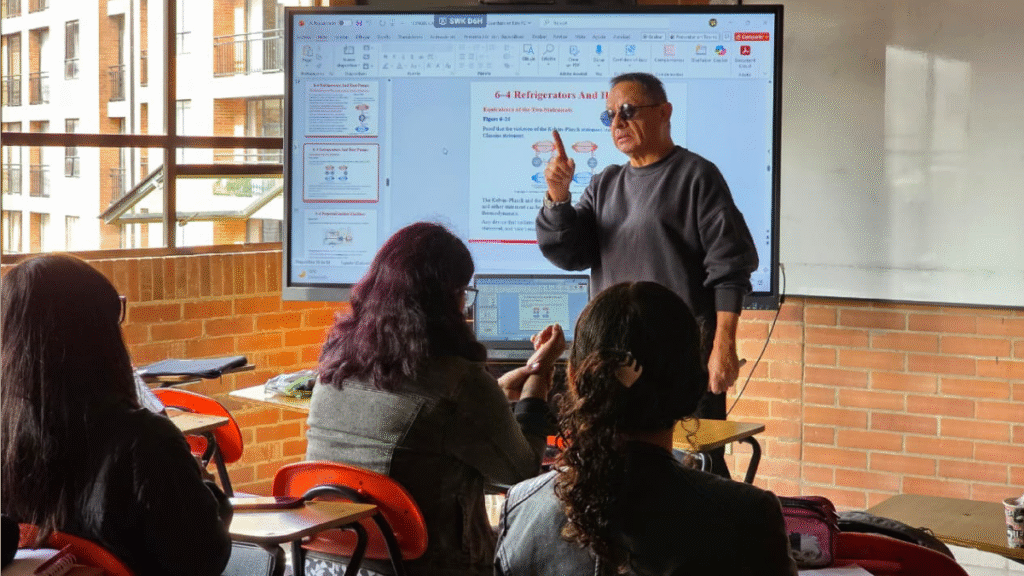
WACC: The achievements are concentrated on three major fronts. The first is administrative management, which allowed for the execution of seven contractual processes for more than 500 million pesos, aimed at the improvement of physical and technological infrastructure. I highlight the adaptation of sports facilities, the strengthening of the Entrepreneurship and Innovation Center (CDEI), the modernization of the agricultural sciences laboratory, the auditorium, and the spaces of the Knowledge Management and Learning Center (CGCA), responding to needs expressed by the students.
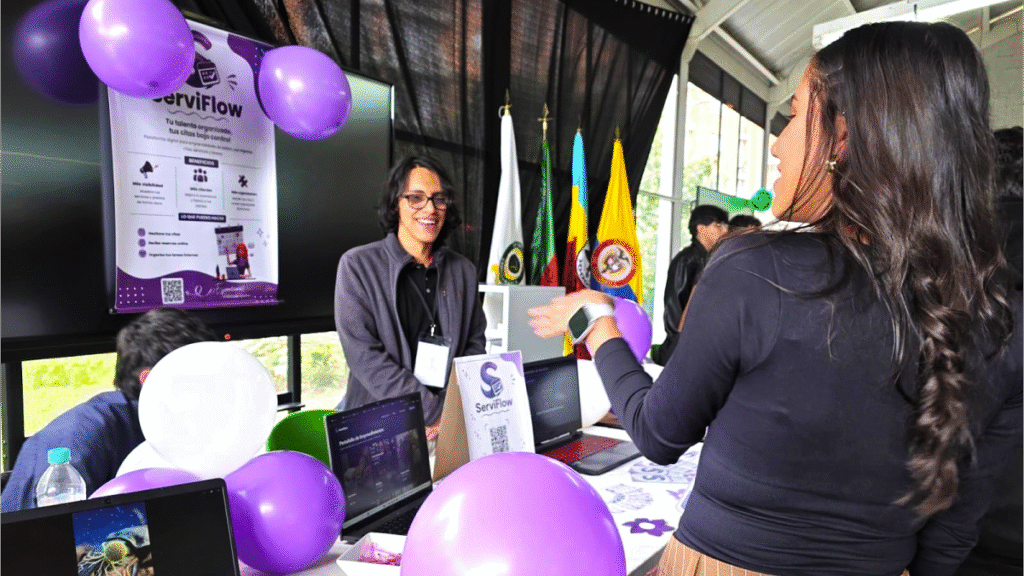
The second front is the articulation with the territory. During 2025, we consolidated six strategic alliances with public and private entities, impacting more than 2,000 people through complementary training processes and bringing the University to the territory, in coherence with MEDIT's translocality approach.
The third achievement was the deployment of the Social Innovation Laboratory, which made it possible to identify problems in the municipality of Facatativá, such as solid waste management, and to build care pathways with institutional and community actors, strengthening the circular economy and environmental commitment.
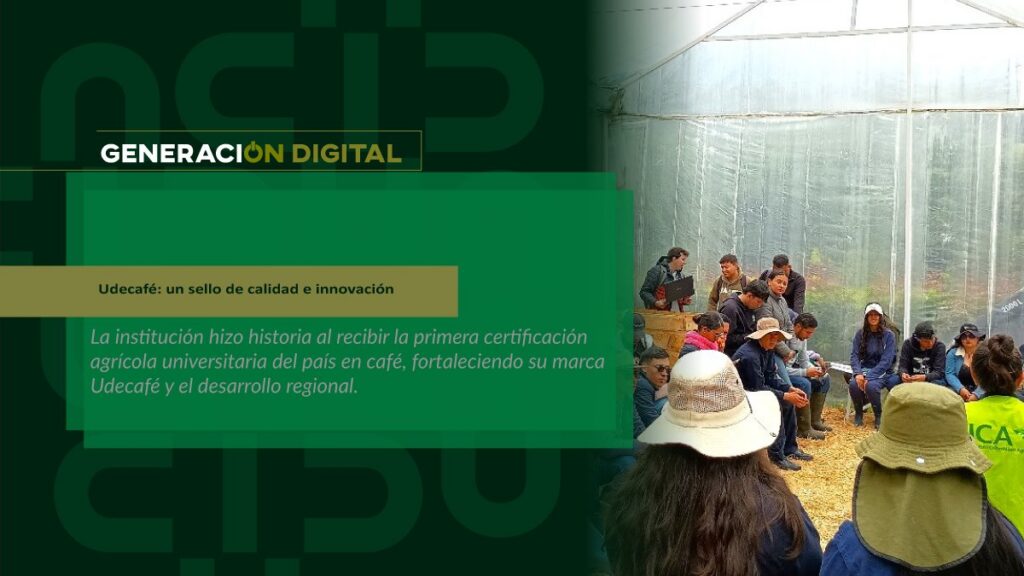
Additionally, we achieved Good Agricultural Practices certification for the El Vergel Agroenvironmental Unit by the ICA, benefiting Agronomy Engineering students and reaffirming our commitment to sustainability and educational quality.
ANUC: What administrative strategies are projected for 2026 and what will be the key strategic lines?
WACC: In 2026, we will continue strengthening dialogic encounters with students and managers of knowledge and learning, from which projects arise that help close gaps and address the real needs of the university community.
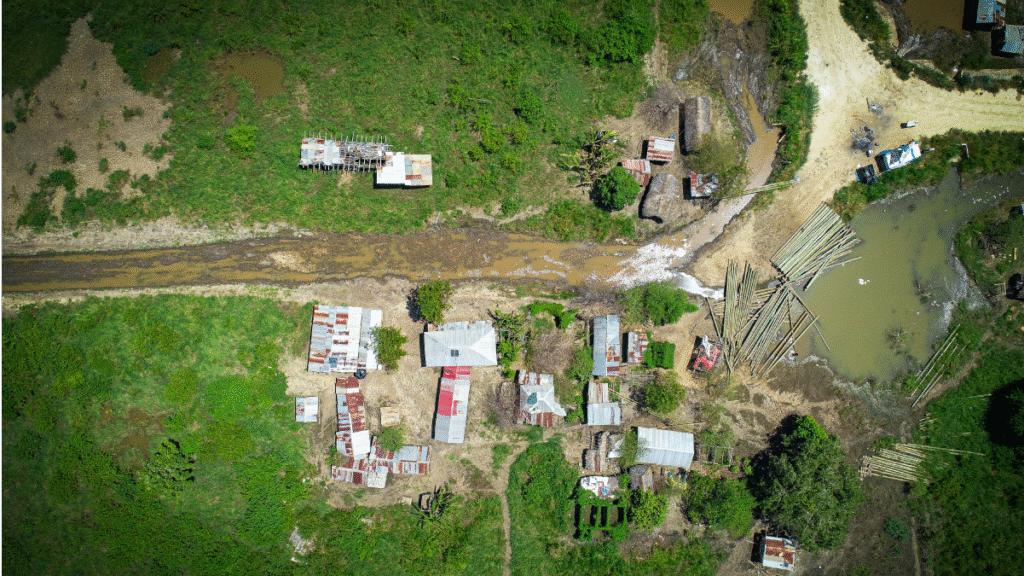
One of the great challenges will be the expansion and diversification of the academic offerings in Facatativá. In this regard, he highlighted the commitment of the rector and the municipal administration to the construction of a new university campus at the El Vergel Agroenvironmental Unit, a sustainable multi-campus with an investment of nearly 15 billion pesos, which will increase student slots and programs for the region.
Likewise, we will work toward high-quality accreditation for the Environmental Engineering, Agronomic Engineering, Systems and Computing Engineering, and Business Administration programs, along with an investment of nearly 900 million pesos for the construction of a hydraulics and water laboratory, which will benefit around 800 students.
The administrative management of the Facatativá Extension during 2025 demonstrates a University that is advancing with planning, territorial articulation, and a vision for the future. Looking ahead to 2026, UCundinamarca reaffirms its commitment to academic excellence, sustainability, and social transformation, strengthening its impact in the province and the department.