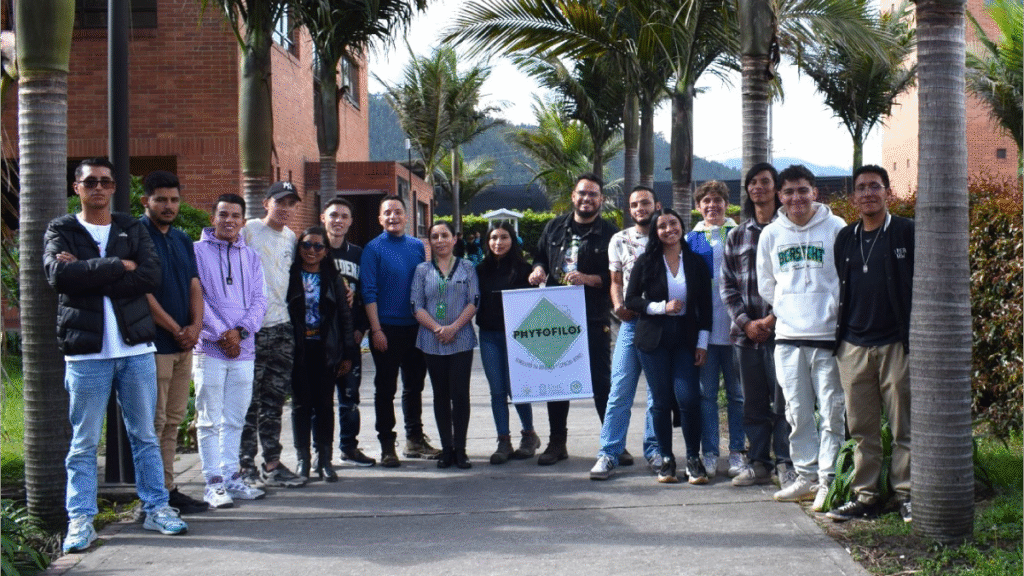
17 years of transformation in environmental engineering
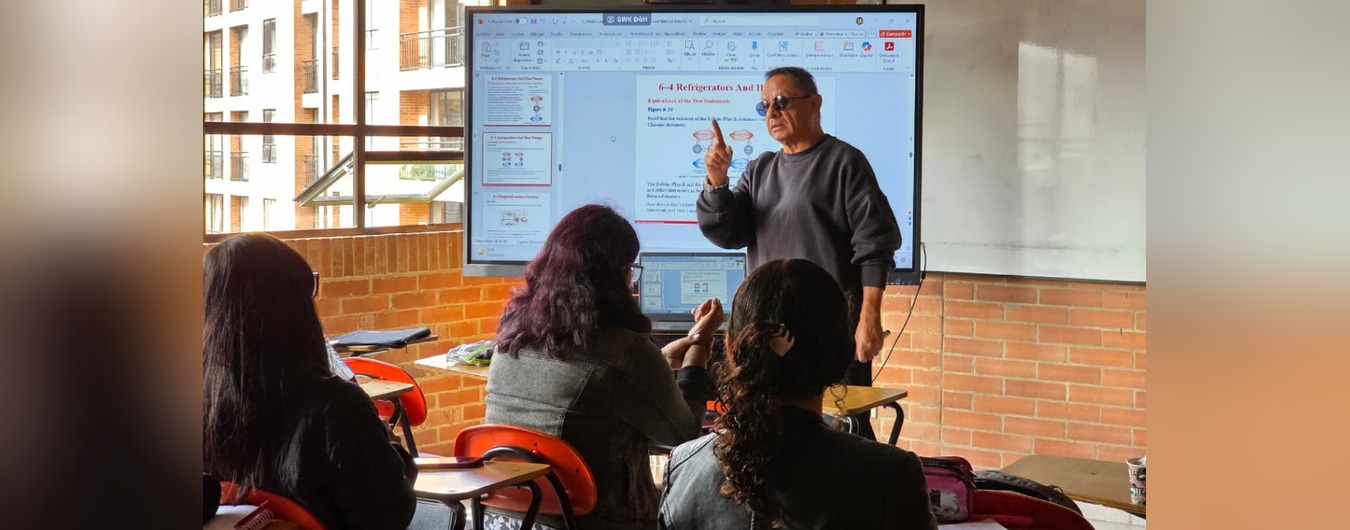
Alonso Ochoa, Environmental Engineering Knowledge Manager in Facatativá, recounts how the institution went from lacking technology to becoming a regional benchmark in 17 years.
In 2025, the 55th anniversary year of the University of Cundinamarca, the News Agency spoke with Alonso Ochoa Hurtado, Knowledge and Learning Manager for the Environmental Engineering program at the Facatativá campus, who has been with the institution for 17 years. His testimony reveals a profound transformation in infrastructure, technology, and academic approach that has positioned the university as a regional leader.
Alonso, who oversees the energy component of the program, emphasizes that “the changes have been very noticeable in terms of infrastructure, technological management, and administrative criteria.” The professor acknowledges that since Dr. Adriano Muñoz Barrera took the helm as rector, “a leading role has been played in infrastructure development, respecting the faculty and implementing policies and structural reforms that reflect changes in the global processes taking place in the Americas and the world.”.
The contrast with the past is striking. “Seventeen years ago, when I started, the university had the name of a university but lacked infrastructure, internet access, and audiovisual resources,” recalls Ochoa. According to the professor, at that time “there was a lack of administrative, operational, technical, and scientific criteria to address environmental problems and seek solutions to the impacts that affect not only nature but society in general.” Seventeen years of transformation in environmental engineering: Alonso Ochoa, Knowledge Manager of Environmental Engineering in Facatativá, recounts how the institution went from lacking technology to becoming a regional leader in just 17 years.
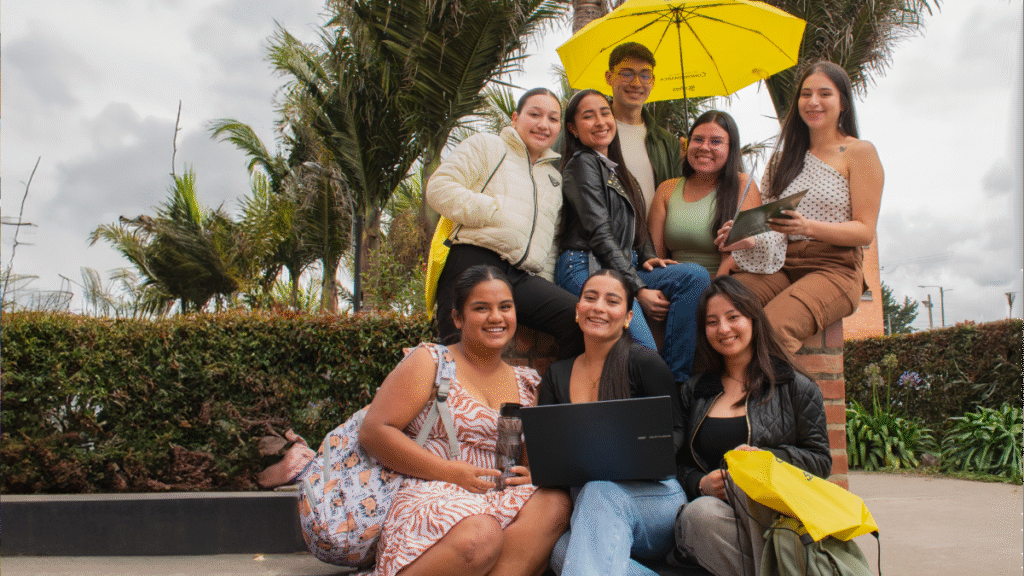
21ST CENTURY GENERATION. The new administrative changes have generated “a much more positive operation, with a significant increase in effectiveness and efficiency,” says Alonso. “The university contributes greatly to the development not only of Facatativá, but also of the department and the Colombian nation.” The professor maintains contact with graduates of the program who are “very well-placed in the job market, leaving a very positive mark that is extremely important for generating the corporate image that universities require at the global, national, and regional levels.” Regarding current challenges, Ochoa points out that the university faces “an extremely complex challenge, which is to involve society and work with the community.”.
The teacher recognizes the complexity of this process in the context of policies that globalize aspects that should be considered from more local perspectives. Another fundamental challenge is “the research context, applying scientific and formative research.” For Alonso, “the university has to generate spaces and formative aspects paramount in that process, not be immediatist, but rather globalize research in the medium and long term.”.
The professor identifies significant gaps with international universities in research. “There is a rather abysmal gap with universities around the world in that regard,” he acknowledges. However, he remains optimistic about the future: “It will depend on high-quality processes and the initiatives and policies of the administrative branch to achieve, in the medium and long term, efficient research that contributes not only to academia but to society in general.”.
Finally, Alonso highlights the fundamental role of the university in the current context: “The university is a beacon of light in complex environments. That characterization in terms of democracy, civility, and human values is fundamental.” For the professor, these institutional and academic values are supremely important for the comprehensive training of professionals committed to sustainable development and the social transformation of the Cundinamarca region.