News
2026-09-24
Human rights: part of professional training?
By: Alejandro García Suárez – Advisory Office of Communications


I am your virtual assistant, here to help you quickly and easily.
▲ Back to Top
By: Alejandro García Suárez – Advisory Office of Communications
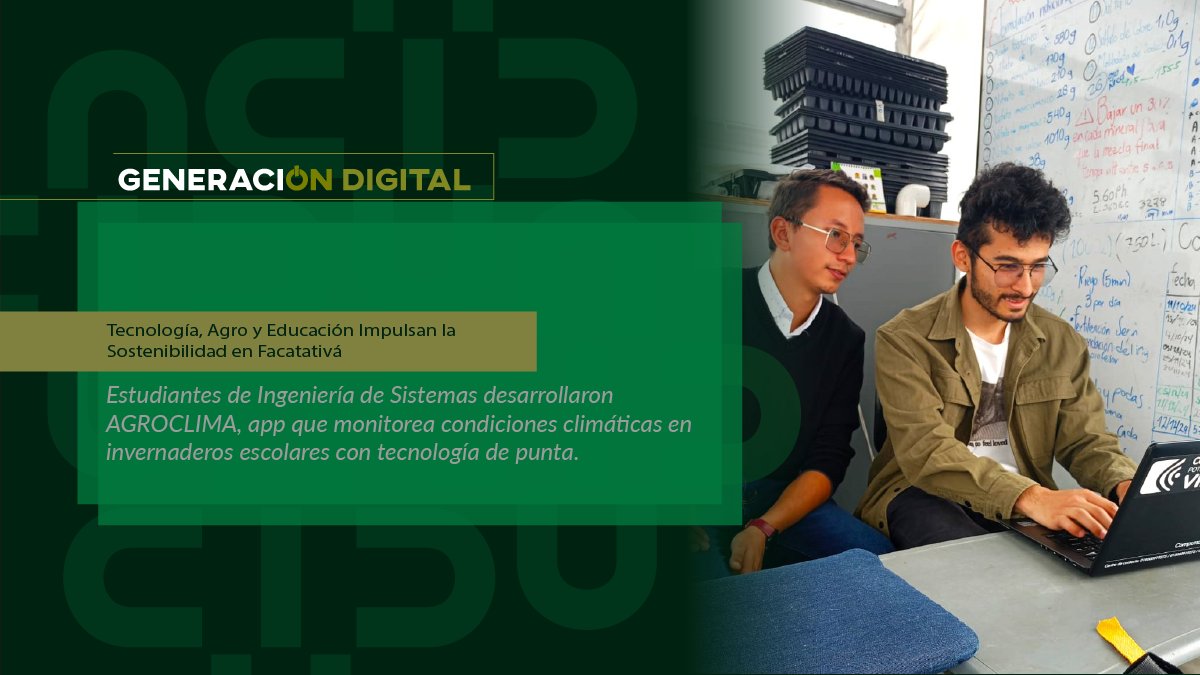
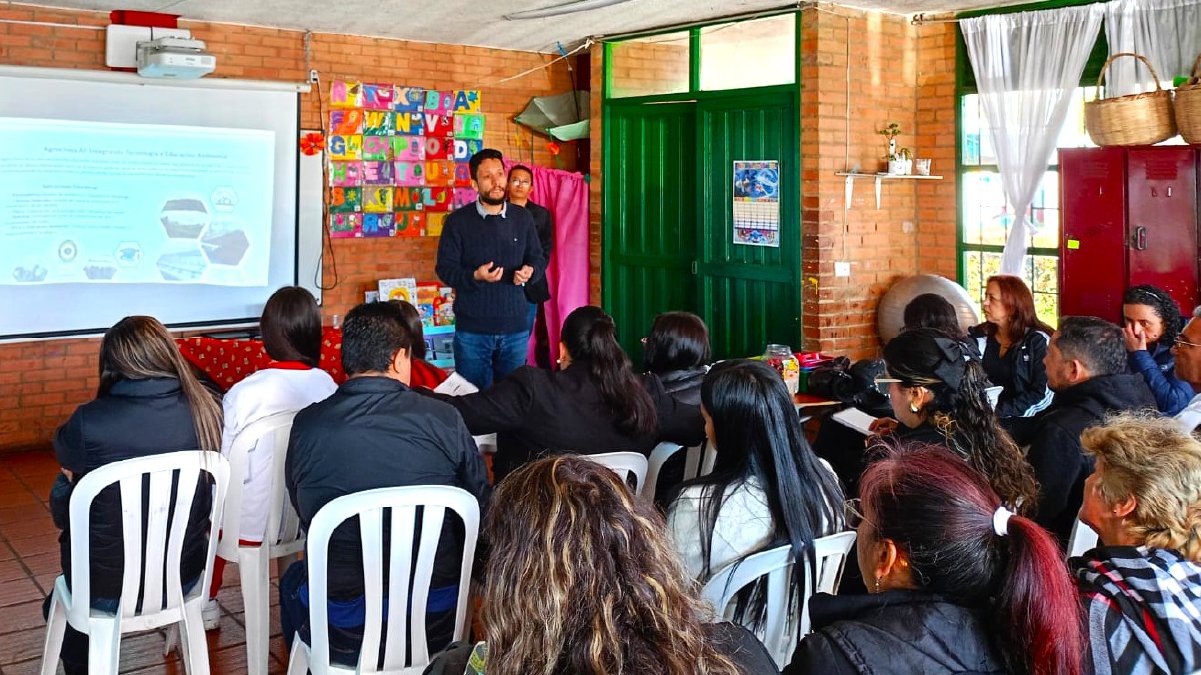
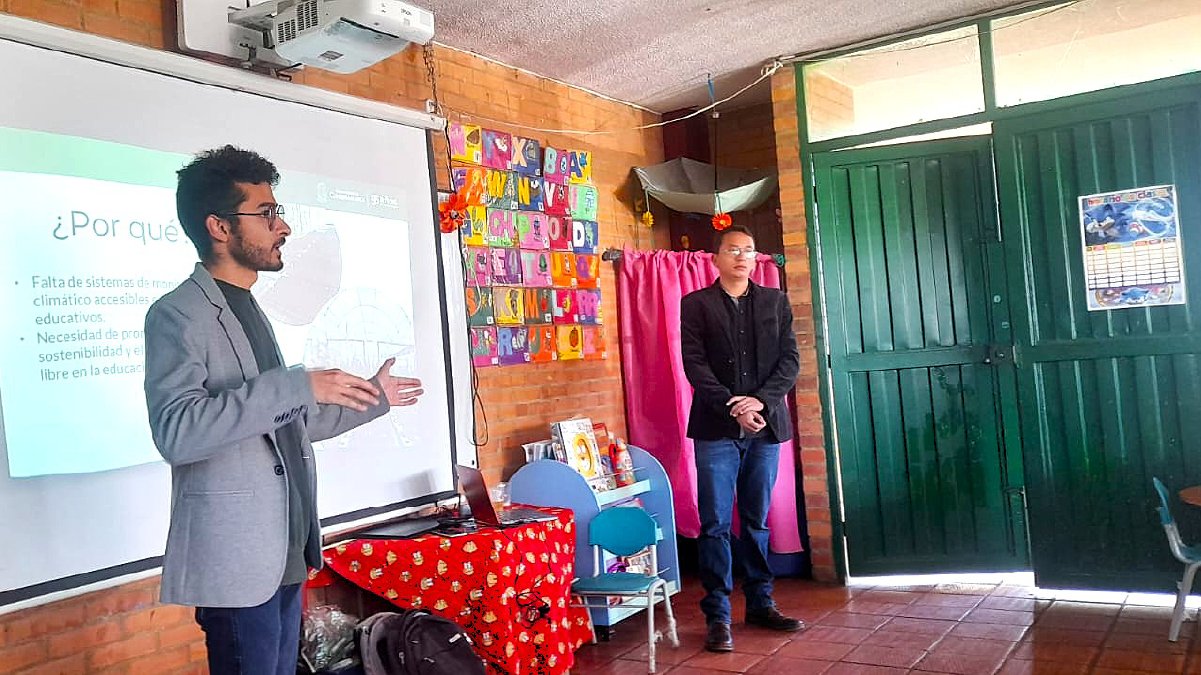
The University of Cundinamarca, through the Systems and Computing Engineering program, Facatativá extension, officially delivered the AGROCLIMA application to the Policarpa Salavarrieta Municipal Agricultural Technical Educational Institution in the municipality of Facatativá, Cundinamarca, on May 23rd in a day that included a workshop with the community.
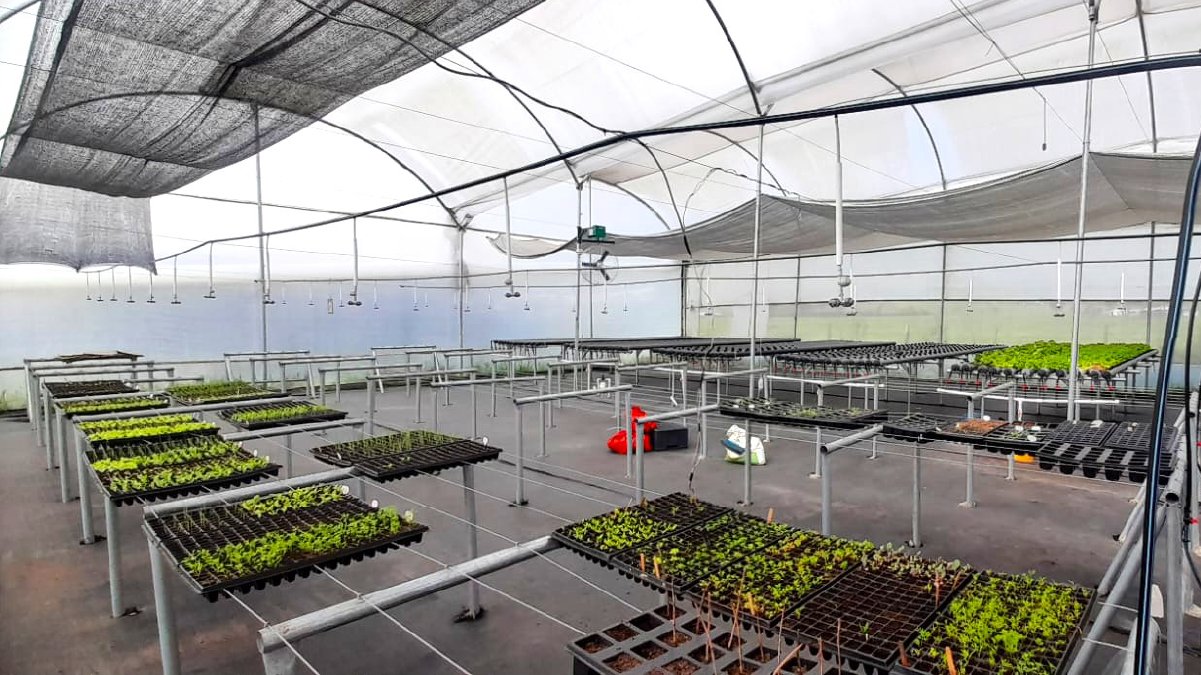
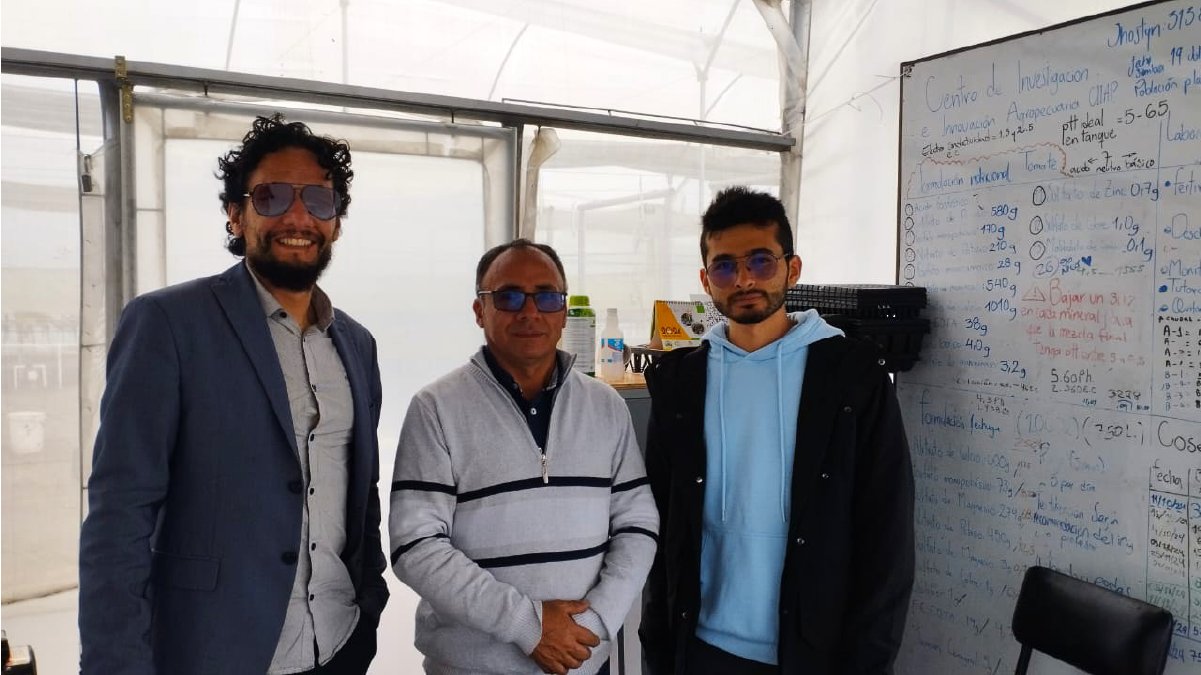
This technological tool, which will revolutionize agricultural learning in the region, arose from a need identified at the school's Agricultural Research and Innovation Center, where students conduct greenhouse practicals. The institution required a cloud-connected platform integrated with IoT (Internet of Things) sensors to measure environmental variables.
The project was developed by Systems Engineering students Diego Fernando Angarita and Nelson Gabriel Cárdenas, under the direction of Knowledge Manager John Monzaide Álvarez Cely, who explained that the application uses artificial intelligence and the Internet of Things (IoT) to measure variables such as temperature, humidity and luminosity.
Diego Fernando Angarita, one of the students who developed the project, explained how the system works: “We implemented sensors that collect environmental information, which is sent to a server and then presented to the user through an intuitive graphical interface. We used augmented reality technologies for the development of the interface and a microcontroller for capturing data from the sensors.”.
The student added that the institution also had an open-air weather station that was not being used properly, so the project also integrated this tool to optimize its use.
“This activity represented a fundamental exercise for the transfer of knowledge and connection with the local educational environment,” Álvarez Cely highlighted during the training day aimed at teachers, secondary school students and parents.
AGROCLIMA allows for greater control over the microclimatic conditions of the school greenhouse, fostering learning in real-world contexts through cutting-edge technological tools. Users can monitor the growing environment in real time and make informed decisions to optimize production.
Sustainable experience
As part of the day, the workshop “LESTOMA Project: Synergy for a sustainable future” was also developed, led by the Knowledge and Learning Manager of the Systems and Computing Engineering program in Facatativá, engineer Jaime Eduardo Andrade Ramírez, leader of the GISTFA research group.
This workshop addressed the potential of aquaponics as an innovative solution to challenges such as water scarcity, soil degradation, and the overuse of chemicals in agriculture. “The LESTOMA Project is an innovative aquaponic system that integrates AI, sustainability, and smart agriculture to produce rainbow trout and vegetables. The prototype automates the control of variables using sensors and specialized software, estimating the weight of the trout with 2D images to dose their feed,” stated Andrade Ramírez.
The initiative is part of the strategy to strengthen educational and technological innovation, within the process of articulation between secondary and higher education promoted by the University of Cundinamarca.
This experience is part of the University Social Interaction (ISU) actions, aligned with the Transmodern Digital Educational Model (MEDIT), consolidating research, social responsibility and sustainability as pillars of regional development.
Listen to our Podcast:
News
News
News
News