News
2026-09-24
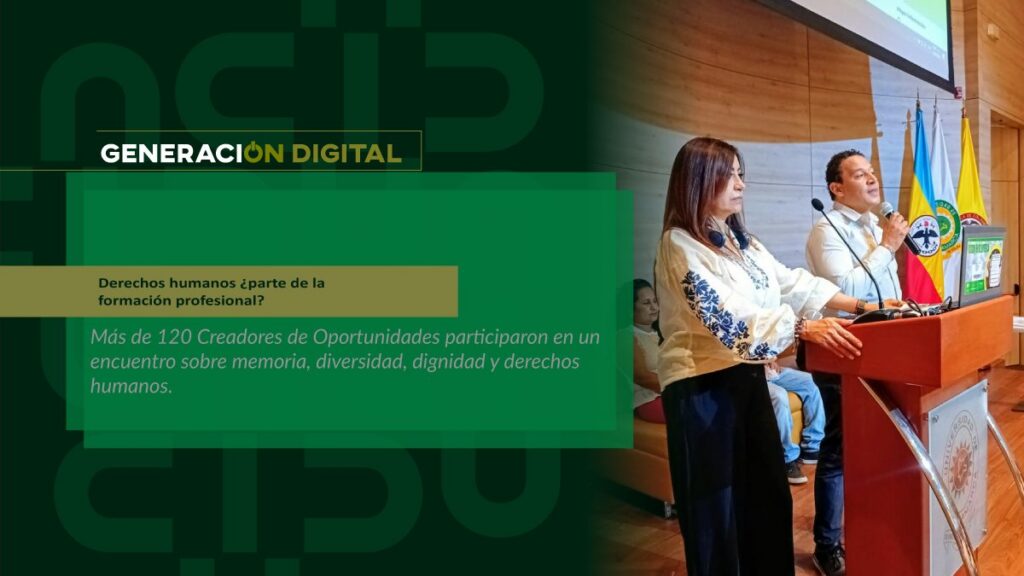
Human rights: part of professional training?
By: Alejandro García Suárez – Advisory Office of Communications



I am your virtual assistant, here to help you quickly and easily.
▲ Back to Top

By: Alejandro García Suárez – Advisory Office of Communications
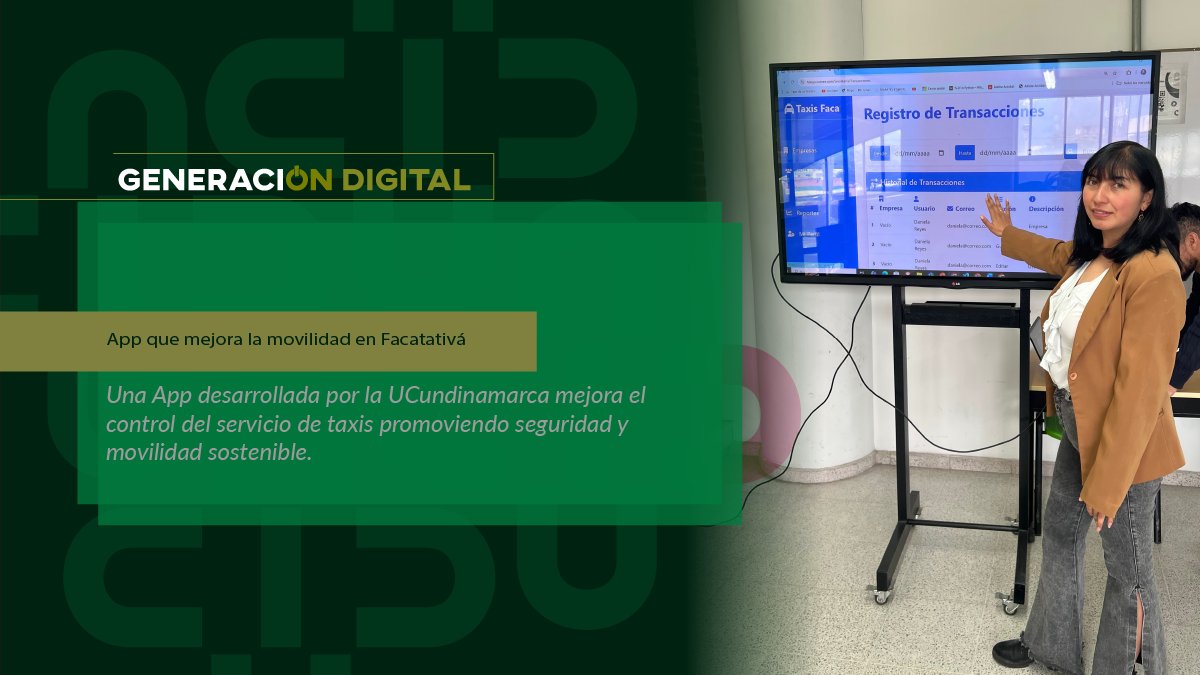
A technological solution created by students and professors at the University of Cundinamarca is now underway to transform public transportation in Facatativá. It is a web application that allows for the real-time registration, monitoring, and verification of taxi drivers in the municipality.
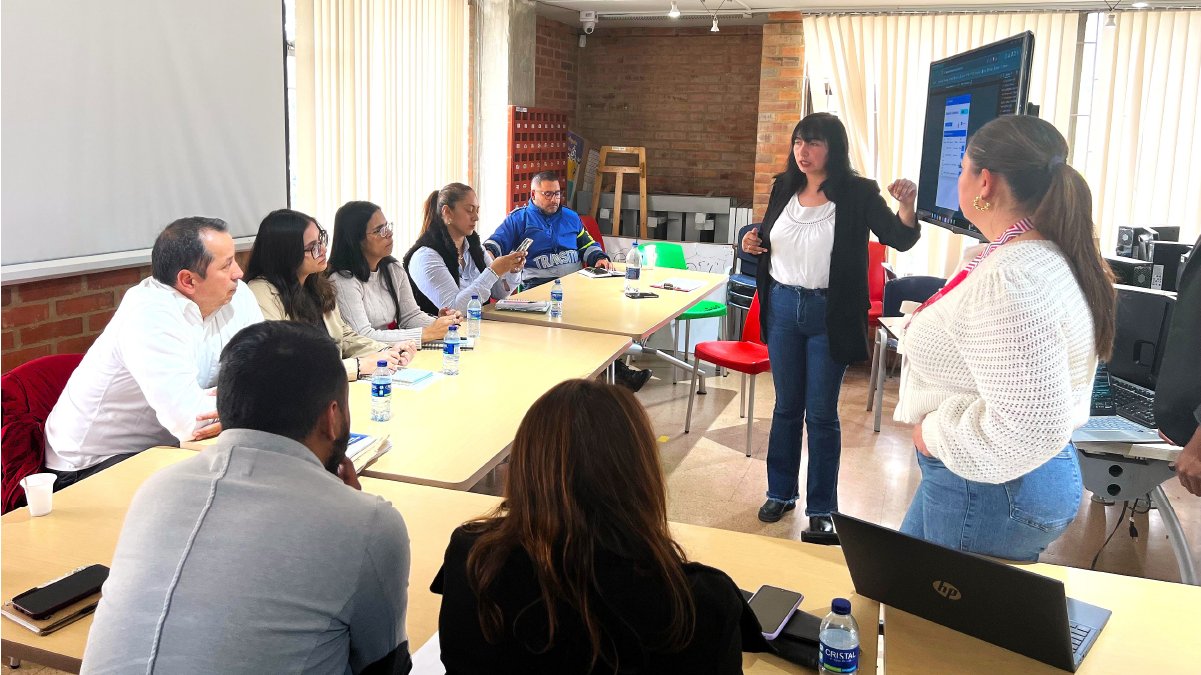
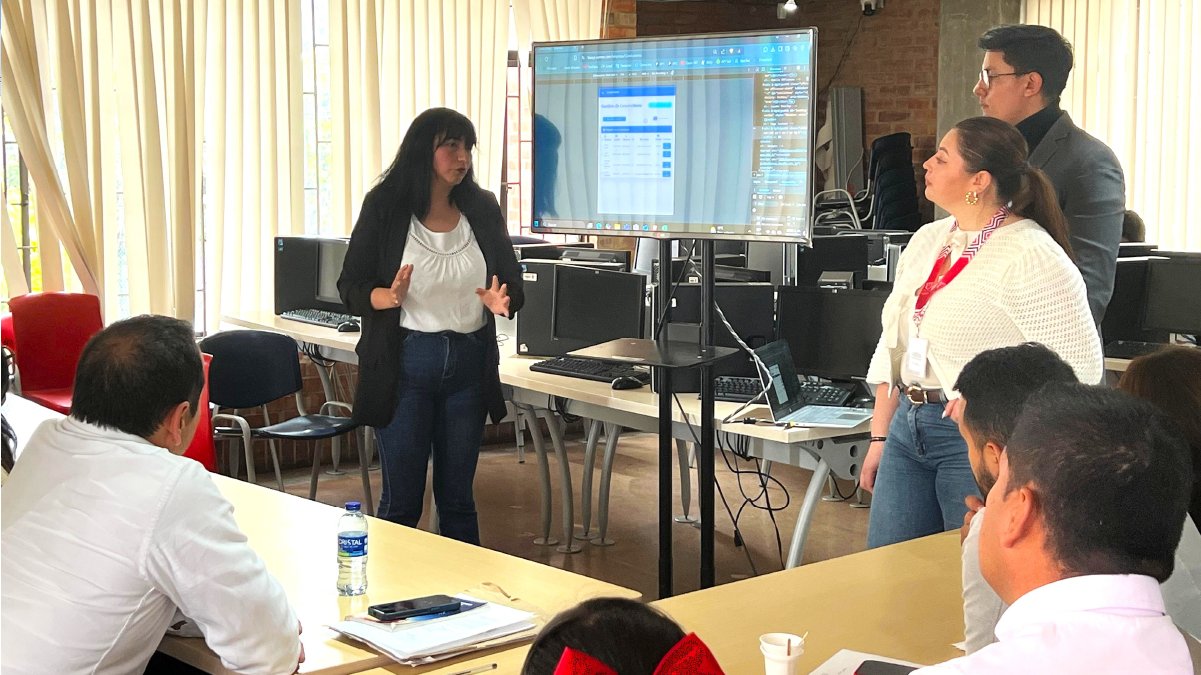
The project was developed by the Systems and Computer Engineering program at the Facatativá campus, in partnership with the Transit Authority, and with the support of the University Social Interaction Office (ISU). The initiative aims to ensure the legality of the service, streamline procedures, and improve the safety of drivers and passengers.
John Monzaide Álvarez Cely, Knowledge and Learning Manager, explained that this tool responds to the requirements of Decree 1079 of 2015, and aligns with Sustainable Development Goals 11 and 16, which promote inclusive, safe and sustainable cities.
Nathalia Andrea Caicedo Español, a student developer, highlighted that the application allows online verification of whether drivers are authorized, which helps prevent fraud and provides confidence to both authorities and service users.
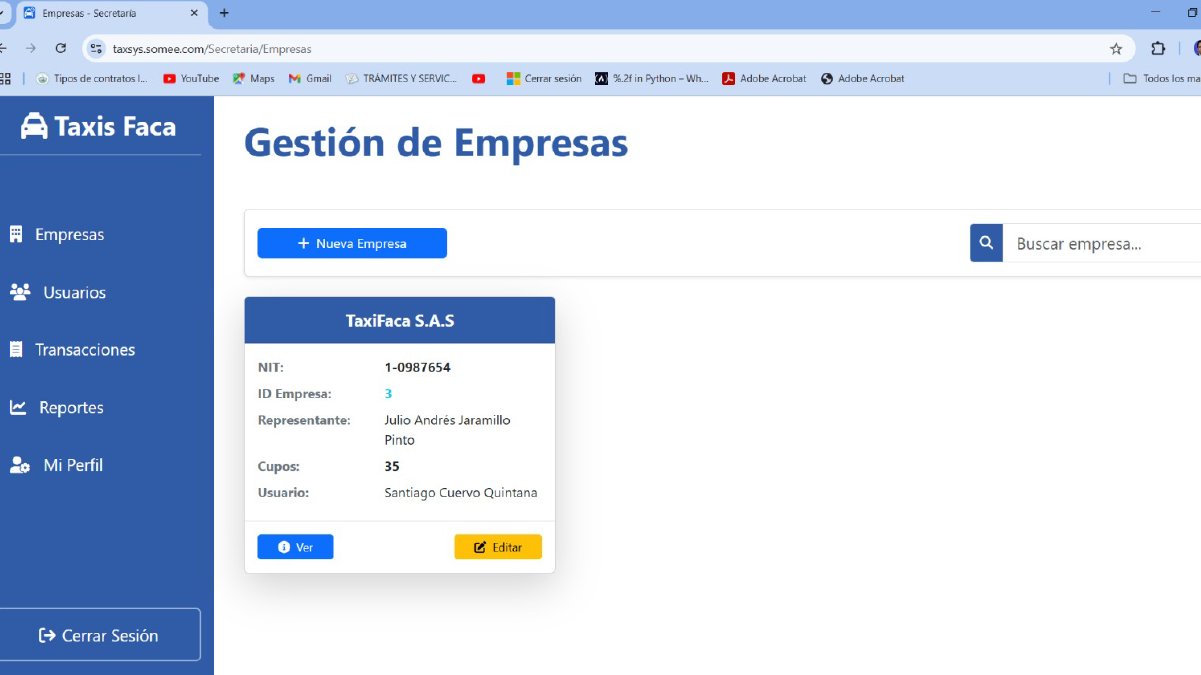
Santiago Cuervo Quintana, also a member of the team, explained that the platform improves permit management, reduces the use of physical documents, and can be adapted to other types of public transport, such as buses or motorcycle taxis, thanks to its scalable structure.
The tool's functions include a system that centralizes information for each driver, allows real-time monitoring of operations, and facilitates the traceability of each vehicle linked to the service.
In addition to improving administrative processes, this innovation strengthens transparency, reduces informality in taxi services, and contributes to environmental protection by reducing paper use.
The application is currently in a pilot phase with initial testing by the Transit Authority. It is expected to be implemented on a larger scale in the municipality in the coming months.
With this type of project, the University of Cundinamarca confirms its commitment to regional development, focusing on technological innovation and strengthening safe and efficient mobility for local communities.
Listen to our Podcast:
News
News
News
News