News
2026-09-24
Human rights: part of professional training?
By: Alejandro García Suárez – Advisory Office of Communications



I am your virtual assistant, here to help you quickly and easily.
▲ Back to Top
By: Alejandro García Suárez – Advisory Office of Communications
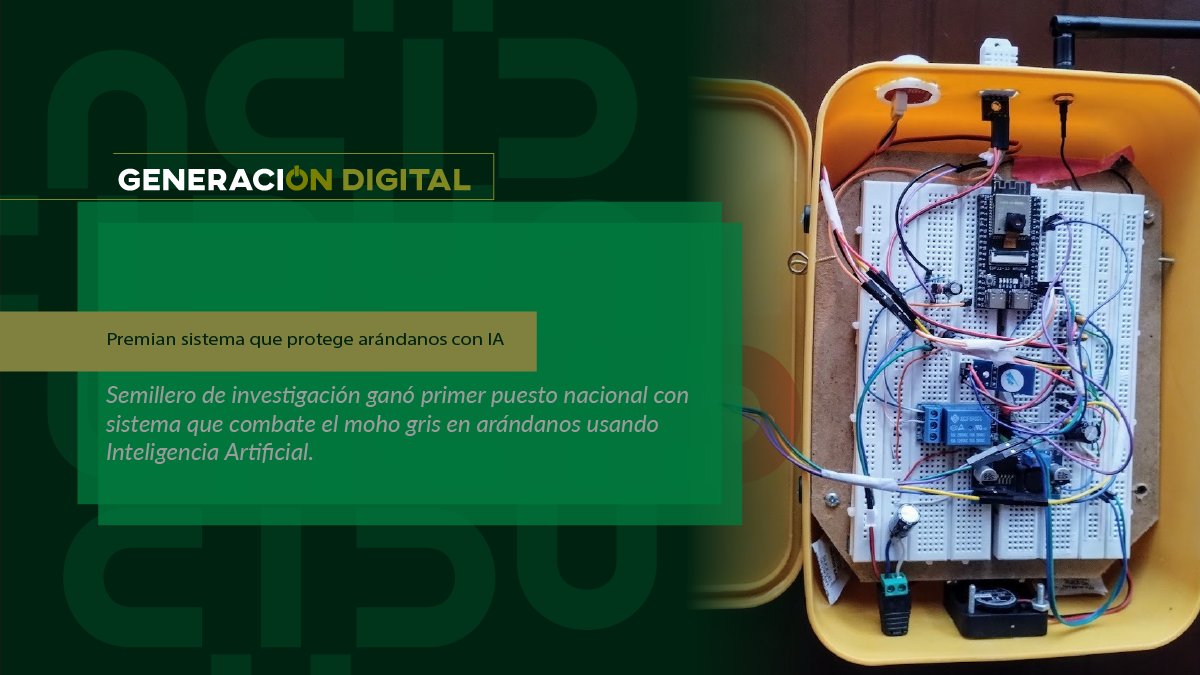
The LINUDECX research group of the Systems Engineering program at UCundinamarca, Facatativá extension, developed a system that detects fungi in blueberries using Artificial Intelligence and thermal cameras, obtaining first place in a national research meeting.
The project “Early detection system of Botrytis cinerea in blueberries using thermography and AI” seeks to combat gray mold, a disease that causes major economic losses in the cultivation of this fruit.
The research group received recognition on May 29 during the XI International Meeting of Research Groups “Impact of new technologies on environmental conservation”, held with the National Police, where they obtained first place in “Technological Research”.
Researcher Gina Maribel Valenzuela Sabogal, Knowledge and Learning Manager of the Systems Engineering program, explained that the low-cost prototype identifies diseased plants before visible symptoms appear.
“The system combines AI with infrared thermography to detect the fungus early, allowing for timely interventions and reducing losses,” Valenzuela Sabogal noted.
Transformative student experience
Juan Esteban Fuentes Rojas, a student involved in the project, shared his motivation: “It all started with a simple question while observing blueberry crops. I became concerned about how we could help farmers face such a silent threat as gray mold, which affects fruit quality and causes significant losses.”.
His colleague Gabriel Esteban Martínez Roldán emphasized: “It has been a rewarding experience. Our goal from the beginning was to create something with real and innovative impact. That's why we implemented infrared thermography, a little-used technique that we found in the literature.”.
Accessible technology
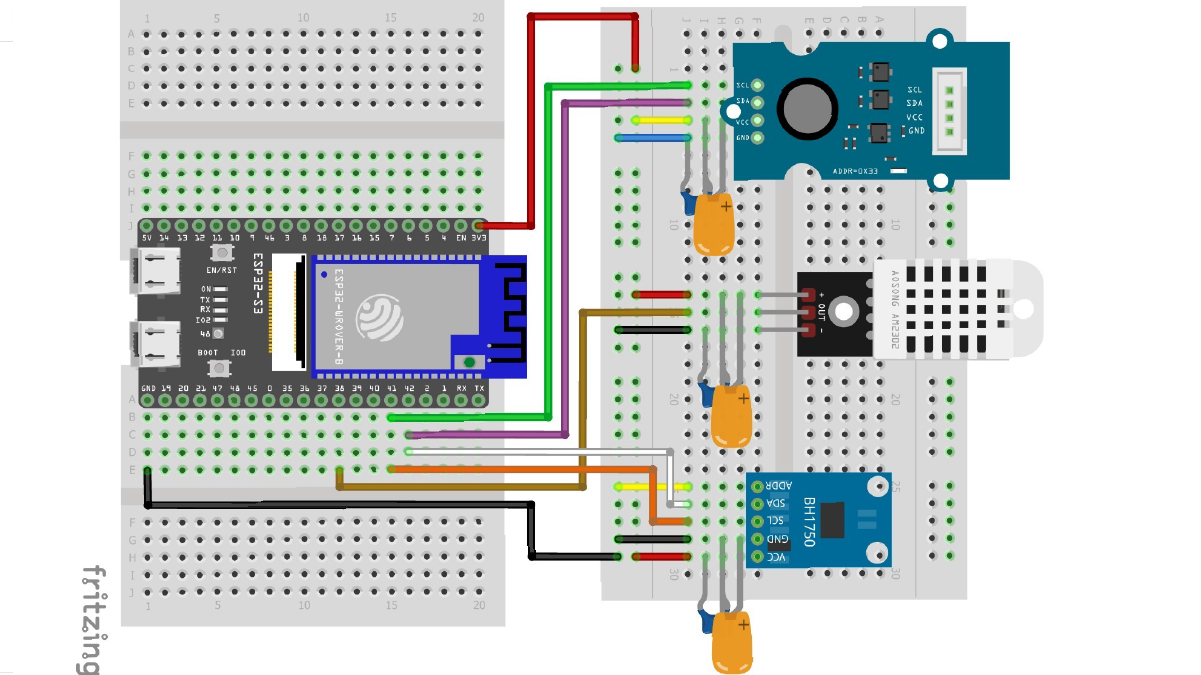
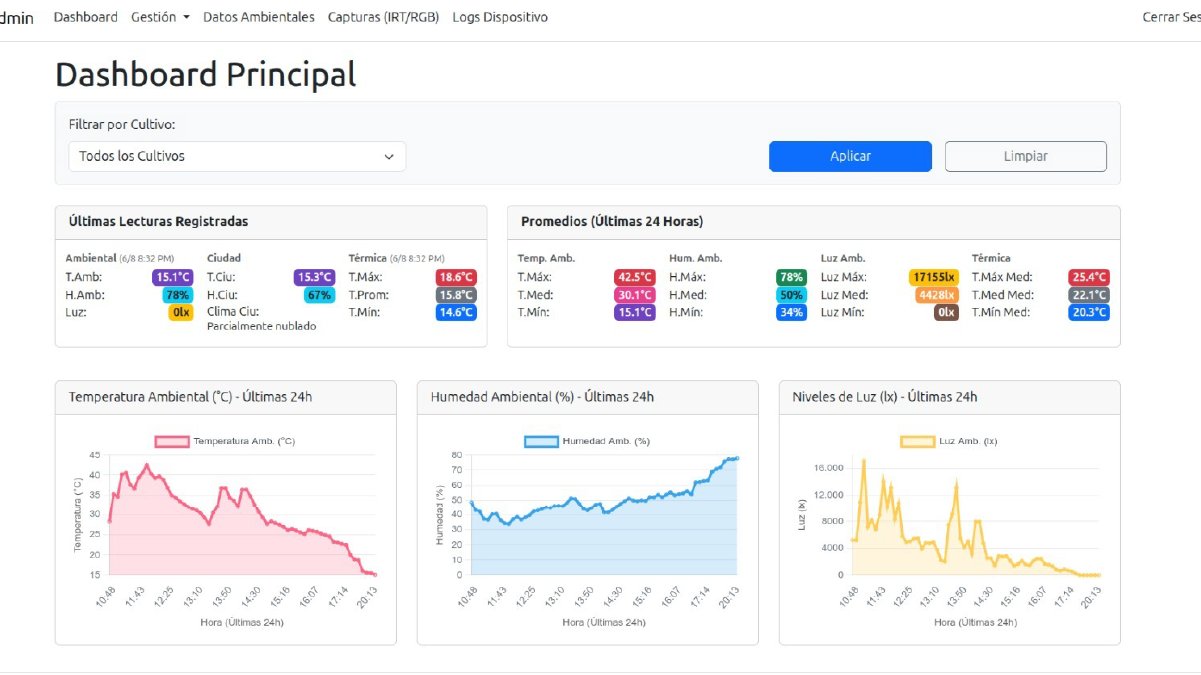
The prototype integrates affordable hardware, an ESP32-S3 microcontroller, an MLX90640 thermal camera, an RGB camera, and sensors that measure temperature, humidity, and light, all in a portable and easy-to-use solution.
The research is conducted in specially equipped greenhouses where healthy and infected plants are monitored, recording thermal patterns that allow differentiation of the health status of the crops.
The team completed the system design, integrated the hardware, and established thermal imaging protocols. They are currently validating the system with infected plants to confirm the accuracy of the diagnosis.
The project represents a viable technological alternative for small producers, with the potential to be adapted to other crops and diseases in the Colombian agricultural sector.
This innovation demonstrates how the union between engineering and agriculture offers practical solutions to real problems in the field, positioning UCundinamarca as a benchmark in applied research.
Listen to our podcast:
News
News
News
News