News
2026-09-24
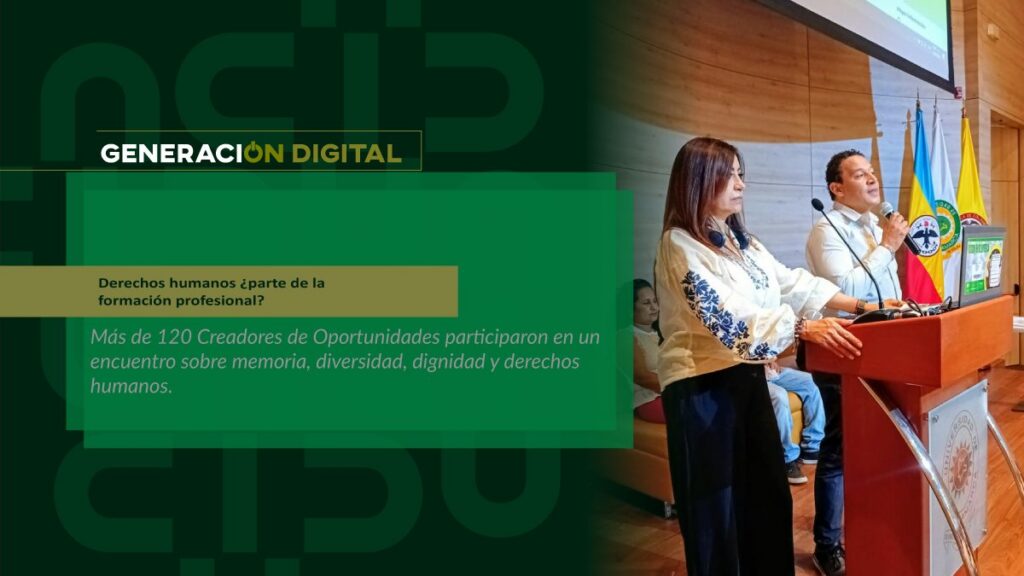
Human rights: part of professional training?
By: Alejandro García Suárez – Advisory Office of Communications



I am your virtual assistant, here to help you quickly and easily.
▲ Back to Top
By: Carolina Rojas Cendales.
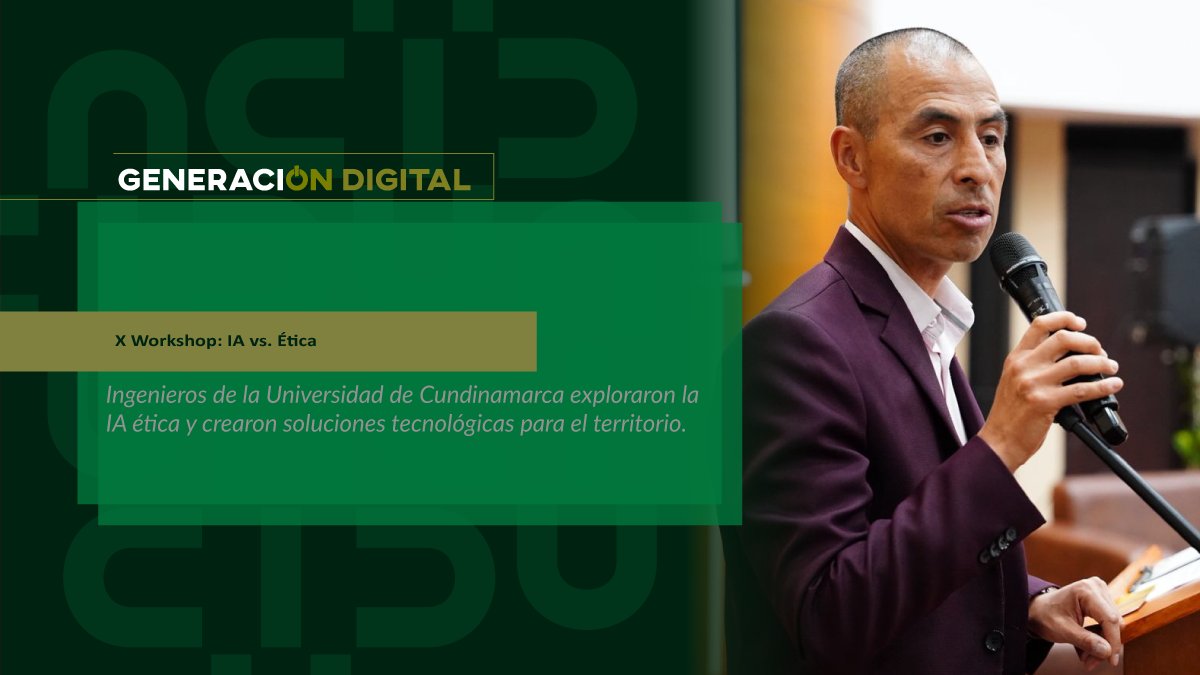
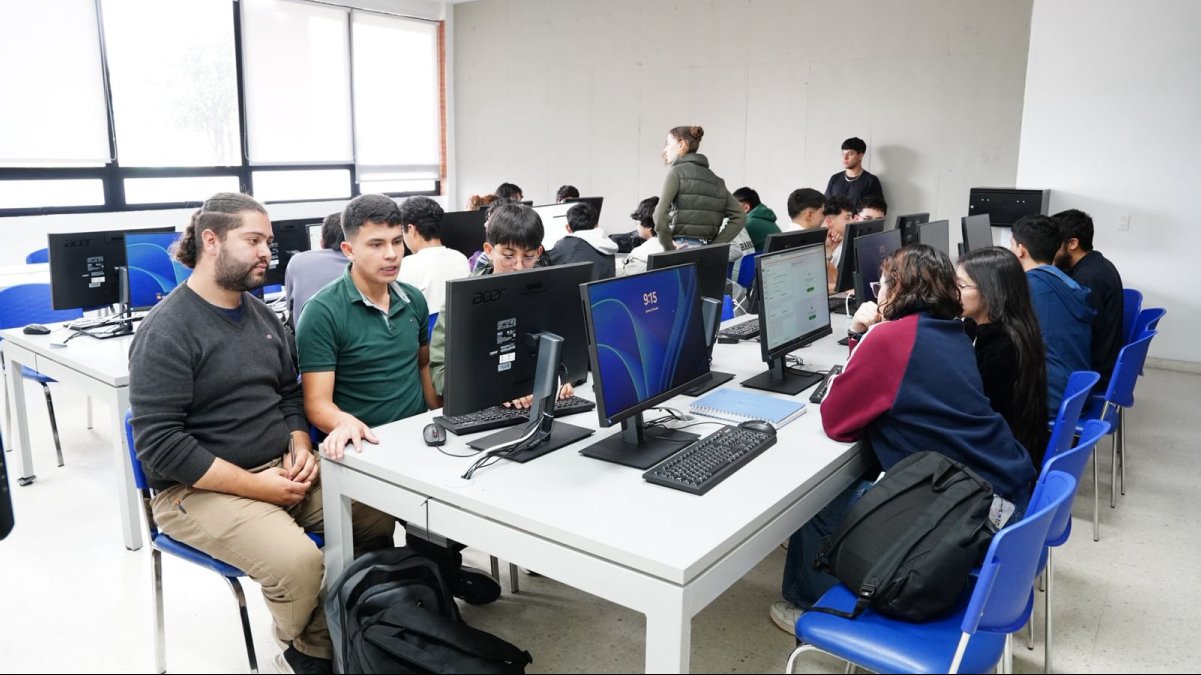
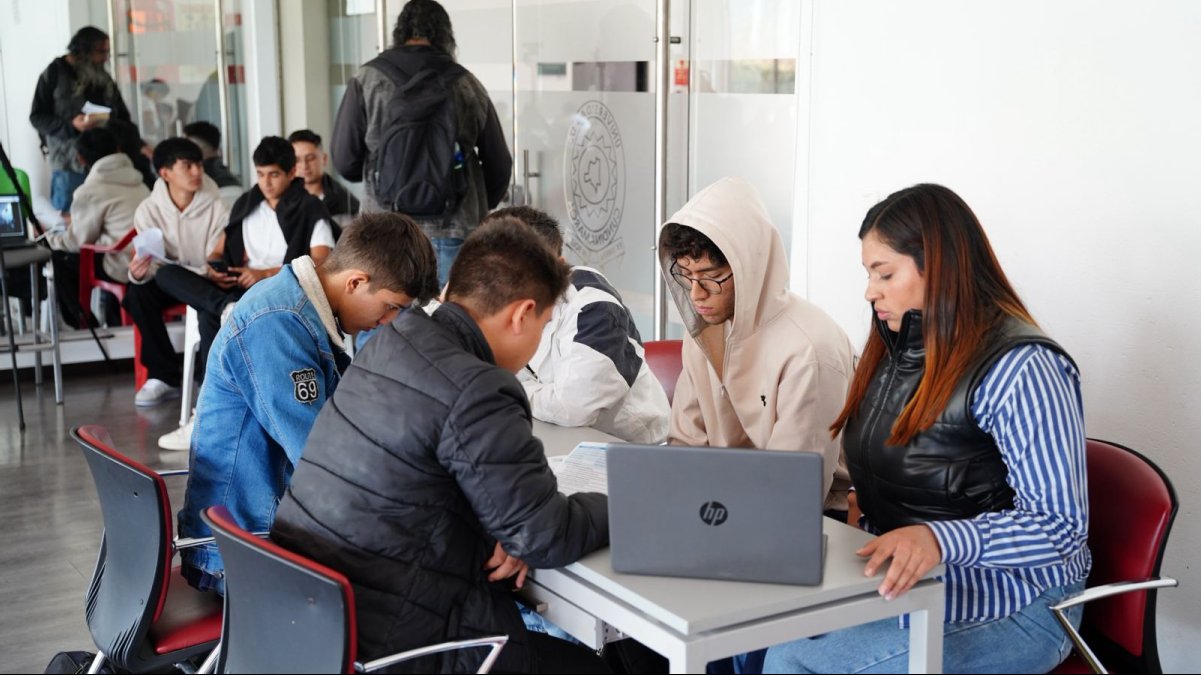
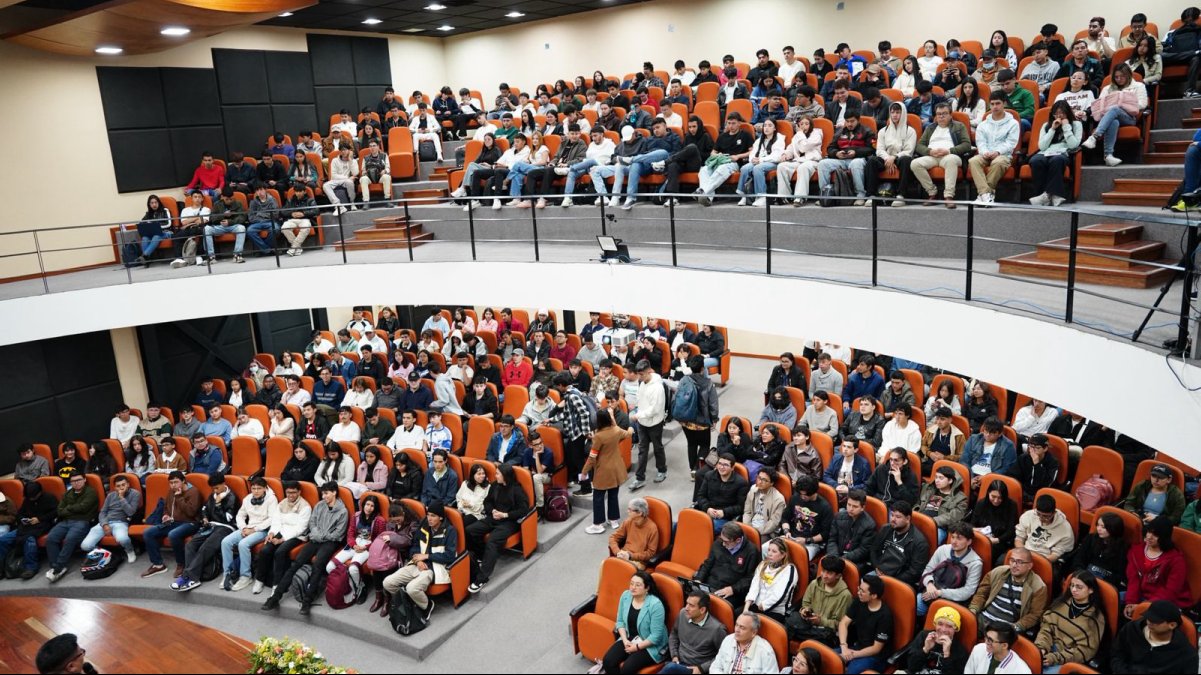
The tenth edition of the Latin American Workshop Dialoguing with the Software World It was not your average event. It was a vibrant learning ecosystem where 500 opportunity creators, knowledge and learning managers, and national and international speakers converged in eight simultaneous workshops to tackle one of the most pressing debates in the contemporary technological world: how to use artificial intelligence ethically and purposefully?
The event, which belongs to the CAC Cyberculture of the Faculty of Engineering and involves all the headquarters, sections and extensions of the university, had as its central focus the development of translocal solutions, technological responses created from the local but with a global projection, aligned with the Transmodern Digital Educational Model, MEDIT.
An agenda that left nothing to chance.
The day began with an opening address by the Dean of the Faculty of Engineering, Javier Hernando Gracia Gil, and unfolded in two main parts: a programming marathon and a cross-local problem-solving experience that brought together students from different academic programs. Simultaneously, workshops covered topics ranging from semantic control and ethics in generative AI to cybersecurity, augmented reality, mobile applications, and the mathematics behind machine learning.
Among the featured speakers were Dr. Marcelo Sotaminga, who delved into RAG architectures and generative AI; Luis Fernando Nates Díaz, a cybersecurity expert and engineer, who led the workshop on Microsoft M365 Copilot; and Dr. Diego Leonardo Hernández Bustos, who explored the mathematical foundations of machine learning. Experts in Deepseek and open-source models, vibe coding, and AI as a transformative agent of learning also participated.
The event's technological support included the presence of allies such as Microsoft, AWS and K11 Technologies, as well as a delegate from the Colombian Collegiate Programming League — CCPL —, an organization that has supported the process for several consecutive years.
Technology, territory and translocal solutions
What distinguished this edition was its commitment to co-creation across campuses. Students from different regions of Cundinamarca worked in teams to identify real problems in their territories and build concrete technological solutions, putting into practice skills such as creativity, innovation, and interdisciplinary collaborative work.
“The knowledge generated from the Ubaté branch or the Chía extension transcends the local environment,”, Liliana Casas, the coordinator of the Systems and Computing Engineering program at the Ubaté branch, pointed out that this dynamic is precisely the essence of MEDIT: transforming the classroom into a dialogical space where technology and critical thinking meet.
At the end of the day, the participants not only gained technical knowledge in areas such as cybersecurity, mobile app development and AI models, but also a conviction: that the solutions to the world of tomorrow begin to be built today, in the classrooms of a university that looks towards the future.
News
News
News
News