News
2026-09-24
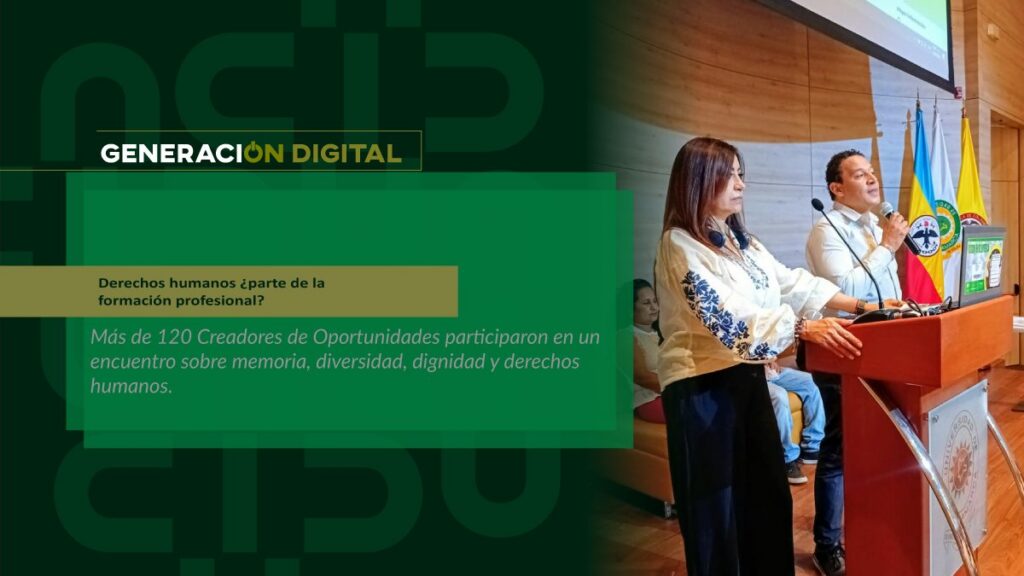
Human rights: part of professional training?
By: Alejandro García Suárez – Advisory Office of Communications



I am your virtual assistant, here to help you quickly and easily.
▲ Back to Top
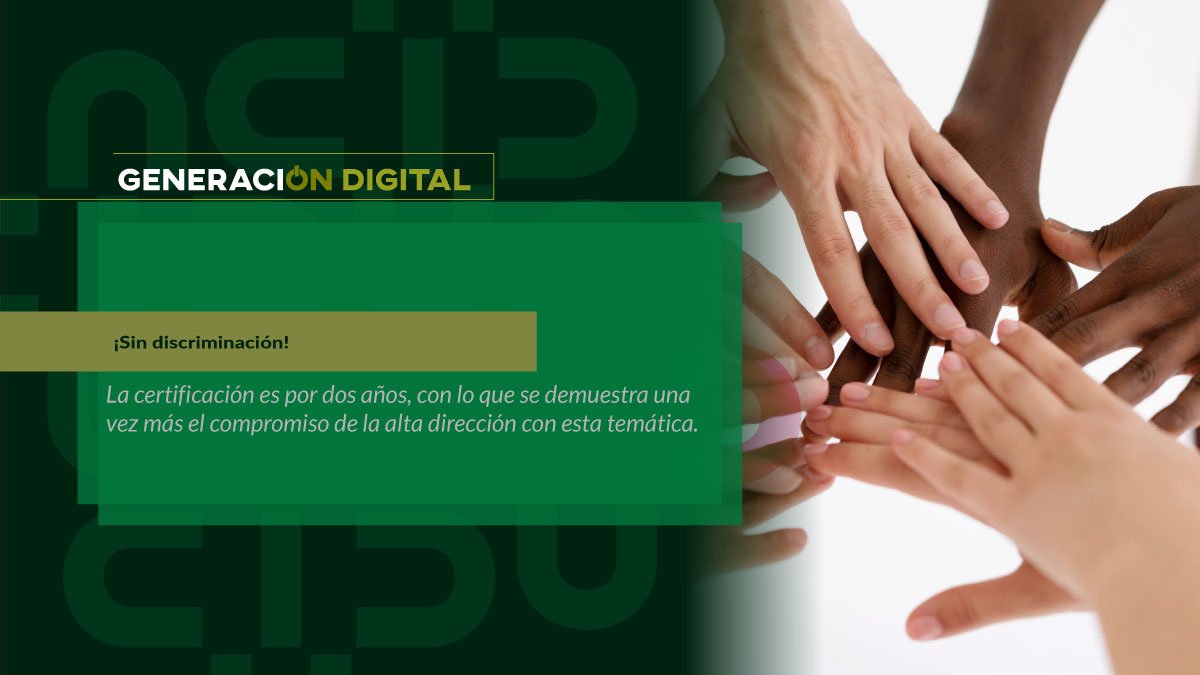
The award, presented on April 21 by ICONTEC in partnership with the Ministry of the Interior, was obtained following an audit that highlighted the institution's strengths and opportunities. This resulted in an overall score of 94.6 out of 100 on the technical benchmark designed to prevent and eliminate all forms of discrimination.
UCundinamarca News spoke with Yehimy Caballero, leader of the Equity and Diversity Area, and with Daniela Olivares, manager of Women and Gender, about the scope of this certification.
UCundinamarca News: What were the institutional conditions that allowed the university to obtain the non-discrimination seal?
Yehimy Caballero: It is worth highlighting that the aspects evaluated by the reference are part of the structural guidelines of UCundinamarca, evidenced through the Strategic Plan 2016-2026 “Designing the University we want”, the Transmodern Digital Educational Model MEDIT, the Development Plan 2020 – 2023, the Inclusive Higher Education Policy and Agreement 040 of 2022: Prevention and Attention to sexual violence and/or due to gender, defining Inclusion and diversity as fundamental principles and criteria for the institution, oriented to develop strategies and practices that promote the consolidation of an inclusive culture, based on democratic values, civility and education for life, based on the promotion of respect for diversity and the other. .
Similarly, institutional policies and initiatives contribute to building environments and territories free of discrimination and violence (University Welfare, family-friendly company, Comprehensive Citizen Care System, University Social Interaction), demonstrating the coordination of all directorates, areas and departments in support of this endeavor.
UCundinamarca News: Who benefits from this non-discrimination seal?
Yehimy Caballero: The criteria for the seal apply to the entire educational community and suppliers, with a particular emphasis on the visibility and support of priority populations (victims of the armed conflict, Indigenous peoples, people with disabilities, among others). The approach, guided by the university's Inclusive Higher Education Policy, contributes to reducing contextual barriers that exacerbate discrimination and exclusion. Examples of these strategies include awarding additional points for the allocation of socioeconomic programs from the Office of University Welfare to students from priority populations, and providing training for knowledge and learning managers with a differentiated approach to diversity.
UCundinamarca News: What is the continuous improvement process that is carried out with this initiative?
Daniela Olivares: Although an excellent rating was obtained in the certification process, aspects that can be optimized were identified, for which an improvement plan has already been established, focused on strengthening the strategies for receiving, monitoring and closing possible cases of discrimination, defining, measuring and evaluating the institutional indicators that allow identifying needs for prevention, training and attention, and finally, defining the relevance and effectiveness of the actions implemented so far.
UCundinamarca News: What should a student or staff member do in a situation of discrimination?
Daniela Olivares: You can report the case through different channels: the University Welfare Office, the institutional platform through the Comprehensive Citizen Service System, the Petitions, Complaints, and Claims (PQR) email address, or the email address of the Internal Disciplinary Control Office. The goal now is to activate the appropriate response channels as soon as a report or complaint is received.
UCundinamarca News: In the future, how do you envision the University of Cundinamarca in relation to the recognition of diversity and non-discrimination?
Yehimy Caballero: The Equity and Diversity Area, under the leadership of the Academic Vice-Rector, envisions UCundinamarca as a territory free from violence, discrimination, and rejection, respectful of diversity, life, and being, through continuous and coordinated work with all offices, departments, and units. This is both an institutional objective and a responsibility. Ultimately, the goal is to achieve institutional certification.
News
News
News
News