News
2026-09-24
Human rights: part of professional training?
By: Alejandro García Suárez – Advisory Office of Communications


I am your virtual assistant, here to help you quickly and easily.
▲ Back to Top
By: Alejandro García Suárez – Advisory Office of Communications
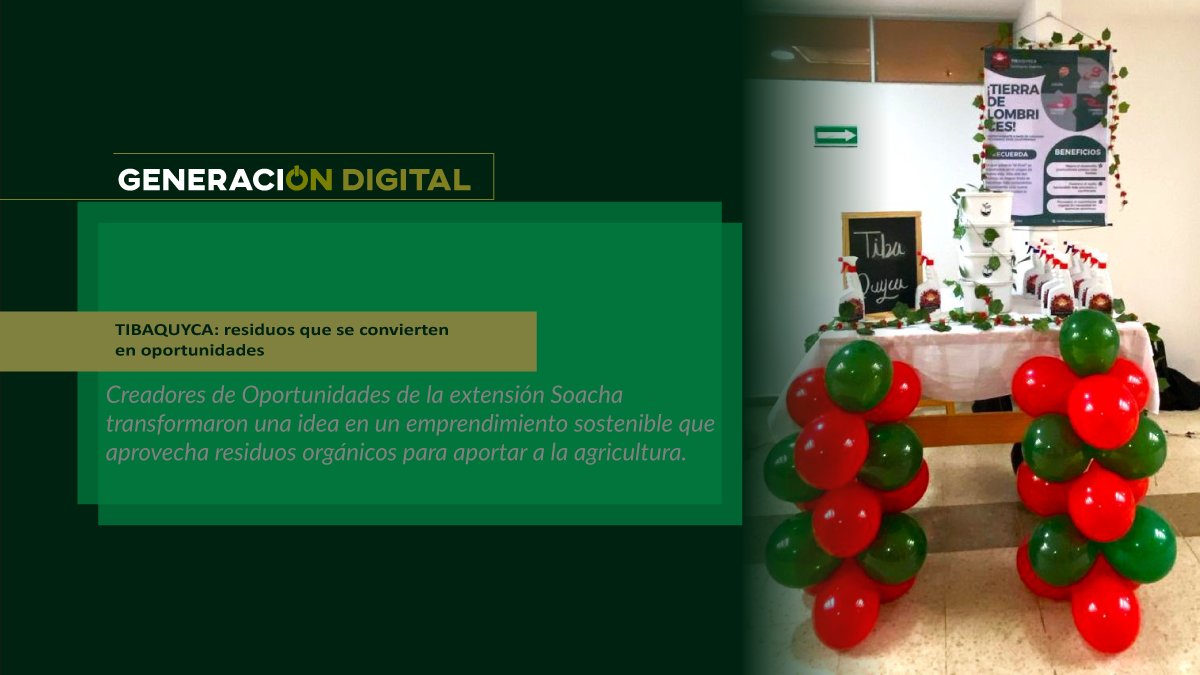
What began as an entrepreneurial idea is now projected as an alternative to contribute to sustainable agriculture. TIBAQUYCA, which means "Land of Worms," was born with a clear purpose: to take advantage of organic waste and transform it into a proposal with the potential to generate environmental, academic, and business value.
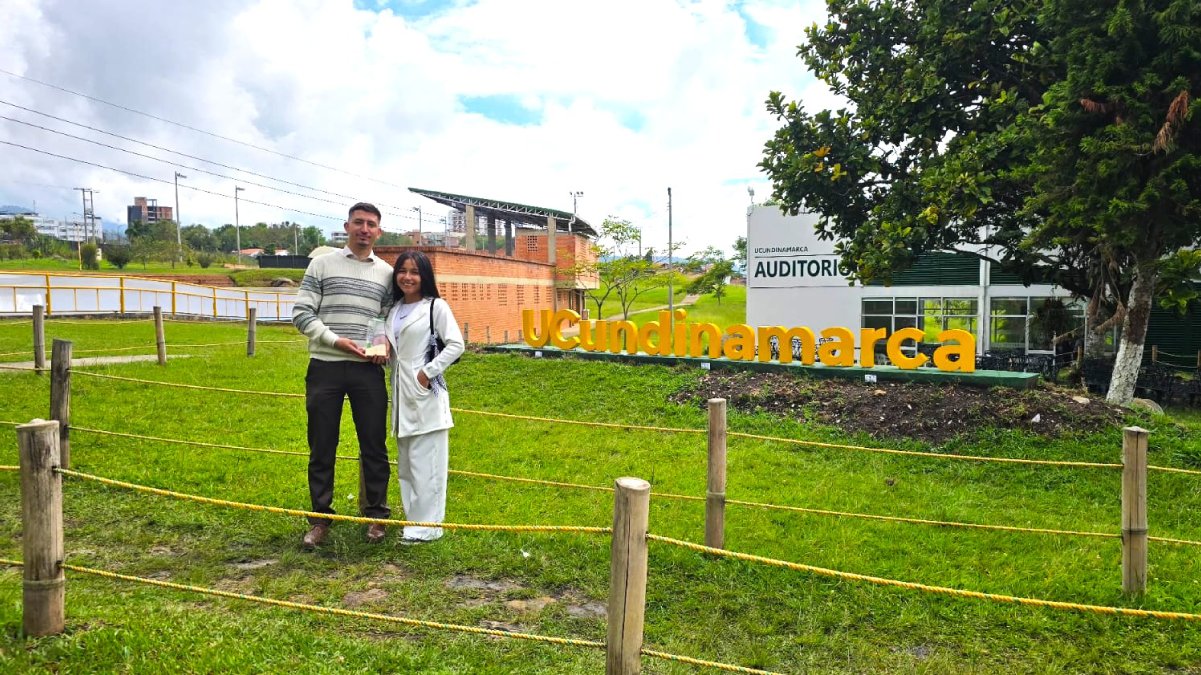
Behind this initiative are Opportunity Creators David Quiroga Fonseca and Danna Valentina Cartagena Méndez, who found in the Digital Center for Entrepreneurship and Innovation (CDEI) of the Soacha extension the necessary support to transform an initial idea into a project with research, technical and business foundations.
For Julieth Johana Maca Romero, leader of the Cultural Learning Field (CAC) Entrepreneurship and Innovation for Life and leader of the project, TIBAQUYCA emerged from the identification of two problems present in the territory, the inadequate management of organic waste and the progressive deterioration of the soils destined for agriculture.
The name also reflects this connection with the territory; TIBAQUYCA integrates the words of Muisca origin, “Tiva,” associated with the leader or chief, and “Quyca,” related to the land and territory. From this perspective, the project recognizes the role of earthworms in the processes of soil generation and regeneration.
Through the academic and methodological support of the Institutional Learning Field (CAI) of Entrepreneurship and Innovation and the CAC Entrepreneurship and Innovation for Life, the students strengthened their proposal until it became a structured business model, connected with the needs of the territory and with a vision of sustainability.
“The project evolved from an experimental idea into a structured proposal encompassing technical, production, commercial, organizational, and financial components. This progress demonstrates the commitment of the Opportunity Creators and the importance of close and ongoing support in transforming knowledge into real solutions,” the project leader noted.
Turning waste into opportunity
The proposal focuses on the development of a liquid biofertilizer made from the leachate generated in the vermiculture process with California red worm (Eisenia fetida). The initiative proposes to take advantage of organic waste from the Soacha market square to generate an alternative aimed at strengthening sustainable agricultural practices.
However, TIBAQUYCA goes far beyond the development of a product; its creators integrated research, innovation, and entrepreneurship into a proposal that articulates technical, productive, commercial, logistical, and financial components.
For David Quiroga, the support from CDEI was fundamental in giving structure and direction to the idea. “CDEI allowed us to give structure to that idea and understand that entrepreneurship also means researching, validating, and recognizing opportunities to take a proposal to another level,” David explained.
This process demonstrates how students can transform acquired knowledge into solutions with potential for innovation and entrepreneurship, moving from identifying a problem to designing alternatives that can respond to the needs of the territory and explore opportunities in the market.
From the classroom to the greenhouse
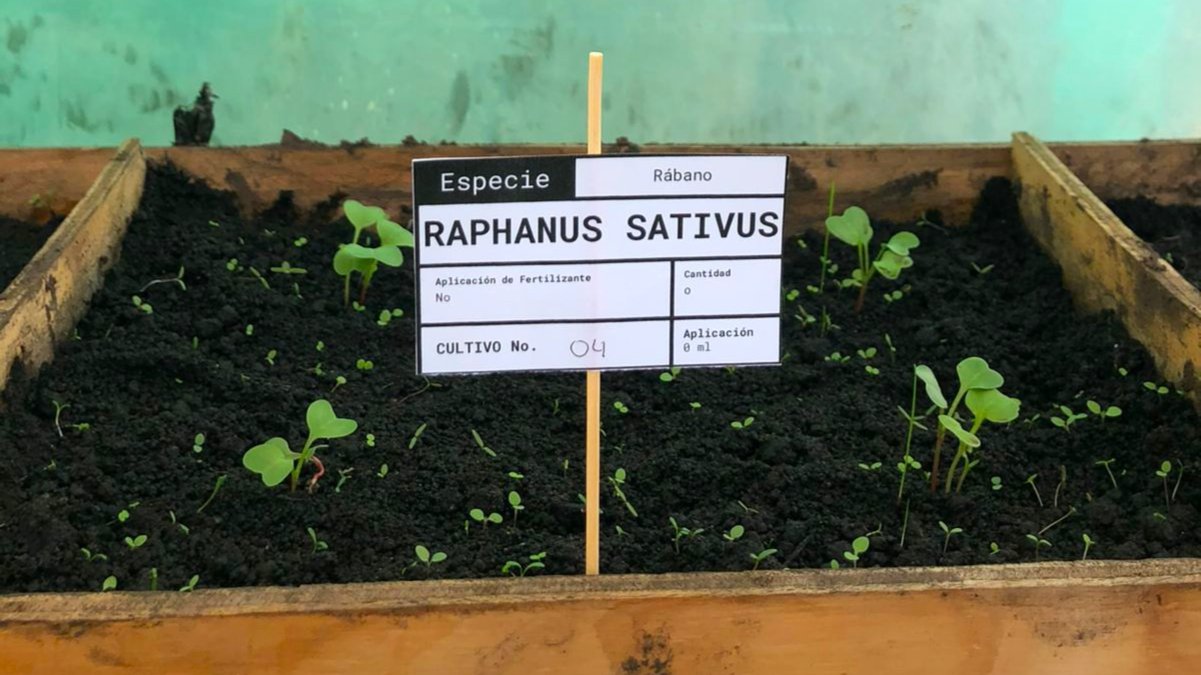
The initiative also reached experimental scenarios; in the greenhouse of the University of Cundinamarca, an experimental phase was developed to evaluate the application of the biofertilizer in radish crops, while the team simultaneously advanced in the construction of its technical and commercial proposal.
This exercise allowed David and Danna to connect the knowledge they had acquired during their training with a concrete challenge: developing an alternative that addressed a need in the agricultural sector while also incorporating waste management and sustainability criteria. Experimentation thus became a key stage for observing, validating, and improving the proposal, strengthening the research component of their venture.
An idea that began to leave its mark
The students' efforts began to translate into recognition; the project was supported and approved as a graduation option and became the first project developed under the Entrepreneurship and Innovation Route.
This achievement was complemented by recognition as the best entrepreneurship at ExpoUCundinamarca 9.0, a stage where the students were able to present their proposal and publicize the process developed.
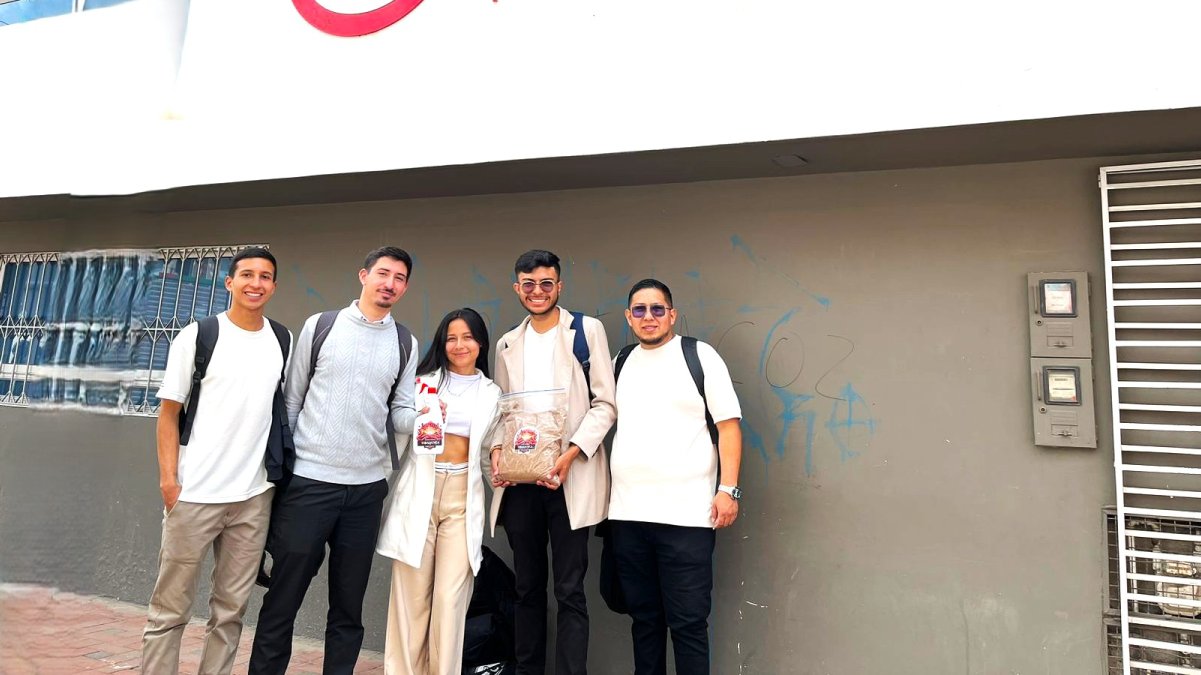
The initiative also reached InnovAcción – Networking, held at the Soacha Chamber of Commerce, where its creators presented the project through an elevator pitch and received a diploma for their outstanding participation.
As part of the scientific component, the project also advanced in the preparation of a research article, strengthening the relationship between the generation of knowledge and the construction of a business initiative.
News
News
News
News