News
2026-09-24
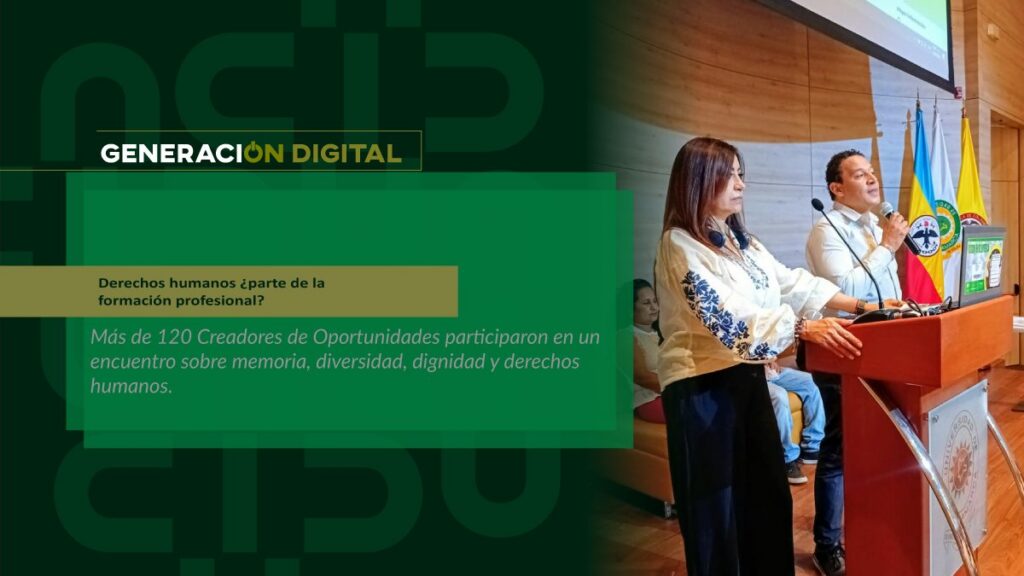
Human rights: part of professional training?
By: Alejandro García Suárez – Advisory Office of Communications



I am your virtual assistant, here to help you quickly and easily.
▲ Back to Top
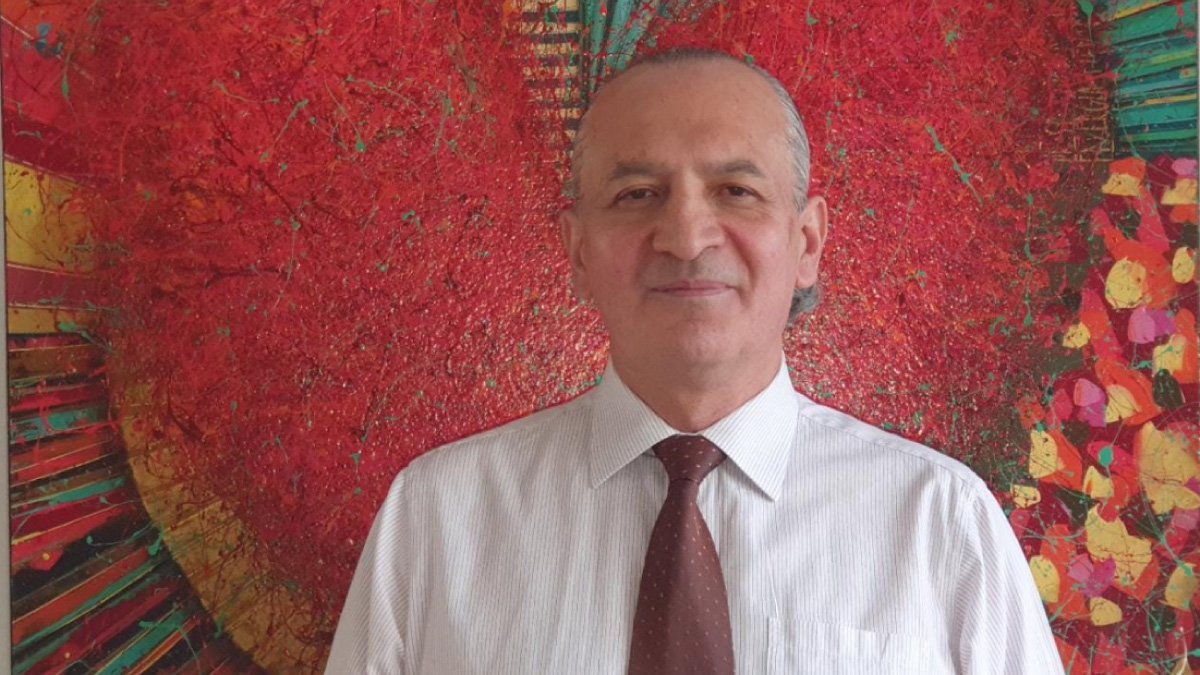
Her idea was born in the midst of the pandemic last year when she read that yoga and other similar practices help awaken creativity. “So I started researching and found a title on Netflix called Headspace. I watched it closely and it has eight ways to meditate, including meditations for gratitude, for relieving headaches, and for forgiveness, among others.”.
Without a second thought, and like someone finding a gold nugget in a riverbed, he put it into practice in the midst of the pandemic, when people, due to confinement, were beginning to suffer from multiple mental disorders. “It was a very difficult time because of the lockdown. At the beginning of the class, I explained what meditation is, how to do it, and what it's for. Then I had them close their eyes and put on the Netflix video, and the changes began to show.”.
After this practice, the students were more willing to learn. “Some had told me that the class seemed boring to them, but after applying this technique they were more interested in absorbing the knowledge.”.
Upon returning to in-person classes this year, he had an experience that confirmed he was on the right path. “A young woman who had taken virtual classes with me last year approached me and said, ”It’s so nice to meet you. I’m so-and-so, and I wanted to thank you for your course and the meditation techniques you taught me. They’ve been very helpful.’ I was pleased with those words.”.
And at the end of each session, this teacher always asks them: "How did you feel?" And that's when feelings surface. "Several of them always open their hearts, like the boy and girl who were attracted to people of the same sex, or the student who told me at the end of the classes that she can now express her feelings better, or another who was also very reserved and ended up becoming a great speaker in class and admitted that it was partly due to meditation.".
She has also noticed a more familiar atmosphere after class. “They become more empathetic and concerned about what happens to others. I've also noticed that they participate more frequently in class, and the work they do is of higher quality compared to what they submitted before.”.
Finally, he acknowledges that this practice has brought other benefits that align with the Transmodern Digital Educational Model (MEDIT), which seeks education for life, democratic values, civility, and freedom. "It has helped them reduce stress, increase concentration, and overall they are happier," he concludes.
News
News
News
News