Fusagasugá Branch
2026-09-24
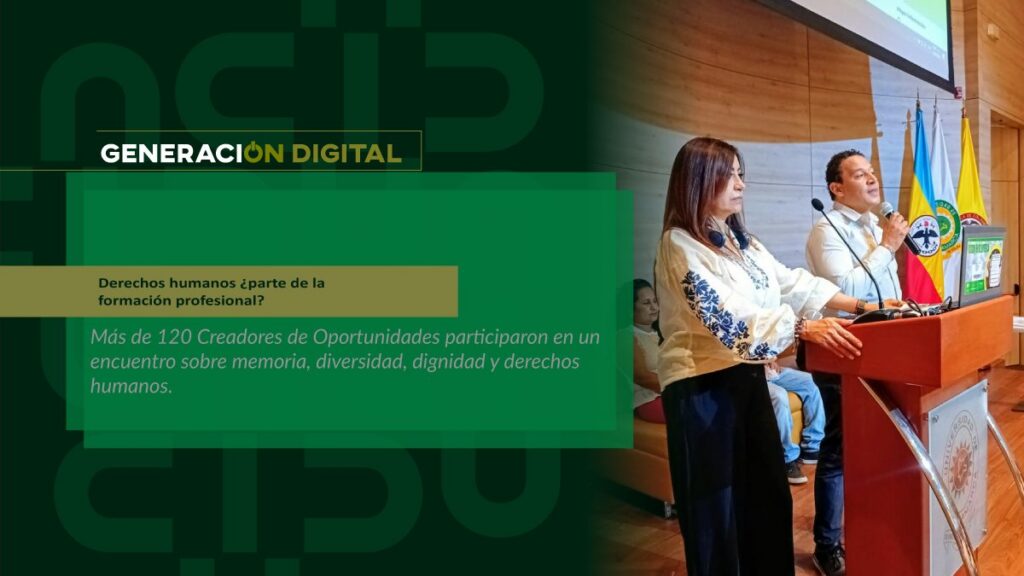
Human rights: part of professional training?
By: Alejandro García Suárez – Advisory Office of Communications



I am your virtual assistant, here to help you quickly and easily.
▲ Back to Top
Training and regulatory updates, and the status of the Classical Swine Fever (CSF) Eradication program in Colombia were the activities carried out by 60 students of the Animal Science program, Fusagasugá Campus.
The participants, who belong to the courses of Parasitology (5th semester), Animal Health (6th semester) and Swine Production System (7th Semester), learned firsthand about the reality that swine production faces in the country and the responsibility that the animal scientist has in the health and food safety schemes.
The training was led by Héctor Palacios Orozco, a Veterinarian and Epidemiologist from the Colombian Agricultural Institute (ICA), who addressed the regulations on official control of the eradication of Classical Swine Fever in the country according to the production schemes.
The importance of this training lies in the fact that pork production and consumption of this species has increased considerably by 56% in the last five years in Colombia. Therefore, the University of Cundinamarca, as a regional institution with a Faculty of Agricultural Sciences, and with the Granja La Esperanza practice center, has the responsibility to train and equip future animal scientists with the regulations and improvements to production systems to guarantee the best health standards in the region and the country.
News
News
News
News