News
2026-09-24
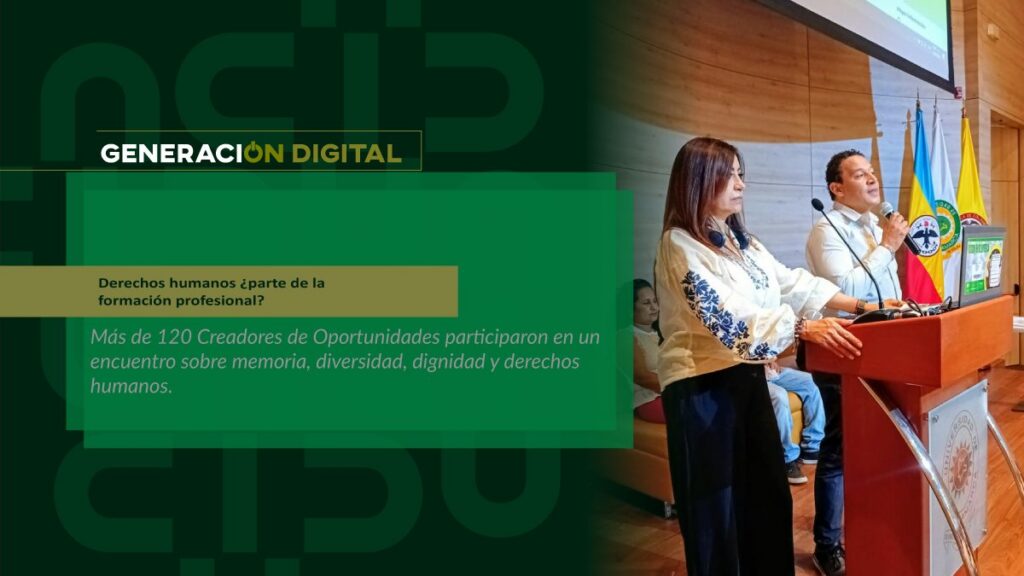
Human rights: part of professional training?
By: Alejandro García Suárez – Advisory Office of Communications



I am your virtual assistant, here to help you quickly and easily.
▲ Back to Top
By: Alejandro García Suárez – Advisory Office of Communications
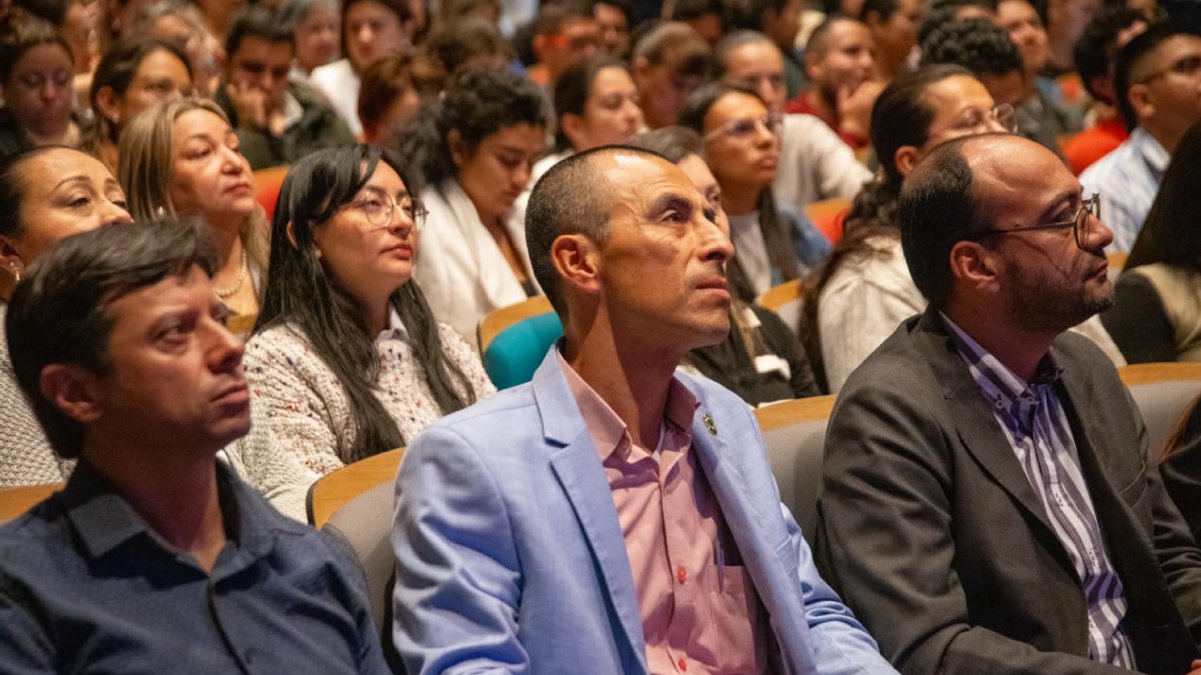
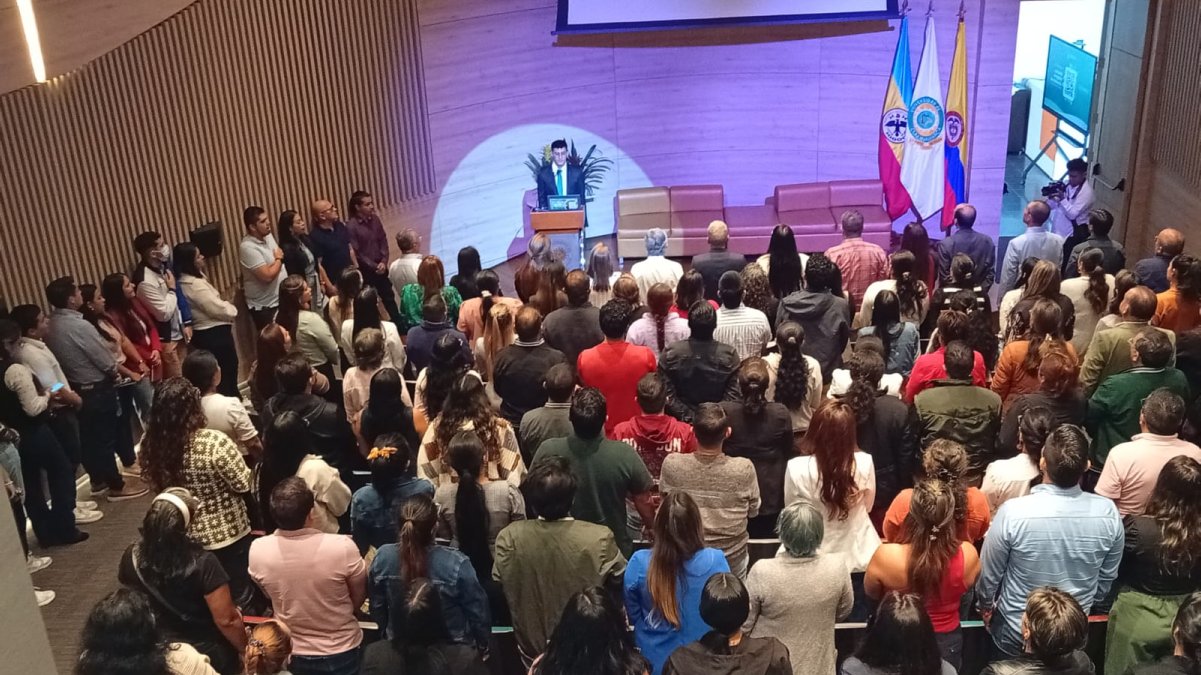
The Institution held another session of the conference series “Strategic Dialogue: Trends in Higher Education”, an academic space that promotes reflection and analysis on the changes that are transforming the present and future of university institutions.
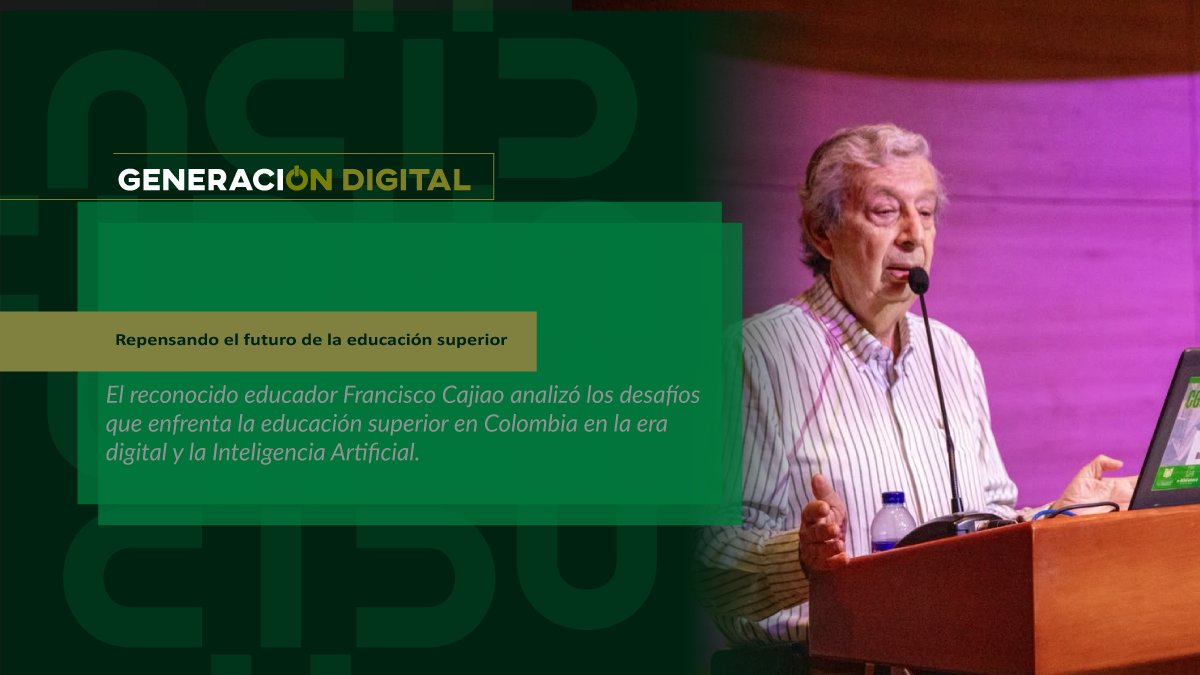
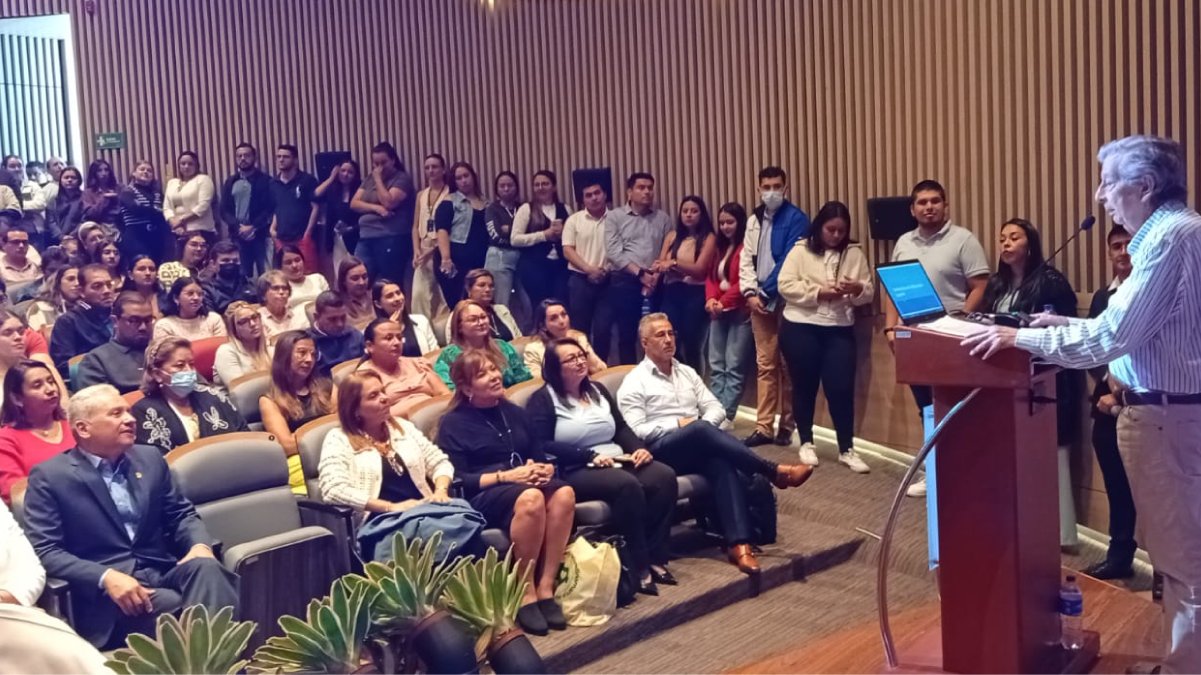
On this occasion, the university community participated in the conference “Higher Education: trends, meaning of educating and university prospects”, led by Dr. Francisco Cajiao, a renowned educator, philosopher, economist and advisor to the Ministry of National Education, considered one of the most influential voices in the country on educational issues.
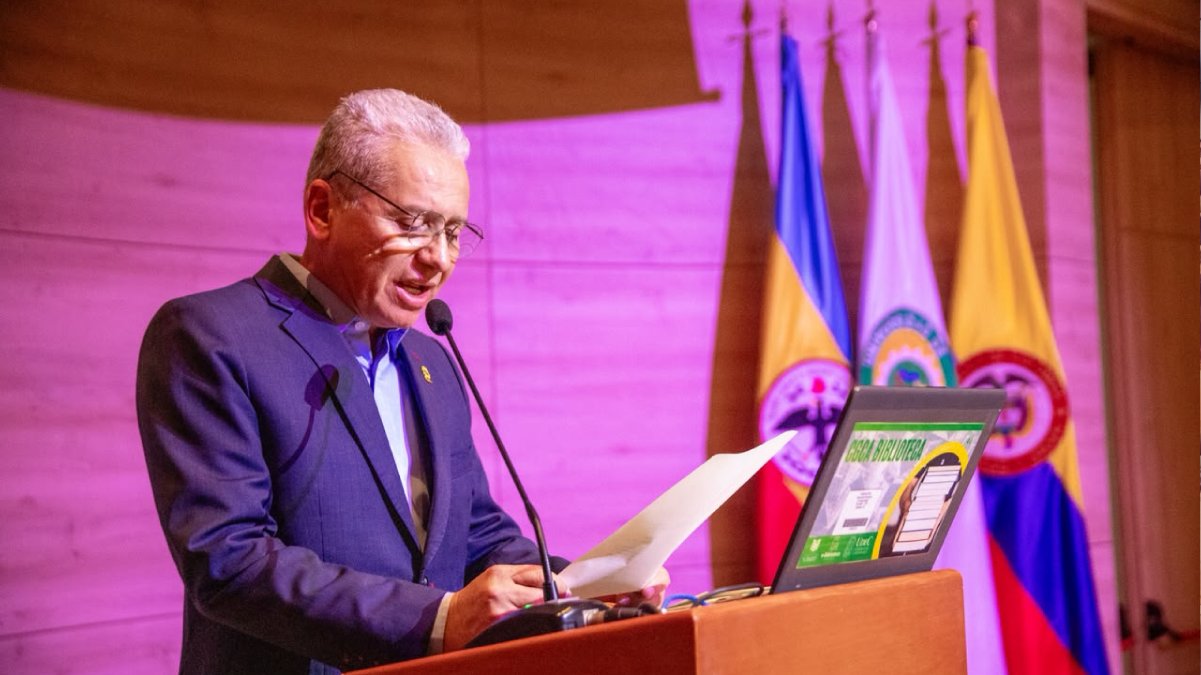
The event was attended by senior management, led by Dr. Adriano Muñoz Barrera, rector, as well as Knowledge and Learning Managers and administrative staff, who met to discuss the challenges facing higher education in a context marked by technological transformation, social changes and the new demands of the world of work.
During his address, Dr. Cajiao emphasized that one of the greatest challenges for universities is understanding the magnitude and diversity of the changes taking place in society today. “The first challenge is understanding what these transformations are, because they are so numerous, so diverse, and affect different sectors of the population in such different ways, that the university faces a very complex challenge of flexibility, allowing people to adapt to these changes according to their circumstances,” he stated.
The speaker explained that the transformations in the world of work demand innovative responses from higher education. He indicated that Colombia encompasses very different realities, ranging from traditional agricultural activities to highly specialized jobs associated with new technologies. “How can a university train the diverse range of people who need to enter the workforce? That is an enormous challenge. Teaching computer systems to someone who works in agriculture is not the same as teaching them to someone who will develop advanced digital processes. However, both need relevant and contextualized training,” he noted.
Another central theme of the conference was the impact of Artificial Intelligence and information technologies on educational processes. According to Dr. Cajiao, the development of critical thinking has become one of the most important and, at the same time, most difficult skills to cultivate in new generations. “Never before have we had
Critical thinking has never been so important. Today we receive information at a speed that often doesn't allow us to question or deeply analyze it. Before, it was possible to pause on a page, reread it, and find different perspectives. Now, the speed of information often seduces and limits our capacity for reflection. Developing critical thinking skills is perhaps the most difficult digital competence to cultivate,” he stated.
He also invited reflection on the true meaning of education in the 21st century, noting that university education cannot be limited solely to the acquisition of technical or professional knowledge. “Universities have increasingly focused on academic productivity and meeting performance indicators, but human development requires time for coexistence, public debate, participation, and building citizenship. This balance between competitiveness and holistic education is one of the greatest challenges facing education today,” he explained.
According to the expert, higher education must continue to train professionals capable of responding to the demands of innovation and economic development, without losing sight of human values, ethics, and social responsibility. “We have students increasingly concerned with obtaining a degree quickly to enter the job market. The question is when we address such important aspects as democracy, coexistence, participation, and the development of values. Finding those spaces is one of the great challenges for contemporary universities,” he added.
The conference also provided an opportunity to analyze the trends that will shape the future of higher education, highlighting the importance of building flexible, innovative institutions connected to the realities of the territories and the needs of the communities.
These reflections directly align with the Transmodern Digital Educational Model (MEDIT) of the University of Cundinamarca, which promotes a person-centered education, critical thinking, life skills, and the transformation of local communities. From this perspective, education means creating experiences that allow individuals to understand the world, question it, and act upon it with responsibility, ethics, and a sense of humanity.
News
News
News
News