News
2026-09-24
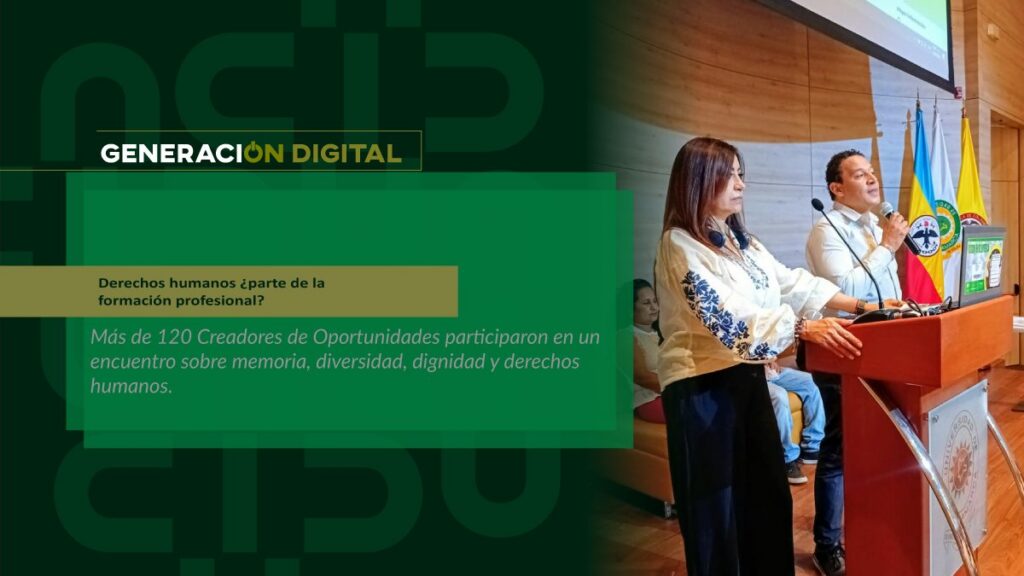
Human rights: part of professional training?
By: Alejandro García Suárez – Advisory Office of Communications



I am your virtual assistant, here to help you quickly and easily.
▲ Back to Top
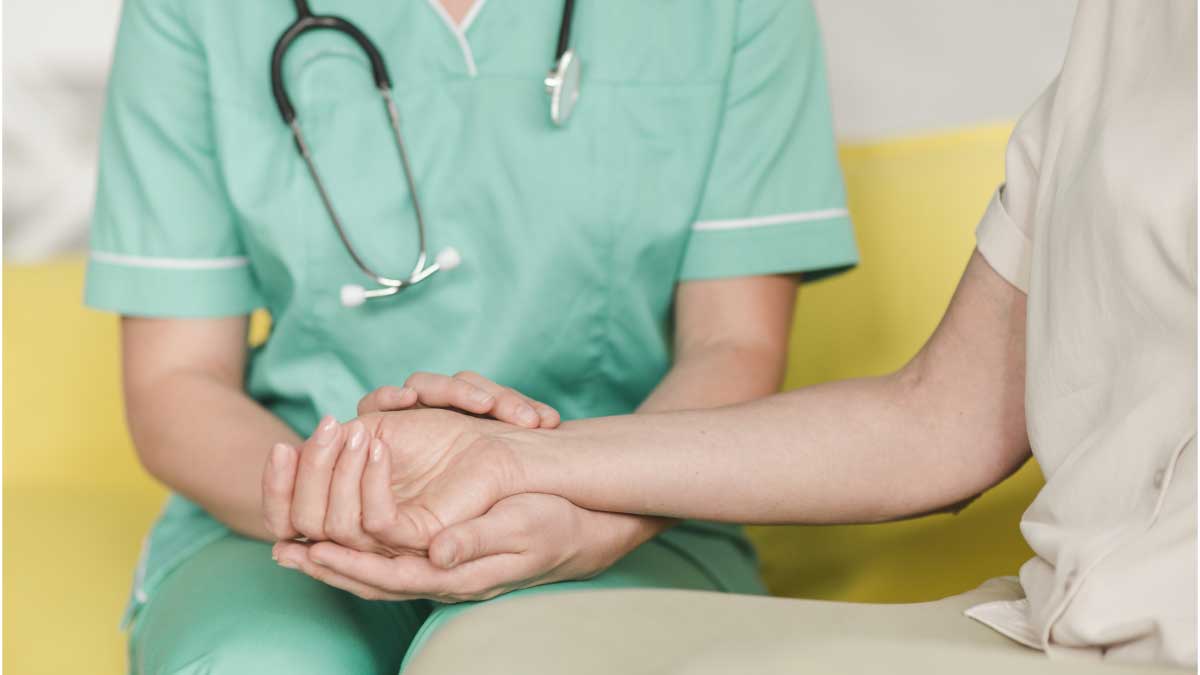
During the celebration of United in Diversity Week organized by the University of Cundinamarca, the importance of communication in the field of nursing during the care of people with hearing disabilities was discussed.
The Sipav research group of the nursing program at the University of Cundinamarca presented a research project aimed at creating a guide that will allow nurses to communicate effectively with a patient who has a hearing impairment.
Lady Carolina Díaz, a teacher in the nursing program and leader of the research group, indicated that the proposal is part of the path to humanize care for this population.
“Being a nurse should be inherently about inclusion and humanization… talking about humanization is strange because we should be humanizing people from other planets, but it’s complex that those of us who are already human have to be told about it, but it’s something that must be done; and the same goes for inclusion,” said Professor Lady.
Thus began the research project: Educational materials as a strategy for humanizing the care of people with hearing disabilities in the city of Girardot. Professor Lady is part of the team along with Melany Méndez and María Gladys Céspedes.
So far, prior to the creation of the booklet, it has been concluded that there is a direct need to teach sign language to nurses.
“We conducted fieldwork to determine what communication skills students at the University of Cundinamarca possess, and they confirmed their knowledge of written and oral language, which are the primary ones… therefore, it is important to introduce sign language so that professionals can communicate better with people with disabilities, thereby building trust and improving communication with the patient,” stated María Gladys Céspedes.
Therefore, the students were asked if they agreed with the creation of educational material to eradicate this deficiency in communication, and in this regard, the 91 % said they agreed with the implementation of the tools so that they can explain to patients with hearing disabilities what the procedures and interventions that will be carried out on them are.
The Sipav seedbed project has to do with a 100 % with the Transmodern Digital Educational Model (Medit) of the University of Cundinamarca which is based on ethics, learning, knowledge and methodology.
“Technology is also a constitutive axis of the educational process given the strong presence of digitization in daily life, which implies rethinking learning through virtuality and different technological devices, beyond the automation of processes, the design and use of platforms,” explained Professor Lady.
Similarly, the team believes that the proposal is linked to the idea that knowledge is understood as a dialogical and formative construction that contributes to the transformation of the person, Cundinamarca, Colombia and the world.
News
News
News
News