News
2026-09-24
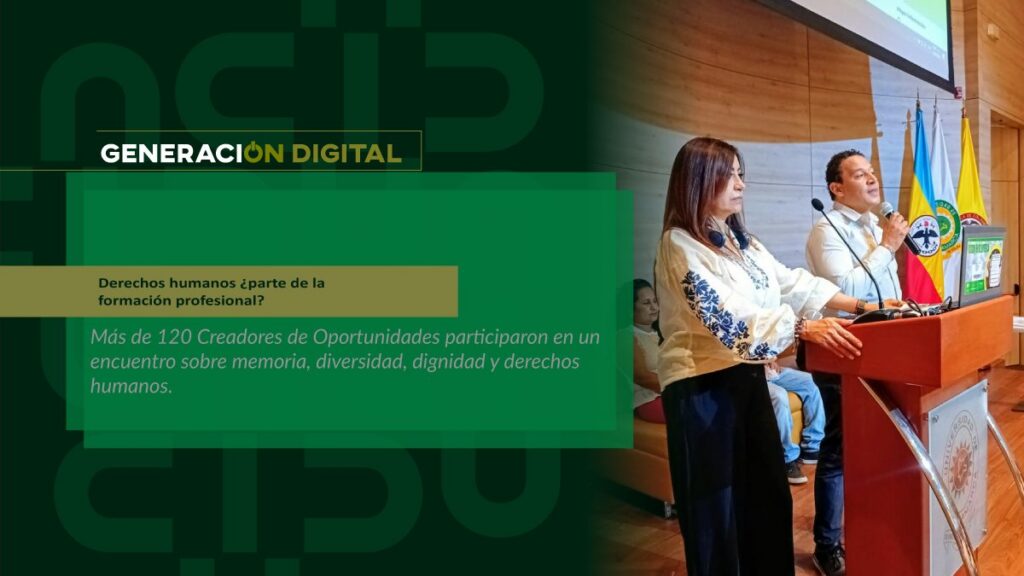
Human rights: part of professional training?
By: Alejandro García Suárez – Advisory Office of Communications



I am your virtual assistant, here to help you quickly and easily.
▲ Back to Top
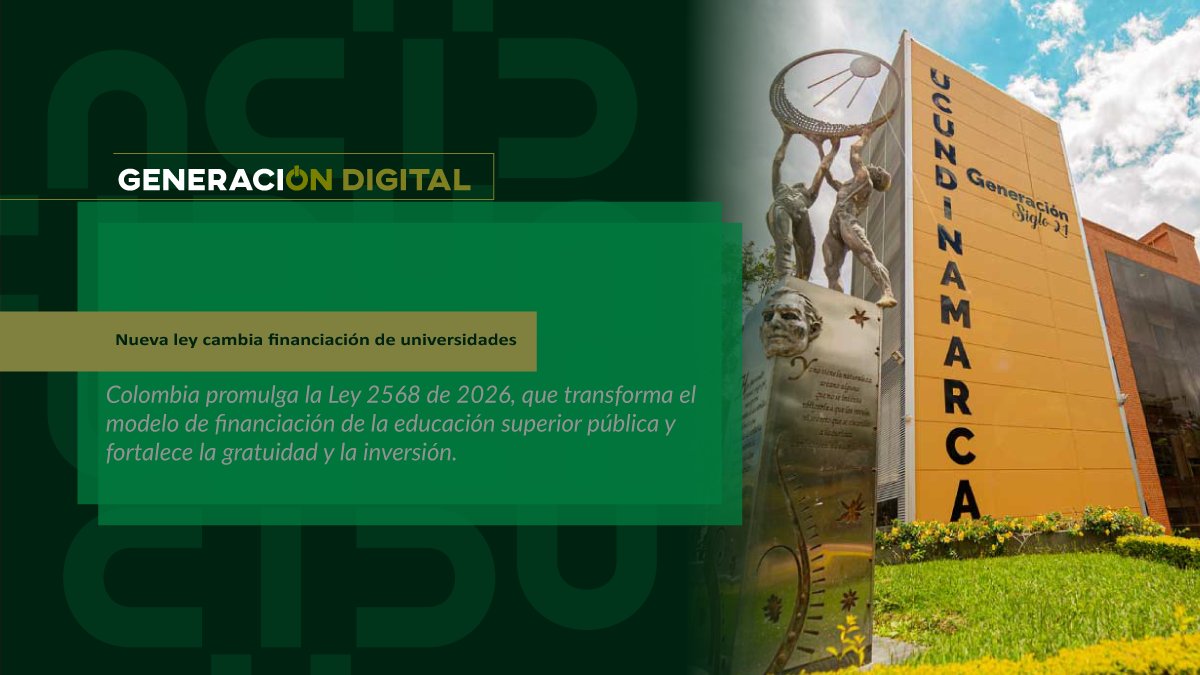
Colombia took a historic step to strengthen public higher education with the enactment of Law 2568 of 2026, a regulation that modifies articles 86 and 87 of Law 30 of 1992 and redefines the financing model of the country's public universities.
For more than three decades, the growth of resources for higher education institutions was linked to the Consumer Price Index (CPI), an indicator that measures the cost of goods and services such as food, transportation, and utilities. However, this mechanism did not reflect the real costs of the university system, such as research, laboratory maintenance, infrastructure, technology, and faculty salaries.
With the new law, the country replaces this indicator with the Higher Education Cost Index (ICES), a tool that will allow for a more accurate calculation of the resources needed for the operation and strengthening of public institutions.
The reform also allocates additional resources to expand coverage, close gaps in the education system, and advance formal employment. Furthermore, it incorporates the progressive growth of investment in public higher education as a percentage of Gross Domestic Product (GDP), with a long-term goal of reaching 1.1% of GDP allocated to this sector.
This change represents one of the most important advances in decades to address the structural funding challenges that have affected public universities and technical, professional, technological and university institutions (ITTU), especially in a context where student demand has grown significantly.
According to the Ministry of National Education, this reform not only modifies a budget formula, but also marks a structural step towards a more solid, sustainable public higher education system that is in line with the real needs of the country.
The initiative also fulfills paragraph 122 of the National Development Plan and is the result of a dialogue process involving students, teachers, principals and different actors in the education system.
With this new regulation, Colombia seeks to guarantee better conditions for the academic, scientific and social development of its public institutions, while consolidating free tuition as a structural policy, a strategy that currently benefits about 601% of the country's students.
Source: Ministry of National Education.
News
News
News
News