News
2026-09-24
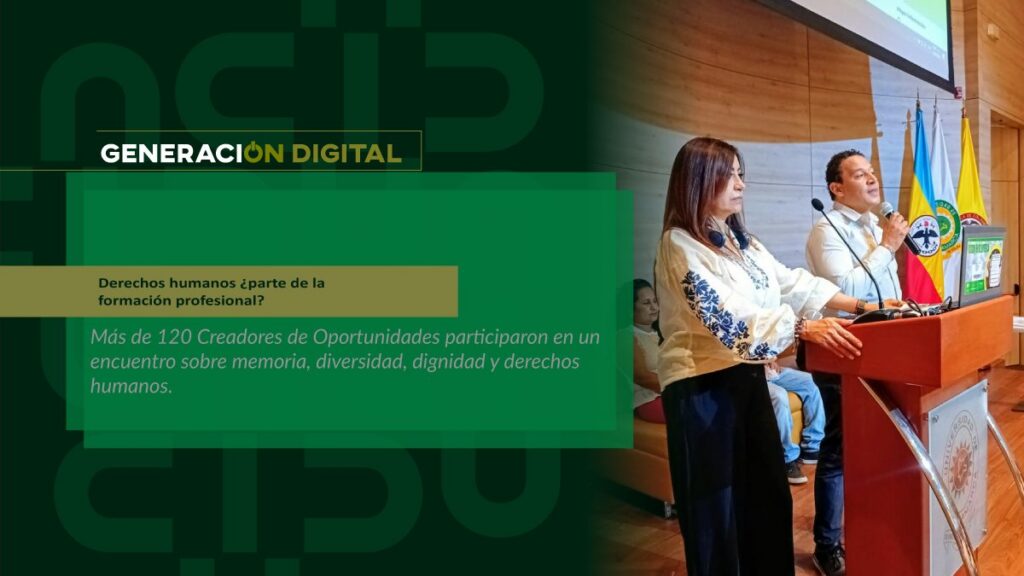
Human rights: part of professional training?
By: Alejandro García Suárez – Advisory Office of Communications



I am your virtual assistant, here to help you quickly and easily.
▲ Back to Top
By: Carolina Rojas Cendales – Communications Advisory Office
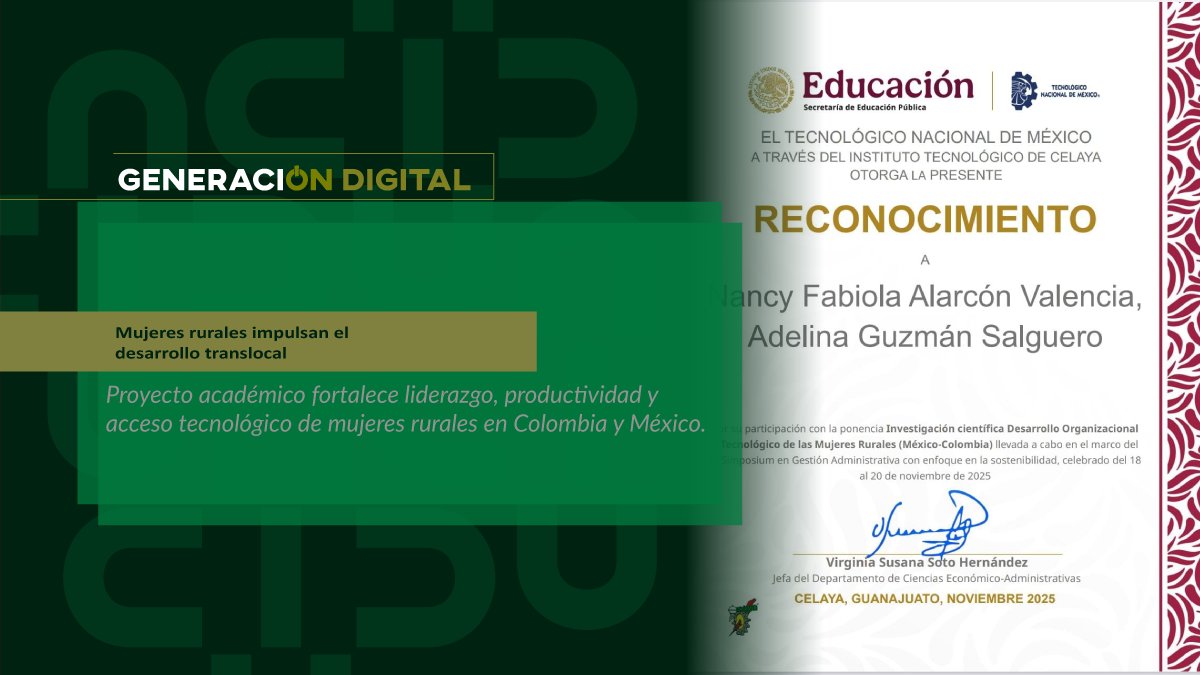
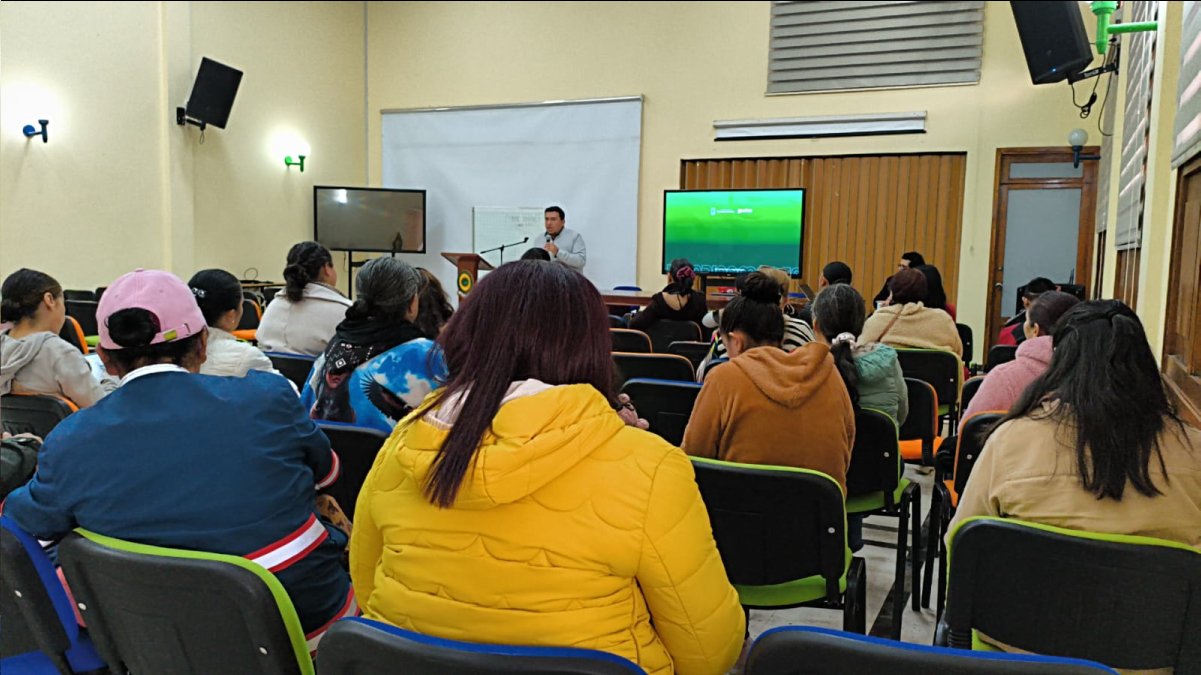
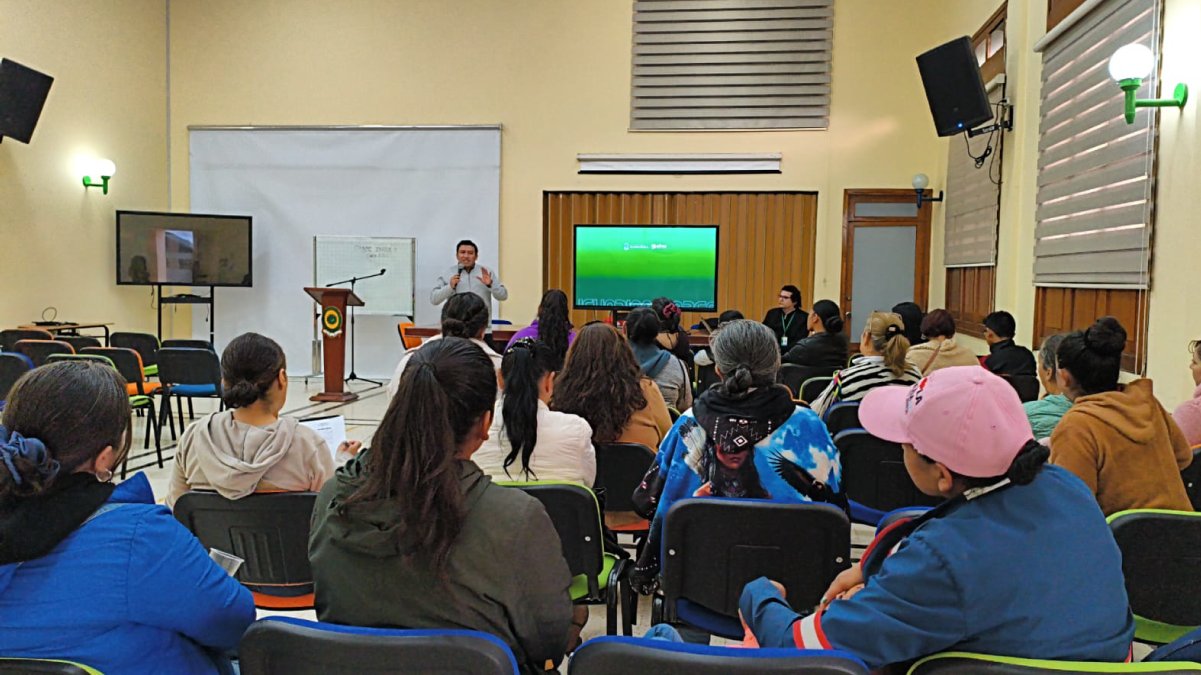
The Rural Women Empowerment Project: Productive, Organizational, and Technological Development in the Translocal Mexico-Colombia Context is consolidating itself as a strategic initiative to close gender gaps in rural areas through collaboration between academia and the community. The initiative arose in response to structural problems faced by rural women, such as limited access to resources, technology, training, and participation in economic decision-making. Through a translocal approach, the project promotes knowledge exchange between communities in Ubaté, Colombia, and Puebla and Celaya, Mexico, with the aim of generating joint and sustainable solutions.
One of the main achievements has been the direct impact on 30 rural women, who have strengthened their productive, organizational, and digital capacities. Economically, improvements have been reported in income generation and the productivity of their businesses. Socially, the strengthening of female leadership and community cohesion stands out, while environmentally, sustainable practices have been promoted and encouraged.
The project was led by researchers and Knowledge and Learning Managers Adelina Guzmán Salguero, Néstor Javier García Guzmán, and Andrés Fernando Pava Vargas, from the Business Administration and Systems Engineering programs at the Ubaté campus, with support from international academics in Mexico. Its development has fostered collaborative networks with local stakeholders, organizations, and public policy bodies, strengthening the relationship between the university and the community.
Furthermore, the initiative has engaged students from the Business Administration program, who participated with thesis projects focused on applied research. Among them were Paula Andrea Casas Garzón and Nancy Fabiola Alarcón Valencia, with articles and presentations at national and international conferences, and Julián Barragán Torres, with a monograph. The academic results also include the co-authorship of a research article by the researchers.
Among the challenges identified are gaps in access to technology, gender-based cultural limitations, limited access to financing, and the difficulty in consolidating sustainable networks. However, projections indicate plans to expand the model to other regions, strengthen innovation processes, and consolidate translocal networks between Colombia and Mexico.
The project aligns with the Transmodern Digital Educational Model (MEDIT), integrating research, training, and social transformation through participatory methodologies. This demonstrates how knowledge flows between the classroom and the field, generating real impact and promoting the empowerment of rural women as key agents of regional development.
News
News
News
News