News
2026-09-24
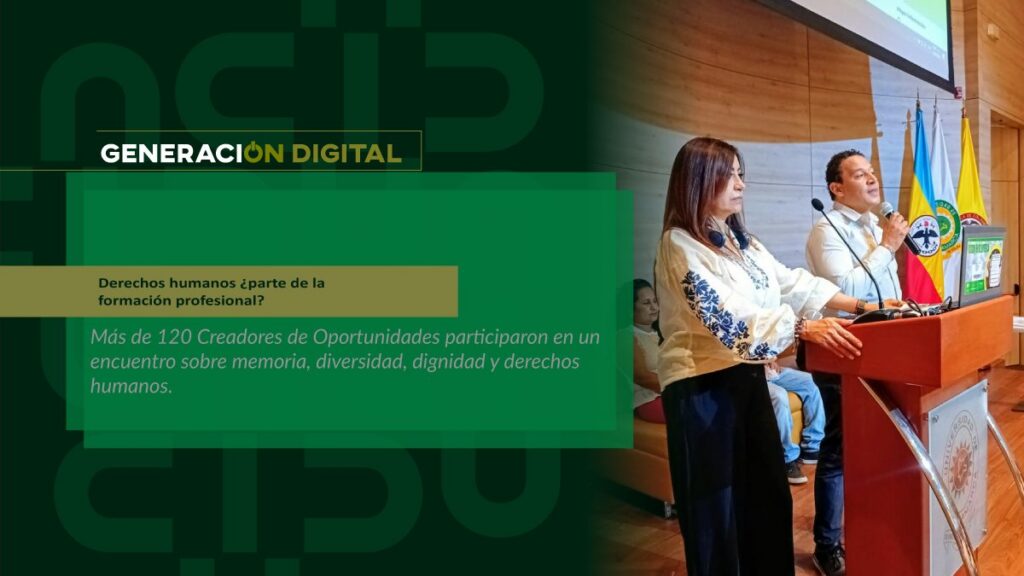
Human rights: part of professional training?
By: Alejandro García Suárez – Advisory Office of Communications



I am your virtual assistant, here to help you quickly and easily.
▲ Back to Top
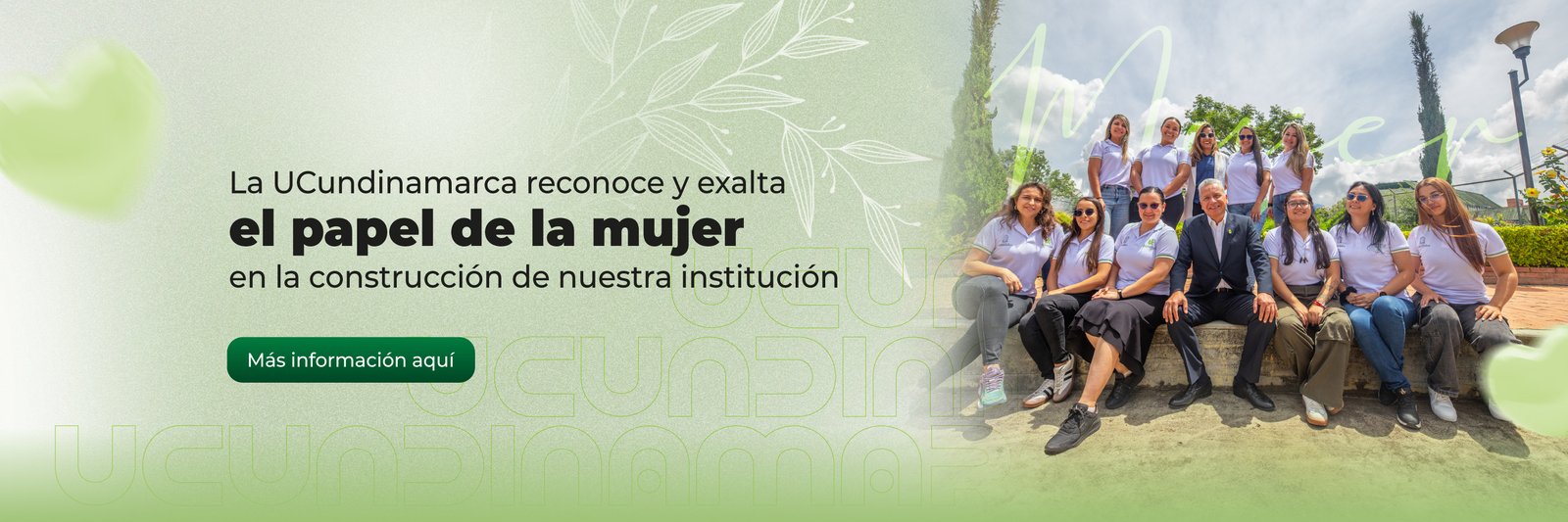
On International Women's Day, the institution highlights the female leadership that drives education, research and regional development in Cundinamarca.
By: Alejandro García Suárez – Advisory Office for Communications.
In the context of International Women's Day, the University of Cundinamarca recognizes the leadership, transformative capacity and commitment of women who contribute to the development of the territory through education, research and community action.
According to the Cundinamarca Observatory for Women and Gender Equity, 1,813,443 women live in the department, representing more than half of the population. However, gaps persist in access to job opportunities, income, and recognition in various social and productive sectors.
The report also notes that around 17,000 women in Cundinamarca still face difficulties in literacy processes, highlighting the need to strengthen educational and training strategies that promote their participation in academic, scientific, and professional settings.
Education and female leadership
The Observatory highlights that the combination of education, research and female leadership generates sustainable changes in the economy, culture and local politics, favoring more inclusive and participatory governance in the region.
In this context, the University recognizes the contribution of women who, from different roles, strengthen comprehensive training and the construction of knowledge.
María de los Ángeles Franco Ortíz, head of the Academic Support Unit, emphasized that the women of the institution contribute leadership, sensitivity, and commitment to the values that guide university life. “Their transformative capacity strengthens respect, human dignity, pluralism, and excellence—principles that guide the construction of a more just and equitable society,” she stated.
Institutional commitment with a feminine touch
The institution also highlights stories of effort and overcoming adversity within its academic community. One example is Leidy Caro Castaño, a collaborator in the general services area, a single mother, and a business administration student.
Their dedication demonstrates that discipline, a love of learning, and perseverance allow for building opportunities for personal and professional growth.
For her part, Sonia Arévalo Valdés, lead manager of the Citizen Service Center, stated that her work is geared towards transforming challenges into opportunities that strengthen institutional processes and the social impact of the university.
Likewise, Olga Lucía Perilla Salamanca, director of the Occupational Health and Safety Management System, highlighted the commitment of women to promoting well-being and caring for life within the university community.
Likewise, Yency Alexandra Beltrán Beltrán, coordinator of the Alumni Office, highlighted the role of the institution's graduates and their impact on society. She noted that the office strives to maintain a close relationship with the professionals trained at the University of Cundinamarca, supporting their career paths, showcasing their achievements, and recognizing the valuable contributions they make in their various fields. She also emphasized that the leadership and commitment of the graduates continue to project the institution's talent and generate positive transformations in the region and the country.
From this perspective, the Transmodern Digital Educational Model (MEDIT) at UCundinamarca promotes an education centered on the individual, technology, and community, geared towards lifelong learning. Through this model, the institution fosters educational processes that strengthen female leadership, critical thinking, and women's active participation in knowledge creation, thus contributing to the development of a more equitable, collaborative, and transformative society for Cundinamarca.
News
News
News
News