News
2026-09-24
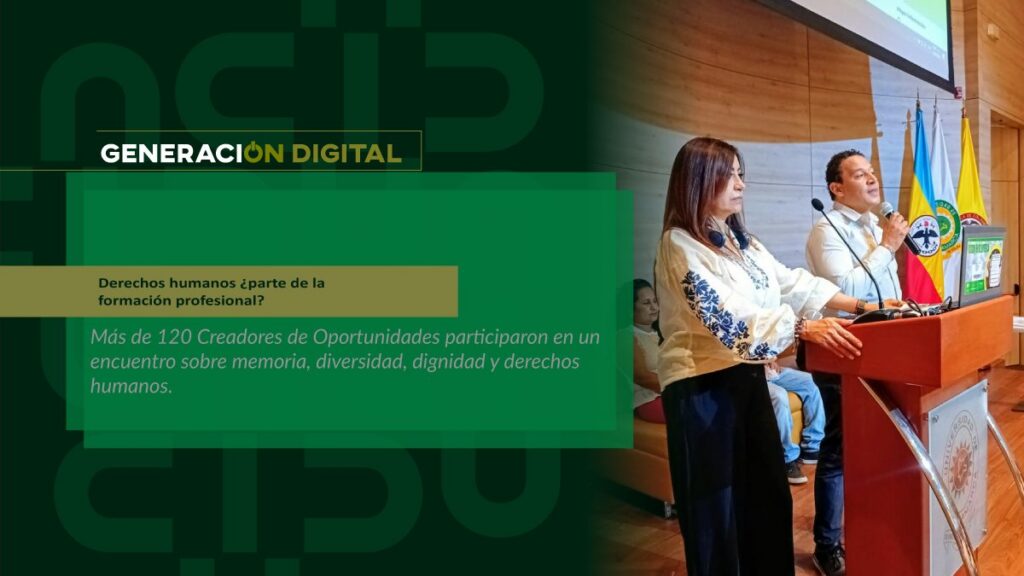
Human rights: part of professional training?
By: Alejandro García Suárez – Advisory Office of Communications



I am your virtual assistant, here to help you quickly and easily.
▲ Back to Top
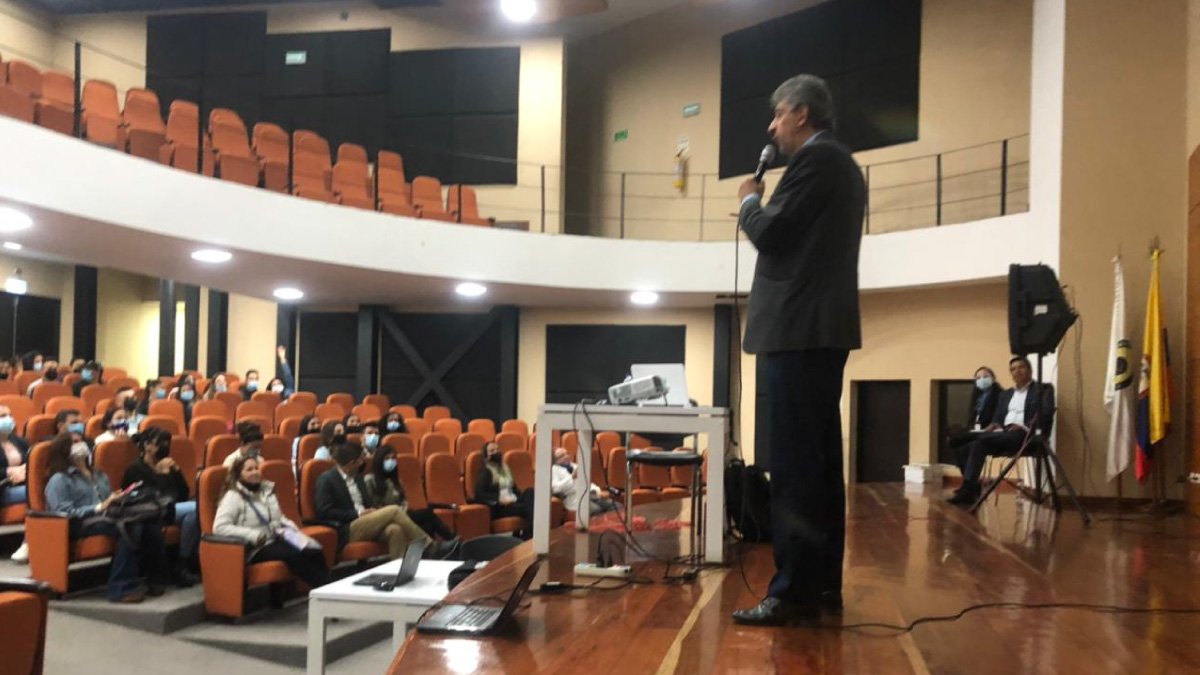
The activity aimed to foster closer ties and consolidate strategic alliances with the various economic development secretariats in the Sabana Centro region, encompassing the municipalities of Cajicá, Chía, Cogua, Cota, Gachancipá, Nemocón, Sopó, Tabio, Tenjo, Tocancipá, and Zipaquirá, in order to boost the tourism sector's value chain. "This activity seeks to integrate suppliers of all products and services that comprise the tourist experience, from trip planning and stay at the tourist destination to the return home," commented Juan Carlos Santos, leader of University Social Interaction for the program and organizer of the event, "How to Boost the Tourism Sector with Innovative Strategies.".
In their opinion, this sector of the local economy is completely fragmented. “The goal is for them to integrate and work together to create a unique traveler experience and achieve common objectives that generate significant income for everyone, unlike the current situation where paragliding operators don't interact with horseback riding tours, let alone taxi drivers. Everyone is looking out for themselves, and that's unacceptable. That's why, during the discussion, we expressed our interest in developing a serious educational program of courses or diplomas to help overcome this situation.”.
The event included Alven Ospina Gamboa, an expert consultant in E-Learning training strategies, who gave a presentation on a software This platform helps automate training processes in the tourism sector without requiring an expert. As an example, he cited how a newly hired hotel bellhop can receive standardized training on the duties of their position thanks to this platform.
Also speaking was Carlos Girón, an expert consultant in the customer experience management model, who talked about the sector's value chain, explaining its different phases that involve hoteliers, taxi drivers, agencies, and others.
According to a study by the Faculty of Administrative, Economic, and Accounting Sciences at the university, titled "Tourism in Cundinamarca: Supply and Demand," tourism activities in the municipalities of the Sabana Centro region are grouped into religious activities, such as attending Mass and visiting churches, and dining out, thanks to weekend visits from Bogotá residents to restaurants. Other activities include sports (351,000 people), visits to parks (241,000 people), and photography (141,000 people). This analysis demonstrates the existing potential and suggests that, after two years of economic recession due to COVID-19, it is worthwhile to revitalize the sector to generate employment and development.
In this way, UCundinamarca, through its university social interaction policy, works with communities to socially construct knowledge, generate improvements and transformations within them to achieve a Colombia with social justice.
News
News
News
News