Fusagasugá Branch
2026-09-24
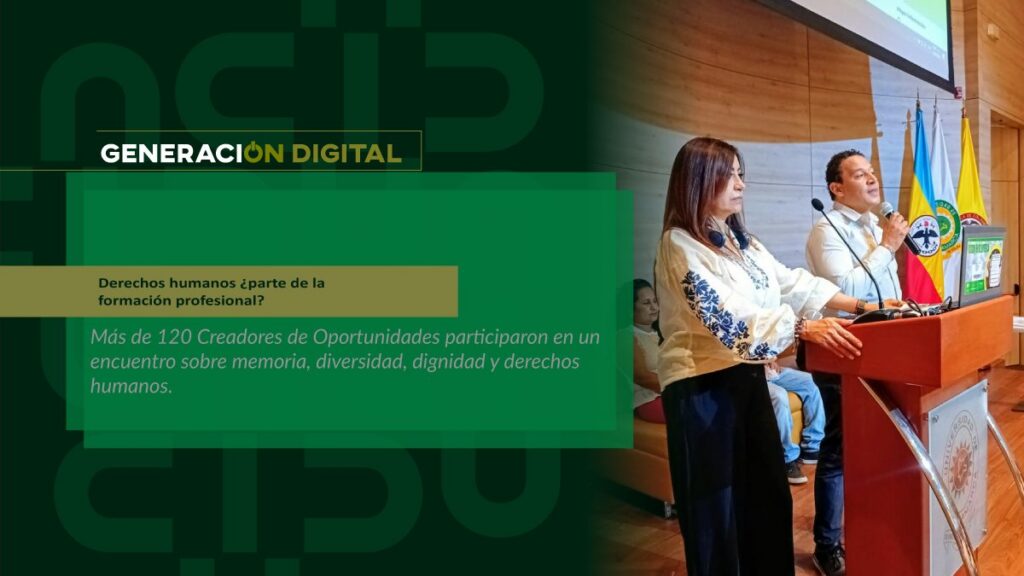
Human rights: part of professional training?
By: Alejandro García Suárez – Advisory Office of Communications



I am your virtual assistant, here to help you quickly and easily.
▲ Back to Top
By: Alejandro García Suárez – Advisory Office for Communications.
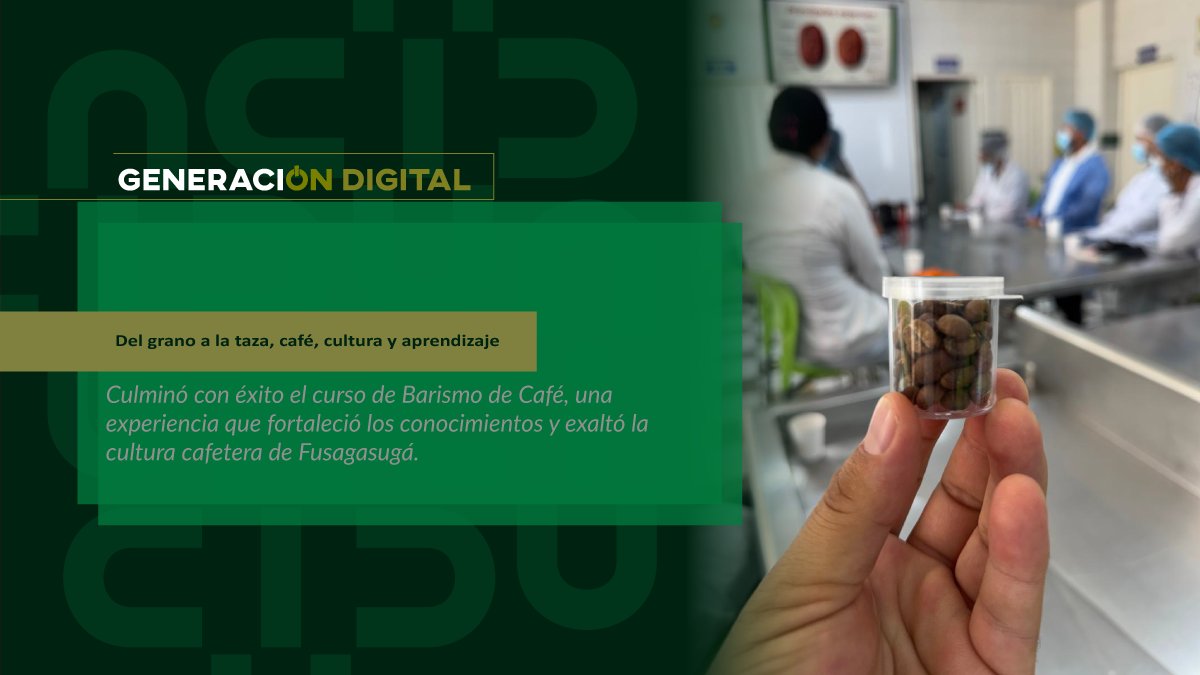
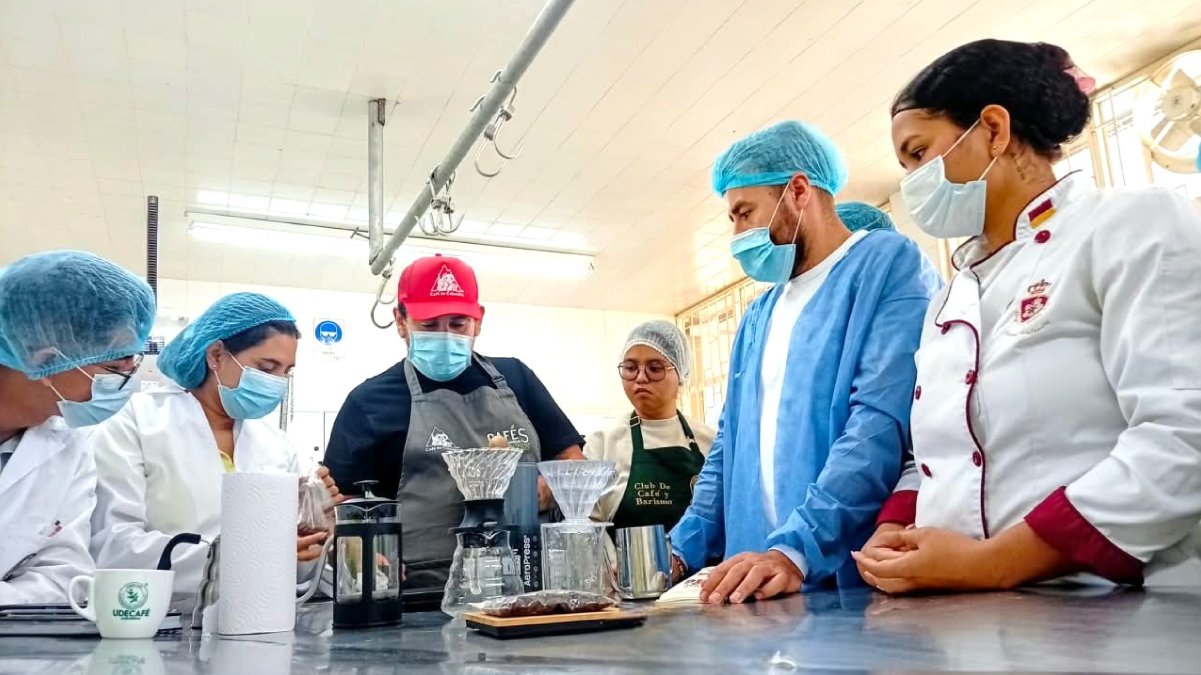
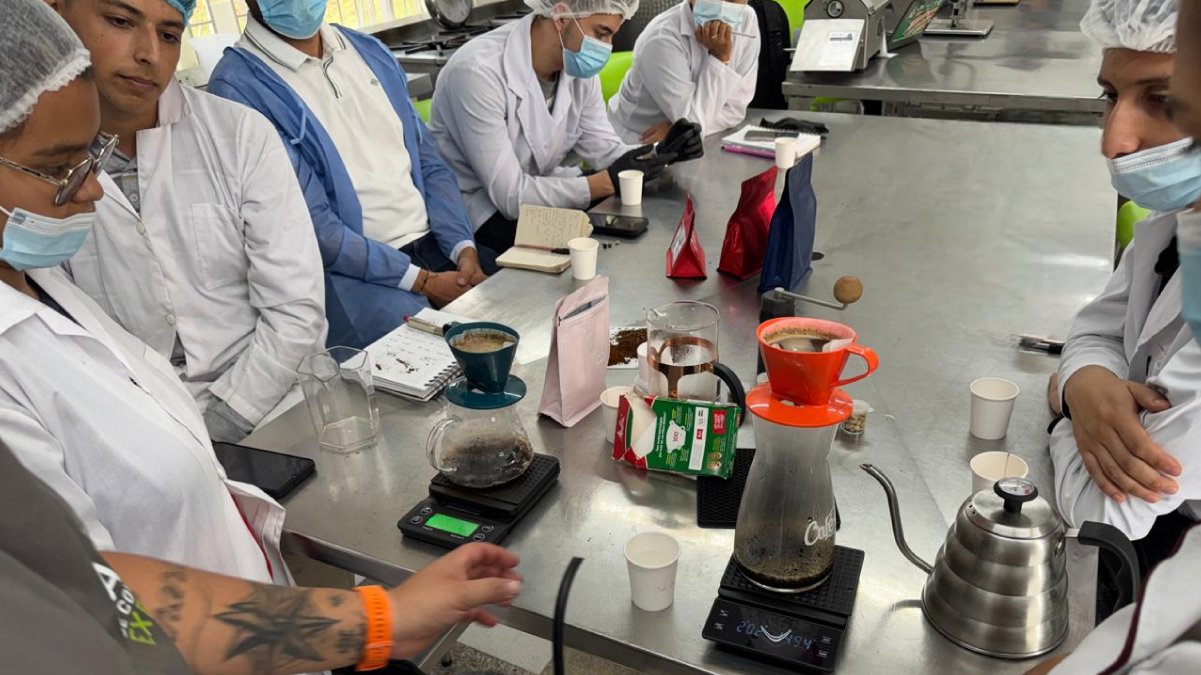
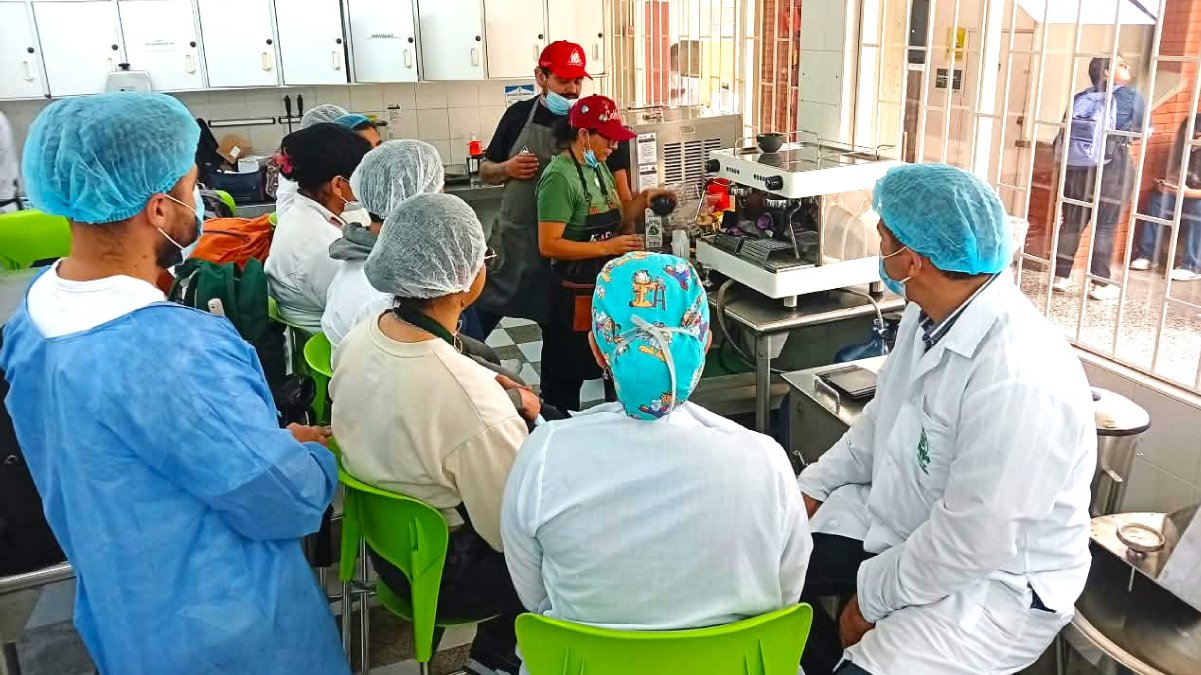
The aroma of coffee brought together knowledge, tradition and territory at the Fusagasugá campus. The Coffee Barista training course, led by the Faculty of Agricultural Sciences and the Agronomic Engineering program, successfully concluded. This experience allowed participants from the university community and the outside world to approach the world of coffee from a comprehensive perspective.
Beyond learning techniques to prepare a good cup, the course became a space to recognize coffee as part of cultural identity, productive heritage and an opportunity to contribute to the development of Fusagasugá and the Sumapaz region.
For Jonathan Córdoba Fontecha, coordinator of the Agronomic Engineering program, coffee represents an important economic and cultural dynamic for the territory; for this reason, the program has promoted training sessions with experts to strengthen knowledge and value each of the stages that make it possible to take coffee from the field to the cup.
On this occasion, the training was led by Diego Cáceres, an expert and coffee producer, who has participated in different specialized scenarios, such as Expo Cafés de Colombia 2025. During the three days that the course lasted, the attendees learned about the history and evolution of coffee in the world and in Colombia, its relationship with the culture and the territory, as well as the factors that influence the quality of a specialty coffee.
The process also allowed participants to understand the journey of the coffee bean from its cultivation to its final preparation, addressing aspects related to production, harvesting, post-harvest, filtering methods and the basic principles of barista skills. In this way, the participants recognized the role of the barista as a bridge between the work of coffee growers, culture and the consumer.
For Diego Cáceres, these spaces are fundamental to continuing to strengthen an industry that has left a profound mark on the country. He also emphasized the importance of recognizing the work that begins in the fields, where coffee growers carry out essential processes to obtain a quality product. “The barista is the last face that brings the coffee to the table, but the most important work is done by our coffee growers,” he stated.
Among the participants was Jairo Hortúa, former mayor of Fusagasugá, who highlighted the importance of the University creating spaces to learn about and value a product so representative of the region; for him, the experience allowed him to learn about the preparation
of coffee and better understand the effort behind each harvest, while opening opportunities to strengthen the coffee economy of Fusagasugá and Sumapaz.
From a student's perspective, Estiven Torres, a member of the Coffee Club and a third-semester student of Agronomic Engineering, highlighted the opportunity to complement his knowledge of cultivation with learning about what happens after the product leaves the hands of the farmers, an experience that, he pointed out, allows him to understand the entire value chain and contribute, as future professionals, to strengthening the rural sector.
With initiatives like this, the University of Cundinamarca continues to consolidate learning environments that connect knowledge with the realities of the region. Through the Transmodern Digital Educational Model (MEDIT), these experiences promote an education that transcends the classroom, recognizes the knowledge of local communities, and allows students to learn, create, and transform alongside their environment, turning knowledge into an opportunity to contribute to the development and well-being of the region.
News
News
News
News