Fusagasugá Branch
2026-09-24
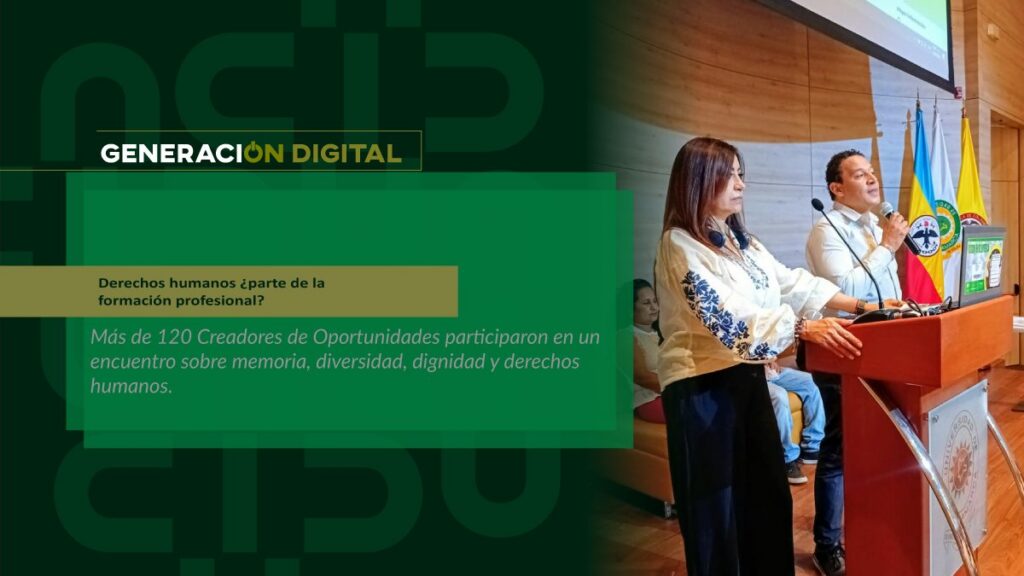
Human rights: part of professional training?
By: Alejandro García Suárez – Advisory Office of Communications



I am your virtual assistant, here to help you quickly and easily.
▲ Back to Top
By: Alejandro García Suárez – Advisory Office for Communications.
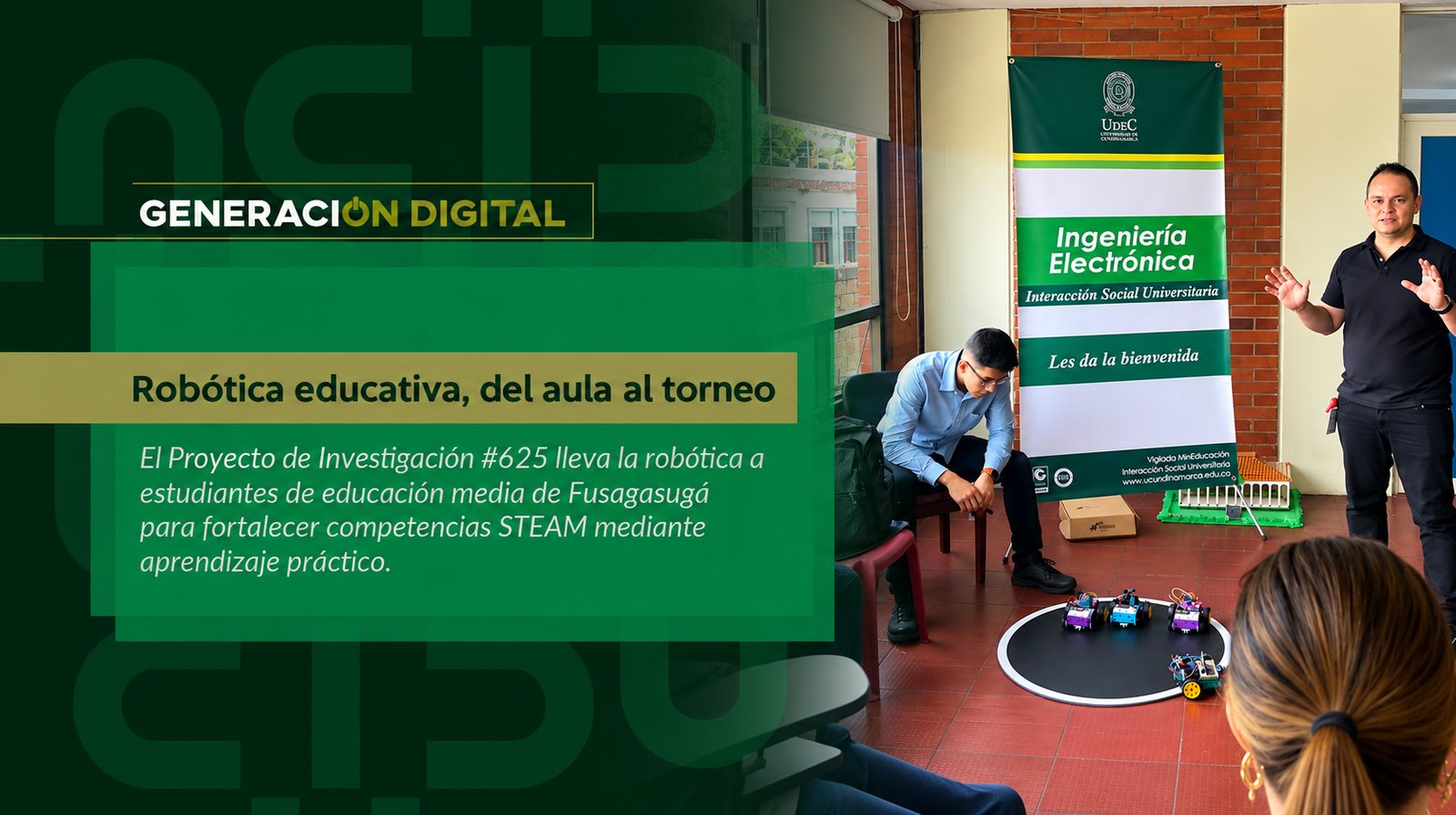
What if learning electronics, programming, and robotics could also become an experience for creating, experimenting, and solving problems? That is one of the goals of Research Project #625, entitled “Implementation of the robotics microprogram and didactic kit as an innovative strategy for strengthening STEAM skills and evaluating the transmodern pedagogical impact in secondary education in Fusagasugá: From the Classroom to the Tournament 1.0.”.
The initiative, developed during 2026, seeks to promote educational robotics as a learning strategy in secondary school students in Fusagasugá and the Sumapaz region, integrating technology, experimentation and STEAM skills related to science, technology, engineering and mathematics.
For Neil Andrés Jiménez Pinzón, Knowledge and Learning Manager of the Electronic Engineering program in Fusagasugá and principal investigator of the project, the proposal stems from a fundamental idea: technology in education should not be limited to the use of devices, but should become an opportunity for students to understand, experiment, design, program, analyze, and solve problems.
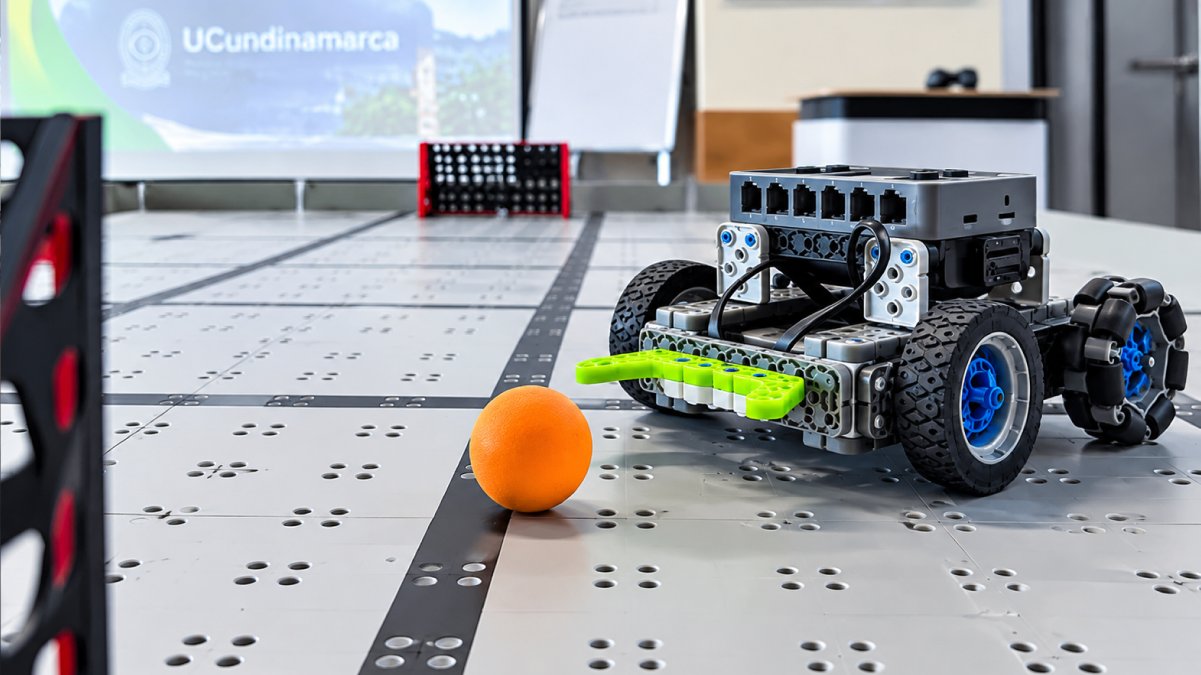
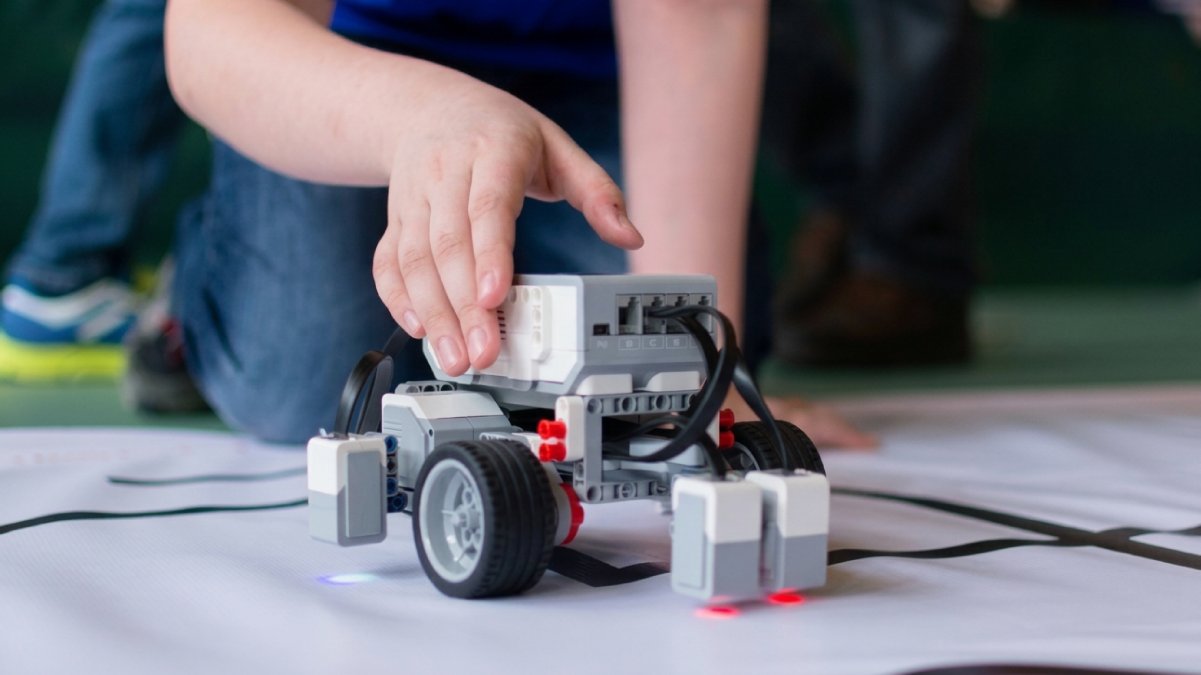
In this process, the SARITA educational robotic prototype becomes a technological and didactic resource that allows young people to learn about electronics, programming, automation and robotics, through interactive experiences that promote the development of different skills.
The project is developed around three axes: educational, research and engineering. From an educational perspective, it seeks to strengthen learning processes and generate articulations with university training; from a research perspective, to contribute knowledge about robotics as a mediation of learning; and from an engineering perspective, to apply knowledge of programming, control systems and prototype development to real needs of educational contexts.
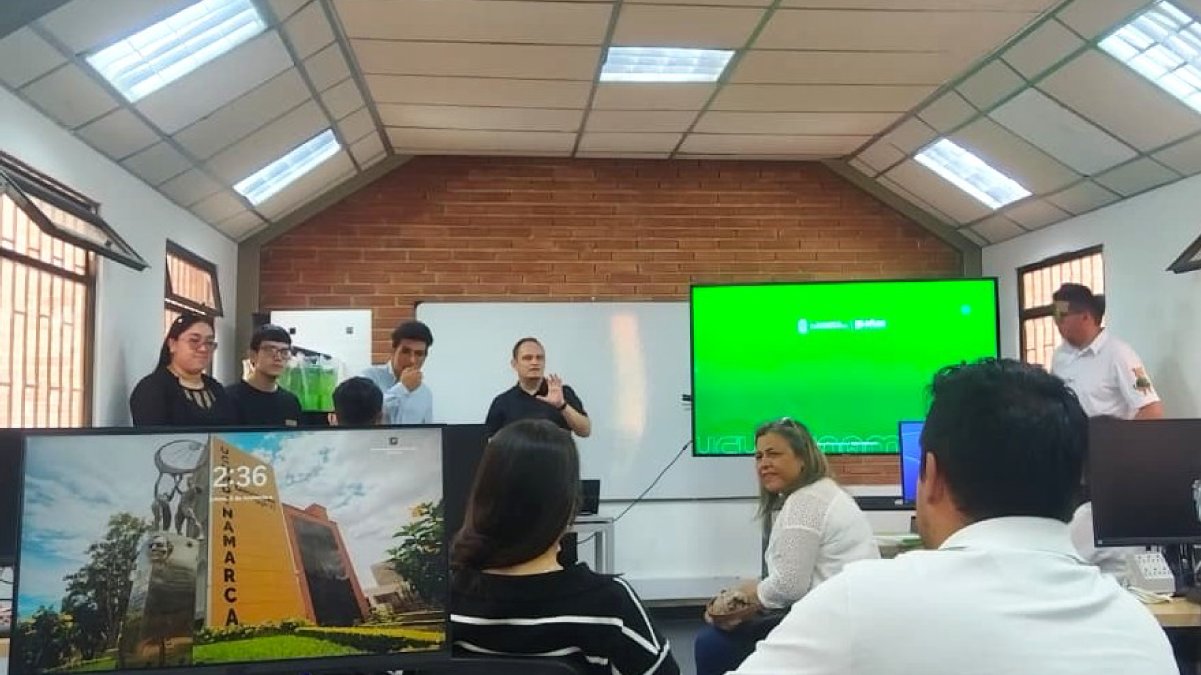
The initiative also brings together the capabilities of different research groups and incubators. The project involves the groups GITEINCO, GIGATT and EBATÉ, along with the incubators KINÉSTASIS, µUDEC and CREINNG, fostering interdisciplinary work among researchers, students and different areas of knowledge.
Beyond building and using a technological prototype, Project #625 seeks to generate meaningful learning experiences, strengthen research capabilities and promote the appropriation of scientific and technological knowledge. In this way, robotics becomes a bridge between secondary education and the University, bringing young people closer to fields related to science, technology and engineering.
One of the purposes of the initiative is that these experiences can be adapted and subsequently replicated in other educational institutions, contributing to technological appropriation and the reduction of gaps related to access to learning tools and experiences in these fields.
Thus, “From Classroom to Tournament 1.0” connects education, research, and engineering around a common goal: learning by doing, experimenting, solving problems, and innovating. This experience reflects how research at UCundinamarca can extend beyond its academic walls to engage with local communities and create new learning opportunities for the generations building the future.
News
News
News
News