News
2026-09-24
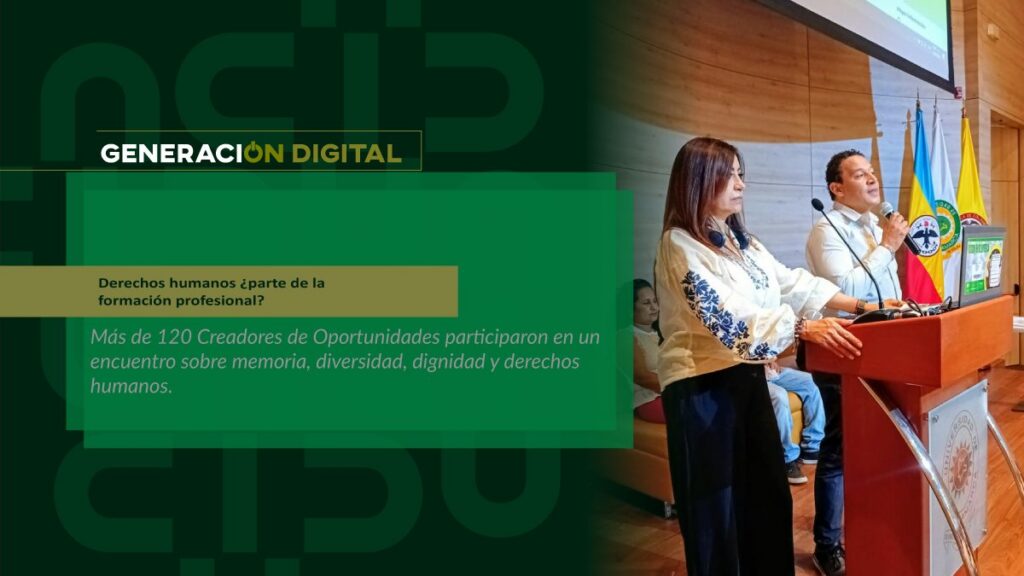
Human rights: part of professional training?
By: Alejandro García Suárez – Advisory Office of Communications


I am your virtual assistant, here to help you quickly and easily.
▲ Back to Top
By: Alejandro García Suárez – Advisory Office of Communications
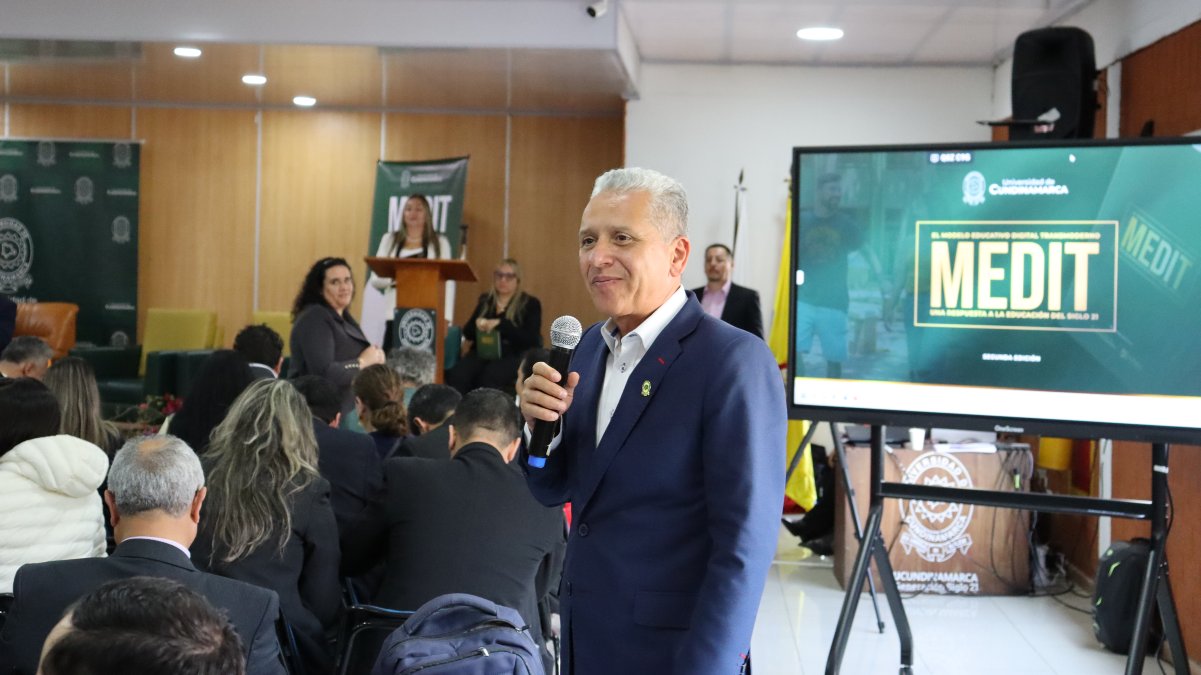
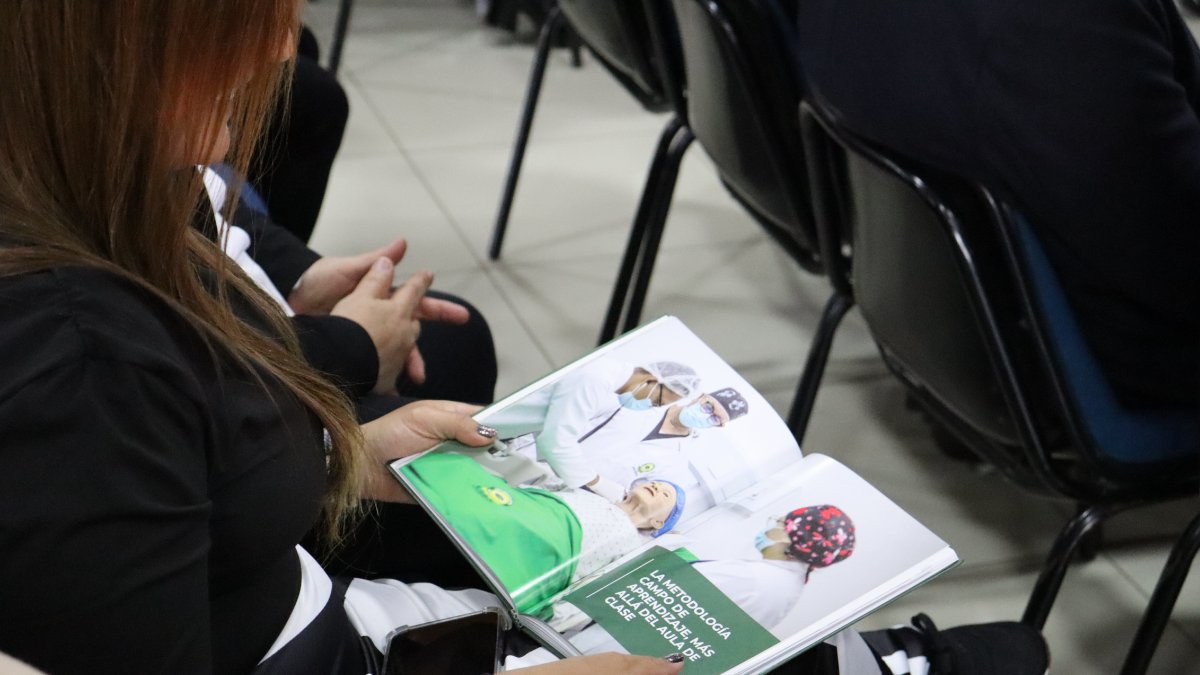
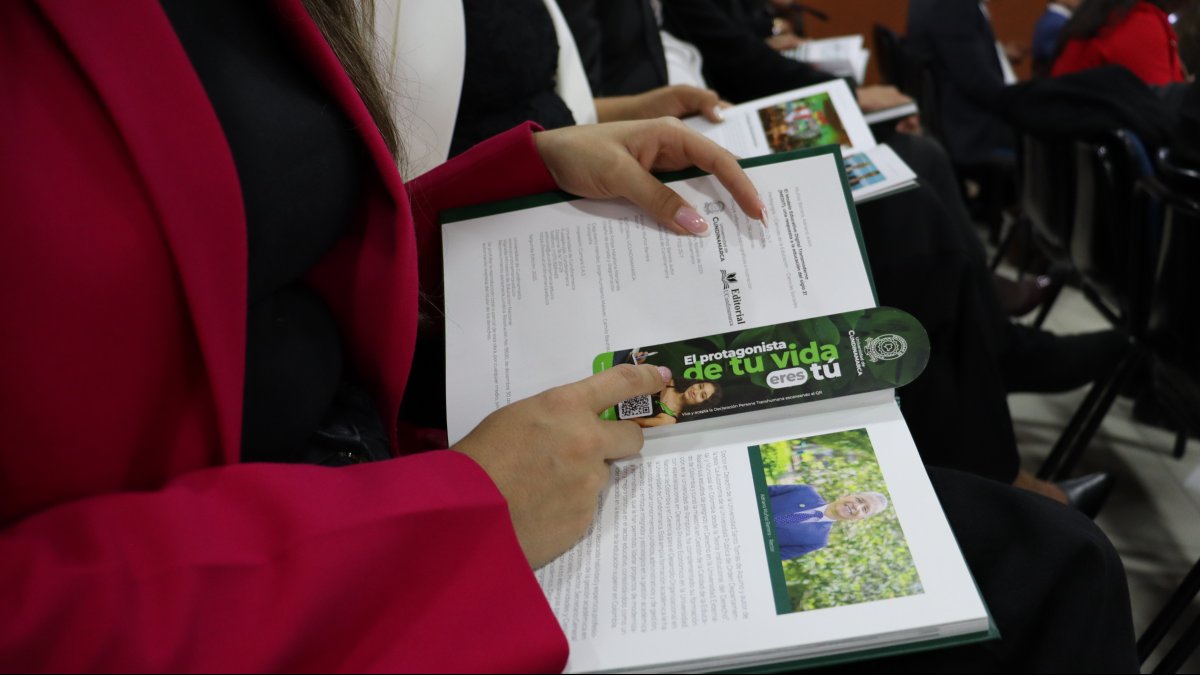
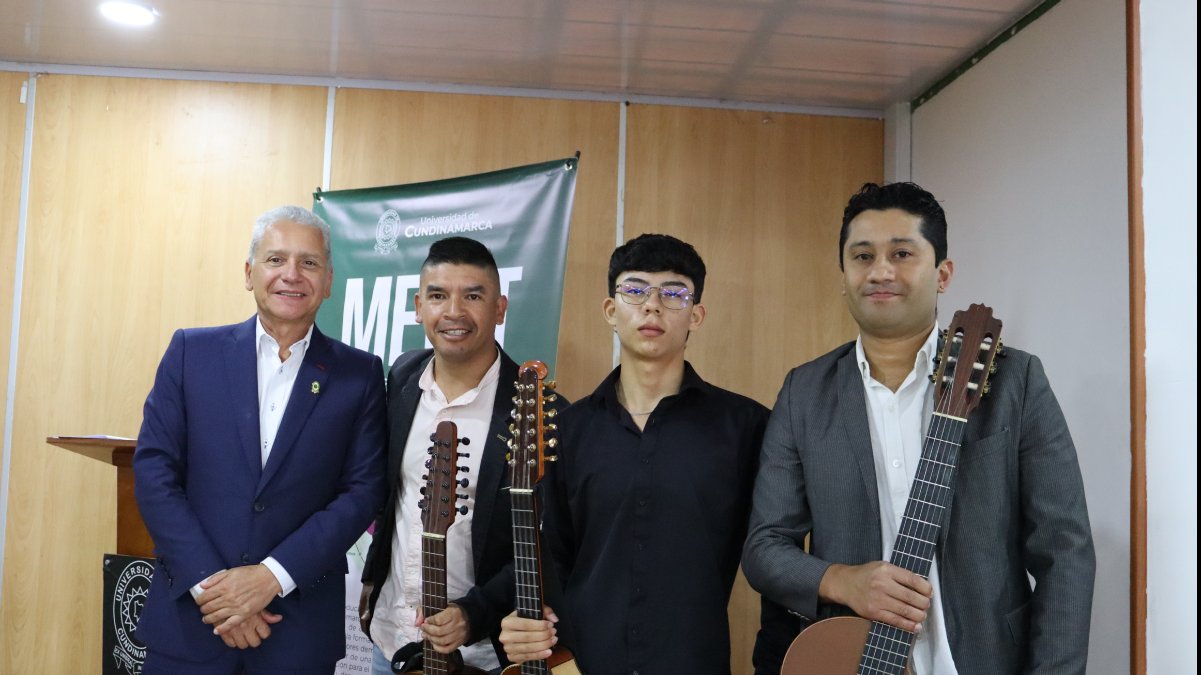
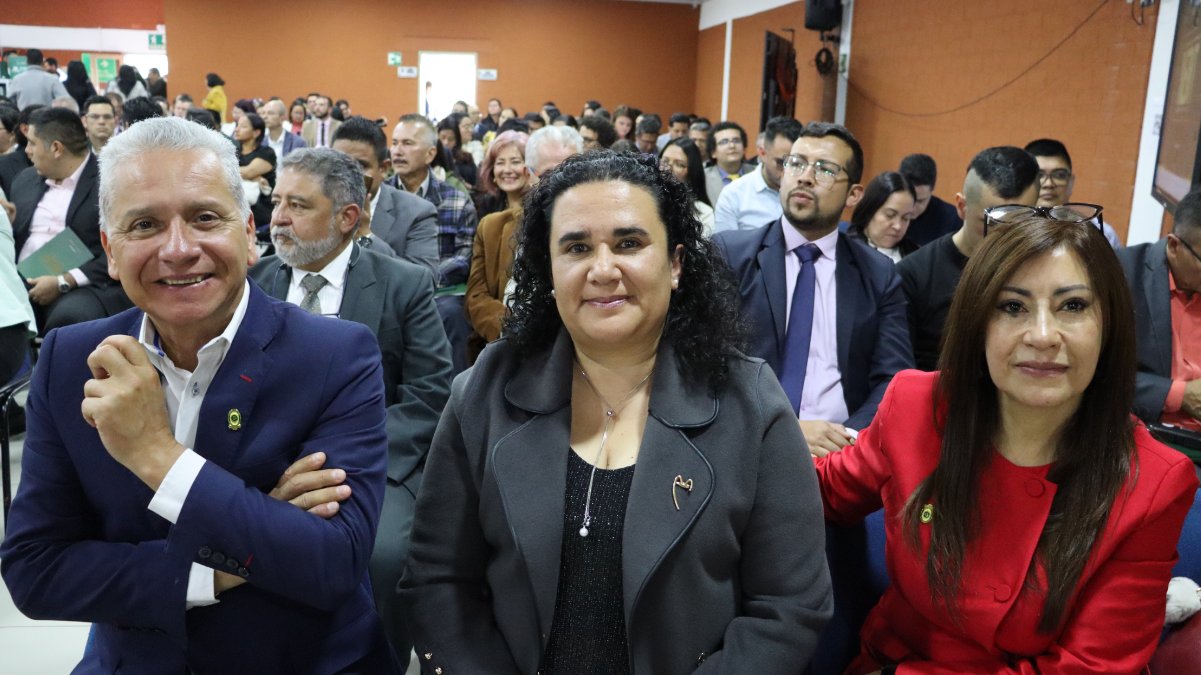
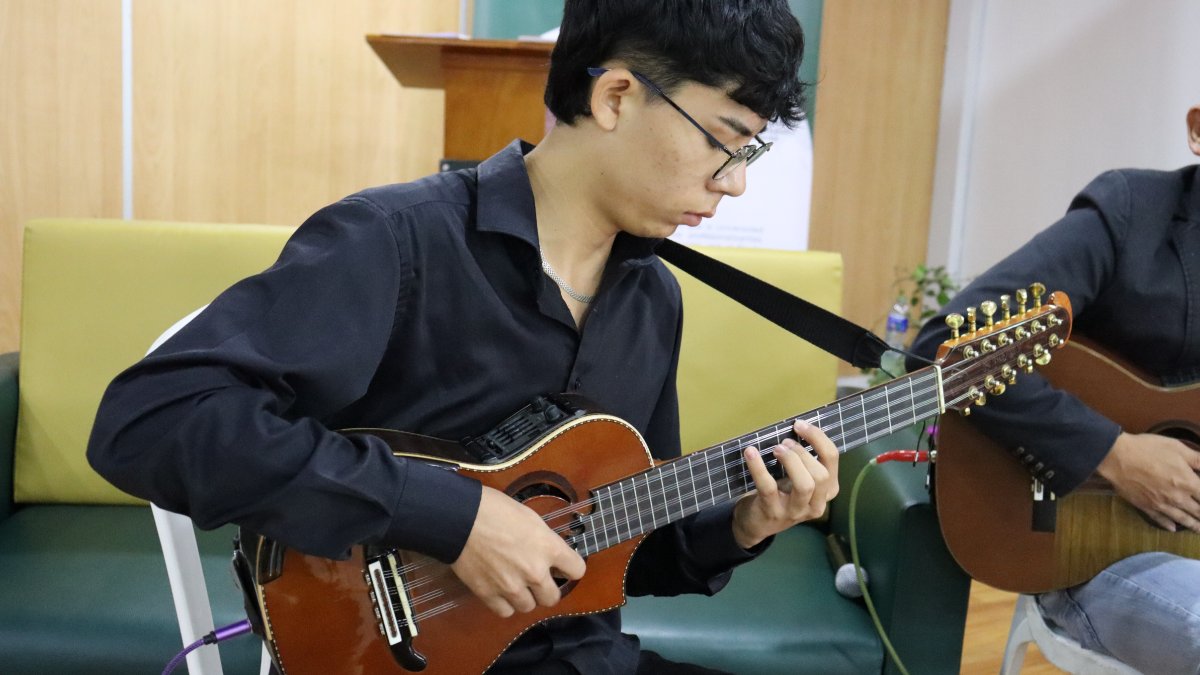
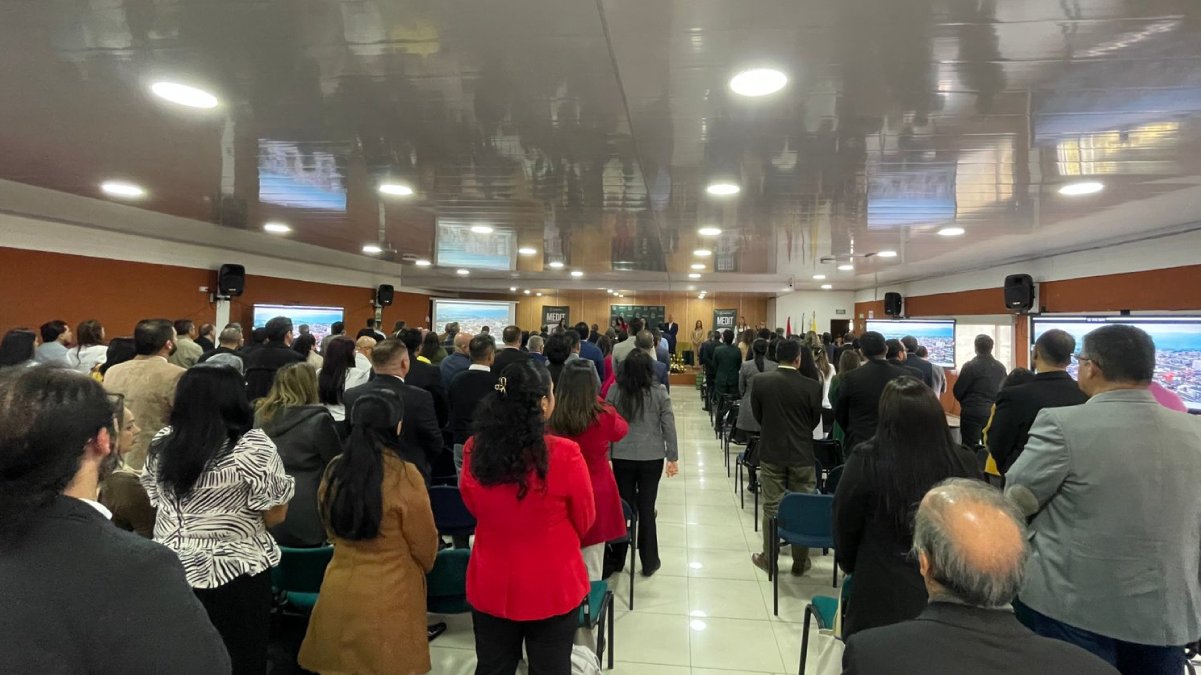
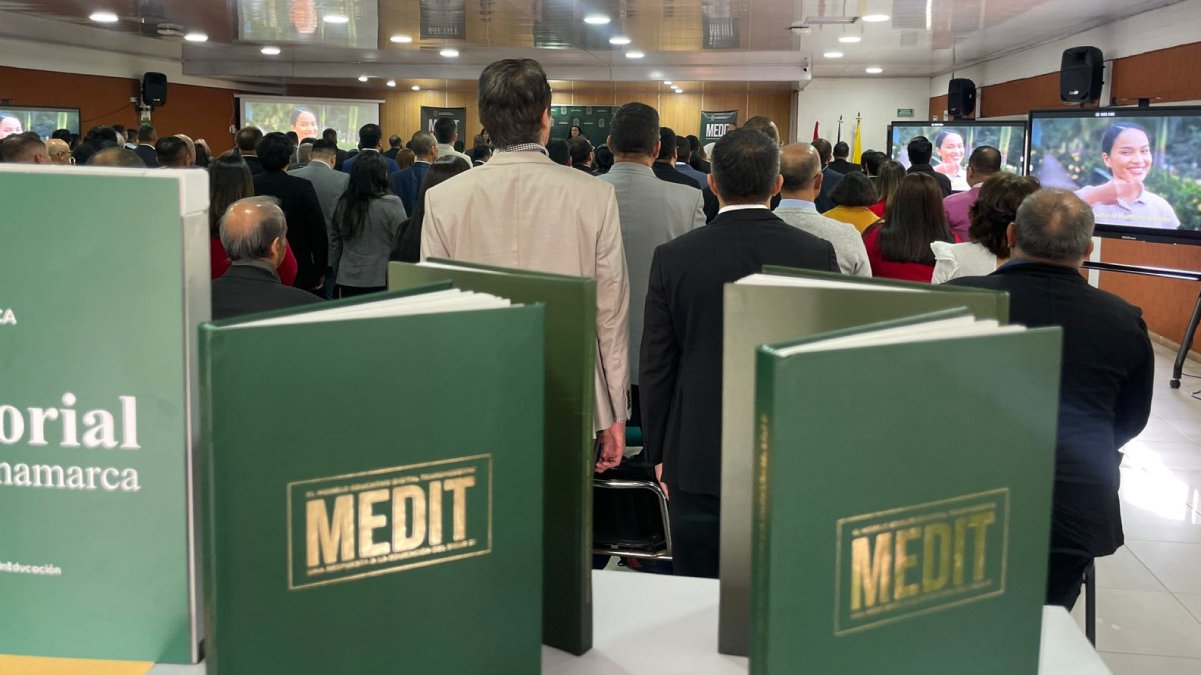
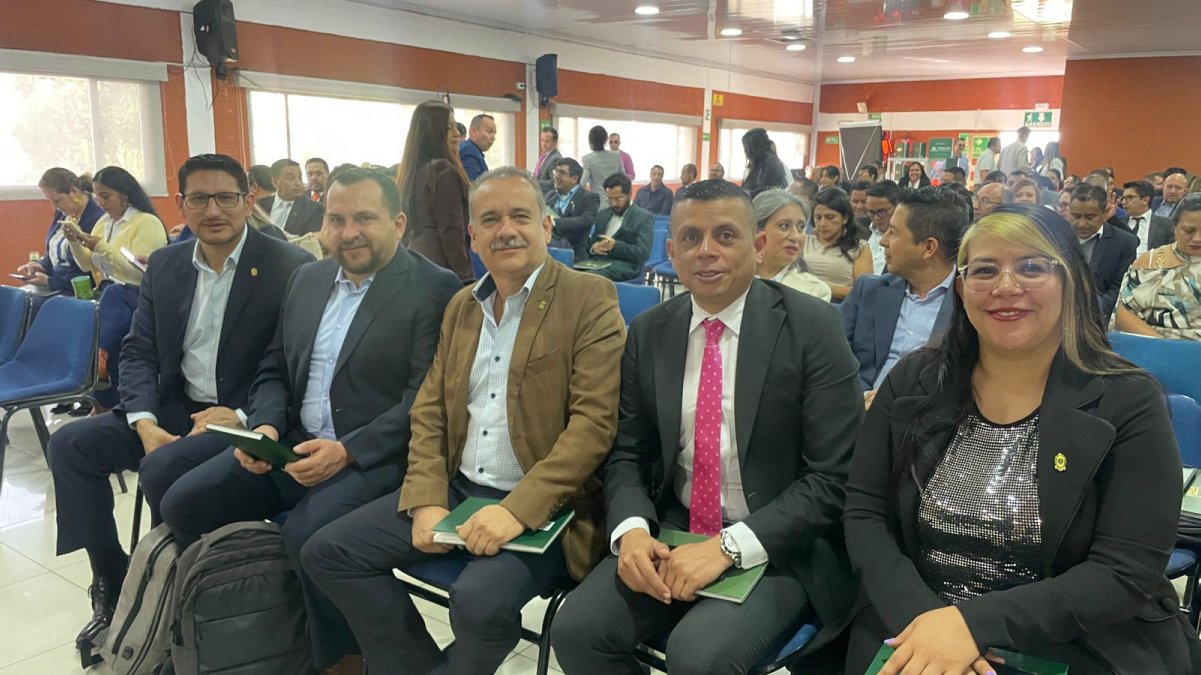
At the Soacha Extension, the CAI Living MEDIT 7.0 experience took place, which included two significant moments: the awarding of badges to the Knowledge and Learning Managers who completed this Institutional Learning Field, as a symbol of their commitment and active participation in experiencing the educational model, and the presentation to the university community of the book Transmodern Digital Educational Model – MEDIT, a Response to 21st Century Education.
The second edition of this publication, the work of Dr. Adriano Muñoz Barrera, rector of the institution, is consolidated as a scenario for reflection on the present and future of higher education, in permanent dialogue with the pedagogical, technological and social challenges of the current context.
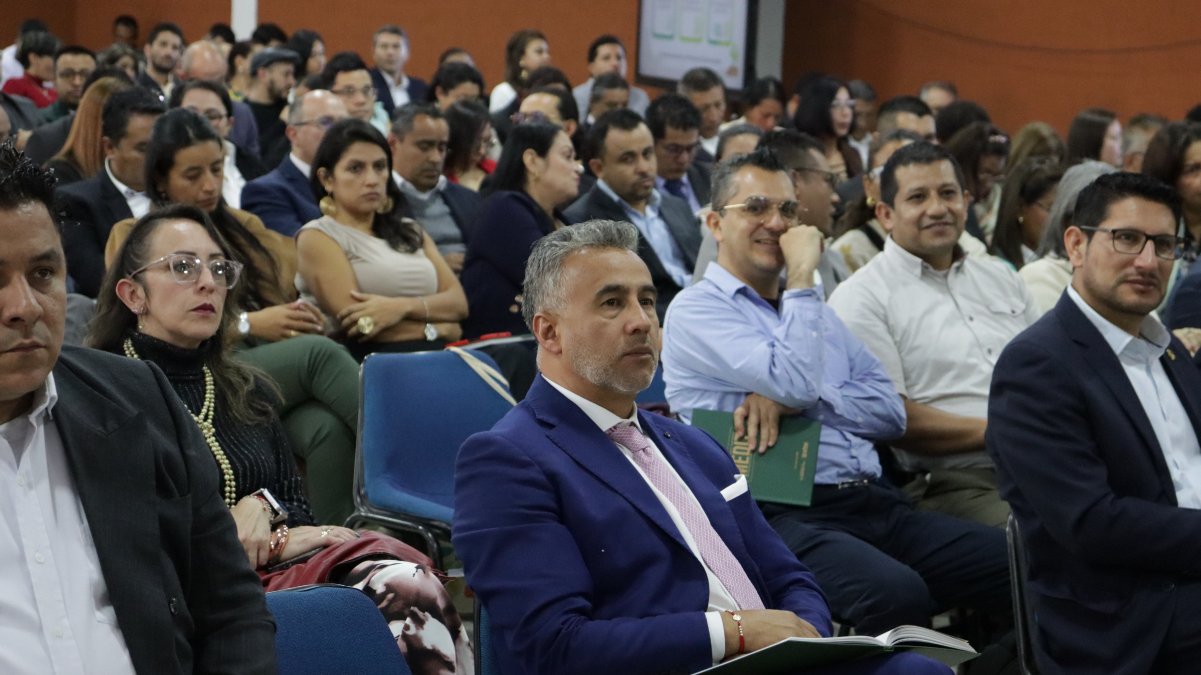
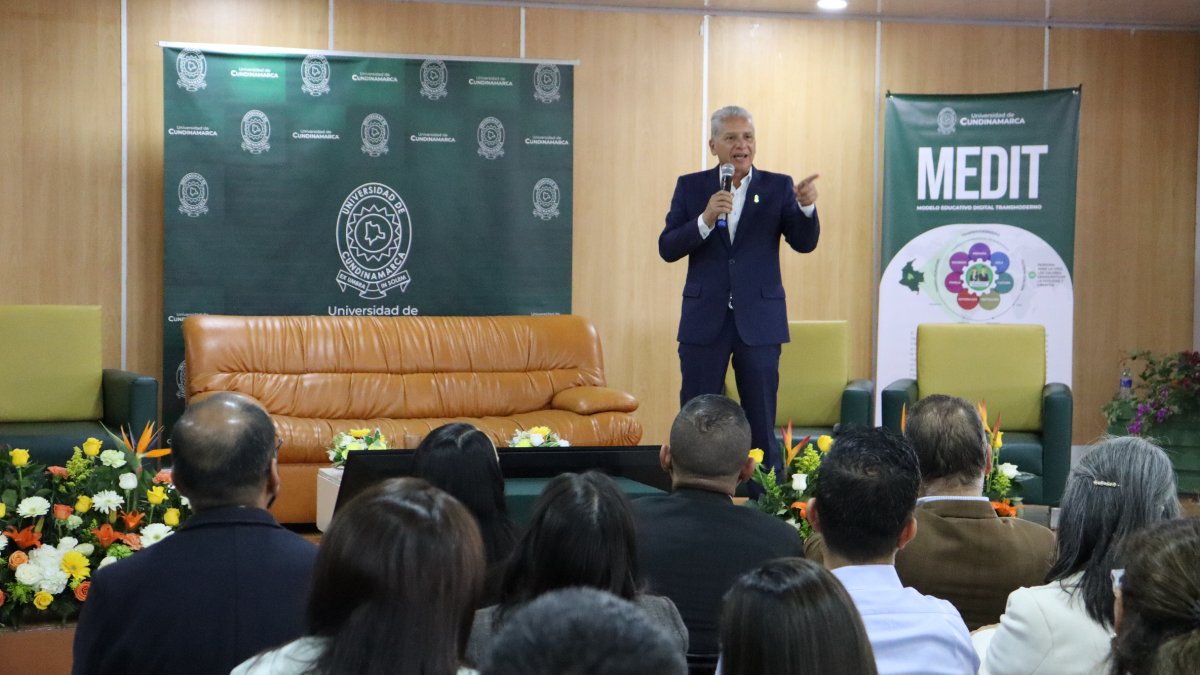
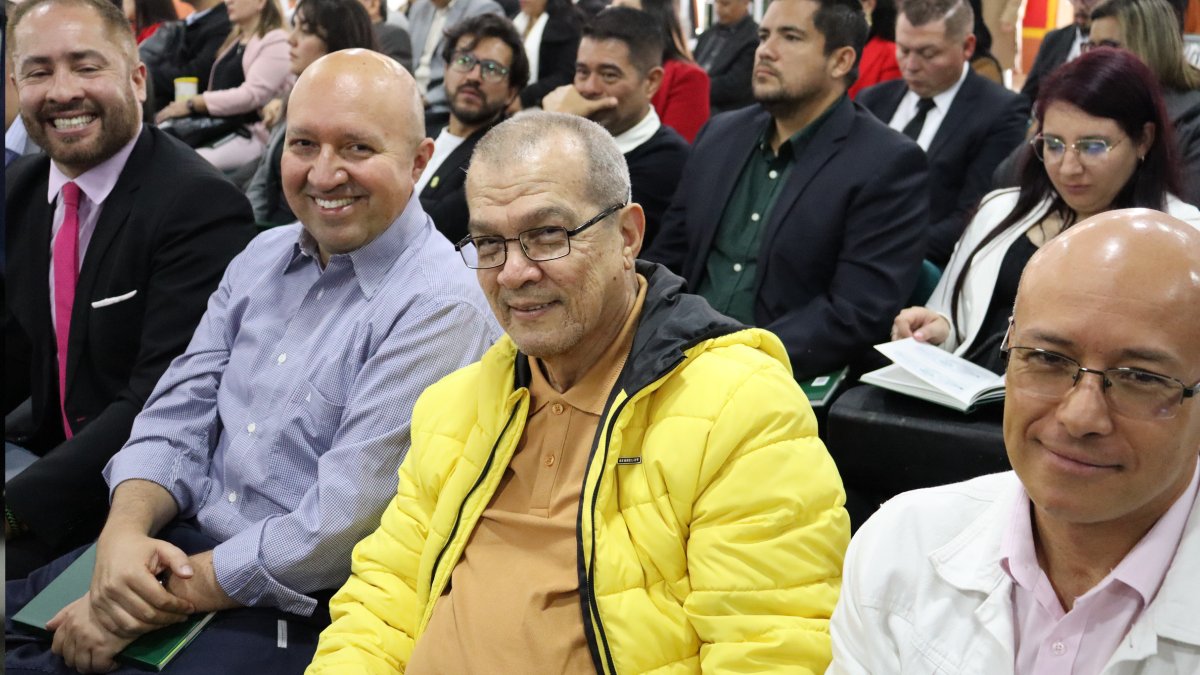
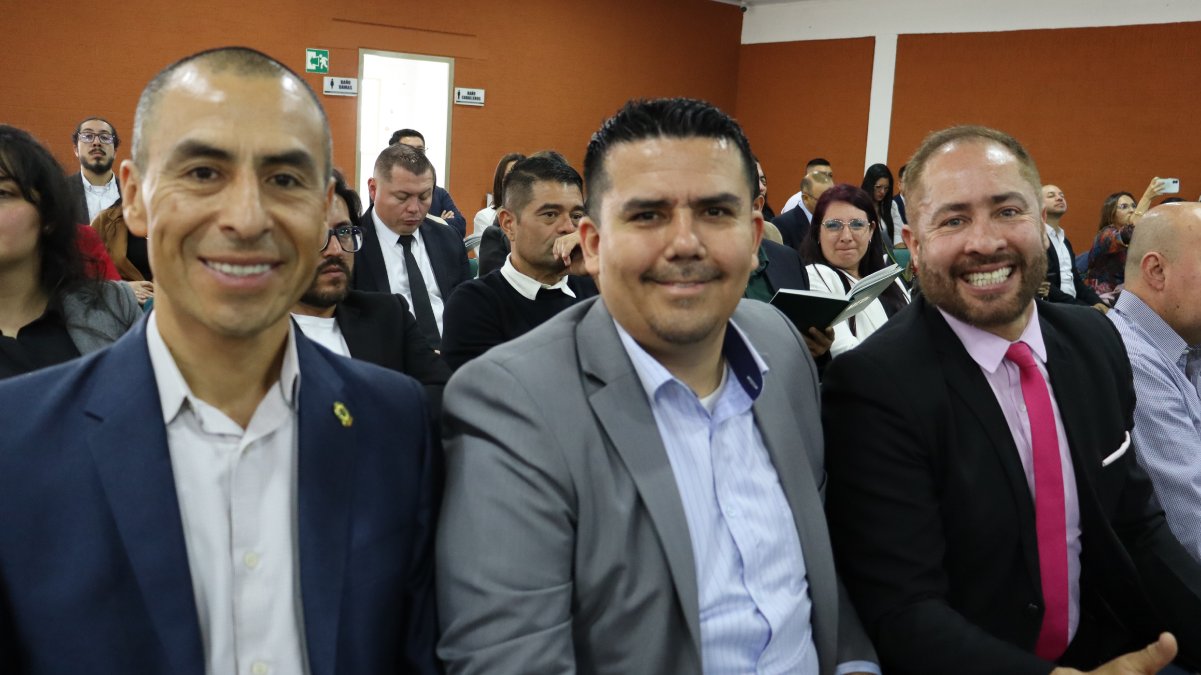
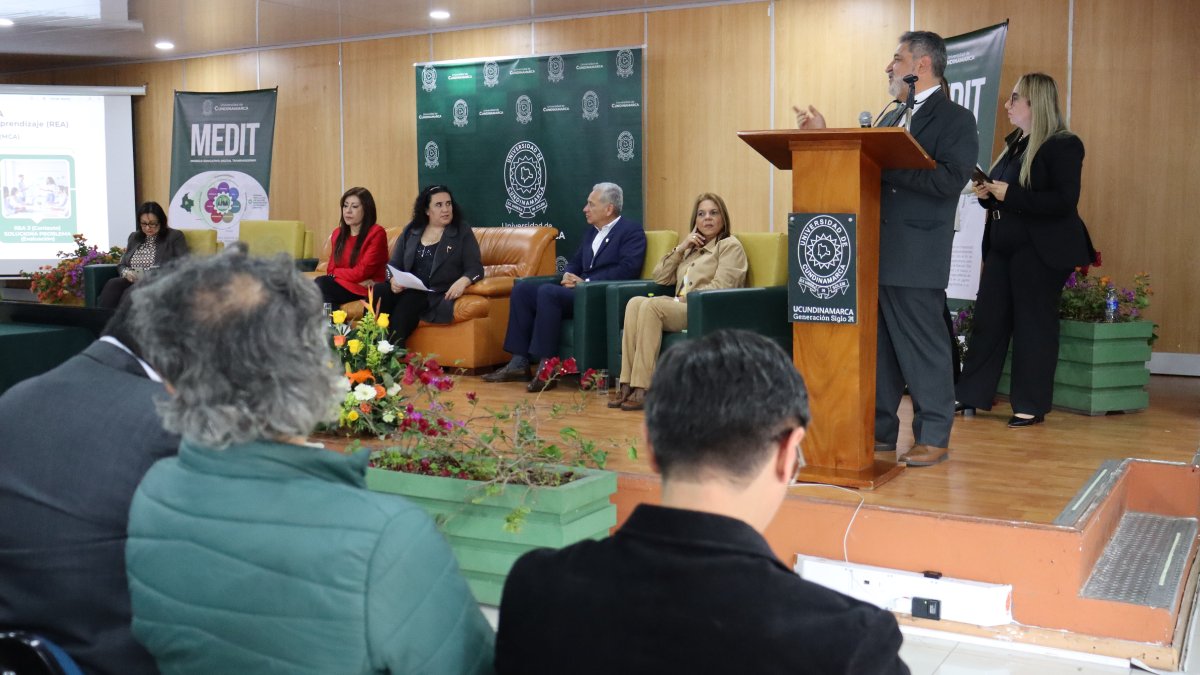
The launch took place in the Varón del Sol Soacha auditorium, with the participation of senior management, knowledge and learning managers, researchers and allies of the education sector, who discussed the challenges and transformations that training demands in the current context.
During the day, MEDIT was highlighted as a pedagogical proposal that articulates technology, territory and life, placing the student at the center of the formative process and promoting meaningful, relevant learning connected with social realities.
In his speech, Rector Adriano Muñoz Barrera stated that "young people are forcing us to reinvent ourselves," highlighting that this new edition of the book incorporates Chapter 6 of the Rector's Plan, which invites the implementation of MEDIT through the Multidimensional Learning Field methodology.
Likewise, the rector pointed out that the book is a living and constantly evolving endeavor, just like new generations and teaching and learning strategies, in a model where the teacher ceases to be a transmitter of content to become a source that co-creates knowledge together with the students.
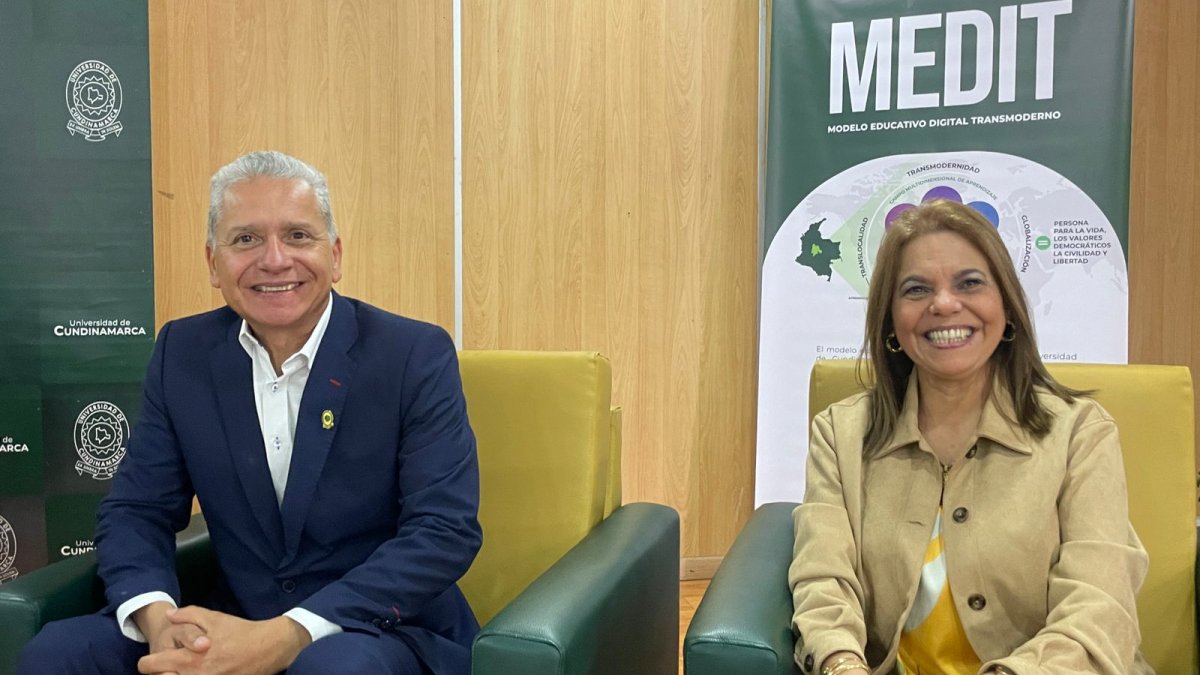
From an academic perspective, Zandra Maritza Tarazona Carrascal, Knowledge and Learning Manager of the Social Sciences program, highlighted the value of the launch and the exchange of experiences among opportunity creators from different regional units, which allows strengthening the human and reflective component of the educational model.
For his part, Héctor Rodríguez Tunubalá, Knowledge and Learning Manager at the Fusagasugá campus, highlighted the incorporation of emerging technologies, artificial intelligence and transmodernity, elements that strengthen social research and allow for greater interaction with local and regional realities.
In turn, Ismael Roa, Knowledge and Learning Manager of the Electronic Engineering program in Fusagasugá, described his participation in the Institutional Learning Field CAI Living MEDIT 7.0 as a rewarding and significant experience, which strengthens academic capacities and promotes continuous improvement through dialogue and feedback.
With this second edition of the MEDIT book, the University of Cundinamarca confirms its commitment to a transformative, digital and transmodern education, which engages with the territory, technology and social challenges, placing life and human dignity at the center of knowledge.
Listen to our Podcast:
News
News
News
News