News
2026-09-24
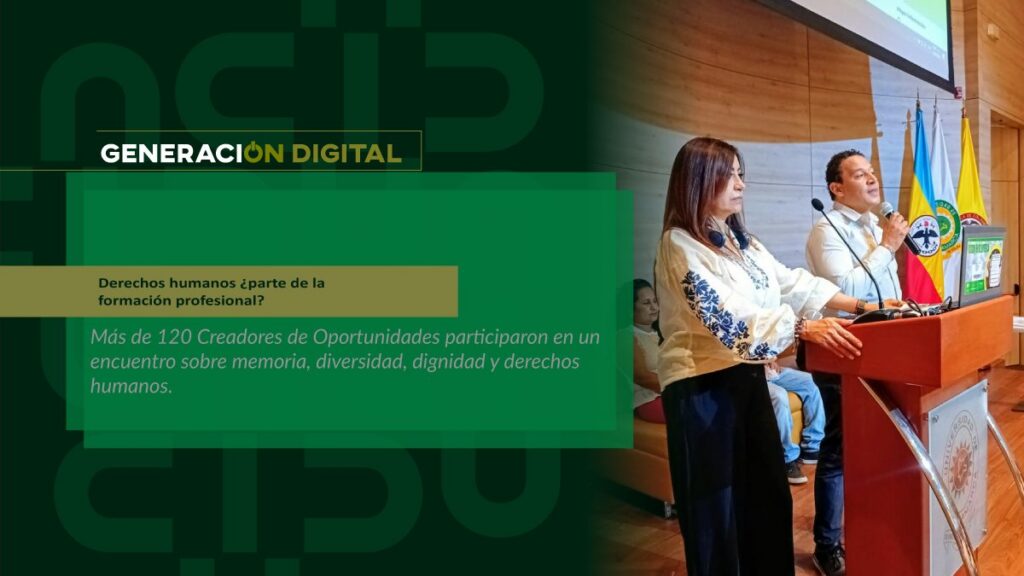
Human rights: part of professional training?
By: Alejandro García Suárez – Advisory Office of Communications



I am your virtual assistant, here to help you quickly and easily.
▲ Back to Top
By: Alejandro García Suárez – Advisory Office of Communications
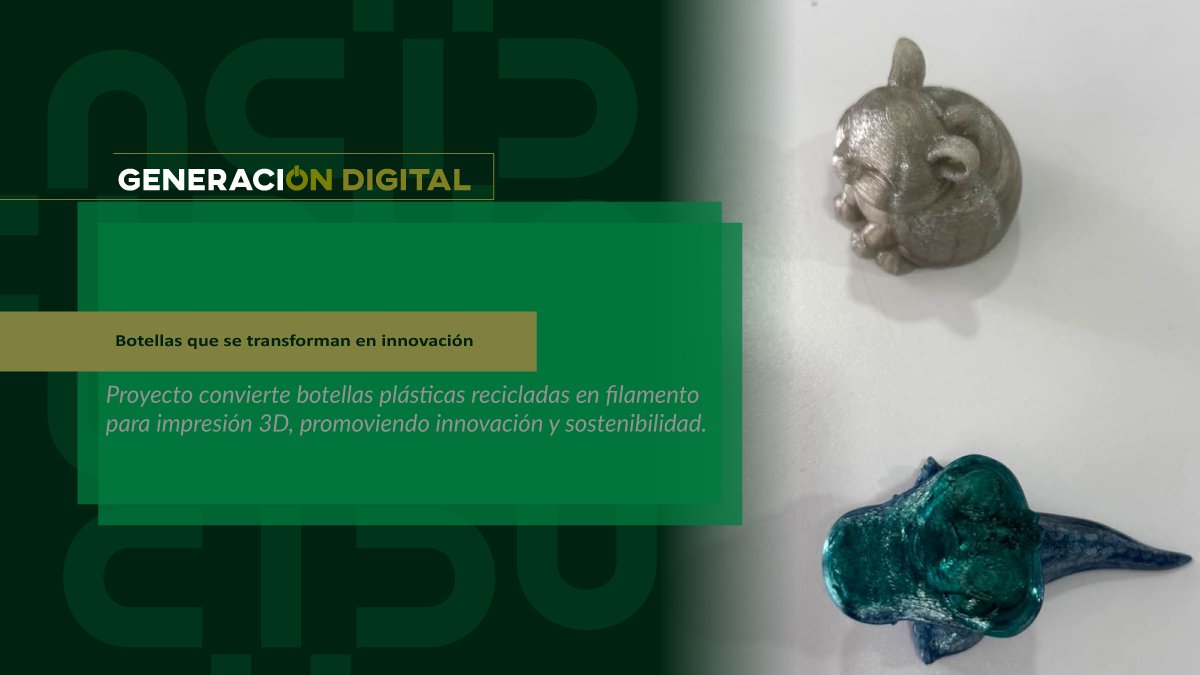
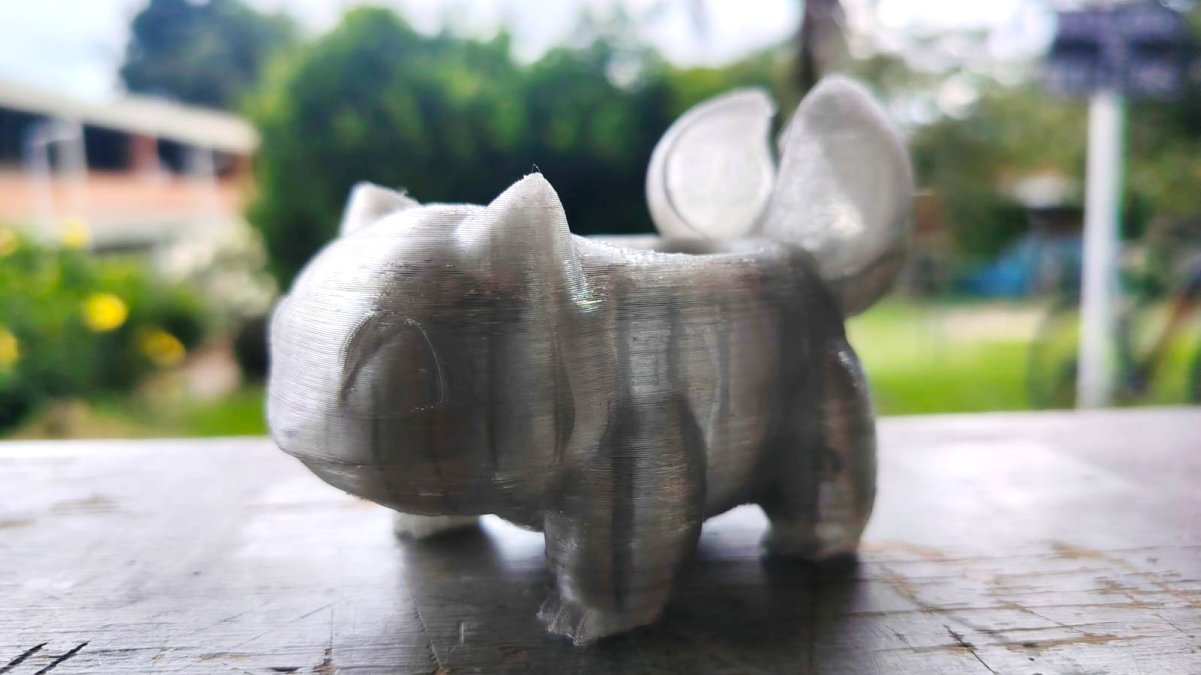
What many consider waste destined for the trash has become an opportunity for a group of researchers to innovate, learn, and contribute to environmental protection. At the Electronics Laboratory of the Academic Support Unit, a project is underway to transform PET plastic bottles into filament for 3D printing, a material widely used for manufacturing prototypes, parts, and technological solutions.
The initiative arose from the identified need to find sustainable alternatives for utilizing one of the most common types of waste in the environment: plastic beverage bottles. Based on this problem, the team began investigating how to transform this material into a useful resource for academic and technological development.
According to Andrés Felipe Garibello Medina, Manager of the Academic Support Unit Laboratory, the project's purpose goes far beyond traditional recycling. "We wanted to demonstrate that a common waste product like a plastic bottle can become a tool for innovation, learning, and the creation of new solutions within the University.".
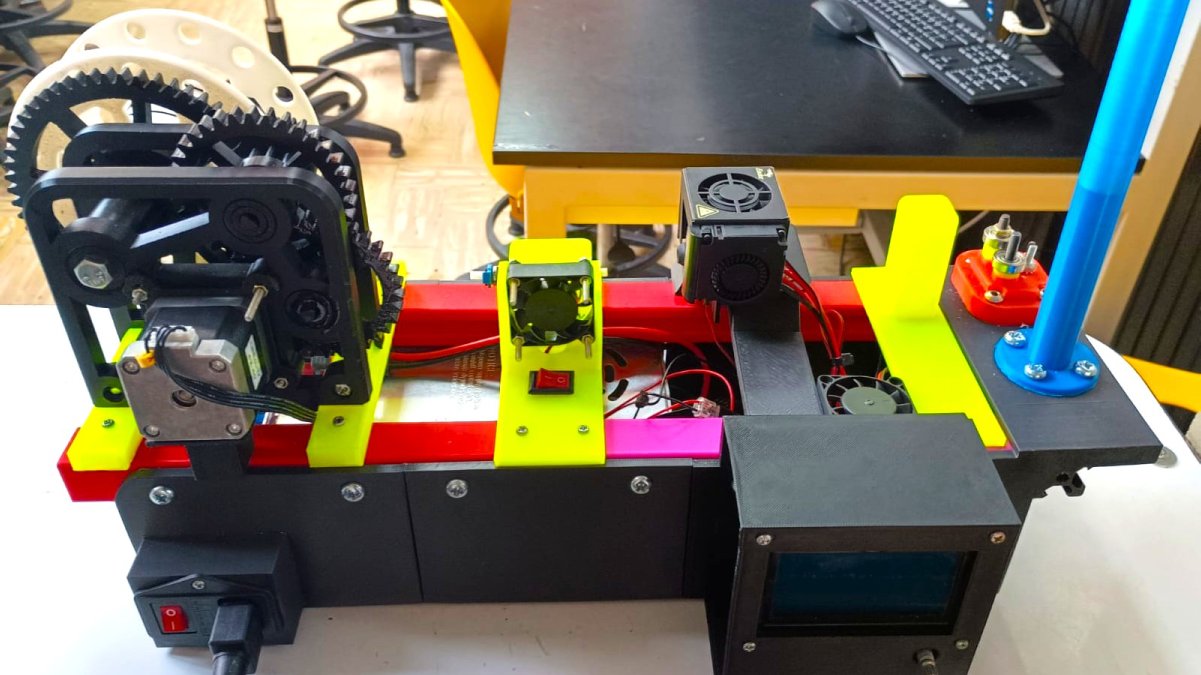
The process begins with the transformation of the bottles into plastic strips that are then fed into an extruder machine designed to produce filament approximately 1.75 millimeters in diameter, compatible with 3D printers.
The project has the support of the Academic Support Unit, under the supervision of Dr. María de los Ángeles Franco, and with the participation of Juan David Sánchez, Christian Rodríguez Mantilla, Yerson Calderón Vargas and Andrés Felipe Garibello Medina, members of the Electronics Laboratory.
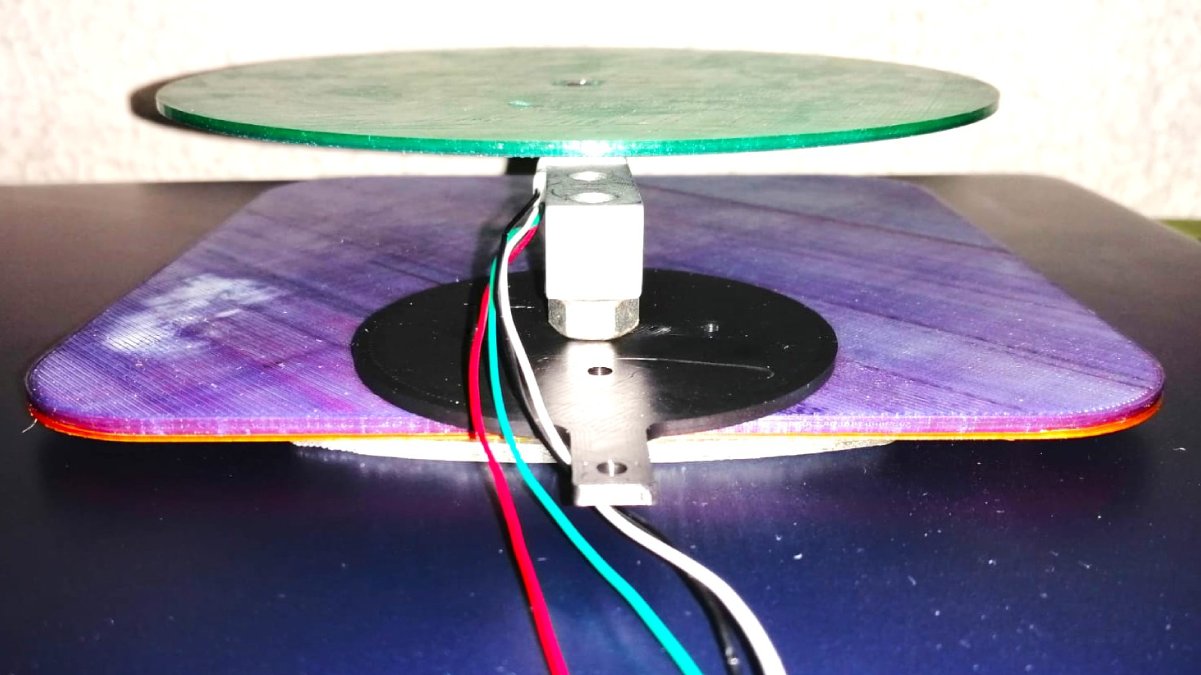
One of the most remarkable aspects of this initiative is that much of the machine used for the process was built with components salvaged from discarded equipment. “We weren’t just looking to reuse plastic bottles. We also wanted to give a second life to motors, mechanical parts, and electrical components that would normally end up being thrown away,” Garibello noted.
In addition, several elements of the extruder were designed and manufactured using 3D printing within the same laboratory, taking advantage of the knowledge and technological resources available at the institution.
Currently, the prototype is capable of producing approximately 12 meters of filament in about 35 minutes using material from recycled bottles. Although the project is still in the development phase, the results obtained have been encouraging. “The progress we have made motivates us to continue optimizing the system to increase production and improve the quality of the filament obtained,” stated the laboratory manager.
The team is also working on new lines of research focused on utilizing other components of the bottles, such as caps and plastic accessories that are usually discarded. They are also exploring the use of expired or obsolete printer inks to add color to the recycled filament. “We are evaluating how to use inks that are no longer commercially viable to color the filament. In this way, we could reuse another waste product and expand the application possibilities of the material we produce.”.
With this project, the University of Cundinamarca continues to strengthen applied research, technological innovation and sustainable practices, demonstrating that knowledge can become a tool to transform environmental challenges into opportunities for development and learning.
News
News
News
News