News
2026-09-24
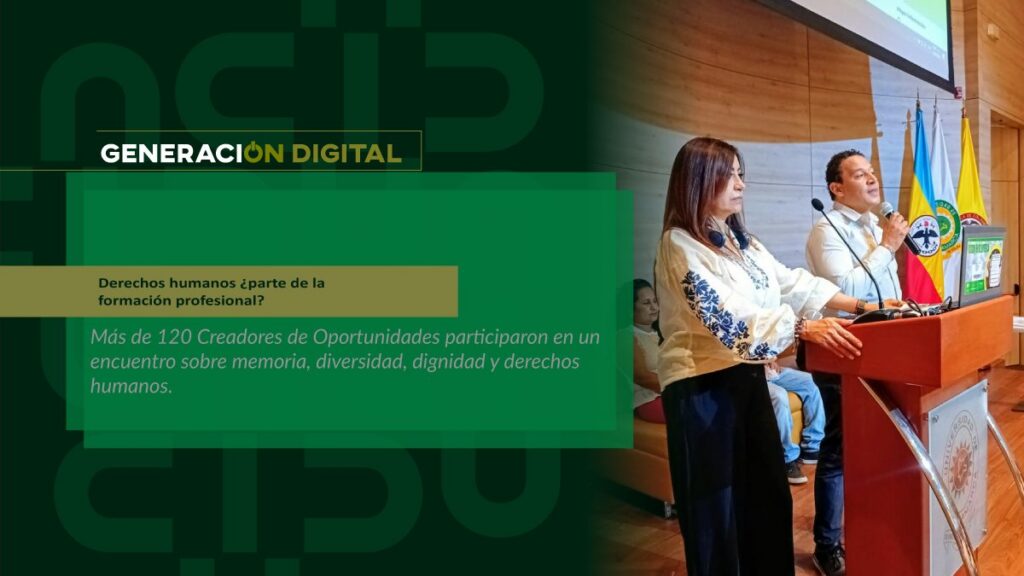
Human rights: part of professional training?
By: Alejandro García Suárez – Advisory Office of Communications


I am your virtual assistant, here to help you quickly and easily.
▲ Back to Top
By: Carolina Rojas – Advisory Office of Communications
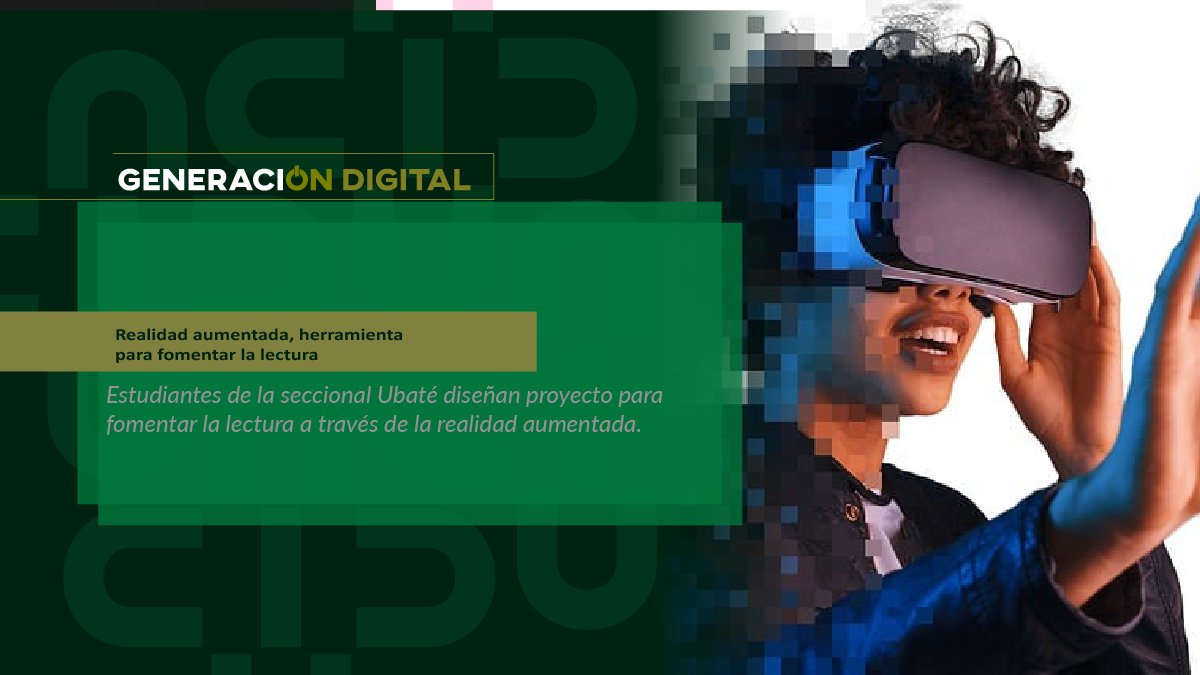
Sixth-semester students of the Systems and Computing Engineering program at the Ubaté branch are developing an innovative project with an educational focus, as it contributes to the promotion of reading.
In 2020, the Colombian Book Chamber estimated that the average Colombian reads 2.7 books per year, a very low figure compared to other Latin American countries like Mexico and Argentina. Therefore, projects like the one these students are proposing definitely extend beyond the classroom.
The News Agency of the University of Cundinamarca spoke with student Walter Felipe Mogollón Guzmán, who told us about the development and implementation of his project.
UCundinamarca News Agency (ANUC) What does the project consist of?
Walter Felipe Mogollón: Our Knowledge Management project consists of using augmented reality to promote the habit of reading in fourth and fifth grade students of the Chirquín Rural School in the Municipality of Ubaté.
ANUC How has this project progressed?
Walter Felipe Mogollón: At this time, we are still in a feedback process. With this project, we have noticed the risk of both progress and setbacks, as technology advances daily and we try to implement it. Currently, we are working on the modeling and augmented reality of several stories; the first one we used was Little Red Riding Hood, since it is free to use.
ANUC How have they been implementing virtual reality?
Walter Felipe Mogollón: The activity involves the teacher using a story and us using virtual reality to conduct various critical reading exercises. Surveys we've conducted have shown that students are interested in several topics, so the idea is that after the exercise and the implementation of the stories, the teacher will conduct surveys to assess their knowledge of each topic, presenting challenges through their own virtual reality user experience.
ANUC What technological elements or tools would be used?
Walter Felipe Mogollón: A cell phone would be used and our goal is for it to be used without an internet connection, meaning that the app is downloaded and does not require a connection to use it; if there is connectivity, it could be implemented in another way.
ANUC How did the idea come about?
Walter Felipe Mogollón: The idea originated with two team members; they started this project, and I joined them. The good thing is that one of them has access to the school and was able to witness the problem firsthand. Furthermore, we identified that, through various studies conducted by public and educational institutions like ICFES, critical reading skills among students have declined. So, the idea arose to promote this habit through a different kind of activity.
ANUC Who are the other members of the project?
Walter Felipe Mogollón: My classmates are Danna Catalina Castiblanco and Sofía Suarez, sixth semester students of the Systems and Computing Engineering program.
ANUC How does the project implement the MEDIT Transmodern Digital Educational Model?
Walter Felipe Mogollón: It relates to each of the phases: conceiving, designing, implementing, and with a processing and feedback process always hand in hand with technology.
News
News
News
News