Fusagasugá Branch
2026-09-24
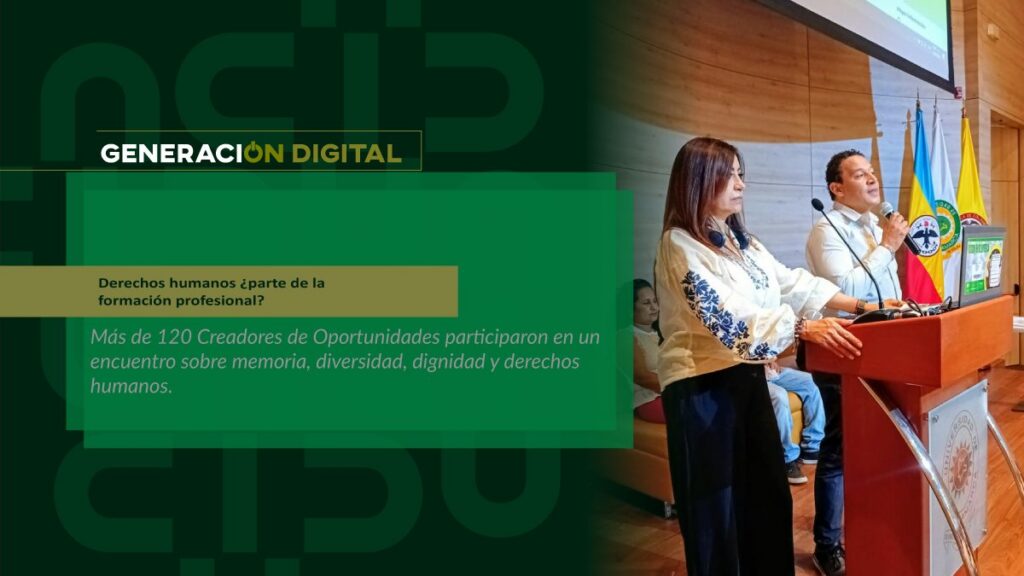
Human rights: part of professional training?
By: Alejandro García Suárez – Advisory Office of Communications



I am your virtual assistant, here to help you quickly and easily.
▲ Back to Top
By: Alejandro García Suárez – Advisory Office of Communications
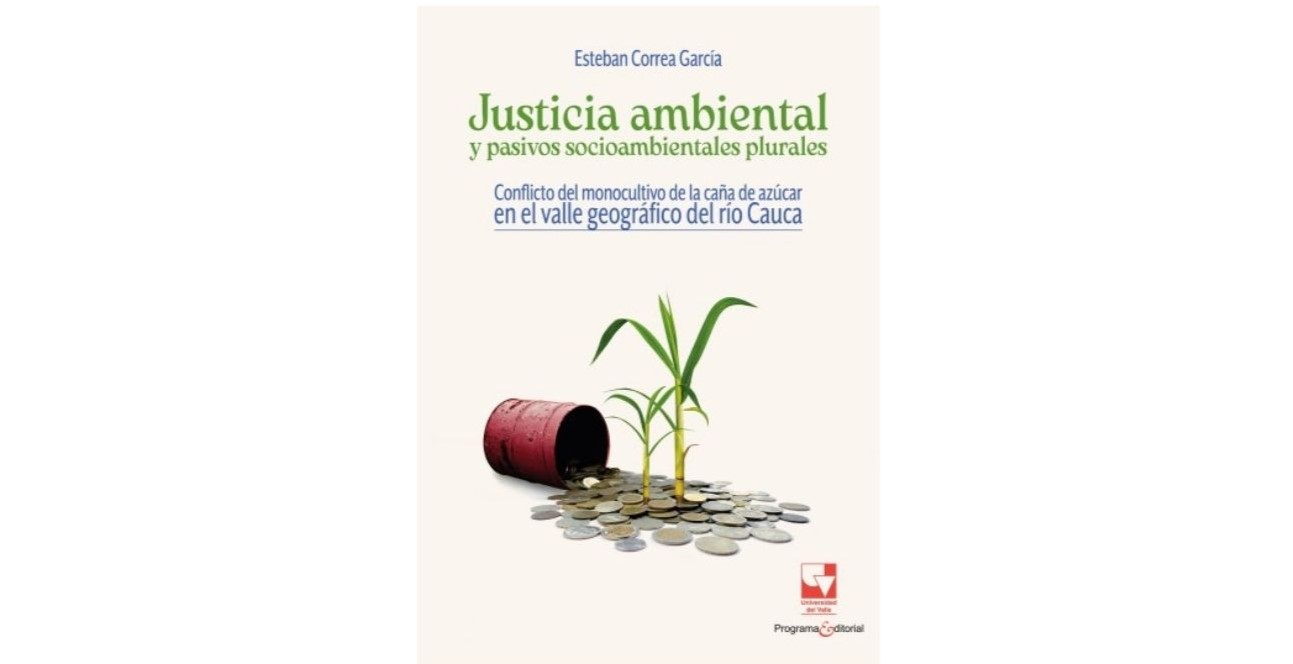
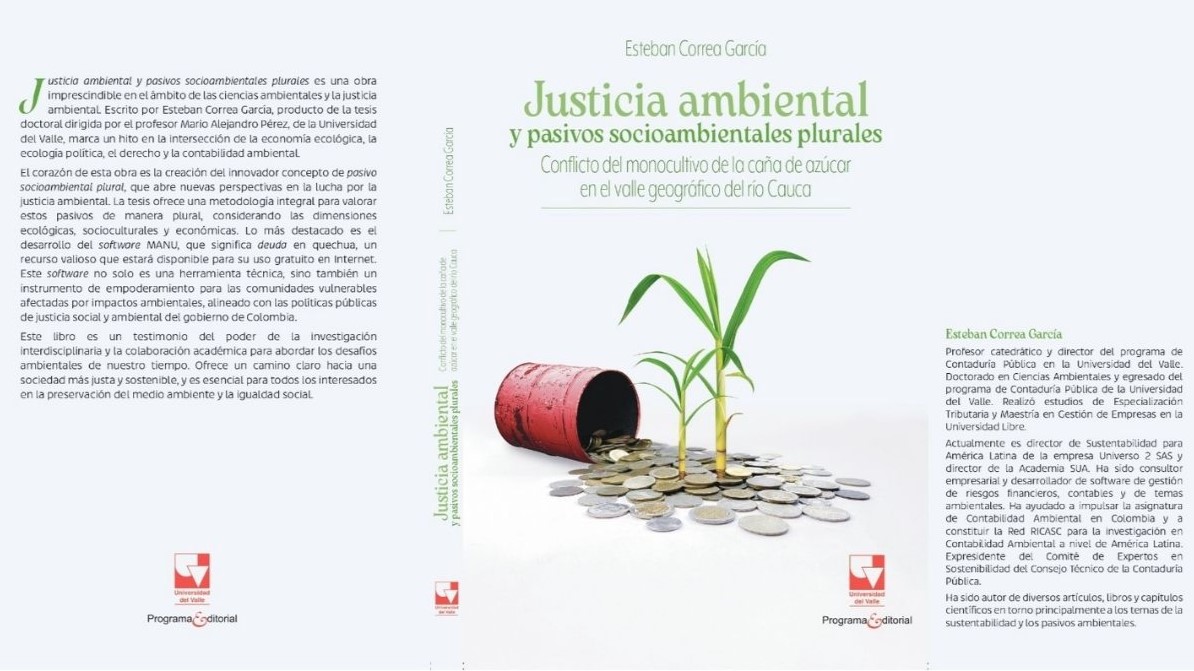
Through the Public Accounting program of the Facatativá extension, the institution presented the book “Environmental Justice and Plural Socio-Environmental Liabilities” and the software Sustentabilizar V1.0, developments derived from the scientific research of Knowledge and Learning Manager Esteban Correa García.
The work establishes itself as a relevant academic contribution to the strengthening of environmental justice and its relationship with socio-environmental accounting, by proposing a critical perspective on ecological and social debts in contexts of inequality. From a transdisciplinary approach, the author raises the need to recognize socio-environmental impacts as liabilities that imply responsibility, recording, and reparation, thereby expanding the traditional scope of accounting toward ethical, social, and ecological dimensions.
“Accounting cannot be limited to the financial; it must recognize socio-environmental debts from multiple dimensions to contribute to justice and the sustainability of territories,” stated manager Esteban Correa García.
One of the book's main contributions is the concept of Plural Socio-environmental Liability, which redefines the classical notion of environmental liability by integrating ecological, cultural, territorial, and community values. This approach makes it possible to understand the complexity of socio-ecological conflicts and move toward a more inclusive and contextualized environmental accounting.
In its applied development, the research analyzes the sugarcane sector of the geographical valley of the Cauca River, identifying socio-environmental impacts and proposing valuation methodologies that combine economic, ecological, and sociocultural tools, making visible both quantifiable damages and those that deeply affect communities.
As a complement, the Sustentabilizar V1.0 software is presented as an innovative tool that makes these approaches operational, facilitating the integration of different valuation systems and promoting the participation of social and institutional actors in the management of socio-environmental liabilities.
This initiative is articulated with the Transmodern Digital Educational Model (MEDIT) of the University of Cundinamarca, by promoting the critical use of knowledge, ethics, and life-oriented education aimed at social transformation.
According to Knowledge and Learning Manager Esteban Correa García, these academic spaces strengthen the dialogue between accounting, environmental management, and applied research, promoting new perspectives to address social and ecological challenges from the accounting field.
Listen to our Podcast:
News
News
News
News