Fusagasugá Branch
2026-09-24
Human rights: part of professional training?
By: Alejandro García Suárez – Advisory Office of Communications



I am your virtual assistant, here to help you quickly and easily.
▲ Back to Top
By: Alejandro García Suárez – Advisory Office for Communications.
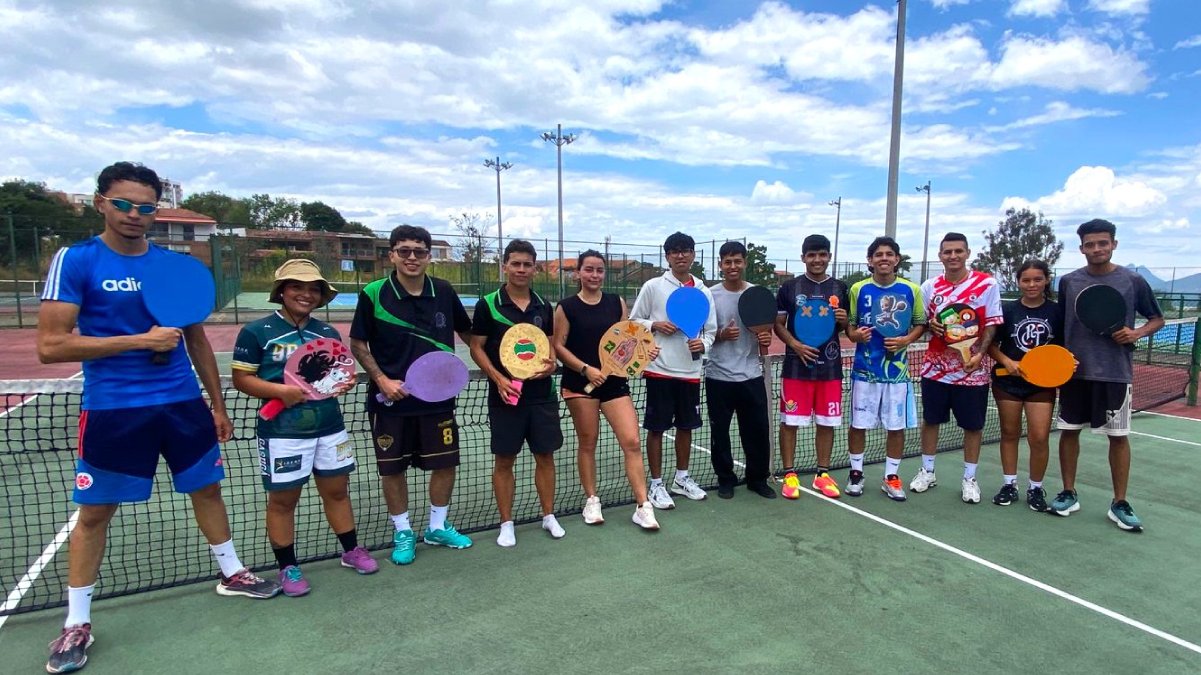
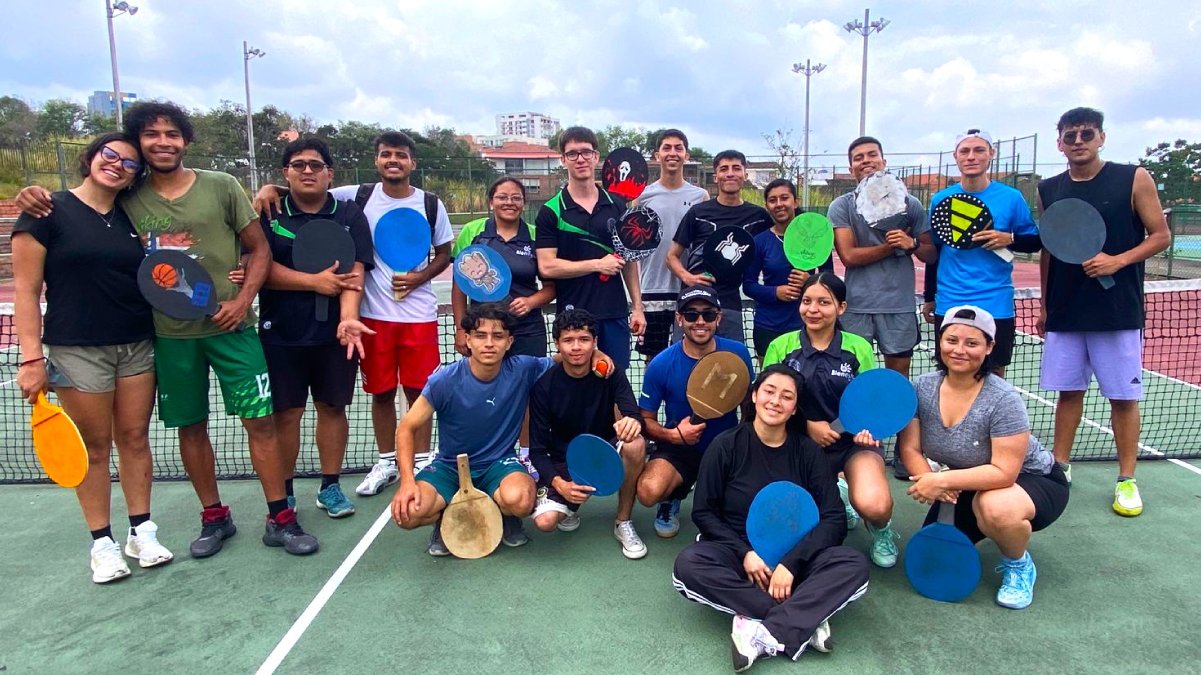
Teaching a sport also involves creating new ways of learning, as experienced by the Opportunity Creators of the Bachelor's Degree program in Physical Education, Recreation and Sports at the Fusagasugá campus, who participated in a pedagogical experience that combined tennis, creativity and practical learning.
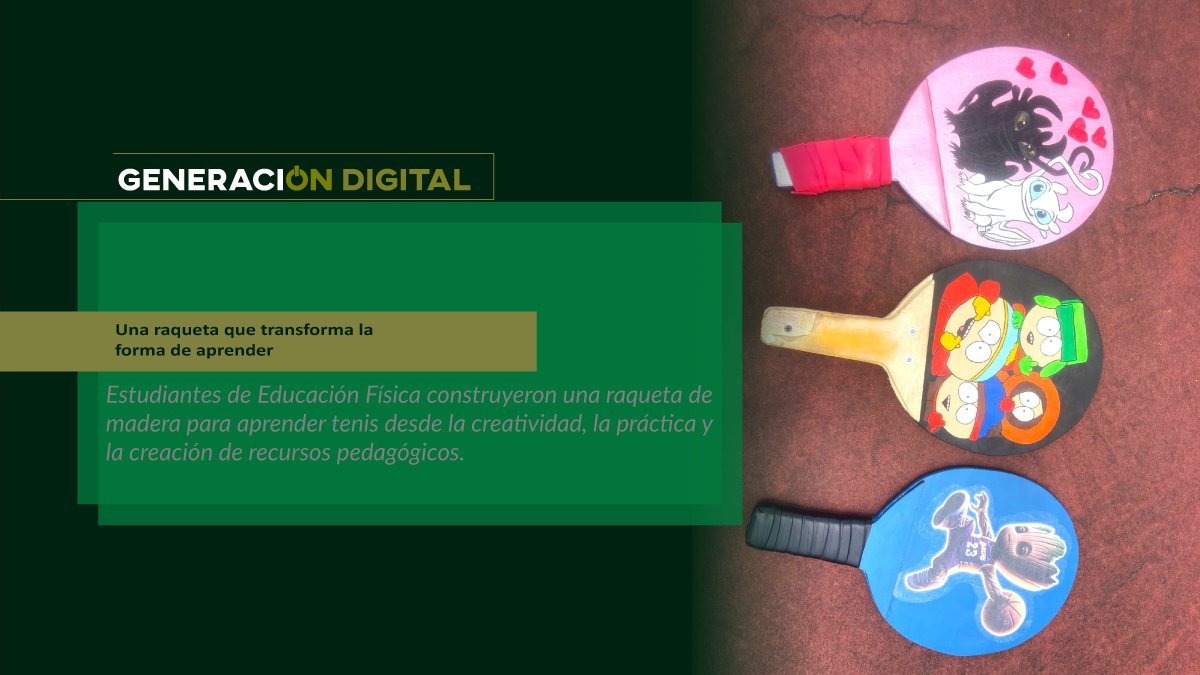
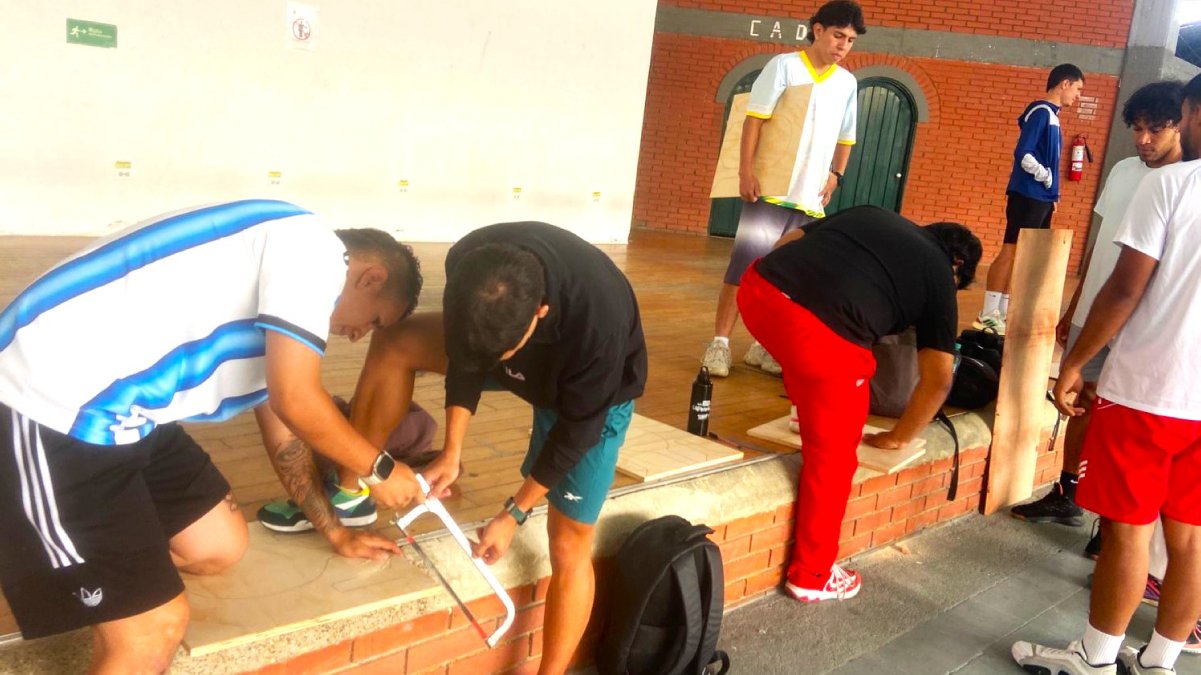
Within the academic space Didactics of Tennis, the students took on the challenge of designing and making a wooden racket as a didactic resource, understanding that the training of a future Physical Education professional goes far beyond sports practice.
The initiative was led by Pedro Alexander Suárez, Knowledge and Learning Manager of the program, who explained that the experience allowed students to become protagonists in the construction of their own pedagogical material, integrating technical knowledge, creativity, manual work and fundamentals of sports teaching.
Learning by doing
During the experience, the students participated in the different stages of making the racket, from its construction to understanding its possibilities as a teaching tool.
The exercise allowed them to recognize that educational resources can be designed, adapted, and built according to the characteristics and needs of each educational context. “This experience allowed the Opportunity Creators to take an active role in building their own teaching materials, integrating technical knowledge, creativity, and practical work,” Pedro emphasized.
The racket produced is not only the result of an academic activity; its purpose is to become a resource for introductory and training workshops in tennis, especially in processes of familiarization with this sport and development of motor skills.
In this way, students understand that teaching Physical Education also requires the ability to innovate, solve needs, and generate tools that facilitate learning.
Creativity at the service of education
The experience also represents a commitment to experiential learning, where doing, creating and experimenting become essential elements of professional training.
“Building a wooden racket meant a lot to me. More than just creating a piece of sports equipment, it was an opportunity to explore the relationship between teaching methods, creativity, and innovation. This experience also allowed me to reflect on how an object can become a pedagogical tool capable of facilitating and enriching the teaching process,” said Steven Zambrano, an Opportunity Creator who participated in the experience.
For future graduates, these types of experiences strengthen skills that they can later apply to schools, clubs, sports venues, and other training spaces.
The Bachelor's Degree program in Physical Education, Recreation and Sports continues to promote training in which students are protagonists and have the opportunity to put theoretical knowledge into practice, turning it into concrete proposals for their future professional scenarios.
One tool, multiple lessons learned
The construction of the racket demonstrates that educational processes can find new possibilities when knowledge is connected with creativity and experience.
Each student not only gained a resource for teaching tennis, but also learned about their own role as a future educator: creating, adapting, and innovating to meet the needs of those who learn.
This experience aligns with the Transmodern Digital Educational Model (MEDIT), promoting active, contextualized learning connected to reality. Through hands-on activities and creation, students transform knowledge into solutions and experiences that contribute to the transformation of their communities and the development of professionals capable of generating new opportunities in Physical Education and Sport.
News
News
News
News