News
2026-09-24
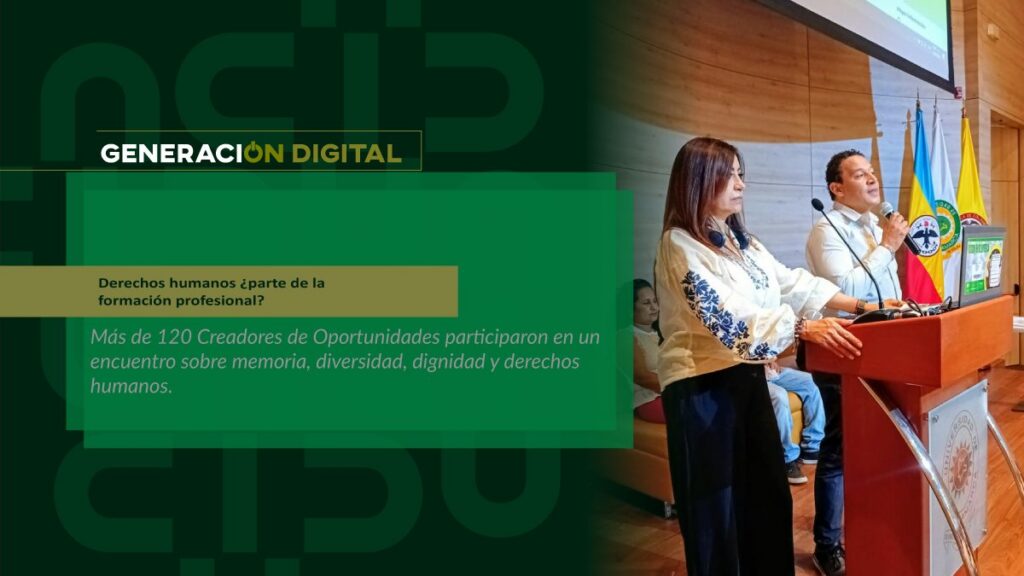
Human rights: part of professional training?
By: Alejandro García Suárez – Advisory Office of Communications



I am your virtual assistant, here to help you quickly and easily.
▲ Back to Top
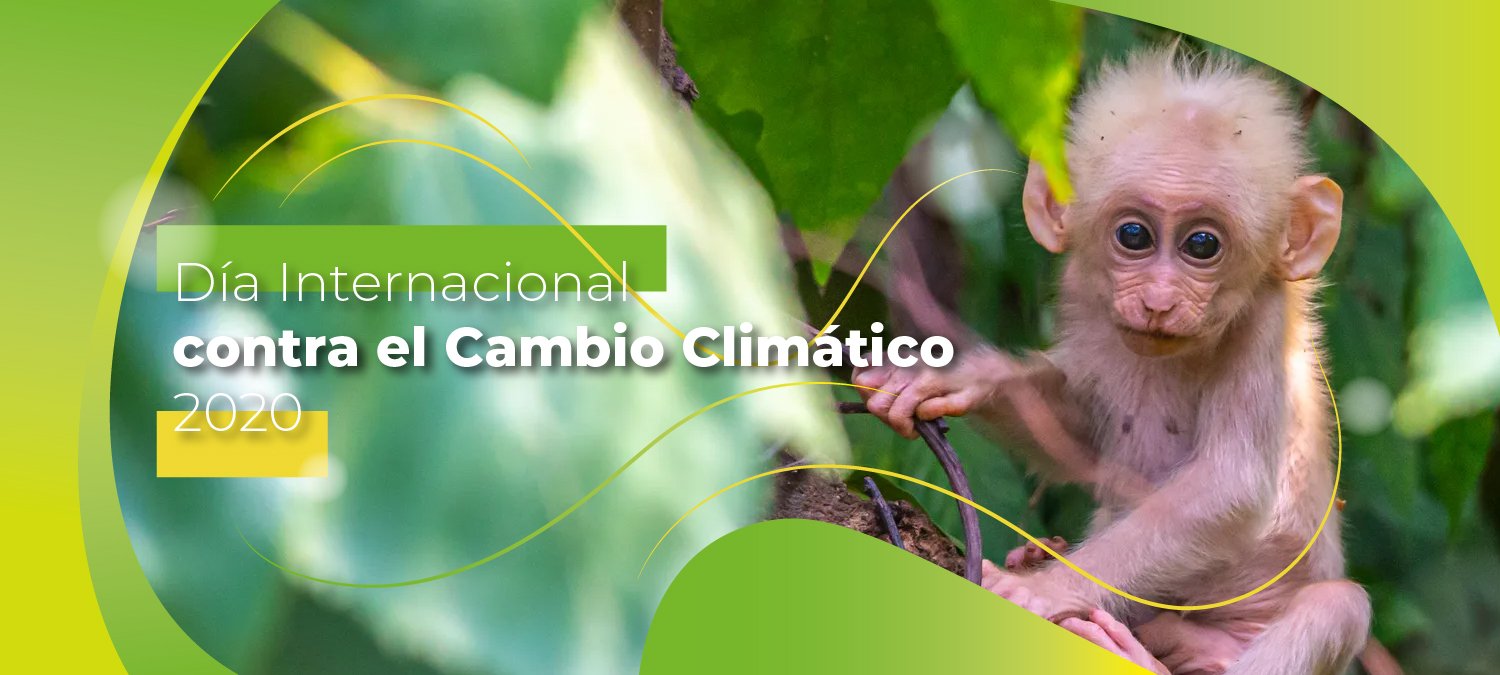
Climate is a set of weather conditions, including parameters such as pressure, temperature, humidity, and precipitation levels, and usually refers to a specific location on the planet. Climate change occurs when weather patterns undergo significant variations, the effects of which impact large areas and persist over time.
What are the climate changes that Colombia is experiencing, and what will be the most sensitive areas and potential risks in the near future?
The Ideam has recorded an increase of 0.2 to 0.3 °C per decade and a decrease in monthly precipitation of between 2 and 3 mm per decade between 1961 and 1990. Recent projections based on the changes that, in relation to the period 1961-1990, would occur in 2070-2100 in the IPCC A2 and B2 scenarios for the variables air temperature and precipitation, indicate that in the Colombian territory and due to climate change the temperature will increase between 1 and 4 °C and a significant variation (between 15-30 °C) in precipitation will be generated for the period 2070-2090.
For this purpose, the PRECIS model was used at a spatial resolution of 25 x 25 kilometers. Based on these data and the results of the First and Second National Communications, the areas and sectors most sensitive to climate change in Colombia will be:
Coastal and island areas.
High mountain ecosystems and water resource availability.
Health.
Currently, the different layers of Earth's atmosphere contain an excess of gases and particles, byproducts of burning fuels used by humans to generate heat, electricity, and other forms of energy. These gases, notably CO2 and NOx (nitrogen derivatives), trap heat in the troposphere, exacerbating the natural greenhouse effect and causing global warming.
What is UCundinamarca doing to raise awareness in the community about these serious environmental problems?
Acting #Anvironmentally in balance with nature. “UCundinamarca, committed to social responsibility and the planet, through its environmental management system and each of its nodes—north, center, and south—seeks to promote awareness, ownership, and active participation of the 21st-century generation; in addition, with the cooperation and work of all the institution's employees and officials, it aims to humanize, cooperate, and raise awareness.
”Through Resolution 000155 of 2018, the University of Cundinamarca adopts the Environmental Management Policy, which commits from the Senior Management to the conservation and preservation of the environment, through continuous improvement, efficiency in its processes, activities and services, preventing, mitigating, improving and promoting a responsible culture in the use of energy, materials, water use and management of waste derived from its activities,” highlighted León García.
How can we live in harmony with nature in educational, work, or home settings? It's very simple: the University's Environmental Management System shares tips for caring for nature.
2. Reuse by first checking what can be reused for the same or a different purpose before discarding it:
3. Recycle what can still be reused:
5. Recover items and elements before disposing of them as waste:
Because today, more than ever, we have a commitment to live in environmental harmony with nature; this transformation is a decision that is in our hands. Environmental Management System of the University of Cundinamarca.
News
News
News
News