News
2026-09-24
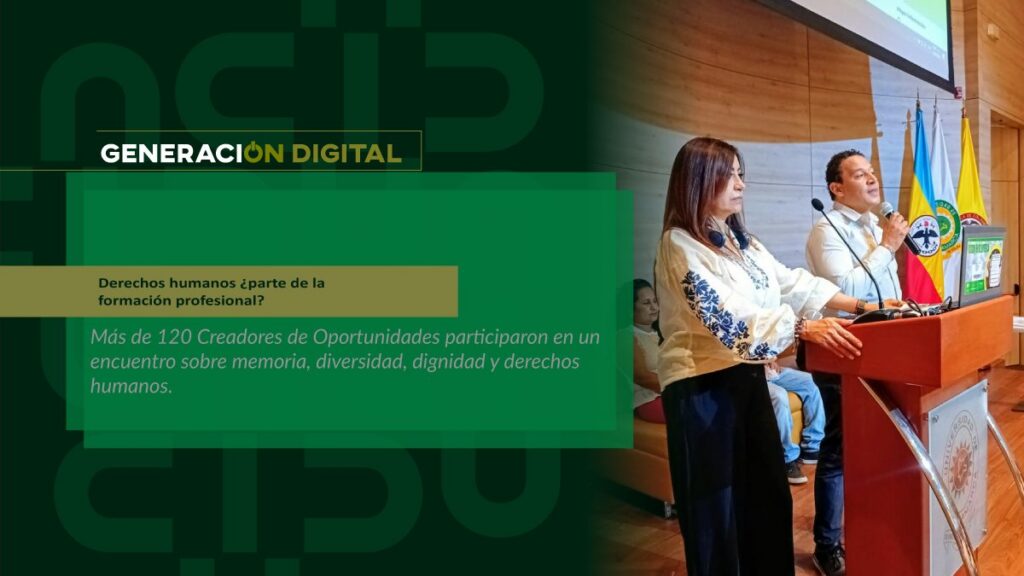
Human rights: part of professional training?
By: Alejandro García Suárez – Advisory Office of Communications


I am your virtual assistant, here to help you quickly and easily.
▲ Back to Top
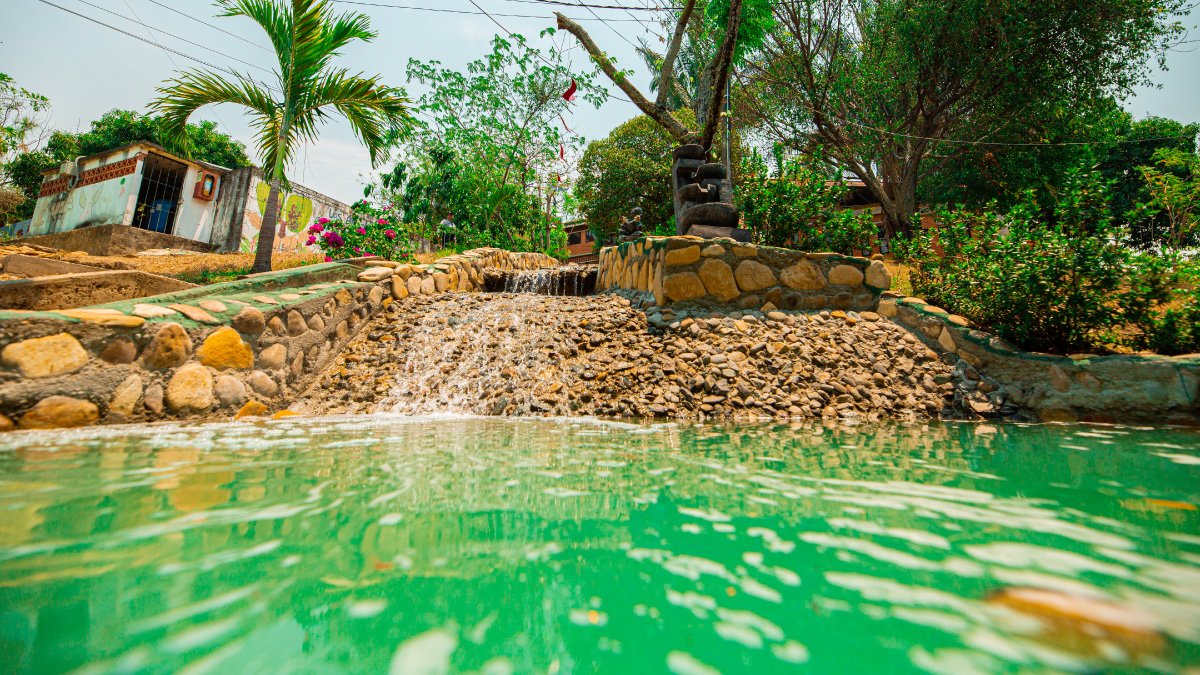
According to Professor Elizabeth Ann Escobar of the Faculty of Administrative, Economic and Accounting Sciences, tourism is a subsector of the Cundinamarca economy that contributes to its internal product, and that brings together different actors, from entrepreneurs and family businesses to more complex and larger companies.
The two years of lockdown measures due to the COVID-19 pandemic did indeed severely impact these markets, “to the point that tourism service providers and agencies had to close,” explains Professor Escobar. However, since the economic reactivation began between the end of 2021 and the beginning of this year, tourism in Cundinamarca seems to be experiencing a resurgence, while also diversifying to meet new demands and trends.
Fortunately, Professor Escobar and the research group you belong to, ARADO, have been able to respond to this scenario from within academia, formulating scientific articles that already discuss and diagnose the public policies that have been launched to strengthen entrepreneurs, family businesses, and those natural protection initiatives that correspond to the tourism subsector.
“We have also obtained research products on ancestral and natural routes in the department and we have also detected that although biosecurity measures have been relaxed, types of tourism that were done during the pandemic persist, such as family tourism and less visited places,” the teacher points out.
However, this knowledge would not have been obtained without the previous research products developed by the Faculty of Administrative, Economic, and Accounting Sciences. “We continue to investigate tourism in the department. We have as a reference the book 'Tourism in Cundinamarca: Supply and Demand,' which we published in 2019 with the University Press and which is the result of a macro-project funded by the Ministry of National Education in 2016,‘ the professor points out.
This work, as the professor explains, is divided into two volumes. Twelve researchers participated in the first volume, and fifteen in the second. Its objective was to compile information on eight provinces of the department (Gualivá, Los Almeidas, Ubaté, Soacha, Sabana Occidente, Sabana Centro, Sumapaz, and Alto Magdalena). It is important to note that much of this information was obtained with the collaboration of municipal administrations, so the publication of the book was also a commitment fulfilled with the mayoral offices and chambers of commerce of Cundinamarca, where this text can be consulted.
“We also carried out intensive fieldwork, with the participation of the faculty's research groups, with whom we also prepared what needed to be observed. This resulted in a socioeconomic characterization of the subsector, a definition of its trends, and also a profile of the tourist who visits the region,” adds Professor Escobar.
But aside from the remarkable contributions to academia that resulted from this research, Professor Elizabeth Ann, who has worked at our University for over 20 years, also draws a conclusion about the practice of writing: “A professor who seeks to motivate their students to write must have started from that same experience. Therefore, mechanisms like the University Press not only serve to ensure that publications meet requirements such as external peer review, but also to encourage scientific production.”.
News
News
News
News