News
2026-09-24
Human rights: part of professional training?
By: Alejandro García Suárez – Advisory Office of Communications


I am your virtual assistant, here to help you quickly and easily.
▲ Back to Top
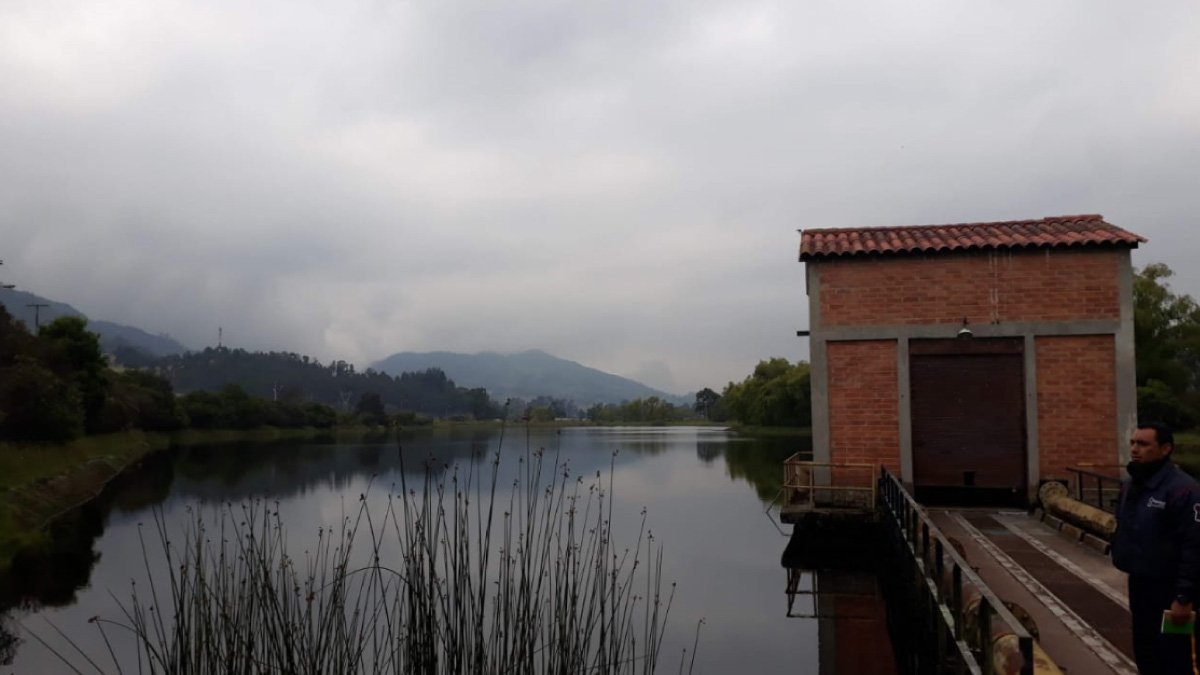
According to Dr. Carlos Fernando Gómez Ramírez, administrative director of the Facatativá extension, one of the strongest efforts undertaken by the institution is in support of the 2030 Agenda for Sustainable Development Goals (SDGs), particularly SDG No. 6: Clean Water and Basic Sanitation.
It is worth noting that the Directorate of University Social Interaction, from the area of University Social Responsibility (USR), is developing a campaign that has involved the university community in order to move towards the vision of fulfilling the SDGs.
The administrative director of the Facatativá extension told us about the actions and strategies they are undertaking to contribute to SDG goal 6.
UCundinamarca News: How does the Facatativá Extension contribute to the achievement of Sustainable Development Goal No. 6: Clean Water and Basic Sanitation?
Dr. Carlos Fernando Gómez Ramírez (CFGR): At the Facatativá Extension, we consider this to be one of the most important Sustainable Development Goals, as presented by the UN. We have been consistent in our Development Plan, which we are currently implementing through the Transmodern Digital Education Model (MEDIT).
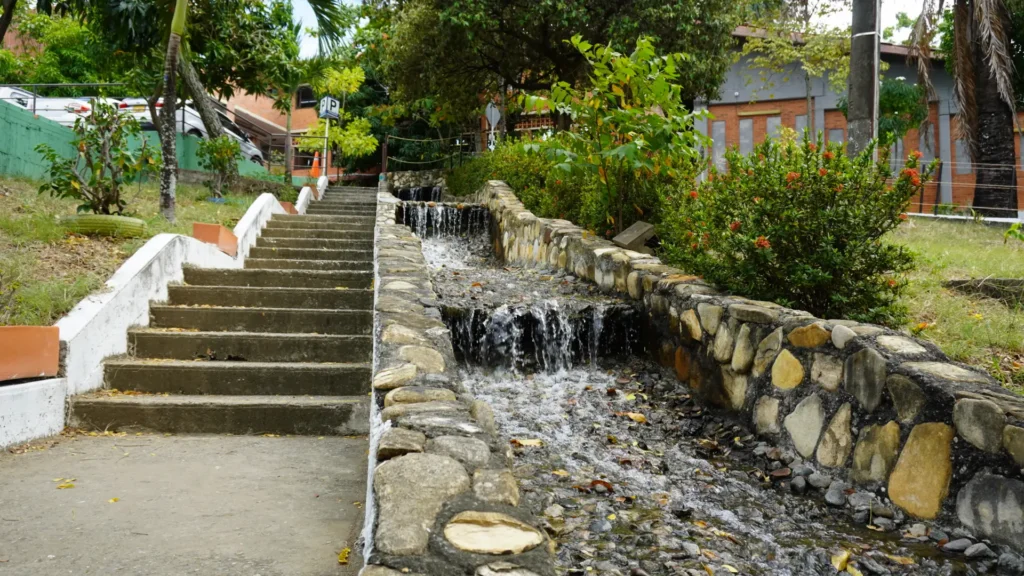
And in that context, our contribution is to live this moment as if it were the only one; this means valuing all the water sources in the spaces where we interact with the communities, especially the organized communities that have committed to safeguarding and caring for water in an exceptional way.
UCundinamarca News: One of the targets of SDG 6 is: by 2030, substantially increase water-use efficiency across all sectors and ensure sustainable extraction and supply of freshwater to address water scarcity and substantially reduce the number of people suffering from water scarcity. Is this target being implemented at the Facatativá Extension?
(CFGR): We are committed to the 2030 Agenda for Sustainable Development through the efficient use of water resources. That's why we have set short-, medium-, and long-term goals to safeguard water in the El Vergel Agro-environmental Unit. Working together with the Regional Autonomous Corporation (CAR), we have successfully consolidated a project that has now secured us a water concession for the Extension. This will allow us to develop projects focused on water extraction and supply.
UCundinamarca News: Another goal indicates that by 2030, we must protect and restore water-related ecosystems, including forests, mountains, wetlands, rivers, aquifers, and lakes. How does the El Vergel Agro-environmental Unit contribute to achieving this goal?
(CFGR): The unit contributes to achieving this goal by helping to conserve the middle basin of the Bogotá River, the Mancilla stream micro-basin, which feeds the Botello River, which supplies water to Facatativá.
There, not only the university community is involved, but also the National Army, the Mayor's Office of Facatativá, the Governor's Office, and others. These initiatives contribute to compliance with the Bogotá River ruling and involve educational processes with the community. These activities are coordinated by Ruby Paola Quevedo Artunduaga, the unit's manager, with the support of engineer Diana Carolina Russi Aldana, an environmental management system professional.
UCundinamarca News: Within the water concession, how is the proper use of water resources ensured, thus contributing to their conservation?
(CFGR): We ensure this with the Efficient Use of Water Saving Program (PUEA), which includes activities such as rainwater harvesting, measurement of collected water, conservation of special management areas, environmental education activities, and compliance with current legal regulations.
To achieve these goals, activities have been coordinated over the next five years in collaboration with academia, including programs in Environmental Engineering, Agronomic Engineering, the SGA (Environmental Management System) which leads this program, and the unit's team. The results of these activities are delivered through reports to the Regional Autonomous Corporation, and we hope to continue contributing to the fulfillment of this important SDG.
The SDG campaign at UCundinamarca, promoted by University Social Responsibility of the Social Interaction Directorate, has the collaboration of the Master's Program in Environmental Sciences, the Environmental Management System team, the Equity and Diversity Office, and the Communications Advisory Office.
News
News
News
News