News
2026-09-24
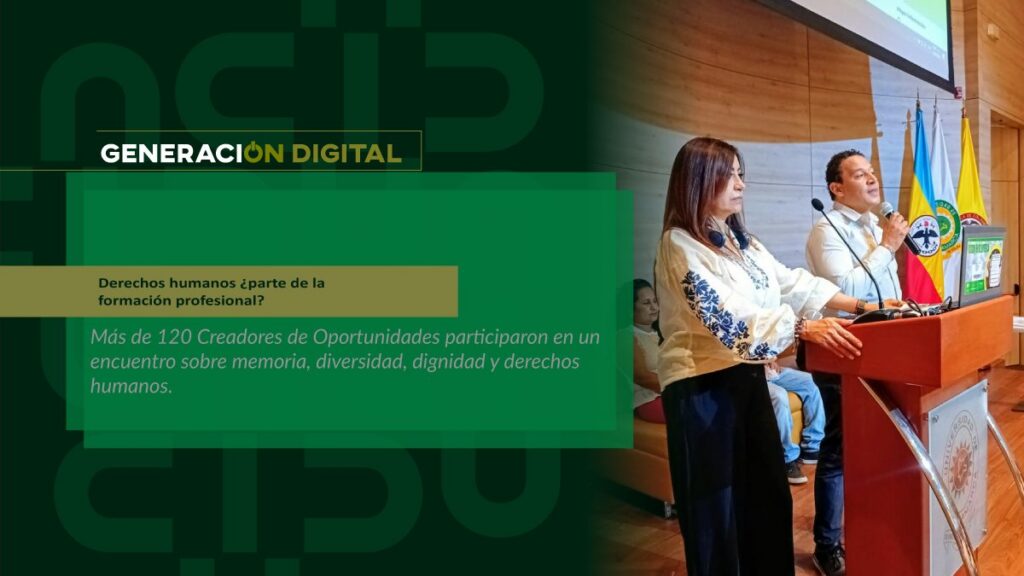
Human rights: part of professional training?
By: Alejandro García Suárez – Advisory Office of Communications



I am your virtual assistant, here to help you quickly and easily.
▲ Back to Top
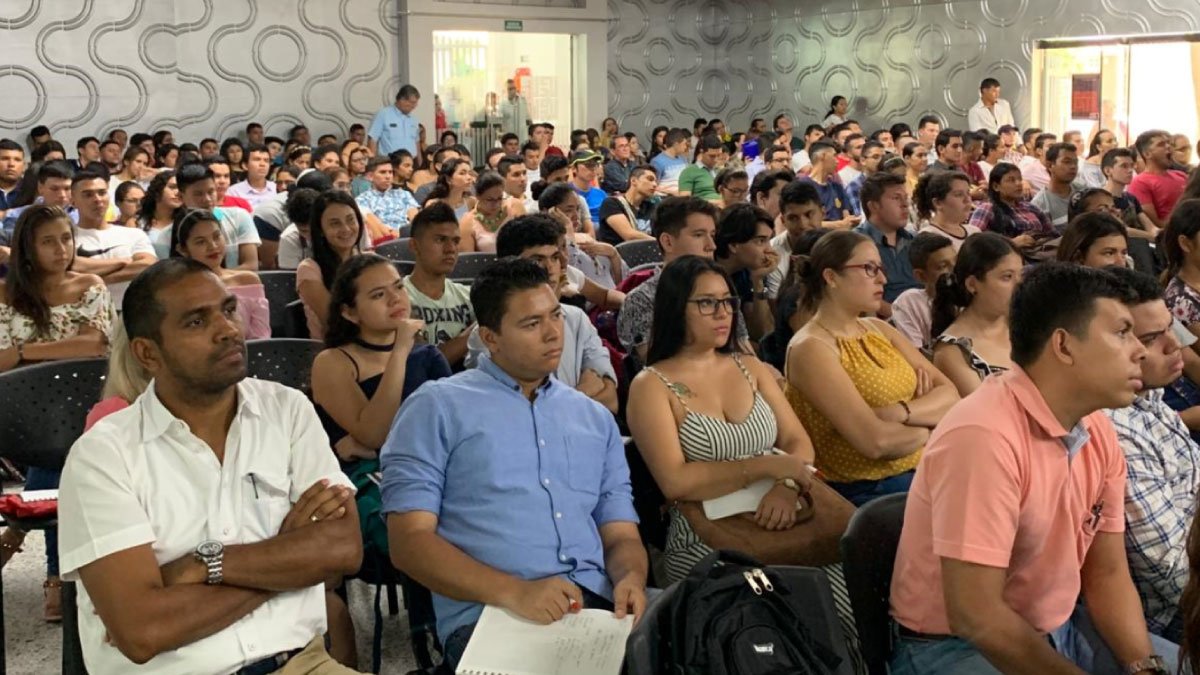
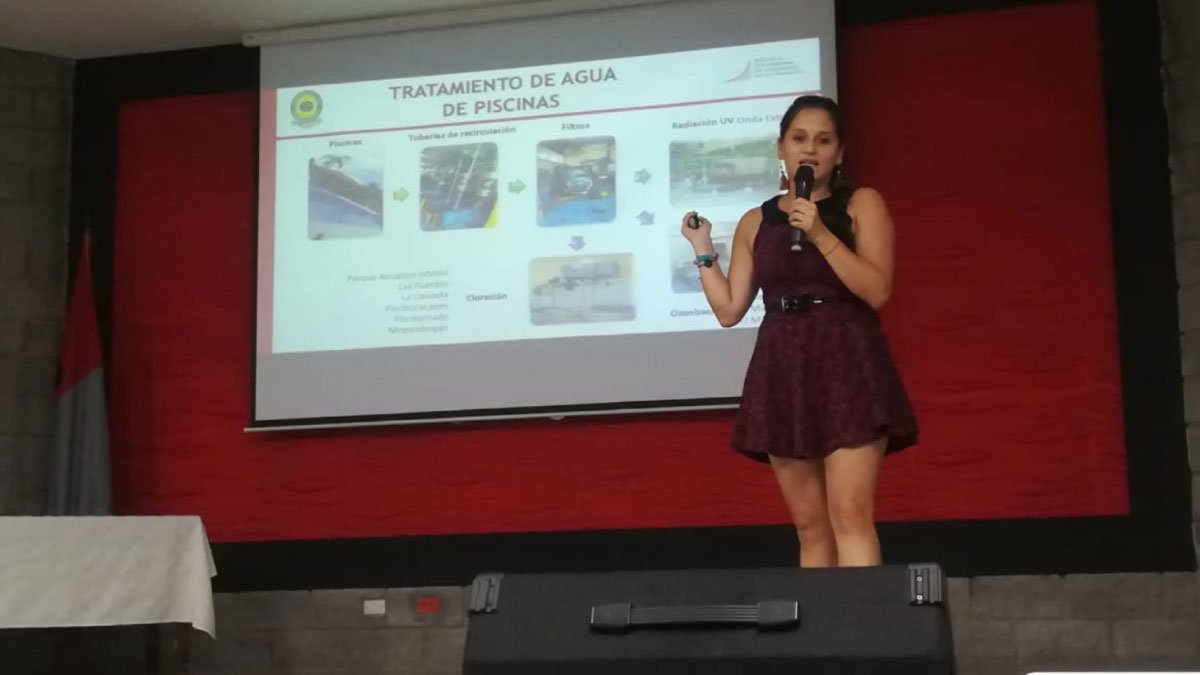
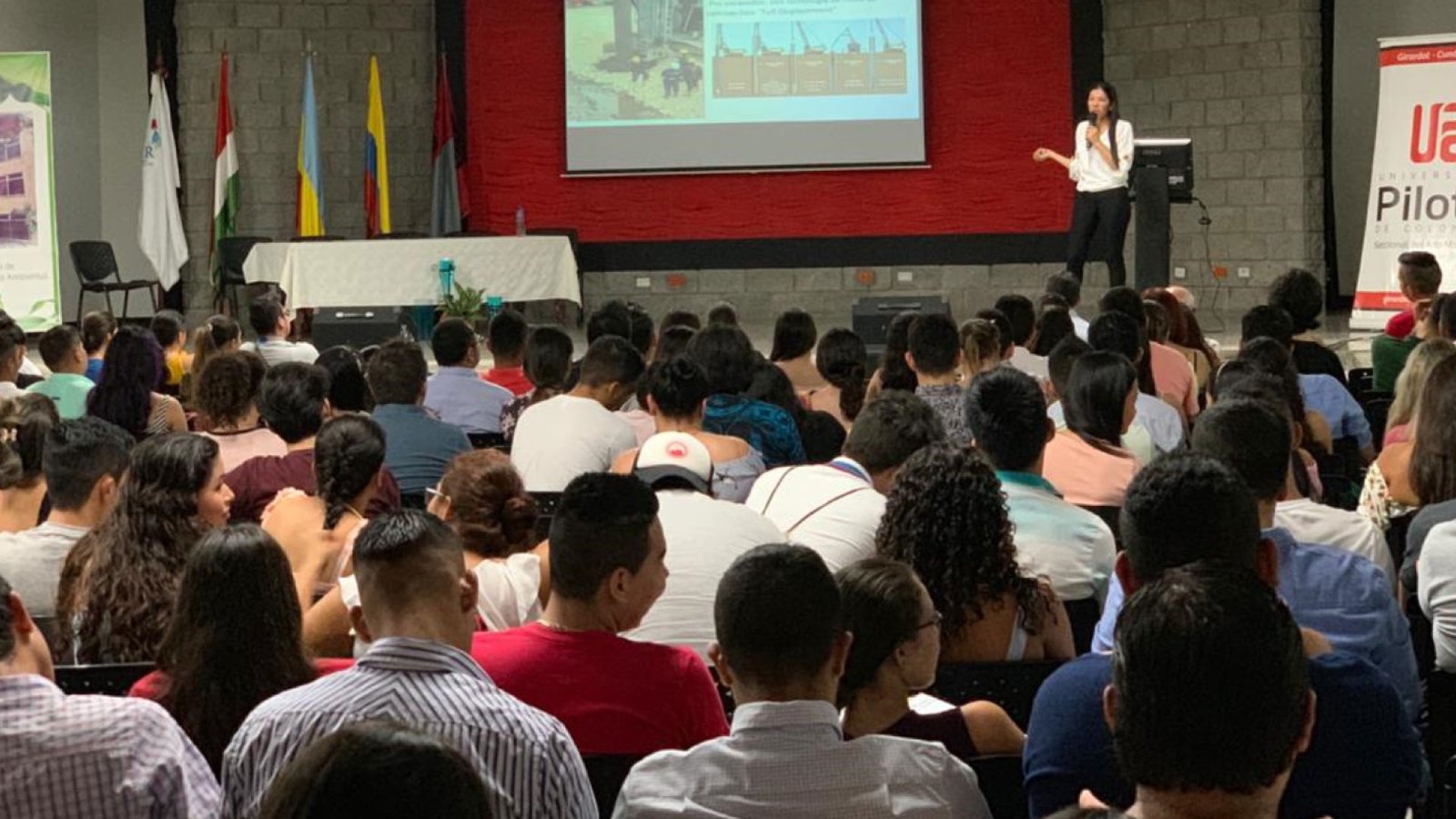
With the purpose of building, promoting and updating knowledge in the drinking water and basic sanitation sector in Colombia and at the local level, the Environmental Engineering program of the Girardot branch together with the Pilot University held the International Symposium for Sustainable Development, Water Quality.
“The seminar offered attendees the opportunity to consolidate their knowledge and become agents of transformation and change in the present and future, through the development of their professional activities, case studies and experiences of experts, who presented methods and techniques to intelligently transform the environment and water quality,”,highlighted Miguel Ángel Ávila Díaz, coordinator of Environmental Engineering.
The symposium's central theme was water quality and basic sanitation. This topic was addressed from various fields of knowledge, covering fundamental aspects of the design and construction of wastewater treatment plants using advanced technologies, with the Salitre Wastewater Treatment Plant as a case study.
From the basic sciences, the use of bioindicators in water quality in river basins was presented with the case study of the Neusa River; the study of the distribution of dissolved oxygen in domestic wastewater for the aerobic degradation of organic matter in a sequential sludge reactor using computational fluid dynamics and the evaluation of a self-sustaining device for the treatment of surface waters of the Bogotá River for use in irrigation systems.
Also included were works focused on disinfection processes in recreational waters and current engineering techniques for desalination of the resource.
The keynote address on the construction and operation of the wastewater treatment plant presented a detailed analysis of the design, construction, and future commissioning of the Salitre Wastewater Treatment Plant (WWTP). Additionally, the environmental strategies implemented by the Regional Autonomous Corporation of Cundinamarca (CAR) for the recovery of the Bogotá River were presented, along with projections for 2025 regarding water quality objectives for various uses.
The University presented the conference on “efficiency Disinfection in swimming pools in tropical climates: case study of the Piscilago water park in Girardot, Colombia, and the evaluation of a self-sustaining device for the treatment of surface water for use in irrigation systems.
During the academic conference, the university institutions highlighted the importance of discussing sustainable development for future generations and how this sustainability is a mechanism for preserving natural resources and reducing poverty, in order to ensure that the entire population meets its basic needs through environmental policies.
The event was attended by students and teachers from the branch campus, the Regional Autonomous Corporation of Cundinamarca, the Minuto de Dios University Corporation, the Cooperative University of Colombia, the ACUAGYR Public Services Company, among others.
News
News
News
News