News
2026-09-24
Human rights: part of professional training?
By: Alejandro García Suárez – Advisory Office of Communications


I am your virtual assistant, here to help you quickly and easily.
▲ Back to Top
By: Alejandro García Suárez – Advisory Office of Communications
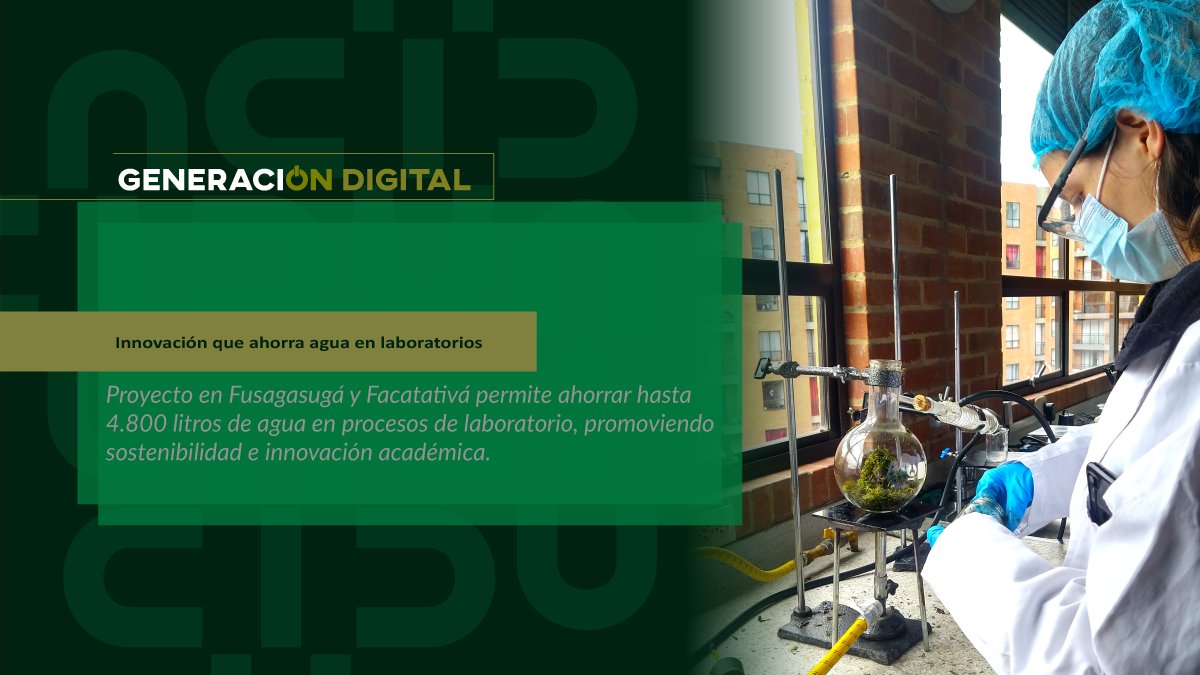
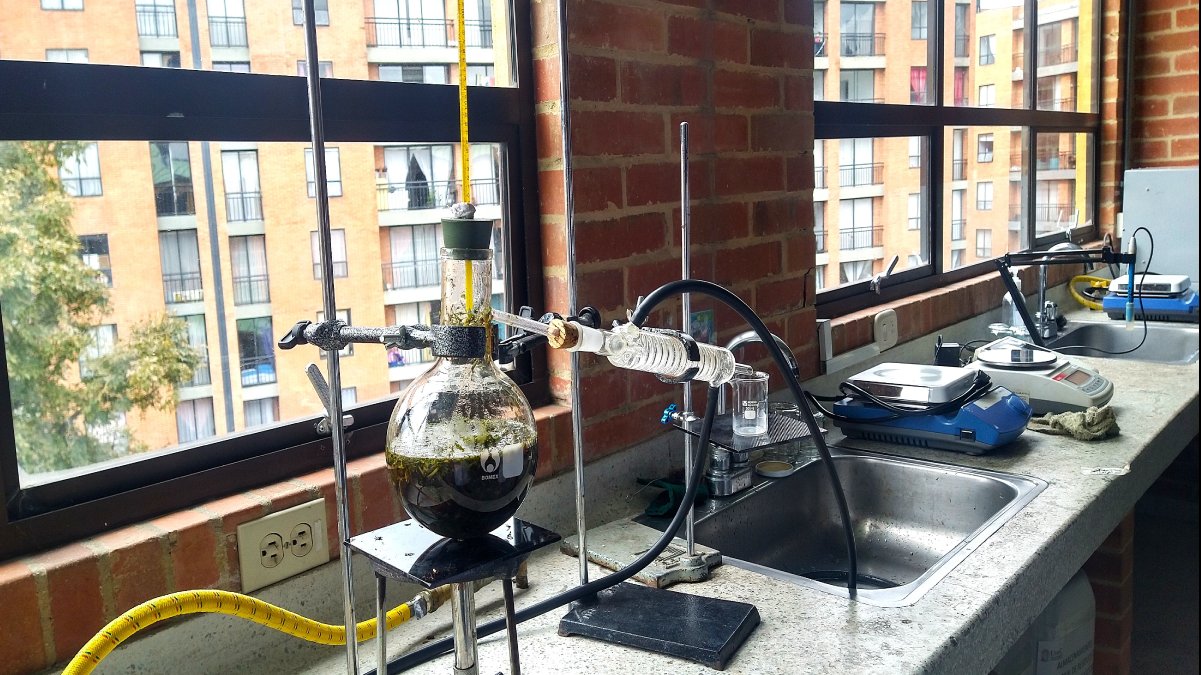
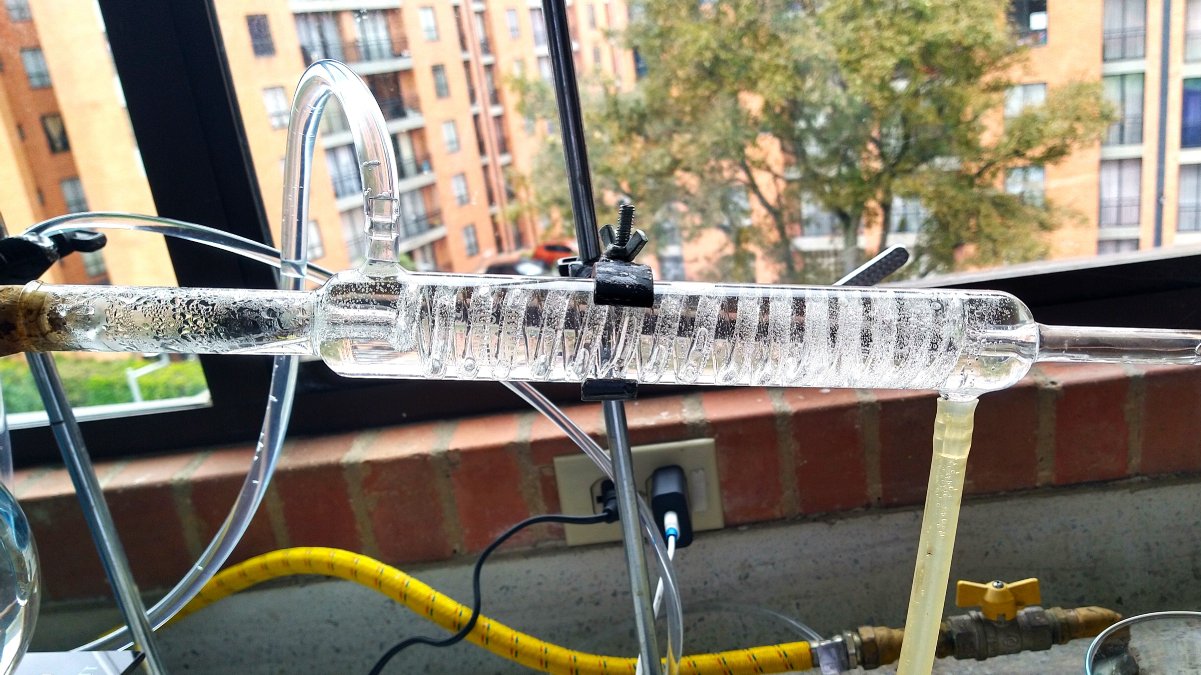
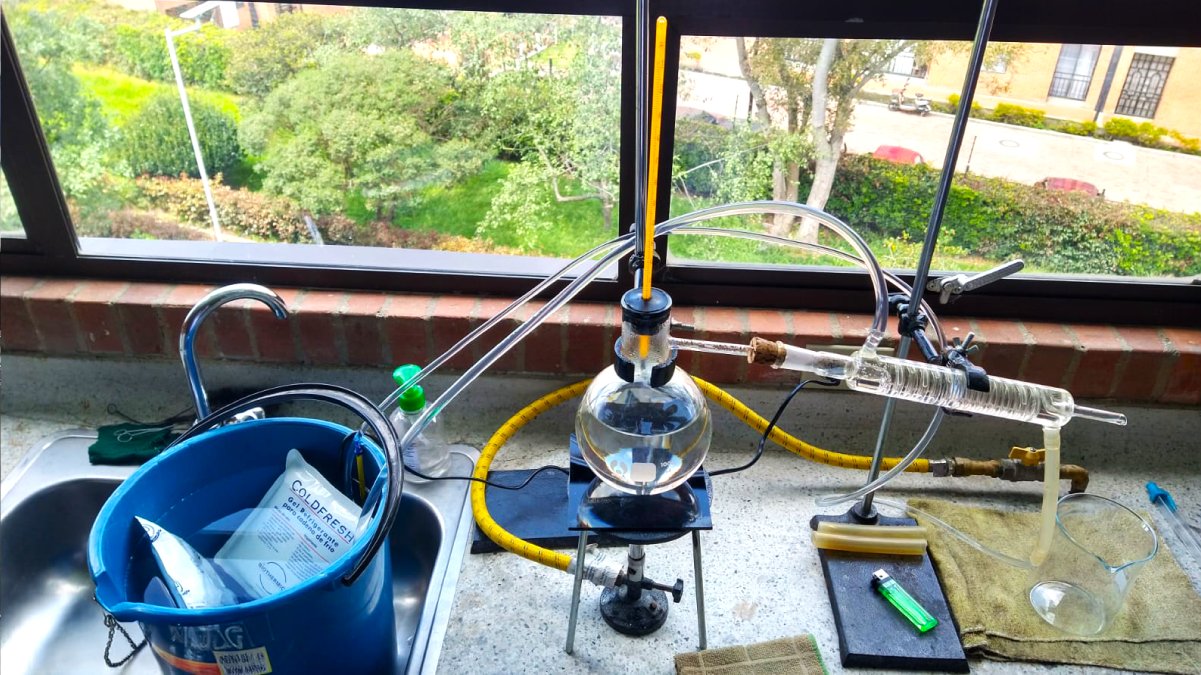
At the Fusagasugá headquarters and Facatativá extension, an innovative initiative is being developed aimed at the efficient use of water resources in laboratories: the project for saving and utilizing cooling water in distillation and extraction processes.
This proposal has significantly optimized water consumption, achieving savings of up to 800 liters per system and reaching nearly 4,800 liters when multiple units operate simultaneously. This solution not only reduces environmental impact but also strengthens sustainable practices within academic processes.
According to Juan Carlos Tapias, Knowledge and Learning Manager for the Agronomic Engineering program and project leader, the process involves transforming substances through heat, where the generated steam is directed to a condenser to separate the desired components. “Before, we used tap water directly, which, after passing through the system, was discarded, generating a high level of waste,” he explained.
The innovation lies in the implementation of a water recirculation system using a pump, similar to those used in aquariums, which allows the water to be reused throughout the entire process. “We went from using and discarding 800 liters of water per session to working with just 12 liters that are continuously recirculated,” Tapias noted.
Although the water temperature increases slightly during the process, between 1.5 and 2 degrees, it maintains its cooling capacity, ensuring the system's efficiency. Furthermore, the team plans to conduct further tests with refrigerants to optimize thermal performance even more.
The development of this initiative has also been made possible thanks to the collaborative work between different institutional teams. The project leader highlighted the support received from the Academic Support Unit, both in Fusagasugá and Facatativá, which has contributed to the implementation and continuous improvement of the system.
This project not only represents an advance in terms of technological innovation, but also a concrete commitment to sustainability, by reducing water consumption and optimizing resources within the university environment.
In line with the Transmodern Digital Educational Model (MEDIT), this initiative demonstrates how knowledge is transformed into action, integrating science, environmental awareness, and a commitment to the local community. Thus, the University of Cundinamarca continues to train opportunity creators capable of responding to current challenges with innovative and sustainable solutions.
Listen to our Podcast:
News
News
News
News