News
2026-09-24
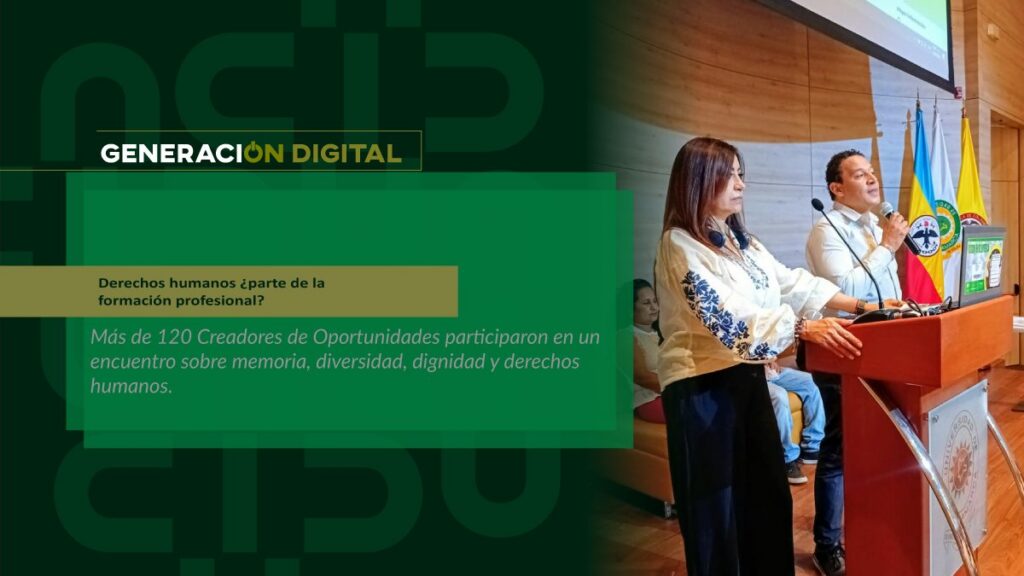
Human rights: part of professional training?
By: Alejandro García Suárez – Advisory Office of Communications



I am your virtual assistant, here to help you quickly and easily.
▲ Back to Top
By: Alejandro García Suárez – Advisory Office of Communications
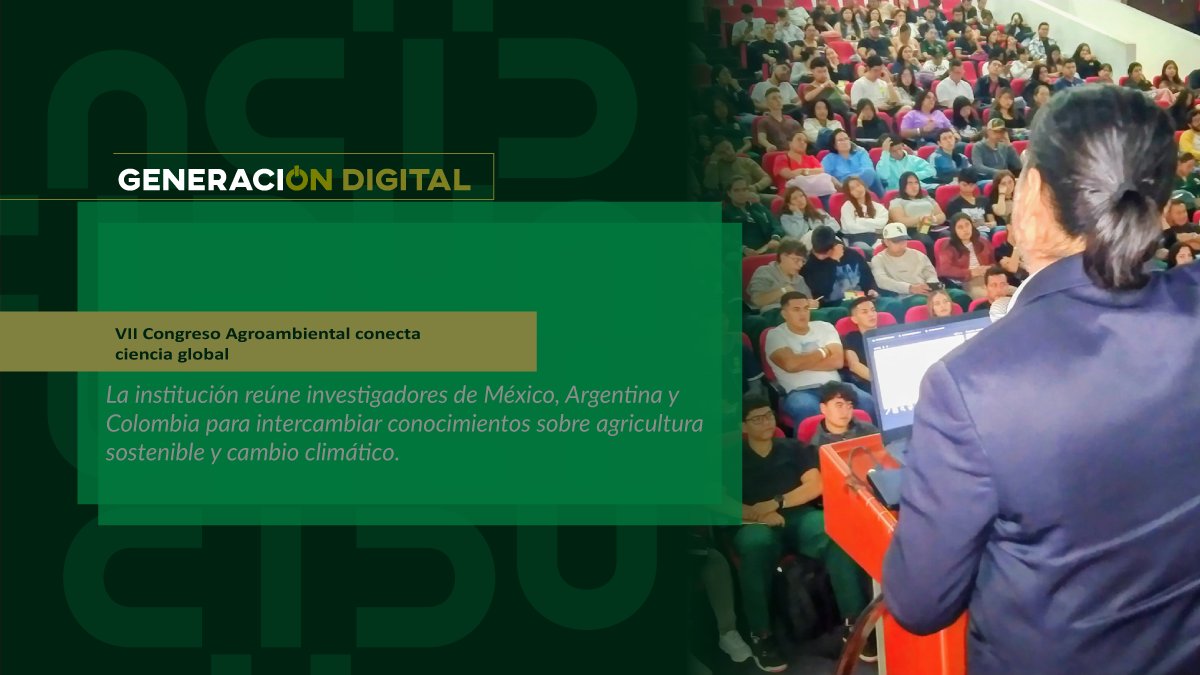
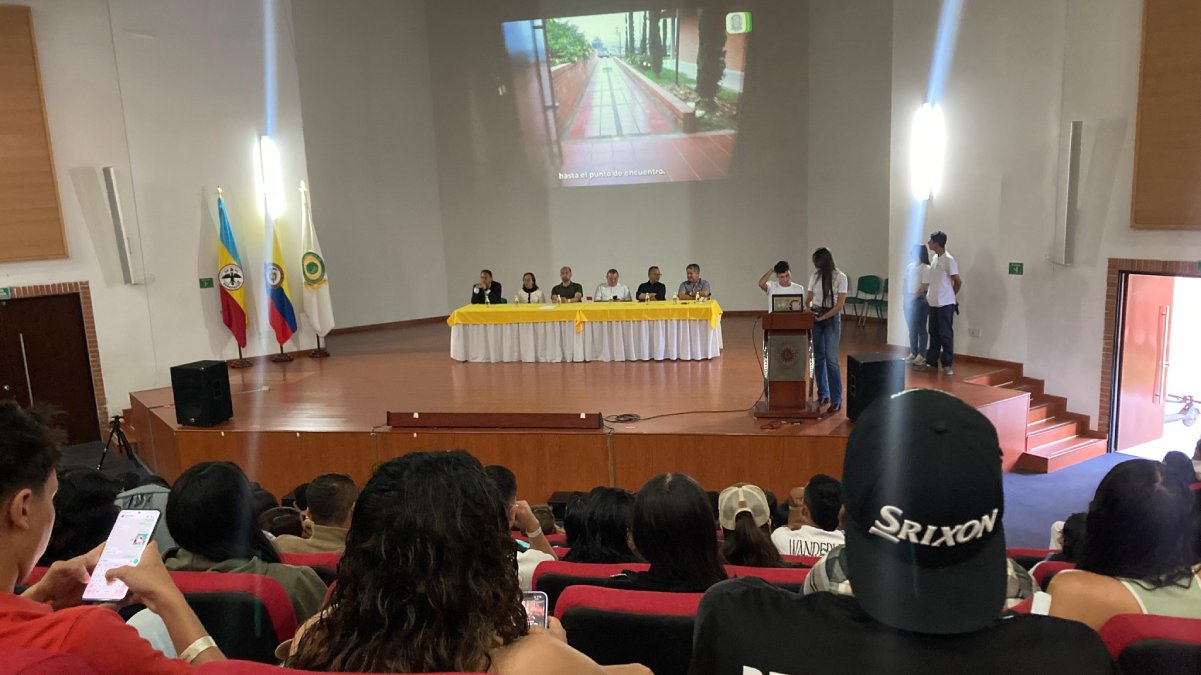
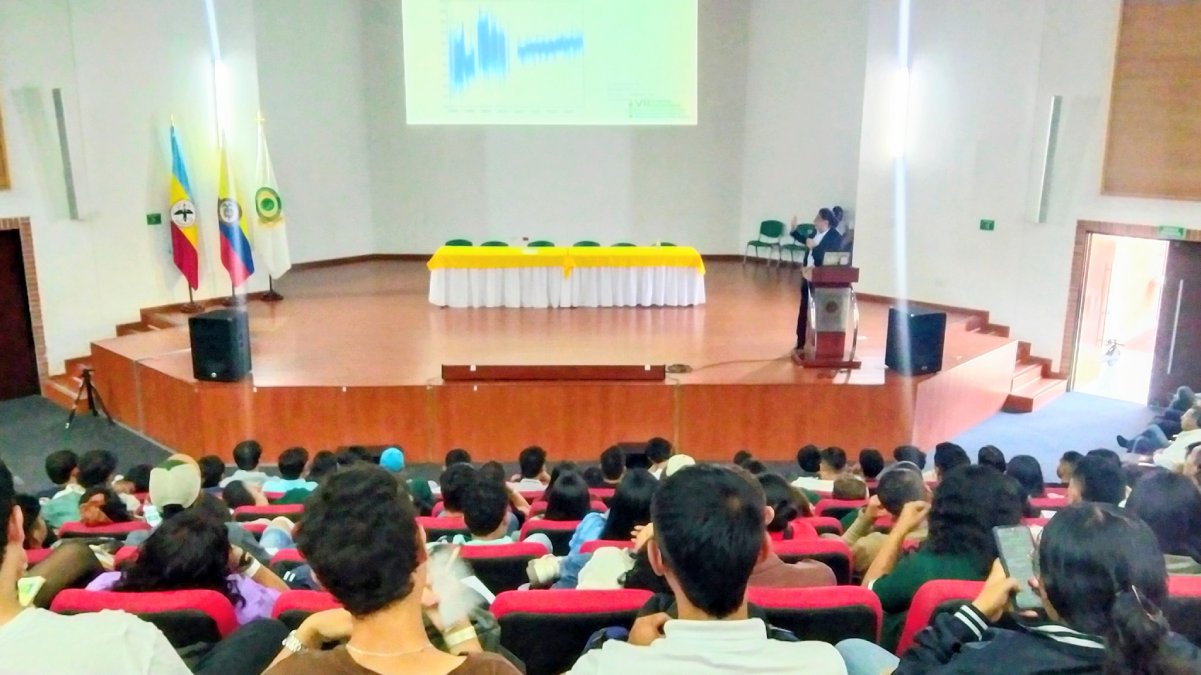
The Fusagasugá campus of the University of Cundinamarca is becoming the epicenter of agro-environmental knowledge with the VII International Congress on Agro-environmental Sciences 2025, taking place from September 23 to 26. This biennial event connects researchers, professionals, students, and communities committed to the future of agriculture and sustainability.
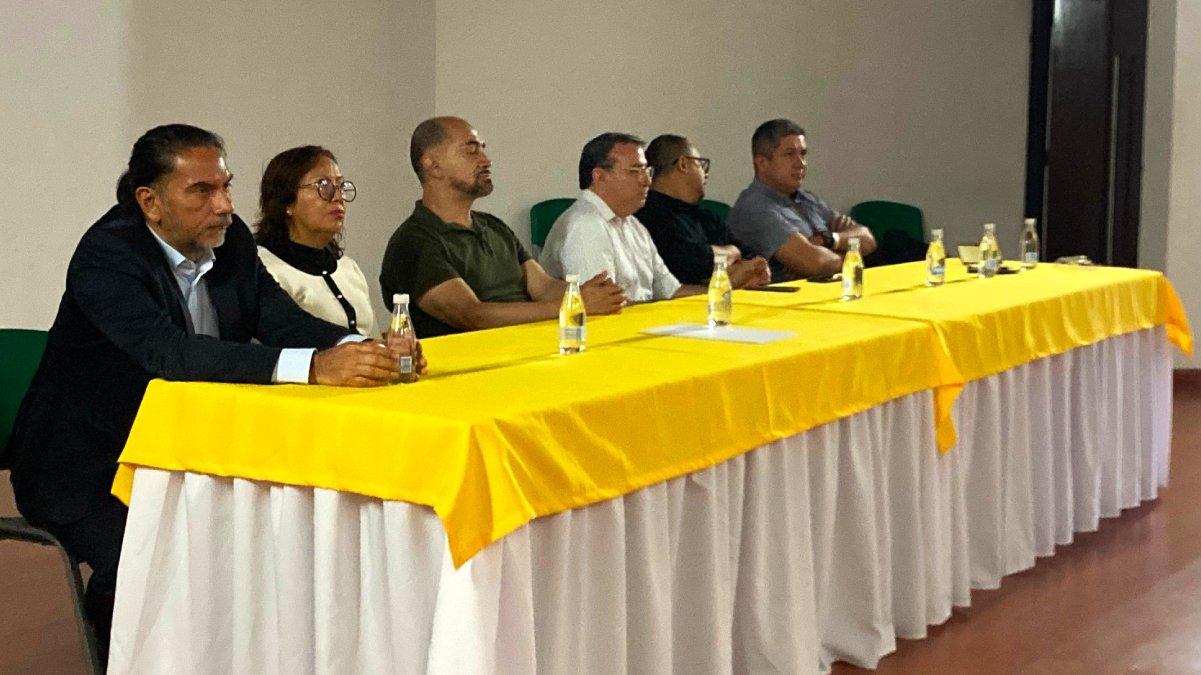
John Alexander Moreno Sandoval, dean of the Faculty of Agricultural Sciences, highlighted the implementation of the Multidimensional Learning Field methodology. Participants will have opportunities for interaction, information gathering, data analysis, and the exchange of ideas with international speakers. “We are strengthening technological and scientific advancements at an international level with speakers from Mexico, Argentina, and Colombian universities,” the dean noted.
Artificial Intelligence for the future of agriculture
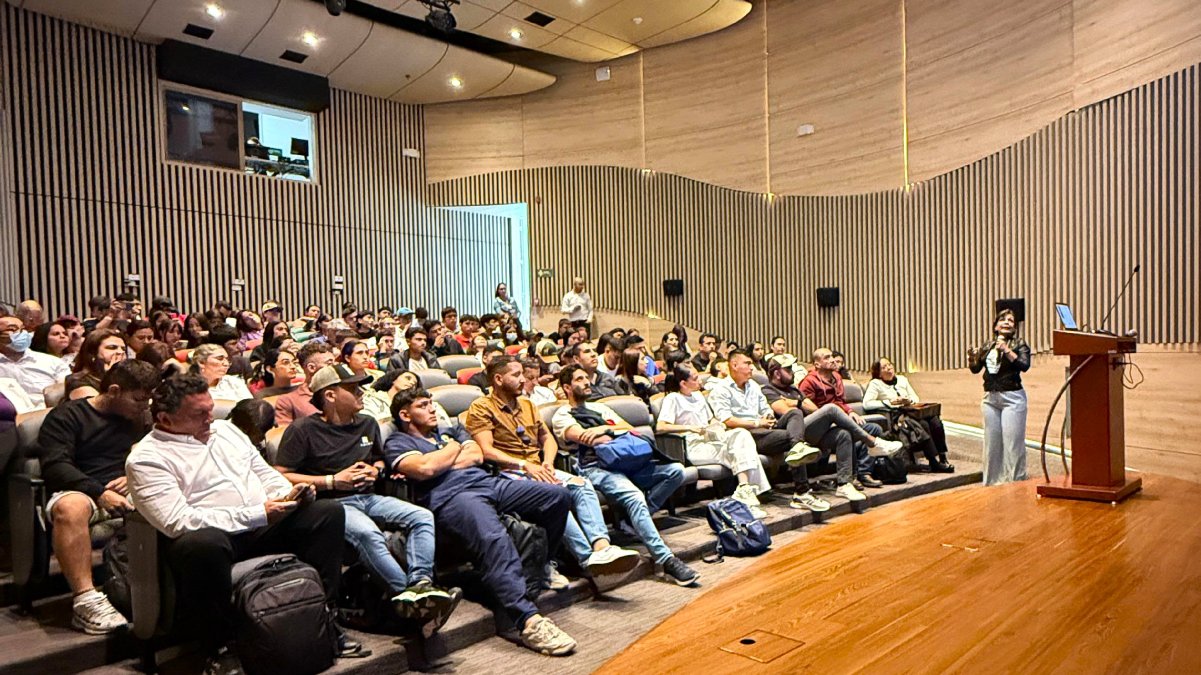
Gerardo Sánchez, PhD from the National Institute of Agricultural Technology of Argentina, presented the MetaBridin platform: “It allows the generation of individuals with superior performance in future climate scenarios, applying artificial intelligence that reads the DNA of crops to identify greater adaptation to climate change.” This technology maintains agricultural productivity in the face of current climate challenges.
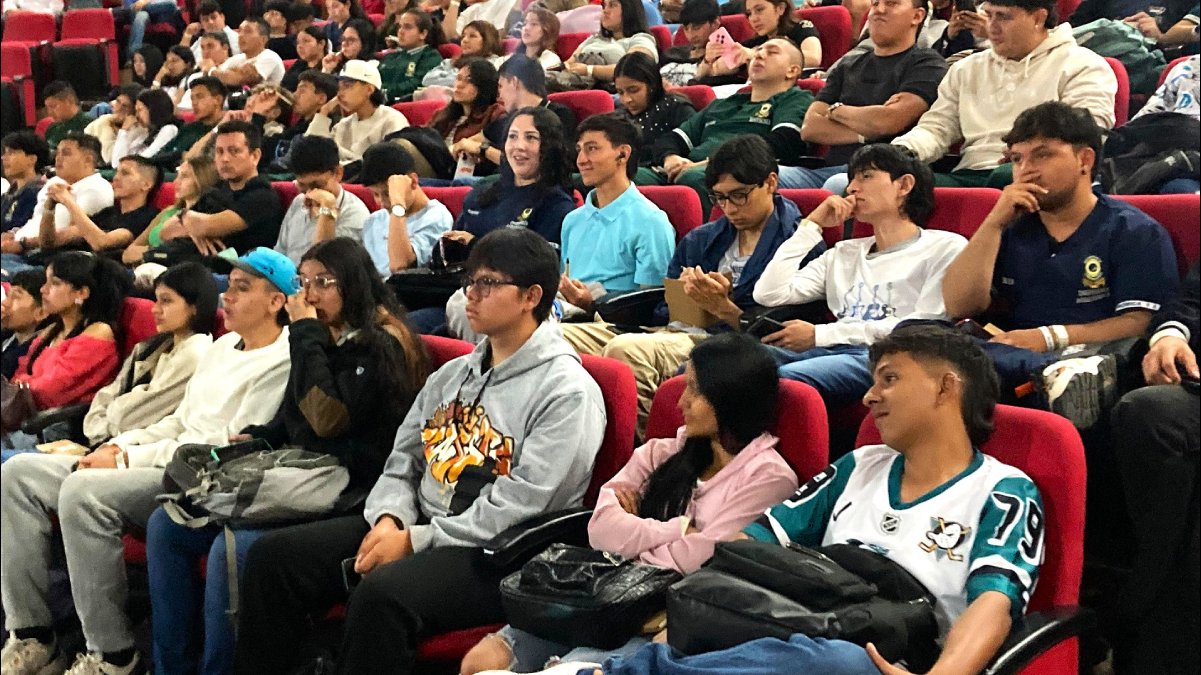
Esmeralda Rincón, a sixth-semester student of Agronomic Engineering, valued the experience: “It fosters dynamic learning and provides crucial information for my growth as an agronomic engineer.”.
Luis Romero, also an Agricultural Engineering student, highlighted that these meetings “significantly enrich the training process with international speakers who address climate change and crops.”.
Special closing with coffee from Cundinamarca
The congress concludes on Friday, September 26, with the 4th International Specialty Coffee Meeting of Cundinamarca. Juan Andrés Espinosa Martínez, Knowledge and Learning Manager for the Agronomic Engineering program, explained that it will include strategies for co-creating knowledge in barista skills and coffee tasting.
Students will apply theoretical knowledge at the La Esperanza Agro-environmental Unit, developing production processes with certification in good agricultural practices.
The coffee meeting includes business tours with regional specialty coffee growers, conferences from Mexico, Brazil and Chile on coffee production and quality, quality assessment workshops and demonstrations of drones for agricultural application in crops.
The congress positions UCundinamarca as a leader in agro-environmental sciences, demonstrating its capabilities in science, technology, and innovation. This exchange of knowledge strengthens the institution's academic training and regional outreach.
The Multidimensional Learning Field methodology guarantees comprehensive training experiences that connect theory, practice and productive reality of the Colombian agro-environmental sector.
Listen to our Podcast:
News
News
News
News